nylon waterproof backpack
CN → USProduct Images
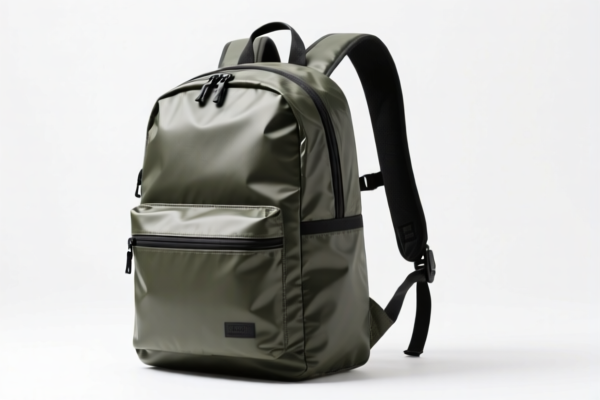
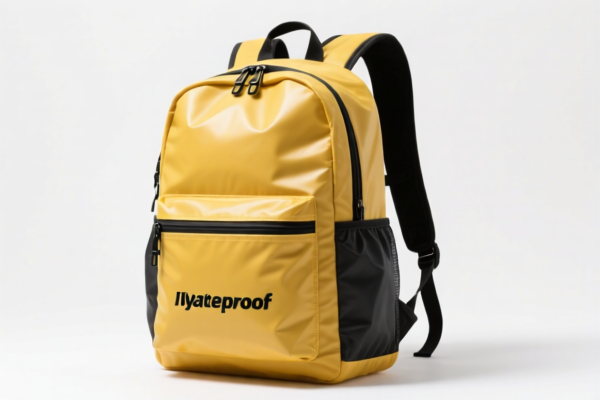
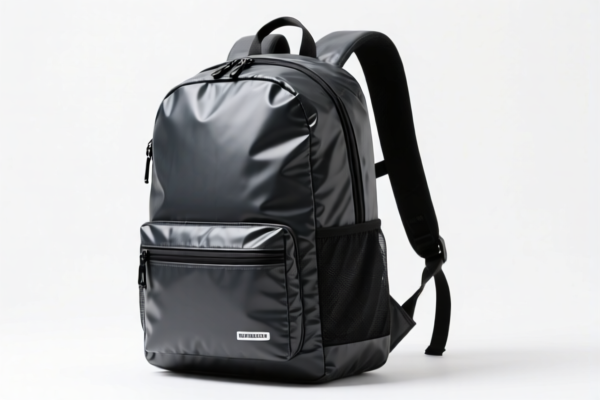
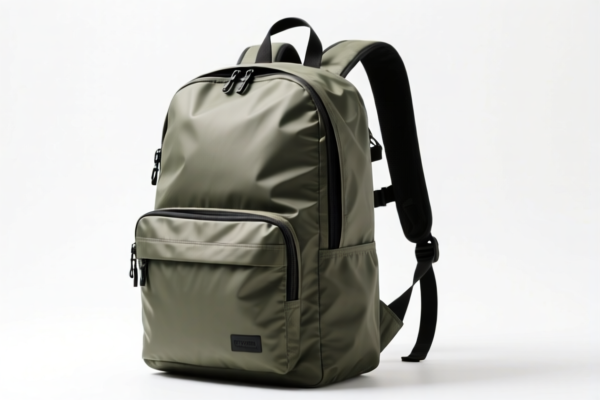
AI Analysis
🎒 Nylon Waterproof Backpack
🌐 HS Code Reference & Customs Clearance Guide | 2026 Latest Tariff Analysis | Professional Transit Strategy
📌 I. Product Definition & Classification: Do You Really Understand “Waterproof Backpacks”?
A nylon waterproof backpack is a luggage item specifically designed to carry personal effects while resisting water ingress. In international trade, it is categorized based on material composition, functionality, and intended use. It is critical to distinguish between:
1. Plastic-Coated/PU-Laminated Nylon (Waterproof):
- Nylon fabric treated with polyurethane (PU) coating, PVC lamination, or TPU membrane to ensure water resistance.
- Does not fall under heading 3919 (Plastic sheets/films) because it remains textile-based.
- Key Characteristic: The base fabric is textile (nylon), and the waterproofing is a finishing treatment.
2. Pure Plastic/Rubber Bags:
- Made entirely of plastic materials (e.g., PVC bags, EVA waterproof dry bags).
- These fall under Chapter 39 (Plastics).
- Key Characteristic: No textile base; entirely synthetic polymer.
⚠️ Critical Distinction:
- If the primary material is nylon (textile) with a waterproof coating → Chapter 42 (Articles of Leather; Luggage).
- If the item is made of plastic sheets/films bonded together without textile backing → Chapter 39.
- Do not misclassify a nylon backpack as a plastic bag; this is the most common customs error leading to higher duties or delays.
📦 II. HS Code Classification Details (2026 Latest Tariff Authority Comparison)
| HS Code | Product Description | Application Scenario | Material Basis | Waterproof? |
|---|---|---|---|---|
4202.12.90.00 |
Backpacks, handbags, etc., with outer surface of textile materials | Nylon backpacks with PU/TPU coating, outdoor hiking bags, school bags | Textile (Nylon/Polyester) | ✅ Yes (if coated) |
4202.92.90.00 |
Travel bags, suitcases, etc., with outer surface of textile materials | Large travel duffels, gym bags made of nylon textile | Textile (Nylon/Polyester) | ✅ Yes |
4202.32.90.00 |
Articles of apparel clothing accessories, with outer surface of textile materials | Pouches, small nylon wallets, key holders | Textile | N/A |
3926.90.99.00 |
Other articles of plastics and articles of other materials of heading 3901 to 3914 | Pure plastic dry bags, PVC rain covers, EVA bags | Plastic (No Textile) | ✅ Yes |
6307.90.98.90 |
Other made-up articles | Waterproof fabric covers (not bags), tarps | Textile | ✅ Yes |
🔍 Key Reminder:
- 90% of “Nylon Waterproof Backpacks” fall under4202.12.90.00(or similar4202.12.xxdepending on specific national sub-codes).
- The term “Textile Materials” in HS Chapter 42 includes nylon, polyester, canvas, etc., even if they are coated for waterproofing.
- Do NOT use3926unless the bag is made entirely of plastic without any textile backing.
💰 III. 2026 Latest Tariff Rate Details (Including Surcharges & Policy Add-ons)
✅ Applicable Country: United States (US)
✅ Origin: China (CN)
✅ Effective Date: November 10, 2025 onwards (and subsequent imports)
🎯 1. 4202.12.90.00 – Backpacks with Outer Surface of Textile Materials
| Item | Content |
|---|---|
| Base Rate | 0% (ad valorem) |
| USITC Additional Tariff | 0% (Not included in Section 301 high-tariff list for most backpacks) |
| IEEPA Additional Tariff | +10% (Against China/HK products, effective from Nov 10, 2025) |
| Total Tariff Rate | 10% |
| Tax Calculation | CIF Value × 10% |
| De Minimis Eligibility | ❌ Not Applicable for shipments > $800 (Standard De Minimis is $800 for low-value goods, but Section 301/IEEPA exemptions do not apply to this HS code if total value > $800) |
| Legal Basis Path | IEEPA:9903.01.24 → USITC:4202.12.90.00 |
📌 Explanation:
- Unlike electronics or steel, textile luggage (backpacks) generally does NOT carry the additional 25% Section 301 tariff.
- However, the IEEPA 10% tariff applies to most Chinese-origin goods unless specifically exempted.
- Total Cost Impact: 10% is significantly lower than the 45-75% seen in electronics or furniture.
🎯 2. 3926.90.99.00 – Plastic Bags (Misclassification Risk)
| Item | Content |
|---|---|
| Base Rate | 0% |
| USITC Additional Tariff | 0% |
| IEEPA Additional Tariff | +10% |
| Total Tariff Rate | 10% |
| Risk | High risk of customs audit if material is proven to be textile. Misclassification can lead to penalties. |
📌 Note:
- If you declare a nylon backpack as3926.90.99.00to avoid scrutiny, customs may inspect the material. If found to be textile, they will reclassify to4202.12.90.00(same rate, but potential penalties for misdeclaration).
- Recommendation: Declare correctly as4202.12.90.00.
🛠️ IV. Customs Clearance Practical Advice (Real-World Pitfall Avoidance)
✅ 1. Document Checklist (Must-Haves)
| Document | Required | Description |
|---|---|---|
| ✅ Product Specification Sheet | ✔️ | Material: 100% Nylon with PU Coating; Waterproof Rating: e.g., 3000mm; Zipper Type: YKK AquaGuard |
| ✅ Photos of Product & Labels | ✔️ | Show the tag stating “Nylon,” “Waterproof,” and care instructions |
| ✅ Commercial Invoice | ✔️ | Clearly state: “Nylon Waterproof Backpack, Outer Material: Textile” |
| ✅ Packing List | ✔️ | Include dimensions, weight, and quantity |
| ✅ Material Test Report (Optional) | ✔️ | If customs questions the material, a lab report confirming “Nylon + PU Coating” vs. “Pure PVC” can save time |
✅ 2. Declaration Tips (Key Mantra)
🔥 “Nylon Base, Textile Class, Waterproof Coating, Tariff Low!”
| Scenario | Correct Declaration | Wrong Action |
|---|---|---|
| Nylon backpack with PU coating | 4202.12.90.00 – “Backpack, outer surface textile” |
Declaring as 3926 (Plastic) → Misclassification |
| PVC Dry Bag (No fabric) | 3926.90.99.00 – “Plastic bag” |
Declaring as 4202 → Delay for material test |
| Backpack with Leather Trim | 4202.12.90.00 |
Still textile-based if nylon > 50% |
| Canvas Backpack | 4202.12.90.00 |
Same HS code as nylon |
✅ 3. Special Cases
| Case | Handling Advice |
|---|---|
| OEM Custom Backpacks | Provide design sketches to prove it’s a “backpack” and not a “plastic sheet” |
| Integrated Electronics | If the backpack has built-in USB charging ports, ensure the primary character is still “luggage.” If electronics dominate, it might shift to Chapter 85 (rare for backpacks) |
| Military/Police Gear | May require additional licenses or security checks, but HS code remains 4202.12.90.00 |
🌍 V. Global Market Comparison (2026 Latest)
| Country/Region | Recommended HS Code | Tariff (CN Origin) | Certification Required | Notes |
|---|---|---|---|---|
| 🇺🇸 USA | 4202.12.90.00 |
10% (IEEPA) | None specific | No Section 301 surcharge for backpacks |
| 🇨🇳 China | 4202.12.90.00 |
0% (MFN) | CCC (if applicable) | Low import duty for foreign goods |
| 🇪🇺 EU | 4202.12.90.00 |
0% | CE (if safety-related), REACH | Favorable for textile luggage |
| 🇬🇧 UK | 4202.12.90.00 |
0% | UKCA | Post-Brexit alignment with EU |
| 🇯🇵 Japan | 4202.12.00.00 |
0% | PSE (if electronic) | Free trade agreement benefits may apply |
📌 Conclusion:
- Nylon backpacks are among the most tariff-friendly consumer goods in most markets.
- USA is the only major market with a significant tariff (10%), but it is still low compared to electronics or furniture.
- EU and UK offer 0% duty, making them attractive markets for Chinese manufacturers.
📌 VI. Common Errors & Pitfalls (Blood Lessons)
❌ Error 1: Declaring a nylon backpack as “Plastic Bag” (3926)
👉 Consequence: Customs may audit material composition. If found to be textile, they may penalize for misdeclaration. No tariff benefit, just risk.
❌ Error 2: Ignoring the IEEPA 10% Tariff
👉 Consequence: Underpaying duties by 10% → Back taxes + Penalties + Potential seizure.
❌ Error 3: Not specifying “Waterproof” in description
👉 Consequence: Minor issue, but helps customs understand product value. High waterproof ratings may justify higher declared value.
❌ Error 4: Using “Tote Bag” or “Handbag” for a backpack
👉 Consequence: Wrong sub-heading. While same HS code 4202.12, mislabeling can cause confusion in customs systems.
✅ Correct Approach:
“Nylon Waterproof Backpack, PU Coated, 20L Capacity, Zipper Closure, Model XYZ, Made in China”
🎯 VII. Conclusion: Precise Classification Saves Money and Time
🎯 Remember the Mantra:
🔹 “Nylon Base = Textile = 4202”
🔹 “Waterproof Coating Doesn’t Change Chapter”
🔹 “USA Tariff = 10%, EU = 0%”
🔹 “Don’t Declare Plastic Unless It’s Plastic!”
📌 Pro Tip:
If your backpacks are originating from Vietnam, Thailand, or Indonesia, you may be eligible for lower tariffs or IEEPA exemptions due to trade policies.
Always verify the Country of Origin carefully. Manufacturing in China but assembling elsewhere may not qualify for preferential treatment unless substantial transformation occurs.
📣 Immediate Action:
📞 Work with a licensed customs broker
📝 Provide detailed material specs (Nylon + PU)
🚀 Ensure your commercial invoice clearly states “Outer Surface: Textile Material”
✨ Professional Clearance Starts with Accurate Classification!
💼 Every Percent of Tariff Counts in Your Profit Margin!
Customer Reviews
About HS Code Classification
The Harmonized System (HS) is an internationally standardized nomenclature developed by the World Customs Organization (WCO) to classify traded products. Over 200 countries use the HS system as the basis for customs tariffs, trade statistics, and import/export regulations.
Each HS code follows a hierarchical structure:
- Chapter (2 digits) — Broad category of goods (e.g., Chapter 84: Machinery and Mechanical Appliances)
- Heading (4 digits) — More specific grouping within the chapter
- Subheading (6 digits) — Internationally standardized breakdown, used by all WCO member countries
- National subdivisions (8-10 digits) — Country-specific extensions for further classification, such as US HTSUS 10-digit codes
Correct HS code classification is essential for smooth customs clearance, accurate duty payment, and compliance with trade regulations. Misclassification can lead to customs delays, overpayment of duties, or penalties.
When importing from CN to US, the applicable tariff rates may include:
- Most-Favored-Nation (MFN) rate — The standard duty rate applied to WTO members
- General rate — Applied to countries without trade agreements
- Trade remedy duties — Additional tariffs such as Section 301 (anti-dumping), Section 232 (national security), or countervailing duties
The information provided on this page is for reference purposes only. For official classification, please consult with your local customs authority or a licensed customs broker.