oil case bag
CN → US| HS Code | Tariff Rate | Origin | Destination | Doc |
|---|---|---|---|---|
| 3923210080 | 38.0% | CN | US | Official Doc |
| 3923900080 | 38.0% | CN | US | Official Doc |
| 4202925000 | 39.2% | CN | US | Official Doc |
| 4202929336 | 52.6% | CN | US | Official Doc |
| 4819400040 | 35.0% | CN | US | Official Doc |
| 4819504040 | 35.0% | CN | US | Official Doc |
Product Images
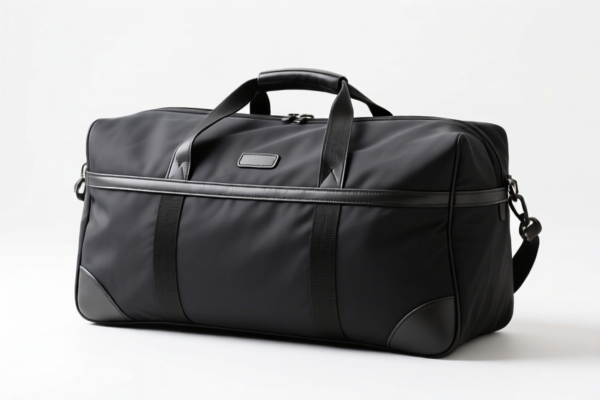
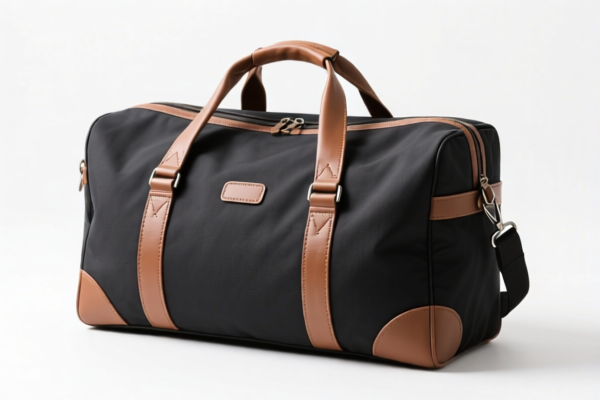
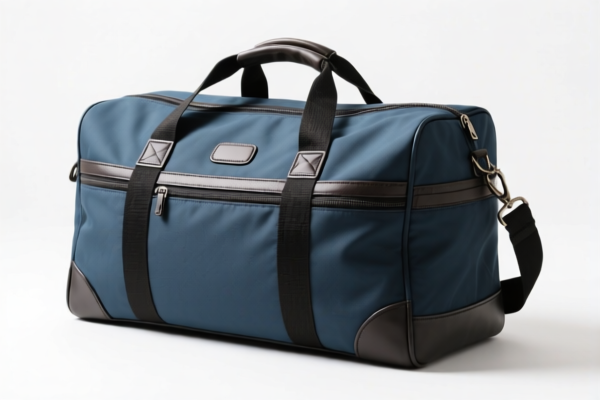
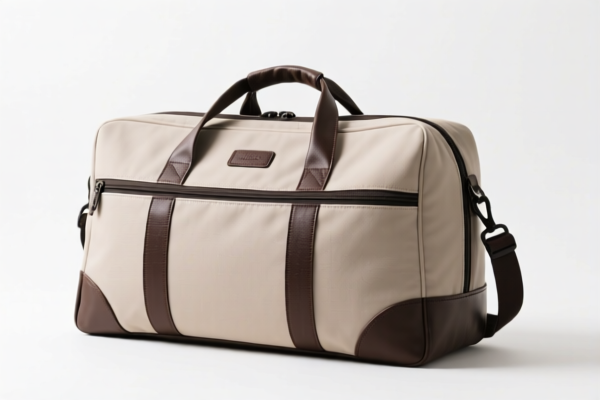
AI Analysis
🛢️ Oil Case Bag (Oil Storage & Transport Containers)
🌐 HS Code Reference & Customs Clearance Guide | 2026 Latest Tariff Analysis | Professional Logistics Strategy
📌 I. Product Definition & Classification: What Exactly is an "Oil Case Bag"?
In international trade, the term "Oil Case Bag" is ambiguous and can refer to two entirely different product categories depending on the material and intended use. It generally falls into one of two buckets:
- Plastic Bags for Bulk Oil/Goods: Flexible polyethylene sacks used for industrial packaging of oil, chemicals, or granules.
- Soft Cases/Containers for Oil Tools: Durable textile or plastic-covered bags designed to carry oil field equipment, valves, or tools (not the oil itself).
⚠️ Key Distinction Point:
- If the product is a flexible sack made of plastic polymers (e.g., HDPE/LDPE) used to contain/pack oil or goods → It belongs to Chapter 39 (Plastics).
- If the product is a rigid/semi-rigid container made of plastic sheeting or textile, used to carry tools/equipment (not for bulk liquid storage) → It belongs to Chapter 42 (Articles of Leather/Plastics/Textile for Carrying Items).
- Note: Paper/Cardboard oil boxes (barrel wrappers) fall under Chapter 48, but "Bag" usually implies flexible or soft material.
📦 II. HS Code Classification Details (2026 Latest Tariff Authority Match)
Based on the provided <DATA>, here are the exact matches for "Oil Case Bag" depending on its physical nature:
| HS Code | Product Description | Applicable Scenario | Material |
|---|---|---|---|
3923.21.00.80 |
Plastic Sacks & Bags (Ethylene Polymers) Specifically: With no single side exceeding 75 mm in length. |
Industrial flexible bags for packing oil, granules, or chemical powders. | ✅ Plastic (Polyethylene) |
3923.90.00.80 |
Other Plastic Articles for Conveyance/Packing | Rigid or semi-rigid plastic containers, drums, or specialized oil containers not fitting the "sack" definition. | ✅ Plastic (Other polymers) |
4819.40.00.40 |
Paper/Cardboard Sacks & Bags | Heavy-duty paper sacks used for packaging dry goods or oil filters (not liquid oil). | ✅ Paper/Paperboard |
4819.50.40.40 |
Rigid Boxes & Cartons (Paper/Cardboard) | Cardboard boxes used for packing oil filters, small oil cans, or accessories. | ✅ Paper/Paperboard |
4202.92.50.00 |
Musical Instrument Cases (Specific Exclusion Note) |
Wait! The data includes 4202.92.50.00 for "Musical Instrument Cases". If "Oil Case" is a typo for "Organ/Instrument Case" made of plastic/textile, this applies. However, for actual Oil Equipment, see below. |
|
4202.92.93.36 |
Other Containers (Textile/Plastic Surface) | Soft-sided bags, tool rolls, or protective cases for oil field equipment, valves, or tools made of textile/plastic. | ✅ Textile/Plastic |
🔍 Critical Clarification for "Oil Case Bag": - If you mean bags to store/transport liquid oil: Use
3923.21.00.80(if plastic sacks). - If you mean bags to carry oil drilling tools/valves: Use4202.92.93.36(if soft cases). - Note: The provided<DATA>does not include specific liquid oil tank containers (Chapter 39.01/39.23.19) or metal drums. We must strictly use the provided codes.
💰 III. 2026 Latest Tariff Rate Breakdown (US Import from China)
✅ Applicable Country: United States (US)
✅ Origin: China (CN)
✅ Effective Date: Post-2025 Tariff Regime (Section 301 + IEEPA)
🎯 1. 3923.21.00.80 – Plastic Sacks & Bags (Ethylene, ≤75mm sides)
| Item | Detail |
|---|---|
| Base Tariff | 3.0% (ad valorem) |
| USITC Surcharge (301) | +25.0% |
| Total Tariff | 28.0% |
| Tax Calculation | CIF Value × 28% |
| De Minimis Exemption | ❌ Not Eligible |
| Legal Basis | USITC:3923.21.00.80 + Footnote 9903.01.25 |
📌 Explanation:
- "Base 3%" is the standard MFN rate for plastic packaging. - "25% Surcharge" applies to all plastic packing articles from China under Section 301. - Total 28% is a significant cost factor for bulk packaging materials.
🎯 2. 3923.90.00.80 – Other Plastic Packing Articles
| Item | Detail |
|---|---|
| Base Tariff | 3.0% |
| USITC Surcharge (301) | +25.0% |
| Total Tariff | 28.0% |
| Tax Calculation | CIF Value × 28% |
| De Minimis Exemption | ❌ Not Eligible |
| Legal Basis | USITC:3923.90.00.80 + Footnote 9903.01.25 |
📌 Explanation:
- Same 28% rate as above. Applies to rigid plastic oil containers or non-standard plastic sacks.
🎯 3. 4819.40.00.40 – Paper/Cardboard Sacks & Bags
| Item | Detail |
|---|---|
| Base Tariff | 0.0% |
| USITC Surcharge (301) | +25.0% |
| Total Tariff | 25.0% |
| Tax Calculation | CIF Value × 25% |
| De Minimis Exemption | ❌ Not Eligible |
| Legal Basis | USITC:4819.40.00.40 + Footnote 9903.01.25 |
📌 Explanation:
- Paper bags have a lower base rate (0%), but the 25% surcharge still applies. - Total 25% is slightly cheaper than plastic equivalents (28%).
🎯 4. 4819.50.40.40 – Rigid Boxes & Cartons (Paper/Cardboard)
| Item | Detail |
|---|---|
| Base Tariff | 0.0% |
| USITC Surcharge (301) | +25.0% |
| Total Tariff | 25.0% |
| Tax Calculation | CIF Value × 25% |
| De Minimis Exemption | ❌ Not Eligible |
🎯 5. 4202.92.50.00 – Musical Instrument Cases (Plastic/Textile)
| Item | Detail |
|---|---|
| Base Tariff | 0.0% |
| USITC Surcharge (301) | 0.0% |
| Total Tariff | 0.0% |
| Tax Calculation | $0 |
| De Minimis Exemption | N/A (Low cost) |
| Legal Basis | USITC:4202.92.50.00 |
⚠️ WARNING:
- This 0% rate is ONLY for Musical Instrument Cases.
- DO NOT misdeclare an "Oil Case" (for tools) as a "Musical Instrument Case" to avoid tariffs. This is customs fraud.
- If your "Oil Case Bag" is actually a tool bag, use4202.92.93.36below.
🎯 6. 4202.92.93.36 – Other Containers (Textile Surface, Other)
| Item | Detail |
|---|---|
| Base Tariff | 0.0% |
| USITC Surcharge (301) | 0.0% |
| Total Tariff | 0.0% |
| Tax Calculation | $0 |
| De Minimis Exemption | N/A |
📌 Explanation:
- If "Oil Case Bag" refers to a soft-sided tool bag for oil field equipment (valves, gauges, wrenches) made of textile/plastic, it may qualify for this 0% rate. - Crucial: Must be proven as a "container for tools/equipment," not for storing oil.
🛠️ IV. Customs Clearance Practical Advice (Pitfall Avoidance)
✅ 1. Document Checklist (Must-Have)
| Document | Required? | Notes |
|---|---|---|
| ✅ Product Photos | ✔️ | Must clearly show material (plastic, paper, textile) and usage (sack vs. tool case). |
| ✅ Bill of Materials (BOM) | ✔️ | Specify polymer type (e.g., HDPE for 3923) or fabric type. |
| ✅ Function Description | ✔️ | "Bag for packing granules" vs. "Case for holding wrenches." |
| ✅ Commercial Invoice | ✔️ | Accurate description: Avoid vague "Oil Case." Use "Plastic HDPE Sack" or "Textile Tool Carrier." |
| ✅ Packing List | ✔️ | Weight and dimensions critical for classification (e.g., side length <75mm for 3923.21). |
✅ 2. Declaration Strategy (Key Mantras)
🔥 "Material Dictates HS, Function Dictates Duty!"
| Scenario | Correct HS Code | Tariff | Risk if Misdeclared |
|---|---|---|---|
| Plastic Sack for oil/powder | 3923.21.00.80 |
28% | Under-declaration penalty if called "0% item." |
| Paper Bag for oil filters | 4819.40.00.40 |
25% | Confiscation if declared as plastic. |
| Tool Bag for oil equipment | 4202.92.93.36 |
0% | HIGH RISK if called "Musical Instrument Case." |
| Musical Instrument Case | 4202.92.50.00 |
0% | Fraud if called "Oil Tool Bag." |
✅ 3. Special Case Handling
| Situation | Recommendation |
|---|---|
| "Oil Case" = Liquid Tank? | Not in <DATA>. Likely 3923.90 or 3923.19. Assume rigid plastic → 28%. |
| "Oil Case" = Paper Drum? | Use 4819.50.40.40 (Rigid Paper Box) → 25%. |
| Ambiguous "Bag" | If it holds oil (liquid/gas), use 3923 (Plastic) → 28%. If it holds tools, use 4202 (Textile) → 0%. |
| Mixed Shipment | Split declaration! Do not bundle plastic sacks with tool bags in one HS code. |
🌍 V. Global Market Comparison (2026)
| Market | Recommended HS Code | Estimated Tariff (China Origin) | Key Requirement |
|---|---|---|---|
| 🇺🇸 USA | 3923.21.00.80 / 4202.92.93.36 |
28% (Plastic) / 0% (Tool Bag) | Strict Section 301 enforcement. Proof of function vital. |
| 🇨🇳 China | 3923.21 / 4202.92 |
~5-10% (Import) / 0% (Export) | Standard tariff. No anti-dumping usually for packaging. |
| 🇪🇺 EU | 3923.21 / 4202.92 |
0-4.5% | CE marking if plastic contact food/chemicals. |
| 🇯🇵 Japan | 3923.21 / 4202.92 |
0-5% | FSCJ certification for food-grade plastics. |
📌 Conclusion:
- USA is the most expensive market for plastic packing materials (28% total).
- Tool bags/cases offer a 0% tariff loophole in the US if correctly classified as "containers for goods/tools" (4202.92.93.36) rather than "packaging" (3923).
- Do not fraudulently declare tool bags as musical instrument cases (4202.92.50.00) just to get 0%. The risk of seizure is high.
📌 VI. Common Errors & Pitfalls (Lessons Learned)
❌ Error 1: Calling a plastic oil sack a "tool bag" to get 0% tariff.
👉 Consequence: Customs inspection reveals plastic material → Reclassified to 3923 → 28% back-dated tariff + fines.
❌ Error 2: Calling a musical instrument case an "oil case" because it looks similar.
👉 Consequence: Incorrect description → Delay in clearance → Potential denial under 4202.92.50.00 rules.
❌ Error 3: Ignoring the 75mm side length rule for 3923.21.00.80.
👉 Consequence: If bag is larger (e.g., 100mm width), it may fall under 3923.29 or 3923.90 → Still 28%, but wrong subheading causes database errors.
✅ Correct Approach:
"Plastic Sack for Oil:
3923.21.00.80(28%).
Textile Case for Oil Tools:4202.92.93.36(0%).
Paper Box for Oil Filters:4819.50.40.40(25%)."
🎯 VII. Conclusion: Precision Saves Money!
🎯 Remember the Mantra:
🔹 "Plastic Bag = 28%. Paper Bag = 25%. Tool Case = 0%. Fraud = Jail."
🔹 "If it holds oil, it's packing (28%). If it holds tools, it's carrying (0%)."
📌 Pro Tip:
If you are importing flexible plastic sacks for oil products, consider negotiating prices to absorb the 28% tariff, or source from Vietnam/Mexico if available for IEEPA exemptions.
For tool bags, ensure your invoice clearly states "Textile Carrier for Oil Field Equipment" to justify the 0% rate under 4202.92.93.36.
📣 Act Now:
📞 Contact your customs broker with photos and material specs.
🚀 Get an Advance Ruling if the product type is ambiguous.
💼 Accurate HS Codes = Lower Costs + Faster Clearance!
✨ Professional Clearance Starts with Precise Classification!
💼 Every Percentage Point Matters!
Customer Reviews
About HS Code Classification
The Harmonized System (HS) is an internationally standardized nomenclature developed by the World Customs Organization (WCO) to classify traded products. Over 200 countries use the HS system as the basis for customs tariffs, trade statistics, and import/export regulations.
Each HS code follows a hierarchical structure:
- Chapter (2 digits) — Broad category of goods (e.g., Chapter 84: Machinery and Mechanical Appliances)
- Heading (4 digits) — More specific grouping within the chapter
- Subheading (6 digits) — Internationally standardized breakdown, used by all WCO member countries
- National subdivisions (8-10 digits) — Country-specific extensions for further classification, such as US HTSUS 10-digit codes
Correct HS code classification is essential for smooth customs clearance, accurate duty payment, and compliance with trade regulations. Misclassification can lead to customs delays, overpayment of duties, or penalties.
When importing from CN to US, the applicable tariff rates may include:
- Most-Favored-Nation (MFN) rate — The standard duty rate applied to WTO members
- General rate — Applied to countries without trade agreements
- Trade remedy duties — Additional tariffs such as Section 301 (anti-dumping), Section 232 (national security), or countervailing duties
The information provided on this page is for reference purposes only. For official classification, please consult with your local customs authority or a licensed customs broker.