oil pump
CN → US| HS Code | Tariff Rate | Origin | Destination | Doc |
|---|---|---|---|---|
| 8413301000 | 37.5% | CN | US | Official Doc |
| 8413309030 | 37.5% | CN | US | Official Doc |
| 8708991600 | 35.0% | CN | US | Official Doc |
| 8409915085 | 37.5% | CN | US | Official Doc |
| 8409919990 | 37.5% | CN | US | Official Doc |
| 8708996890 | 87.5% | CN | US | Official Doc |
Product Images
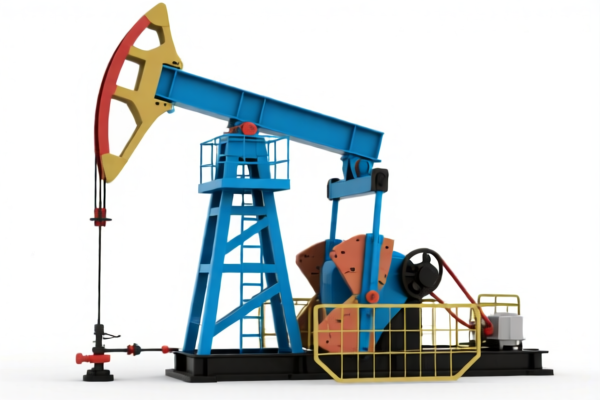
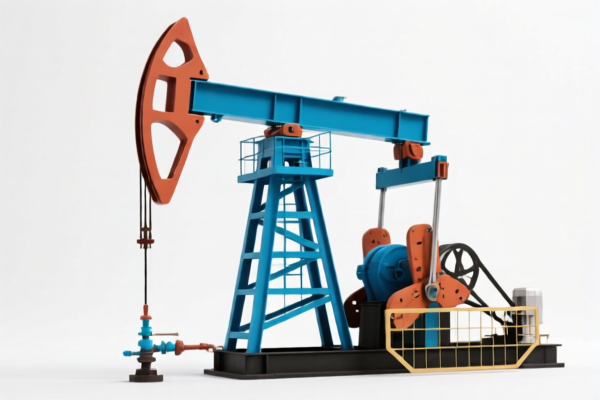
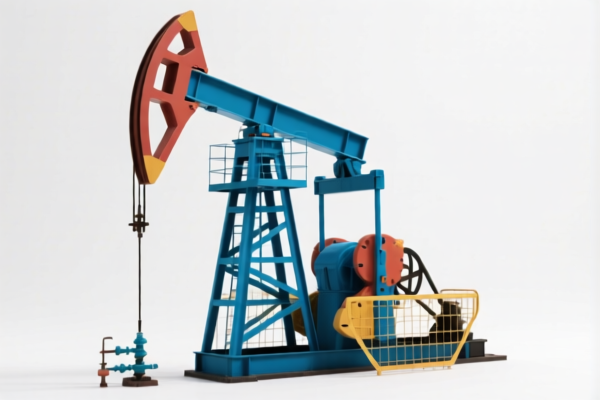
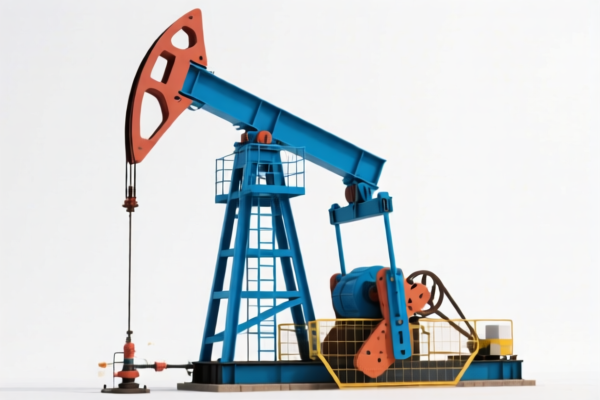
AI Analysis
Here is a comprehensive, Wiki-style guide for Oil Pumps, strictly based on the provided data.
🛢️ Oil Pump (Fuel Injection & Engine Fuel Supply)
🌐 HS Code Reference & Clearance Strategy | 2026 Updated Tax Analysis | Critical Customs Protocol
📌 Section 1: Product Definition & Core Functionality
The Oil Pump (specifically referring to Fuel Pumps in this context) is a critical component within the fuel injection and fluid transfer systems of internal combustion engines. It is primarily designed for fuel输送 (fuel transport) and fuel injection.
Key Functional Distinctions:
* Compression Ignition (Diesel): Matches fuel injection pumps for compression-ignition engines (Section 8413.30).
* Spark Ignition (Gasoline): Acts as a core component of the fuel supply system for spark-ignition engines (Section 8409).
* Vehicle Integration: Can be classified as a part of the power transmission system for agricultural tractors or general vehicle powertrains (Section 8708).
⚠️ Critical Distinction: * Type A: Pure fuel injection pumps for diesel engines → HS 8413.30. * Type B: Engine parts for gasoline engines → HS 8409. * Type C: Parts for agricultural tractors or general vehicle transmission → HS 8708. * Type D: Material-specific classification (Steel/Aluminum/Copper) triggers 50% extra tariffs.
📦 Section 2: HS Code Classification Matrix (Based on Provided Data)
| HS Code | Product Description & Logic | Application Scenario |
|---|---|---|
8413.30.10.00 |
Fuel Injection Pump for Compression Engines Belongs to the fuel injection pump category, specifically designed for fuel transport and matching compression-ignition (diesel) engines. |
Diesel engines, heavy machinery, industrial generators. |
8413.30.90.30 |
General Fuel Pump Functionally identical to the coding requirements for fuel pumps; fits the core definition of the category perfectly. |
General diesel fuel transport, backup units. |
8708.99.16.00 |
Agricultural Tractor Power Transmission Part Classified as a key fluid transfer component within the power transmission system for agricultural tractors. |
Agricultural machinery, farm equipment. |
8409.91.50.85 |
Engine Part (General/兜底) Inferred as metal or composite material; serves as a fallback classification ("catch-all") for engine parts. |
General engine components not specified elsewhere. |
8409.91.99.90 |
Spark-Ignition Engine Part Core component of the fuel supply system specifically for spark-ignition internal combustion engines (Gasoline). |
Cars, light trucks, motorcycles. |
8708.99.68.90 |
Other Power Transmission Parts Falls under the catch-all category for vehicle power transmission or fuel supply system parts. |
General vehicle parts, specific to Steel, Aluminum, or Copper content. |
💰 Section 3: Detailed 2026 Tariff Breakdown & Tax Calculation
✅ Origin: China (CN)
✅ Destination: US (Implied by "122 Clause" and "Section 232/301" style tariffs)
✅ Note: All tariffs listed below include Base Duty, "Added" Duty (Section 301), and "122 Clause" Duty.
🎯 1. Diesel/Compression Engine Pumps (8413.30.10.00 & 8413.30.90.30)
Logic: These are the standard fuel injection pumps for diesel applications.
| Tax Component | Rate | Source/Clause |
|---|---|---|
| Base Tariff | 2.5% | Standard MFN Rate |
| Added Tariff | 25.0% | Section 301 / Trade Remedy |
| 122 Clause Duty | 10.0% | Specific Policy Clause 122 |
| TOTAL RATE | 🔴 37.5% | High Risk / High Cost |
📌 Calculation:
CIF Value × 37.5%
⚠️ Implication: Almost 40% of the product value is tax. No special exemptions noted in data.
🎯 2. Agricultural Tractor Parts (8708.99.16.00)
Logic: Specifically for agricultural machinery (Tractors).
| Tax Component | Rate | Source/Clause |
|---|---|---|
| Base Tariff | 0.0% | Preferential for Ag Machinery |
| Added Tariff | 25.0% | Section 301 / Trade Remedy |
| 122 Clause Duty | 10.0% | Specific Policy Clause 122 |
| TOTAL RATE | 🔴 35.0% | Moderate Risk |
📌 Calculation:
CIF Value × 35.0%
✅ Advantage: Slightly lower than general engine parts due to 0% base duty.
🎯 3. Spark-Ignition & General Engine Parts (8409.91.50.85 & 8409.91.99.90)
Logic: Covers gasoline engine parts and general engine components.
| Tax Component | Rate | Source/Clause |
|---|---|---|
| Base Tariff | 2.5% | Standard MFN Rate |
| Added Tariff | 25.0% | Section 301 / Trade Remedy |
| 122 Clause Duty | 10.0% | Specific Policy Clause 122 |
| TOTAL RATE | 🔴 37.5% | High Risk / High Cost |
📌 Calculation:
CIF Value × 37.5%
⚠️ Note: Identical tax structure to the diesel pumps.
🎯 4. The "Material Trap" - Steel/Aluminum/Copper (8708.99.68.90)
Logic: This is the HIGHEST RISK category. If the pump contains steel, aluminum, or copper, an additional 50% is triggered on top of standard duties.
| Tax Component | Rate | Source/Clause |
|---|---|---|
| Base Tariff | 2.5% | Standard MFN Rate |
| Added Tariff | 25.0% | Section 301 / Trade Remedy |
| 122 Clause Duty | 10.0% | Specific Policy Clause 122 |
| Material Extra Duty | 🚨 50.0% | Special Steel/Al/Cu Addition |
| TOTAL RATE | 🚨 87.5% | CRITICAL WARNING |
📌 Calculation:
CIF Value × 87.5%
⚠️ CRITICAL: This is the MOST EXPENSIVE classification. Any inclusion of steel, aluminum, or copper parts in the pump mechanism triggers this massive surcharge.
🛠️ Section 4: Customs Clearance Recommendations & Strategy
✅ 1. Material Composition Audit (The 50% Trap)
- Action: Immediately verify the Material Bill of Materials (BOM) for the oil pump.
- Risk: If the pump housing, rotor, or valves contain Steel, Aluminum, or Copper, the tariff jumps to 87.5%.
- Strategy:
- Can the design be optimized to use Plastic, Ceramics, or Exempt Metals to avoid
8708.99.68.90? - If unavoidable, ensure the "Material Extra Duty" is clearly communicated to finance teams to avoid margin collapse.
- Can the design be optimized to use Plastic, Ceramics, or Exempt Metals to avoid
✅ 2. Precise Function Declaration
- Action: Clearly distinguish between Diesel (Compression) vs. Gasoline (Spark) vs. Agricultural in the invoice and packing list.
- Strategy:
- Diesel Pumps: Declare under 8413.30 (37.5%).
- Gasoline Pumps: Declare under 8409.91 (37.5%).
- Tractor Parts: If applicable, declare under 8708.99.16.00 (35.0%) – Slight saving.
- Avoid: Using the generic "Other Parts" code (
8708.99.68.90) unless necessary, as it carries the risk of the 50% surcharge.
✅ 3. Documentation Requirements
| Document | Requirement | Purpose |
|---|---|---|
| Technical Data Sheet | Must specify: Engine Type (Diesel/Gas), Material Composition, Application (Tractor/Car). | To prove 8413 vs 8409 vs 8708. |
| BOM (Bill of Materials) | Explicitly list materials (Steel, Al, Cu, Plastic). | Critical to avoid 8708.99.68.90 (87.5% rate). |
| Commercial Invoice | Must state "Fuel Injection Pump" or "Engine Fuel Supply Part". | Matches HS Code descriptions. |
| Origin Certificate | Required for China origin verification. | Confirms applicability of "122 Clause" and 301 tariffs. |
✅ 4. Cost-Saving Strategy
- For Agricultural Users: If the pump is strictly for Tractors, target HS 8708.99.16.00 to save 2.5% (Base Tariff 0% vs 2.5%).
- Material Substitution: If the pump is for general vehicles (
8708.99.68.90), redesigning to eliminate Steel/Al/Copper could reduce the tax from 87.5% to 37.5%. This is a 50% tax reduction potential!
📌 Section 5: Summary of Risks & Pitfalls
❌ Pitfall 1: Material Misclassification * Error: Declaring a Steel-based pump as a generic part without mentioning material. * Result: Customs audit, reclassification to 8708.99.68.90, and back-payment of 50% extra duty + penalties.
❌ Pitfall 2: Function Ambiguity
* Error: Calling it a "Fluid Pump" without specifying "Fuel" or "Engine".
* Result: Classification confusion between 8413 (Pumps) and 8409 (Parts), leading to delays.
❌ Pitfall 3: Ignoring the "122 Clause" * Error: Assuming only standard 2.5% or 301 (25%) applies. * Result: Underpayment of the mandatory 10% 122 Clause duty, leading to fines.
🚀 Final Verdict
Oil Pump clearance is Highly Sensitive to Material Composition. * Best Case: Agricultural Tractor Parts (35.0%). * Standard Case: Diesel/Gasoline Engine Parts (37.5%). * Worst Case: Steel/Al/Copper containing Pump Parts (87.5%).
💡 Pro Tip: Before shipping, engineers must sign off on the material composition. If the pump contains steel/aluminum/copper, consider reclassifying the product design or sourcing alternative materials to avoid the 87.5% tariff.
✨ Customs Compliance is the Key to Profitability!
💼 Double-check your HS Code and Material Bill of Materials today!
Customer Reviews
About HS Code Classification
The Harmonized System (HS) is an internationally standardized nomenclature developed by the World Customs Organization (WCO) to classify traded products. Over 200 countries use the HS system as the basis for customs tariffs, trade statistics, and import/export regulations.
Each HS code follows a hierarchical structure:
- Chapter (2 digits) — Broad category of goods (e.g., Chapter 84: Machinery and Mechanical Appliances)
- Heading (4 digits) — More specific grouping within the chapter
- Subheading (6 digits) — Internationally standardized breakdown, used by all WCO member countries
- National subdivisions (8-10 digits) — Country-specific extensions for further classification, such as US HTSUS 10-digit codes
Correct HS code classification is essential for smooth customs clearance, accurate duty payment, and compliance with trade regulations. Misclassification can lead to customs delays, overpayment of duties, or penalties.
When importing from CN to US, the applicable tariff rates may include:
- Most-Favored-Nation (MFN) rate — The standard duty rate applied to WTO members
- General rate — Applied to countries without trade agreements
- Trade remedy duties — Additional tariffs such as Section 301 (anti-dumping), Section 232 (national security), or countervailing duties
The information provided on this page is for reference purposes only. For official classification, please consult with your local customs authority or a licensed customs broker.