organizing box
CN → US| HS Code | Tariff Rate | Origin | Destination | Doc |
|---|---|---|---|---|
| 3923102000 | 35.0% | CN | US | Official Doc |
| 4420902000 | 17.5% | CN | US | Official Doc |
| 4202999000 | 55.0% | CN | US | Official Doc |
| 3923109000 | 38.0% | CN | US | Official Doc |
| 4202929315 | 52.6% | CN | US | Official Doc |
| 4420908000 | 38.2% | CN | US | Official Doc |
Product Images
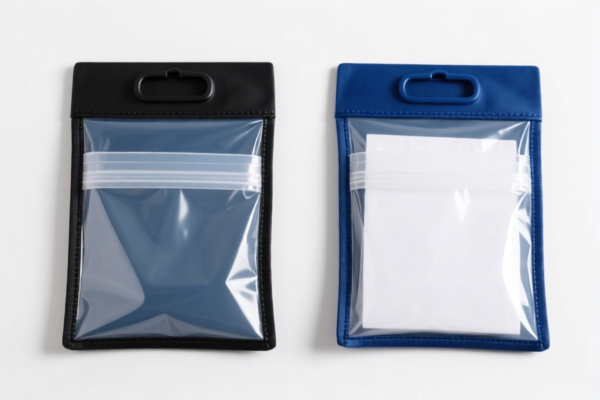
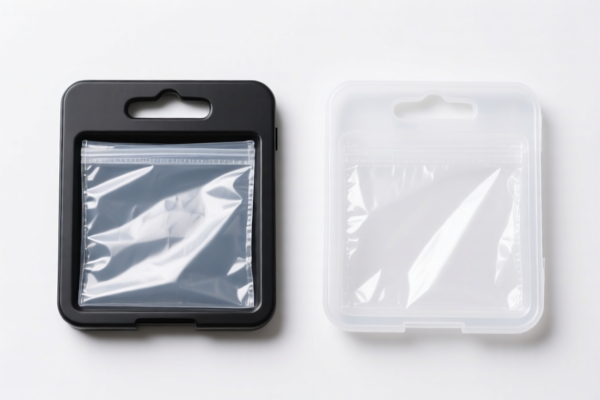
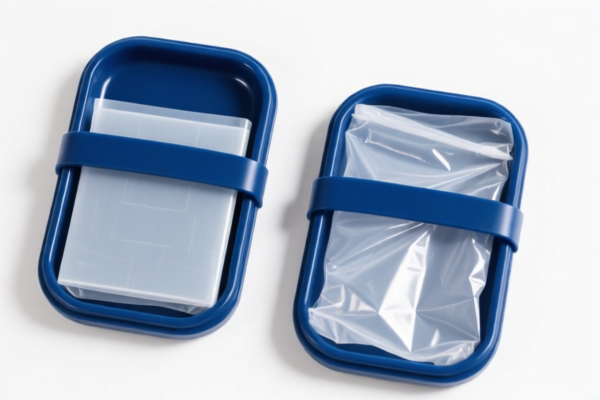
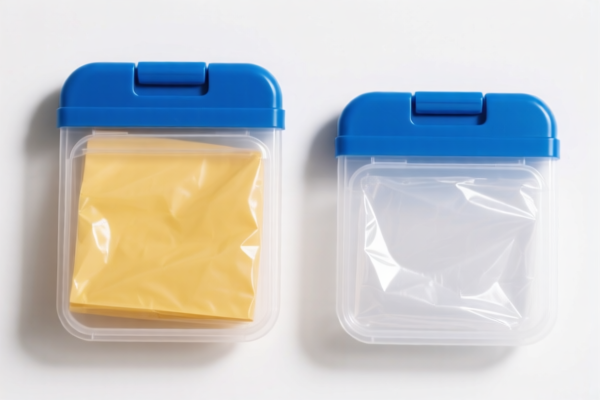
AI Analysis
📦 Storage Box / Organizing Box (储物箱/整理箱)
🌐 HS Code Reference & Customs Clearance Guide | 2026 Latest Tariff Analysis | Professional Clearance Strategy
📌 Part 1: Product Definition & Classification: What is an "Organizing Box"?
The term "Organizing Box" (or Storage Box) is a generic functional description, not a specific material definition. In international trade, customs classification depends entirely on the material composition and specific intended use.
There are three main categories for organizing boxes: 1. Plastic Storage Containers: Hard, durable, often used for transport or heavy-duty storage. 2. Wooden Storage/Decorative Boxes: Often used for home decor, gifts, or light storage. 3. Other Material Containers: Textiles, cardboard, leather, or composite materials.
⚠️ Key Distinction Point:
- If the box is plastic and shaped like a crate/box for transport/packing → Chapter 39.
- If the box is wooden and used for decoration or general storage → Chapter 44.
- If the box is made of textiles, leather, or cardboard and used as a general container → Chapter 42 (or other chapters depending on material).
📦 Part 2: HS Code Classification Matrix (2026 Latest Tariff Authority Reference)
Based on the provided data, here are the 6 possible HS Code classifications for "Organizing Boxes," ranked by potential tax efficiency.
| HS Code | Material/Type | Summary Description | Total Tax Rate | Key Tax Components |
|---|---|---|---|---|
| 3923.10.20.00 | Plastic | Storage box shape, plastic material, transport/packing use. | 35.0% | Base: 0% + Section 301: 25% + Sec 122: 10% |
| 4202.99.90.00 | Various | Container form, material may be plastic/textile/cardboard, other container use. | 55.0% | Base: 20% + Section 301: 25% + Sec 122: 10% |
| 4202.92.93.15 | Textile Surface | Container form, outer surface likely textile, no material conflict. | 52.6% | Base: 17.6% + Section 301: 25% + Sec 122: 10% |
| 4420.90.80.00 | Wood | Wooden material, small decorative/container item, other wooden articles fallback. | 38.2% | Base: 3.2% + Section 301: 25% + Sec 122: 10% |
| 3923.10.90.00 | Plastic | Box/Crate shape, packaging/transport use, plastic material. | 38.0% | Base: 3% + Section 301: 25% + Sec 122: 10% |
| 4420.90.20.00 | Wood | Storage box, wooden material, decorative category of boxes. | 17.5% | Base: 0% + Section 301: 7.5% + Sec 122: 10% |
🔍 Critical Insight:
- The lowest tax rate (17.5%) applies if the box is classified under 4420.90.20.00 (Wooden, decorative/storage).
- Plastic boxes generally fall into the 35%-38% range (3923.10.20.00 or 3923.10.90.00).
- Textile/Other containers carry the highest taxes (52%-55%) due to higher base duties.
💰 Part 3: 2026 Latest Tariff Rate Breakdown (Including Surcharges)
✅ Applicable Country: United States (US)
✅ Origin: China (CN)
✅ Effective Date: Current US Trade Policy (Section 301 & Section 122)
🎯 1. 3923.10.20.00 — Plastic Storage Boxes (Optimal for Plastic)
Best if your product is strictly plastic and used for storage/transport.
| Item | Content |
|---|---|
| Base Duty | 0% (ad valorem) |
| Section 301 Surcharge | +25% (USITC Footnote for plastics/packaging) |
| Section 122 Surcharge | +10% (Specific China import surcharge) |
| Total Tax Rate | 35.0% |
| Tax Calculation | CIF Value × 35% |
| De Minimis Eligibility | ❌ No (Not eligible for de minimis exemption) |
| Legal Path | USITC:3923.10.20.00 → SEC301:25% → SEC122:10% |
📌 Explanation:
- This is the most common classification for standard plastic totes.
- Although the base duty is 0%, the 35% total burden is significant.
- Section 122 is a specific recent surcharge on certain Chinese goods.
🎯 2. 4420.90.20.00 — Wooden Storage/Decorative Boxes (Lowest Tax Option)
Best if your box is wood and marketed as "storage" or "decorative".
| Item | Content |
|---|---|
| Base Duty | 0% (ad valorem) |
| Section 301 Surcharge | +7.5% (Reduced rate for specific wooden articles) |
| Section 122 Surcharge | +10% |
| Total Tax Rate | 17.5% |
| Tax Calculation | CIF Value × 17.5% |
| De Minimis Eligibility | ❌ No |
| Legal Path | USITC:4420.90.20.00 → SEC301:7.5% → SEC122:10% |
📌 Strategy:
- If your product can be legitimately described as wooden and decorative/storage, this HS code offers the lowest tax rate (17.5%).
- Caution: Do not misdeclare plastic as wood to avoid fraud penalties.
🎯 3. 4420.90.80.00 — Wooden Articles (Fallback)
Used for wooden boxes that don't fit specific decorative sub-categories.
| Item | Content |
|---|---|
| Base Duty | 3.2% |
| Section 301 Surcharge | +25% |
| Section 122 Surcharge | +10% |
| Total Tax Rate | 38.2% |
| De Minimis Eligibility | ❌ No |
🎯 4. 3923.10.90.00 — Plastic Boxes (General)
For plastic boxes that are not specifically "crates" or "cases" under 3923.10.20.
| Item | Content |
|---|---|
| Base Duty | 3.0% |
| Section 301 Surcharge | +25% |
| Section 122 Surcharge | +10% |
| Total Tax Rate | 38.0% |
| De Minimis Eligibility | ❌ No |
🎯 5. 4202.99.90.00 — Other Containers (High Tax)
For containers made of various materials (plastic, textile, cardboard) not covered elsewhere.
| Item | Content |
|---|---|
| Base Duty | 20.0% |
| Section 301 Surcharge | +25% |
| Section 122 Surcharge | +10% |
| Total Tax Rate | 55.0% |
| De Minimis Eligibility | ❌ No |
⚠️ Warning: This is the highest tax bracket. Avoid this unless the material and use strictly fit "other containers."
🎯 6. 4202.92.93.15 — Textile Surface Containers
For boxes where the outer surface is textile material.
| Item | Content |
|---|---|
| Base Duty | 17.6% |
| Section 301 Surcharge | +25% |
| Section 122 Surcharge | +10% |
| Total Tax Rate | 52.6% |
| De Minimis Eligibility | ❌ No |
🛠️ Part 4: Customs Clearance Practical Advice (Avoid Pitfalls)
✅ 1. Documentation Checklist (Essential)
| Document | Required | Notes |
|---|---|---|
| ✅ Product Spec Sheet | ✔️ | Must clearly state material composition (e.g., "100% Polypropylene" or "Solid Oak Wood"). |
| ✅ Product Photos | ✔️ | Show the entire box, interior, and any labels. |
| ✅ Commercial Invoice | ✔️ | Must describe the item as "Storage Box" or "Organizing Box" and specify material. |
| ✅ Packing List | ✔️ | Detail net/gross weight. |
| ✅ Material Declaration | ✔️ | Critical: Explicitly state if it is plastic, wood, textile, or cardboard. |
✅ 2. Classification Strategy (Key Rules)
| Scenario | Recommended HS Code | Tax Rate | Action |
|---|---|---|---|
| Plastic Box (Standard) | 3923.10.20.00 |
35.0% | Most common. Ensure it's not misclassified as "packaging material" if used for storage. |
| Wooden Box (Decorative/Storage) | 4420.90.20.00 |
17.5% | Best for cost savings. Ensure it can be reasonably described as decorative or general storage. |
| Wooden Box (Other) | 4420.90.80.00 |
38.2% | Use if it doesn't fit "decorative" criteria. |
| Textile/Fabric Box | 4202.92.93.15 |
52.6% | High tax. Consider if material can be changed to plastic or wood to reduce cost. |
| Cardboard/Composite | 4202.99.90.00 |
55.0% | Avoid if possible. Highest tax rate. |
🔥 Golden Rule:
"Material defines the Chapter. Function refines the Code. Don't guess, declare precisely!"
✅ 3. Special Cases & Tips
| Situation | Advice |
|---|---|
| Mixed Materials | If the box is wood with plastic lids, declare based on the principal material. If wood is the main structure, 4420 may apply. |
| OEM Custom Boxes | Provide client design specs to justify classification. |
| De Minimis (Section 321) | ❌ Not Eligible. All these HS codes are subject to Section 301/122 surcharges and cannot use the $800 de minimis exemption. |
| Pre-Ruling | ✅ Strongly Recommended. Apply for an Advance Ruling from CBP to confirm the HS code and avoid post-clearance audits. |
🌍 Part 5: Global Market Comparison (2026)
| Country/Region | Recommended HS Code | Tax Rate (China Origin) | Certification | Notes |
|---|---|---|---|---|
| 🇺🇸 USA | 3923.10.20.00 (Plastic) |
35.0% | None specific | High tariffs due to Sec 301 + Sec 122. |
| 🇺🇸 USA | 4420.90.20.00 (Wood) |
17.5% | None specific | Lowest US tariff option. |
| 🇨🇳 China | 3923.10.20.00 |
~5-6% | CCC (if applicable) | No Sec 301/122. |
| 🇪🇺 EU | 3923.10.00 |
~3-6% | CE (if plastic) | No Section 122 equivalent. |
| 🇬🇧 UK | 3923.10.00 |
~3-6% | UKCA | Post-Brexit rules apply. |
📌 Conclusion:
- USA is the most challenging market due to Section 301 and Section 122 tariffs.
- Wooden boxes (4420.90.20.00) offer the best cost advantage in the US.
- Plastic boxes (3923.10.20.00) are the standard but carry a 35% tax burden.
- Avoid textile/other containers (4202.99.90.00) for US export due to 55% tax.
📌 Part 6: Common Mistakes & Pitfalls (Lessons Learned)
❌ Mistake 1: Declaring a plastic box as "packaging material" under a lower duty code.
👉 Result: Customs audit, penalty, and back taxes.
✅ Fix: Be honest. If it's a storage box, use 3923.10.20.00.
❌ Mistake 2: Claiming a plastic box is "wooden" to get the 17.5% rate.
👉 Result: Fraud charges, shipment seizure.
✅ Fix: Only claim wooden if it is genuinely wood.
❌ Mistake 3: Ignoring Section 122.
👉 Result: Underpaying by 10%.
✅ Fix: Always include Sec 122 in cost calculations for US imports from China.
❌ Mistake 4: Using "Organizing Box" without specifying material.
👉 Result: Customs may assign the highest default rate (e.g., 55%).
✅ Fix: Always specify material: "Plastic Storage Box," "Wooden Decorative Box," etc.
🎯 Part 7: Conclusion: Professional Classification, Cost Optimization!
🎯 Key Takeaways:
🔹 Material is King: Plastic = 35%, Wood (Decorative) = 17.5%, Textile/Other = 52-55%.
🔹 Section 122 Applies: All these codes carry an additional 10% surcharge for China-origin goods.
🔹 No De Minimis: You cannot use the $800 exemption for these HS codes.
🔹 Pre-Ruling is Best: Get an Advance Ruling from CBP to lock in the HS code and avoid surprises.
📌 Pro Tip:
If you are importing plastic boxes, consider if the product can be redesigned or marketed as wooden (if feasible) to save 17.5% in tariffs.
If you must use plastic, budget for 35% total duty.
📣 Immediate Action:
📞 Contact a Licensed Customs Broker
📸 Provide Clear Product Photos + Material Specs
📄 Request an Advance Ruling
🚀 Clear your goods smoothly, optimize your costs, and maximize your profit!
✨ Professional Customs Clearance Starts with Precise Classification!
💼 Every Dollar of Tax Matters!
Customer Reviews
About HS Code Classification
The Harmonized System (HS) is an internationally standardized nomenclature developed by the World Customs Organization (WCO) to classify traded products. Over 200 countries use the HS system as the basis for customs tariffs, trade statistics, and import/export regulations.
Each HS code follows a hierarchical structure:
- Chapter (2 digits) — Broad category of goods (e.g., Chapter 84: Machinery and Mechanical Appliances)
- Heading (4 digits) — More specific grouping within the chapter
- Subheading (6 digits) — Internationally standardized breakdown, used by all WCO member countries
- National subdivisions (8-10 digits) — Country-specific extensions for further classification, such as US HTSUS 10-digit codes
Correct HS code classification is essential for smooth customs clearance, accurate duty payment, and compliance with trade regulations. Misclassification can lead to customs delays, overpayment of duties, or penalties.
When importing from CN to US, the applicable tariff rates may include:
- Most-Favored-Nation (MFN) rate — The standard duty rate applied to WTO members
- General rate — Applied to countries without trade agreements
- Trade remedy duties — Additional tariffs such as Section 301 (anti-dumping), Section 232 (national security), or countervailing duties
The information provided on this page is for reference purposes only. For official classification, please consult with your local customs authority or a licensed customs broker.