origami
CN → US| HS Code | Tariff Rate | Origin | Destination | Doc |
|---|---|---|---|---|
| 4911998000 | 17.5% | CN | US | Official Doc |
| 4911914040 | 17.5% | CN | US | Official Doc |
| 4823908680 | 35.0% | CN | US | Official Doc |
| 4802572000 | 35.0% | CN | US | Official Doc |
| 4802571085 | 35.0% | CN | US | Official Doc |
Product Images

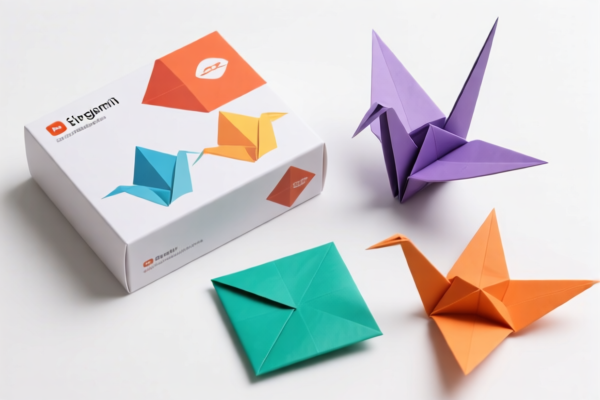
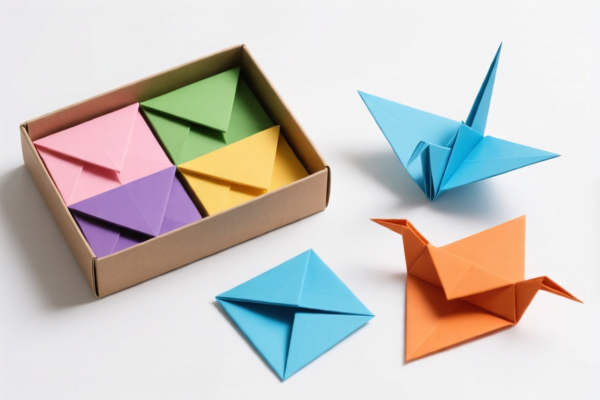
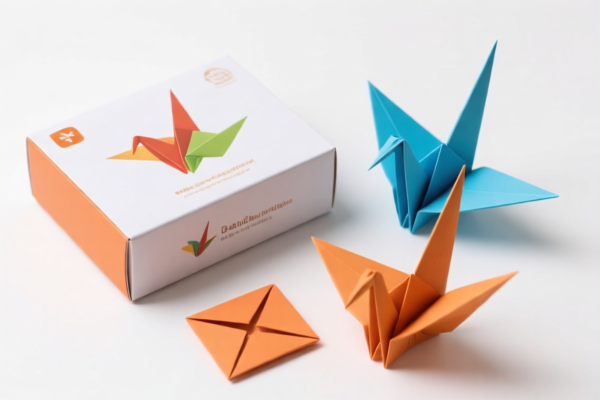
AI Analysis
📜 Origami (Paper Folding Artifacts)
🌐 HS Code Reference & Customs Clearance Guide | 2026 Latest Tariff Analysis | Professional Clearance Strategy
📌 Part 1: Product Definition & Classification: Is "Origami" Paper or Printed Goods?
Origami, in the context of international trade, is often a subject of classification debate. It sits at the intersection of raw materials (paper) and finished goods (printed/artistic items). The correct HS Code depends heavily on whether the item is viewed as a "blank substrate" for creative use or a "finished printed product."
⚠️ Key Distinction:
- If the origami is uncoated, blank, or simply cut into shape for further crafting/drawing → It is likely classified as Paper (Chapter 48).
- If the origami contains specific images, designs, or graphics pre-printed on it → It is likely classified as Printed Matter (Chapter 49).
📦 Part 2: HS Code Classification Details (2026 Latest Tariff Authority Cross-Reference)
| HS Code | Product Description | Applicable Scenario | Tax Rate |
|---|---|---|---|
4802.57.10.85 |
Uncoated Paper & Paperboard Summarized as: Origami belongs to paper, in the form for writing or graphic use, meeting the definition of uncoated paper and cardboard. |
Blank origami sheets, craft paper, unprinted folding paper | 35.0% |
4911.99.80.00 |
Other Printed Matter Summarized as: Origami belongs to the category of printed/paper products, classified as other printed materials. |
Origami with generic or non-specific printed designs | 17.5% |
4911.91.40.40 |
Other Printed Matter (Images/Designs) Summarized as: Origami belongs to printed materials of pictures/designs, made of paper, meeting the characteristics of other printed materials. |
Origami with specific artistic images, patterns, or graphic designs | 17.5% |
4823.90.86.80 |
Other Paper Articles Summarized as: Origami material is paper, in the form of paper articles cut to size or shape, belonging to other paper articles. |
Pre-cut origami shapes, folded paper crafts without specific print | 35.0% |
4802.57.20.00 |
Drawing & Graphic Paper Summarized as: Origami belongs to paper materials, used for graphic or handcraft purposes, meeting the scope of drawing paper. |
High-quality paper specifically marketed for artistic folding/drawing | 35.0% |
🔍 Key Reminder:
- Blank/Unprinted Origami: Often falls under Chapter 48 (Paper), attracting higher tariffs (35%).
- Printed/Graphic Origami: Often falls under Chapter 49 (Printed Matter), attracting lower tariffs (17.5%).
- Do not mix declarations: Do not declare printed origami as blank paper to avoid penalties.
💰 Part 3: 2026 Latest Tariff Rate Details (Including Surtaxes, Policy Add-ons)
✅ Applicable Country: United States (US)
✅ Origin: China (CN)
✅ Effective Time: 2025/2026 Period (Subject to current IEEPA & Section 301 status)
🎯 1. 4802.57.10.85 / 4823.90.86.80 / 4802.57.20.00 —— Paper & Paper Articles (Blank/Unprinted)
| Item | Content |
|---|---|
| Base Tariff | 0.0% |
| Surtax (Section 301) | +25.0% |
| IEEPA Surtax (122 Clause) | +10.0% |
| Total Tax Rate | 35.0% |
| Tax Calculation | CIF Value × 35% |
| De Minimis Eligibility | ❌ Not Eligible (High surtax items are excluded from $800 de minimis exemption in many enforcement scenarios) |
| Legal Basis Path | Section 301: 9903.88.01 → IEEPA: 9903.01.24 → USITC: 4802.57.10.85 / 4823.90.86.80 |
📌 Explanation:
- "Base Tariff 0%": Standard MFN rate for many paper products.
- "Surtax 25%": Applied under US Trade Act Section 301 against China-origin goods.
- "IEEPA 10%": Additional tariff under the International Emergency Economic Powers Act targeting specific Chinese imports.
- Total 35%: This is a high-cost category. Importers must calculate landed costs carefully.
🎯 2. 4911.99.80.00 / 4911.91.40.40 —— Printed Matter (With Graphics/Designs)
| Item | Content |
|---|---|
| Base Tariff | 0.0% |
| Surtax (Section 301) | +7.5% |
| IEEPA Surtax (122 Clause) | +10.0% |
| Total Tax Rate | 17.5% |
| Tax Calculation | CIF Value × 17.5% |
| De Minimis Eligibility | ⚠️ Check Specific Enforcement: While lower, high-volume printed goods may still face scrutiny. |
| Legal Basis Path | Section 301: 9903.88.01 → IEEPA: 9903.01.24 → USITC: 4911.99.80.00 / 4911.91.40.40 |
📌 Note:
- "Surtax 7.5%": Lower surtax rate for certain printed matter categories compared to raw paper.
- "IEEPA 10%": Still applies.
- Total 17.5%: This is a strategic advantage. Properly classifying origami as "Printed Matter" (if it has images/designs) can halve the tariff burden compared to classifying it as raw paper.
🛠️ Part 4: Customs Clearance Practical Advice (Actionable Pitfall Avoidance)
✅ 1. Preparation Checklist (Essential Documents)
| Document | Required | Purpose |
|---|---|---|
| ✅ Product Photos | ✔️ | Must clearly show if the paper has pre-printed designs/images. Blank paper vs. Printed paper determines the HS Code. |
| ✅ Specification Sheet | ✔️ | Describe material (paper type), size, and whether it is "blank" or "printed." |
| ✅ Commercial Invoice | ✔️ | Clearly state "Origami Paper" or "Printed Origami Kit" accurately. Avoid vague terms like "Paper Gift." |
| ✅ Packing List | ✔️ | Detail contents. If it's a kit with blanks and printed sheets, consider splitting or declaring accurately. |
| ✅ Origin Certificate | ✔️ | Confirm China origin to apply correct surtax rates. |
✅ 2. Declaration Tips (Key Strategy)
🔥 "Printed is Cheaper, Blank is Expensive!"
| Scenario | Correct Declaration | Risk if Incorrect |
|---|---|---|
| Origami with pre-printed pictures/designs | 4911.91.40.40 or 4911.99.80.00 (17.5%) |
If misdeclared as blank paper → 35% Tariff (Overpayment) |
| Origami blank/uncoated paper | 4802.57.10.85 or 4802.57.20.00 (35%) |
If misdeclared as printed matter → Customs Penalty/Seizure |
| Pre-cut shapes without print | 4823.90.86.80 (35%) |
Misclassification risk |
📌 Critical Insight:
- If your origami has any graphic design, pattern, or image printed on it during manufacturing, strongly consider Classifying under Chapter 49.
- The 17.5% vs. 35% difference is massive. Ensure your supplier’s invoice and product specs support "Printed" classification if applicable.
✅ 3. Special Circumstances
| Situation | Handling Advice |
|---|---|
| Mixed Kits (Blank + Printed) | Declare separately if possible. If mixed, consult a broker on the primary nature. Misdeclaration leads to audits. |
| High-Volume Shipments | Be prepared for potential Section 301 exclusions checks. Ensure you have proof of production in China. |
| Gift Sets | If origami is part of a larger gift set, the "essential character" rule may apply. However, paper origami is often valued for its content. |
🌍 Part 5: Global Market Comparison (2026 Update)
| Country/Region | Recommended HS Code | Tariff (CN Origin) | Notes |
|---|---|---|---|
| 🇺🇸 USA | 4911.91.40.40 (If Printed) |
17.5% | Best Option: Use printed matter classification to save 17.5% vs. paper. |
| 🇺🇸 USA | 4802.57.10.85 (If Blank) |
35.0% | High cost. Avoid if possible. |
| 🇪🇺 EU | 4802.57 / 4911.99 |
0% - 6% | No Section 301/IEEPA surtaxes. Lower risk. |
| 🇨🇳 China | 4802.57 / 4911.99 |
5% - 10% | Export market, lower entry barriers. |
📌 Conclusion:
- USA is the most critical market due to high surtaxes (Section 301 + IEEPA).
- Classification Strategy: Prioritize Chapter 49 (Printed) for any origami with graphics to achieve the 17.5% rate.
- Blank Origami: Accept the 35% rate or consider value-added processing elsewhere if feasible.
📌 Part 6: Common Errors & Pitfall Guide (Lessons Learned)
❌ Error 1: Declaring printed origami as "Paper for Writing" (4802...)
👉 Consequence: Pay 35% tax instead of 17.5%. Overpayment of 17.5% on CIF value.
❌ Error 2: Declaring blank paper as "Printed Matter" (4911...)
👉 Consequence: Customs Audit, Seizure, or Penalty. Falsifying product nature is a serious violation.
❌ Error 3: Ignoring IEEPA 10% Surtax
👉 Consequence: Under-declaring total tax liability. Back taxes + Interest upon inspection.
✅ Correct Approach:
"Printed = Chapter 49 (17.5%); Blank = Chapter 48 (35%). Verify with Photos & Specs!"
🎯 Part 7: Conclusion: Precision Classification Saves Money!
🎯 Remember the Mantra:
🔹 "Images on Paper? Go to 49! (17.5%)"
🔹 "Blank Paper? Stick to 48. (35%)"
🔹 "Don't Guess! Check the Print! Save 17.5%!"
📌 Pro Tip:
If your origami is mass-produced with consistent graphic designs, ensure your supplier provides certified printed matter documentation. This strengthens your case for 4911.91.40.40 or 4911.99.80.00 classification, significantly reducing landed costs in the US market.
📣 Immediate Action:
📞 Consult a Customs Broker before shipping.
🖼️ Provide Clear Photos of the product (especially any prints/designs).
📄 Request Product Specifications that explicitly state "Printed Paper" if applicable.
🚀 Optimize Your Landed Cost with accurate HS Code classification!
✨ Professional Clearance Starts with Accurate Classification!
💼 Every Percentage Point Matters in International Trade!
Customer Reviews
About HS Code Classification
The Harmonized System (HS) is an internationally standardized nomenclature developed by the World Customs Organization (WCO) to classify traded products. Over 200 countries use the HS system as the basis for customs tariffs, trade statistics, and import/export regulations.
Each HS code follows a hierarchical structure:
- Chapter (2 digits) — Broad category of goods (e.g., Chapter 84: Machinery and Mechanical Appliances)
- Heading (4 digits) — More specific grouping within the chapter
- Subheading (6 digits) — Internationally standardized breakdown, used by all WCO member countries
- National subdivisions (8-10 digits) — Country-specific extensions for further classification, such as US HTSUS 10-digit codes
Correct HS code classification is essential for smooth customs clearance, accurate duty payment, and compliance with trade regulations. Misclassification can lead to customs delays, overpayment of duties, or penalties.
When importing from CN to US, the applicable tariff rates may include:
- Most-Favored-Nation (MFN) rate — The standard duty rate applied to WTO members
- General rate — Applied to countries without trade agreements
- Trade remedy duties — Additional tariffs such as Section 301 (anti-dumping), Section 232 (national security), or countervailing duties
The information provided on this page is for reference purposes only. For official classification, please consult with your local customs authority or a licensed customs broker.