other coniferous wood
CN → US| HS Code | Tariff Rate | Origin | Destination | Doc |
|---|---|---|---|---|
| 4409101020 | 35.0% | CN | US | Official Doc |
| 4418810000 | 38.2% | CN | US | Official Doc |
| 4407190066 | 35.0% | CN | US | Official Doc |
| 4407190001 | 35.0% | CN | US | Official Doc |
| 4418300100 | 38.2% | CN | US | Official Doc |
Product Images
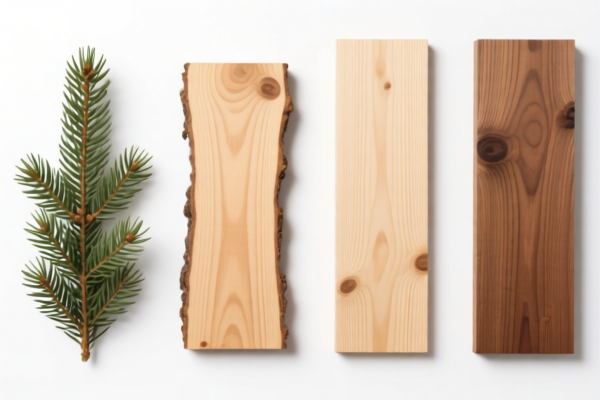
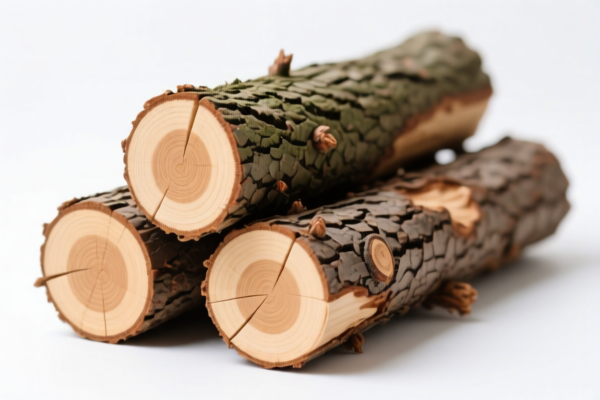
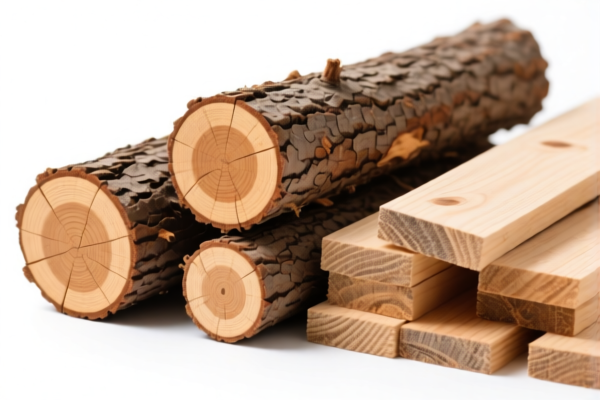
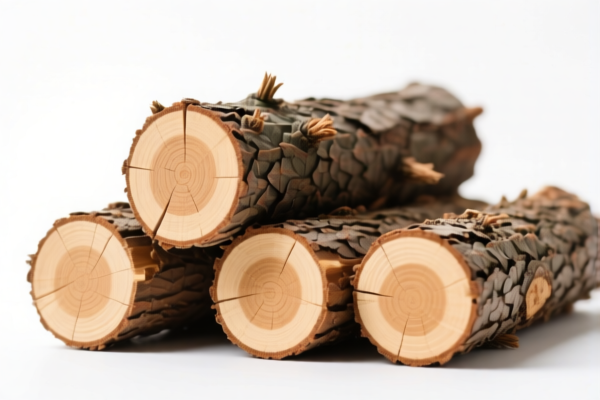
AI Analysis
🌲 Other Coniferous Wood Products: HS Code Classification & US Customs Clearance Guide (2026)
🌐 HS Code Reference & Customs Strategy | 2026 Latest Tariff Analysis | Professional Entry Compliance
📌 I. Product Definition & Classification: What Exactly is "Other Coniferous Wood"?
In international trade, "Other Coniferous Wood" (primarily Pine, Spruce, Fir, etc.) is not a single commodity but a category of semi-finished or finished wood products. The HS Code classification depends strictly on the degree of processing, specific use, and physical form.
Key Distinctions: * Raw/Semi-Processed Lumber (4407/4409): Sawn, chipped, or longitudinally sliced wood, potentially planed, sanded, or finger-joined. * Constructed Wood Products (4418): Specific building components like beams, columns, panels, or doors.
⚠️ Critical Classification Point:
- If the wood is sliced/sawn/planned but not yet assembled into a structural component → Likely 4407 or 4409.
- If the wood is part of a specific construction element (e.g., a beam, column, or panel) → Likely 4418.
- Misclassification Risk: Declaring a "beam" as "lumber" may trigger scrutiny if the dimensions/usage clearly indicate a structural component.
📦 II. HS Code Classification Matrix (2026 Latest Tariff Data from )
Based on the provided data, here are the 5 applicable HS Codes for coniferous wood products entering the US market.
| HS Code | Product Description (Summary from Data) | Classification Logic | Key Characteristic |
|---|---|---|---|
4407.19.00.66 |
Other coniferous wood construction; Material: Coniferous; Category: Other | Sawn/Sliced Wood | Raw/Semi-finished lumber, not further worked than sawn/planed. |
4407.19.00.01 |
Other coniferous wood construction; Material: Coniferous; Category: Other; Form: Complies with wood classification | Sawn/Sliced Wood | Similar to above, specific sub-category for general coniferous lumber. |
4409.10.10.20 |
Other coniferous wood construction; Material: Coniferous; Category: Other | Shaped Wood | Wood that has been continuously shaped along its length (e.g., tongued, grooved, chamfered, hand-rail shapes, etc.). |
4418.30.01.00 |
Other coniferous wood construction; Material: Wood; Use: Columns and Beams (except specific) | Building Components | Specifically used as structural columns or beams in construction. |
4418.81.00.00 |
Other coniferous wood construction; Material: Wood (Wooden); Use: Structural Wood Products for Engineering | Structural Engineered Wood | Used for engineering structural purposes (e.g., glulam, heavy timber frames). |
🔍 Key Takeaway:
- 4407/4409 are for lumber (raw material).
- 4418 is for constructed products (finished components).
- The physical form (is it just a plank, or is it a shaped beam?) determines the code.
💰 III. 2026 Tariff Rate Breakdown (Detailed Tax Analysis)
✅ Applicable Country: USA (US)
✅ Origin: China (CN)
✅ Effective Date: Current rates apply (Section 301 & IEEPA)
The data indicates two distinct total tax rates: 35.0% and 38.2%. Here is the detailed breakdown:
🎯 1. Lumber Category: 4407.19.00.66 & 4407.19.00.01
Total Tax Rate: 35.0%
| Component | Rate | Source |
|---|---|---|
| Basic MFN Duty | 0.0% | Standard US Tariff for most coniferous lumber. |
| Section 301 Surcharge | 25.0% | USITC Footnote under Trade Act of 1974. |
| Section 122 / IEEPA Surcharge | 10.0% | Executive Order/IEEPA additional tariff on Chinese goods. |
| TOTAL | 35.0% |
📌 Explanation:
- Despite having 0% basic duty, the 35% total effective rate is high.
- This applies to raw/sawn/coniferous lumber that is not shaped into specific structural components.
🎯 2. Shaped Lumber: 4409.10.10.20
Total Tax Rate: 35.0%
| Component | Rate | Source |
|---|---|---|
| Basic MFN Duty | 0.0% | Standard US Tariff. |
| Section 301 Surcharge | 25.0% | USITC Footnote. |
| Section 122 / IEEPA Surcharge | 10.0% | Executive Order/IEEPA. |
| TOTAL | 35.0% |
📌 Explanation:
- Even though the wood is shaped (tongued/grooved), it falls under the same tax burden as standard lumber.
- No benefit from being "shaped" in terms of tax reduction.
🎯 3. Structural Components: 4418.81.00.00 & 4418.30.01.00
Total Tax Rate: 38.2%
| Component | Rate | Source |
|---|---|---|
| Basic MFN Duty | 3.2% | Standard US Tariff for constructed wood products. |
| Section 301 Surcharge | 25.0% | USITC Footnote. |
| Section 122 / IEEPA Surcharge | 10.0% | Executive Order/IEEPA. |
| TOTAL | 38.2% |
📌 Explanation:
- Higher Base Rate: These codes have a 3.2% base duty because they are considered "constructed products" rather than raw material.
- Total Impact: The total tax is 3.2% higher than standard lumber (38.2% vs 35.0%).
- Codes: Applies to Columns/Beams (4418.30) and Other Structural Wood (4418.81).
🛠️ IV. Customs Clearance Operational Advice (Practical Pitfalls)
✅ 1. Documentation Checklist (Mandatory)
| Document | Required? | Description |
|---|---|---|
| Commercial Invoice | ✅ YES | Must specify: Species (e.g., Southern Yellow Pine, Douglas Fir), Dimensions, Treatment (KD, HT), and HS Code. |
| Phytosanitary Certificate | ✅ YES | Crucial for wood. Must confirm no pests (ISPM 15 standard). Required for all wood entries. |
| Fumigation Certificate | ✅ YES | If not heat-treated (HT), must be fumigated. |
| Bill of Lading | ✅ YES | Clear description of goods. |
| Product Photos | ✅ YES | Show grain, edges, and any markings (e.g., HT stamp). |
| Treatment Certificate | ✅ YES | Proof of Kiln-Dried (KD) or Heat Treatment (HT). |
⚠️ Critical Note:
- No Phytosanitary Certificate = Rejection/Return by USDA APHIS.
- Ensure the HT Stamp is visible on the wood/pallet.
✅ 2. Classification Strategy & Tax Optimization
| Scenario | Recommended HS Code | Tax Rate | Why? |
|---|---|---|---|
| Raw Planks/Boards | 4407.19.00.66 or 4407.19.00.01 |
35.0% | Lower base duty (0%). Avoid 4418 unless it’s clearly a structural component. |
| Tongued/Grooved Flooring/Lumber | 4409.10.10.20 |
35.0% | Shaping doesn’t reduce tax, but misclassifying as 4418 would increase it to 38.2%. |
| Beams/Columns for Construction | 4418.30.01.00 |
38.2% | Must be clearly structural. If you declare a beam as "lumber" (4407) to save 3.2%, customs may audit and penalize for misdeclaration. |
| Engineered Structural Wood | 4418.81.00.00 |
38.2% | For glulam, heavy timber. Higher base duty but accurate for engineering use. |
📌 Strategic Advice:
- If you are exporting standard lumber, use 4407/4409 to keep the base duty at 0%.
- If you are exporting pre-cut beams, you must use 4418. Do not try to classify beams as "lumber" to save 3.2%. The risk of customs classification adjustment (and penalties) outweighs the small tax savings.
✅ 3. Common Pitfalls & How to Avoid Them
| Mistake | Consequence | Solution |
|---|---|---|
| Missing Phytosanitary Certificate | Shipment held at port, destruction risk | Obtain certificate from origin country’s plant protection agency before shipment. |
| Incorrect Species Declaration | Duty rate error, regulatory violation | Specify species (e.g., "Douglas Fir" not just "Coniferous Wood"). |
| Misclassifying Beams as Lumber | Audit, back-tariff (3.2% difference + penalties) | Ensure product photos and description match the HS Code definition (structural vs. raw). |
| Ignoring IEEPA 10% Surcharge | Unexpected cost shock | Budget for 35-38% total tax, not just the MFN rate. |
| Pallets without HT Stamp | USDA rejection | Ensure all wood packaging has IPPC HT mark. |
🌍 V. Global Market Comparison (2026)
| Market | HS Code Focus | Total Effective Tax (China Origin) | Key Requirement |
|---|---|---|---|
| 🇺🇸 USA | 4407/4409/4418 | 35.0% - 38.2% | Phytosanitary Cert, HT Stamp, IEEPA/301 compliance. |
| 🇨🇳 China (Import) | 4407/4409 | ~0-10% (MFN) | Less stringent on 301/IEEPA, but strict on quarantine. |
| 🇪🇺 EU | 4407/4409 | ~0-8% (MFN) | FSC/PEFC certification often required for commercial buyers. |
| 🇯🇵 Japan | 4407/4409 | ~5-10% (MFN) | Strict Japanese Agricultural Standards (JAS) for wood. |
📌 Conclusion:
- The US market is the most expensive due to Section 301 (25%) and IEEPA (10%) surcharges.
- No tariff exemptions are currently available for standard coniferous wood from China.
- Compliance with Phytosanitary rules is equally critical as tax compliance.
📌 VI. FAQ & Expert Tips
Q: Can I claim de minimis (Section 321) for small shipments of wood?
A: ❌ NO. Wood products are generally excluded from de minimis treatment due to phyto-sanitary risks. Every shipment requires a formal entry.
Q: Is there a way to reduce the 38.2% tax for structural wood?
A: Not directly. The base duty is 3.2%, and the surcharges are mandatory. However, ensure you are not over-classifying. If a product is just a shaped board and not a "structural component," classify it under 4409 (35%) instead of 4418 (38.2%).
Q: What if the wood is treated with preservatives?
A: Still classified under 4407/4409/4418, but you must declare the treatment type on the invoice. Some preservatives may require additional chemical disclosures.
🎯 VII. Final Summary & Action Plan
- Identify Product Form: Is it raw lumber (4407/4409) or a structural component (4418)?
- Calculate Cost: Budget for 35% (lumber) or 38.2% (structural) total tax.
- Secure Documentation: Get Phytosanitary Certificate and HT Stamp before shipping.
- Declare Accurately: Use precise species names and correct HS Codes to avoid audits.
🔥 Pro Tip:
"Lumber is 35%, Structure is 38.2%. Don’t over-pay by misclassifying, but don’t under-declare to risk penalties!"
✨ Professional clearance starts with precise classification!
💼 Your bottom line depends on accurate HS coding and full compliance.
Customer Reviews
About HS Code Classification
The Harmonized System (HS) is an internationally standardized nomenclature developed by the World Customs Organization (WCO) to classify traded products. Over 200 countries use the HS system as the basis for customs tariffs, trade statistics, and import/export regulations.
Each HS code follows a hierarchical structure:
- Chapter (2 digits) — Broad category of goods (e.g., Chapter 84: Machinery and Mechanical Appliances)
- Heading (4 digits) — More specific grouping within the chapter
- Subheading (6 digits) — Internationally standardized breakdown, used by all WCO member countries
- National subdivisions (8-10 digits) — Country-specific extensions for further classification, such as US HTSUS 10-digit codes
Correct HS code classification is essential for smooth customs clearance, accurate duty payment, and compliance with trade regulations. Misclassification can lead to customs delays, overpayment of duties, or penalties.
When importing from CN to US, the applicable tariff rates may include:
- Most-Favored-Nation (MFN) rate — The standard duty rate applied to WTO members
- General rate — Applied to countries without trade agreements
- Trade remedy duties — Additional tariffs such as Section 301 (anti-dumping), Section 232 (national security), or countervailing duties
The information provided on this page is for reference purposes only. For official classification, please consult with your local customs authority or a licensed customs broker.