other fiber braided belts
CN → US| HS Code | Tariff Rate | Origin | Destination | Doc |
|---|---|---|---|---|
| 7312109090 | 85.0% | CN | US | Official Doc |
| 5607491000 | 37.7% | CN | US | Official Doc |
| 5607909000 | 41.3% | CN | US | Official Doc |
| 3926906090 | 39.2% | CN | US | Official Doc |
Product Images
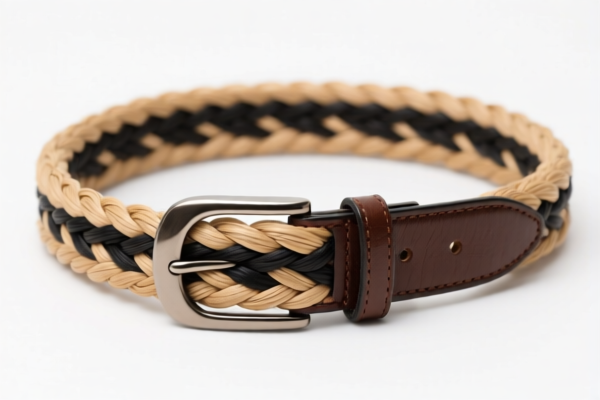
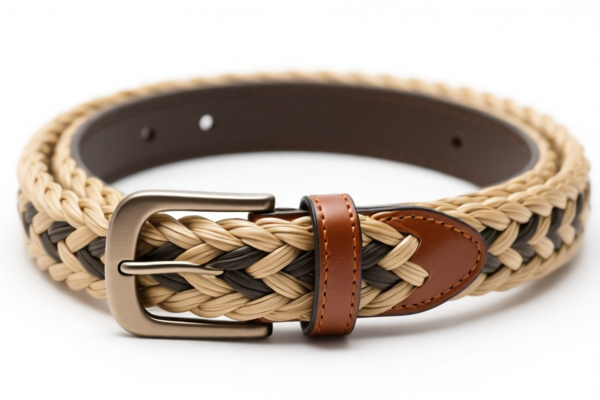
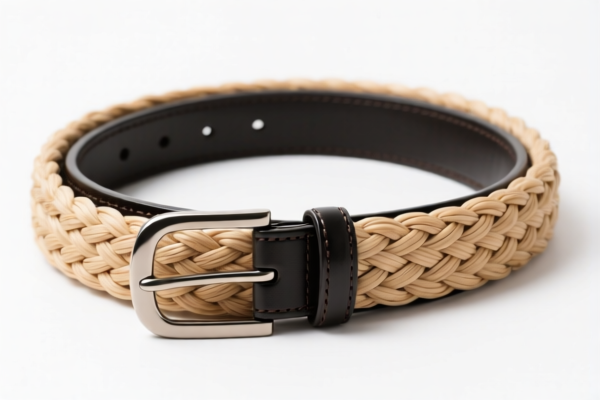
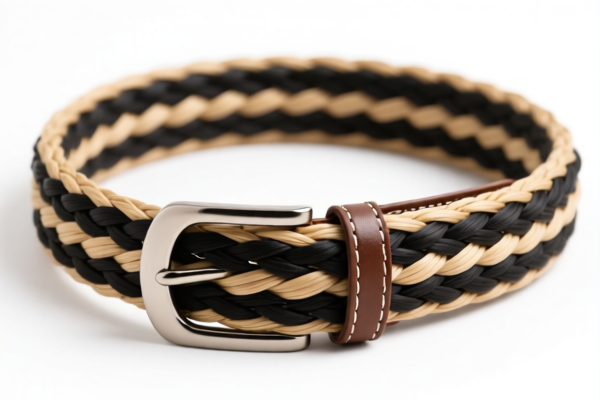
AI Analysis
🧶 Braided Belts of Other Textile Materials (Other Fiber Braided Belts)
🌐 HS Code Reference & Customs Clearance Guide | 2026 Latest Tariff Analysis | Professional Clearance Strategy
📌 I. Product Definition & Classification: Do You Really Understand "Braided Belts"?
Braided belts (often referred to as "other fiber braided belts") are flexible, flexible-fastening articles primarily made from synthetic or natural fibers, distinct from metal wire ropes or plastic belts. In international trade, their classification hinges on two critical factors: Material Composition and Physical Form.
1. Metal Braided Belts (Wire Ropes): If the belt is primarily made of steel, aluminum, or copper wires, it falls under Chapter 73 (Articles of Iron or Steel). * Key Characteristic: High tensile strength, metallic sheen, used for lifting, towing, or industrial transmission.
2. Textile Braided Belts (Ropes/Cables): If the belt is made of man-made fibers (polyester, nylon) or natural fibers (cotton, hemp) in a braided configuration, it is classified under Chapter 56 (Wadding, felt and nonwovens; special yarns; string, cord, rope, cables and articles thereof). * Key Characteristic: Flexible, non-metallic, used for tying, securing, decorative purposes, or light-duty mechanical transmission.
⚠️ Critical Distinction Point:
- If the primary material is metal wire → Classify under HS 7312 (Steel/Iron Wire Ropes).
- If the primary material is textile fiber (plastic/organic) → Classify under HS 5607 (Ropes/Cords) or HS 3926 (Plastic Articles), depending on specific construction.
- "Braided" (编织) vs. "Stranded" (绞合): Braiding implies a complex interlacing of threads, often used for flexibility. Stranding is more common in metal wires.
📦 II. HS Code Classification Details (2026 Latest Tariff Authority Comparison)
Based on the provided data, here are the four most relevant HS Codes for "Other Fiber Braided Belts," along with their logical justification and tax implications.
| HS Code | Product Description | Logical Justification (Why this Code?) | Material/Form Context |
|---|---|---|---|
7312.10.90.90 |
Steel Wire Ropes and Cables (Other) | Material Match: If the "braided belt" is actually made of metal wires (steel/iron). Form Match: Braided metal wires fit the definition of "Wire Ropes & Cables." |
🚫 Not textile. Only if metallic. |
5607.49.10.00 |
Other Ropes, Cordage, Cables (Of Synthetic Fibers) | Form Match: "Braided belt" fits the "Rope/Cord" morphology. Logic: "Other" category captures items not specifically excluded. Synthetic fibers (polyester, nylon) are common. |
✅ Synthetic Textile |
5607.90.90.00 |
Other Ropes, Cordage, Cables (Of Other Textile Materials) | Form Match: Fits "Rope/Cable" category. Logic: "Other" is the residual category. If not synthetic (e.g., cotton, hemp, jute), it falls here. |
✅ Natural Textile |
3926.90.60.90 |
Other Articles of Plastic (Plastic Belts) | Form Match: Classified as a "Strip/Belt" (带状) rather than a rope. Material: Primarily plastic/polymer. Fits "Other plastic articles." |
✅ Plastic Polymer |
🔍 Key Reminder:
- Misclassification Risk: Many users confuse Plastic Belts (3926) with Textile Ropes (5607).
- If it’s stiff, smooth, and plastic →3926.
- If it’s soft, fuzzy, and fibrous →5607.
- If it’s metallic →7312.
- US Trade Wars: All these codes are subject to Section 301 (25%) and Section 232/IEEPA tariffs if originating from China.
💰 III. 2026 Latest Tariff Rate Details (Including Additional Taxes & Policy Surcharges)
✅ Applicable Country: United States (US)
✅ Origin: China (CN)
✅ Effective Time: Post-2025 (Current Trade War Environment)
🎯 1. 7312.10.90.90 —— Steel Wire Ropes (Metallic)
| Item | Content |
|---|---|
| Base Tariff | 0.0% (ad valorem) |
| Section 301 Additional Tariff | +25.0% |
| Section 232/IEEPA Steel Tariff | +50.0% (122 Clause: Steel/Aluminum/Copper products) |
| Total Tax Rate | 85.0% |
| Tax Calculation | CIF Value × 85% |
| De Minimis Exemption | ❌ Denied (High risk of audit) |
| Legal Basis Path | USITC:7312.10.90.90 → FOOTNOTE:232 → Section 301 |
📌 Explanation:
- 85% Total Tax: This is an extremely high tariff. It combines the base rate (0%), Section 301 (25%), and the massive Section 232 steel tariff (50%).
- Warning: Only applicable if the product is definitely metallic. If you declare textile ropes as steel to avoid texture checks, you risk severe penalties.
🎯 2. 5607.49.10.00 —— Synthetic Fiber Braided Belts (Ropes/Cords)
| Item | Content |
|---|---|
| Base Tariff | 2.7% |
| Section 301 Additional Tariff | +25.0% |
| Section 122/IEEPA Additional | +10.0% |
| Total Tax Rate | 37.7% |
| Tax Calculation | CIF Value × 37.7% |
| De Minimis Exemption | ❌ Denied |
| Legal Basis Path | IEEPA:9903.01.25 → Section 301 → USITC:5607.49.10.00 |
📌 Explanation:
- 37.7% Total Tax: Applies to synthetic (polyester, nylon, polypropylene) braided belts.
- Breakdown: Base (2.7%) + 301 (25%) + IEEPA (10%).
- Logic: The "Other" category covers braided items not specifically listed elsewhere.
🎯 3. 5607.90.90.00 —— Natural/Other Textile Braided Belts
| Item | Content |
|---|---|
| Base Tariff | 6.3% |
| Section 301 Additional Tariff | +25.0% |
| Section 122/IEEPA Additional | +10.0% |
| Total Tax Rate | 41.3% |
| Tax Calculation | CIF Value × 41.3% |
| De Minimis Exemption | ❌ Denied |
| Legal Basis Path | IEEPA:9903.01.25 → Section 301 → USITC:5607.90.90.00 |
📌 Explanation:
- 41.3% Total Tax: Applies to natural fibers (cotton, jute, hemp) or other non-synthetic textiles.
- Logic: Higher base tariff (6.3%) due to lower technological classification compared to synthetics.
🎯 4. 3926.90.60.90 —— Plastic Braided Belts (Strips/Belts)
| Item | Content |
|---|---|
| Base Tariff | 4.2% |
| Section 301 Additional Tariff | +25.0% |
| Section 122/IEEPA Additional | +10.0% |
| Total Tax Rate | 39.2% |
| Tax Calculation | CIF Value × 39.2% |
| De Minimis Exemption | ❌ Denied |
| Legal Basis Path | IEEPA:9903.01.25 → Section 301 → USITC:3926.90.60.90 |
📌 Explanation:
- 39.2% Total Tax: Applies if the product is considered a plastic belt/strip rather than a rope.
- Key Distinction: If the product is flat, wide, and plastic, customs may view it as a "belt" (3926) rather than a "rope" (5607).
🛠️ IV. Customs Clearance Practical Advice (Field Avoidance Guide)
✅ 1. Required Documentation Checklist (Non-Negotiable)
| Document | Must Provide? | Explanation |
|---|---|---|
| ✅ Product Specification Sheet | ✔️ | Must specify: Material (e.g., 100% Polyester), Diameter, Weave Type, Strength Rating. |
| ✅ Product Photos | ✔️ | Clear images showing the braided texture, ends (heat-sealed/whipped), and any labels. |
| ✅ Material Composition Certificate | ✔️ | Crucial to distinguish between Plastic (3926), Synthetic Textile (5607.49), or Natural Textile (5607.90). |
| ✅ Commercial Invoice | ✔️ | Description must be precise: "Braided Belt, Synthetic Fiber, for Industrial Use." Avoid vague terms like "String." |
| ✅ Packing List | ✔️ | Show weight and dimensions. |
| ✅ Origin Certificate | ✔️ | If not China, to potentially reduce tariffs (though US tariffs are often broad). |
✅ 2. Declaration Tips (Key Mnemonics)
🔥 "Material First, Form Second, Avoid Metal Trap!"
| Scenario | Correct Declaration | Wrong Practice |
|---|---|---|
| Polyester Braided Rope | 5607.49.10.00 |
Declare as 3926 (Plastic) → Risk of misclassification penalty. |
| Cotton Braided Cord | 5607.90.90.00 |
Declare as 5607.49 → Incorrect material code. |
| Steel Braided Cable | 7312.10.90.90 |
Declare as 5607 → Huge Tariff Risk (85% vs 37%). |
| Plastic Braided Strap | 3926.90.60.90 |
Declare as 5607 → Incorrect material. |
📌 Note on "Braided":
- Customs officers will check the tactile and visual properties.
- Metallic glint? →7312.
- Shiny, smooth, stiff? →3926(Plastic).
- Matte, fibrous, flexible? →5607(Textile).
✅ 3. Special Circumstances Handling
| Situation | Handling Advice |
|---|---|
| Mixed Material (e.g., Plastic Core + Nylon Cover) | Declare based on the primary function or outer layer. If the nylon cover determines use, use 5607. |
| OEM Custom Colors/Brands | Provide brand authorization letters to avoid IP disputes. |
| Small Samples (De Minimis) | ❌ Do Not Use De Minimis. With tariffs >30%, small shipments are not worth the risk of audit. Declare properly. |
| Re-Export from Third Country | Ensure the Substantial Transformation test is met to change origin. |
🌍 V. Global Market Clearance Comparison (2026 Latest)
| Country/Region | Recommended HS Code | Tariff (China Origin) | Certification Required | Notes |
|---|---|---|---|---|
| 🇺🇸 United States | 5607.49.10.00 (Synthetic) |
37.7% | N/A (No specific certs for ropes) | High tariffs due to Section 301 + IEEPA. |
| 🇺🇸 United States | 7312.10.90.90 (Metal) |
85.0% | N/A | Avoid if possible; extremely costly. |
| 🇨🇳 China | 5607.49.10.00 |
6.0% | N/A | Low entry barrier. |
| 🇪🇺 EU | 5607.49.10.00 |
0% (Most MFN rates) | CE (if safety-critical) | No trade war tariffs. |
| 🇬🇧 UK | 5607.49.10.00 |
0% | UKCA | Post-Brexit, generally favorable. |
📌 Conclusion:
- The US is the hardest market for braided belts due to 37.7% - 85% tariffs.
- EU/UK/Asia offer significantly better tariff structures.
- Supply Chain Strategy: Consider sourcing from Vietnam, Mexico, or India for US-bound goods to avoid Section 301/IEEPA tariffs.
📌 VI. Common Mistakes & Pitfalls Guide (Lessons Learned)
❌ Mistake 1: Declaring Steel Cables as Textile Ropes
👉 Consequence: 85% Tariff vs 37.7%. If caught, fraud penalties apply.
❌ Mistake 2: Declaring Plastic Belts as Textile Ropes
👉 Consequence: Misclassification, potential detention of goods, and back-taxes.
❌ Mistake 3: Using vague descriptions like "Braided Belt" without material specification
👉 Consequence: Customs will assign the highest possible duty or demand costly lab testing.
❌ Mistake 4: Ignoring Section 232 Steel Tariffs for metallic items
👉 Consequence: 50% surcharge on top of Section 301. Total 85%.
✅ Correct Approach:
"Braided Belt, 10mm, 100% Polyester, Heat-Sealed Ends, Industrial Use, Model XYZ"
🎯 VII. Conclusion: Precision in Classification Saves Money!
🎯 Remember the Mnemonic:
🔹 "Metal is 85%, Synthetic is 37%, Plastic is 39%, Textile is 41%. Choose Right, Save Thousands!"
🔹 "HS Code is Life, Tax Difference is Death. Declare Accurately, Sleep Well at Night!"
📌 Pro Tip:
If your braided belts are originally made in Vietnam, Mexico, or Thailand, you may qualify for IEEPA/Section 301 Exemptions, reducing taxes to 0% - 5%.
Recommendation: Apply for an Advance Ruling (Pre-classification) with US Customs (CBP) before shipment.
📣 Immediate Action:
📞 Contact Professional Customs Broker + Provide Product Photos + Apply for HS Code Pre-Ruling
🚀 Let Your Braided Belts Clear Smoothly, Ship Efficiently, and Maximize Profits!
✨ Professional Clearance Starts with Accurate Classification!
💼 Every Cent of Cost Deserves Precise Calculation!
Customer Reviews
About HS Code Classification
The Harmonized System (HS) is an internationally standardized nomenclature developed by the World Customs Organization (WCO) to classify traded products. Over 200 countries use the HS system as the basis for customs tariffs, trade statistics, and import/export regulations.
Each HS code follows a hierarchical structure:
- Chapter (2 digits) — Broad category of goods (e.g., Chapter 84: Machinery and Mechanical Appliances)
- Heading (4 digits) — More specific grouping within the chapter
- Subheading (6 digits) — Internationally standardized breakdown, used by all WCO member countries
- National subdivisions (8-10 digits) — Country-specific extensions for further classification, such as US HTSUS 10-digit codes
Correct HS code classification is essential for smooth customs clearance, accurate duty payment, and compliance with trade regulations. Misclassification can lead to customs delays, overpayment of duties, or penalties.
When importing from CN to US, the applicable tariff rates may include:
- Most-Favored-Nation (MFN) rate — The standard duty rate applied to WTO members
- General rate — Applied to countries without trade agreements
- Trade remedy duties — Additional tariffs such as Section 301 (anti-dumping), Section 232 (national security), or countervailing duties
The information provided on this page is for reference purposes only. For official classification, please consult with your local customs authority or a licensed customs broker.