other leather products
CN → US| HS Code | Tariff Rate | Origin | Destination | Doc |
|---|---|---|---|---|
| 4114100000 | 38.2% | CN | US | Official Doc |
| 4106910000 | 38.3% | CN | US | Official Doc |
| 4113903000 | 38.3% | CN | US | Official Doc |
| 4113906000 | 36.6% | CN | US | Official Doc |
| 4114207000 | 36.6% | CN | US | Official Doc |
Product Images
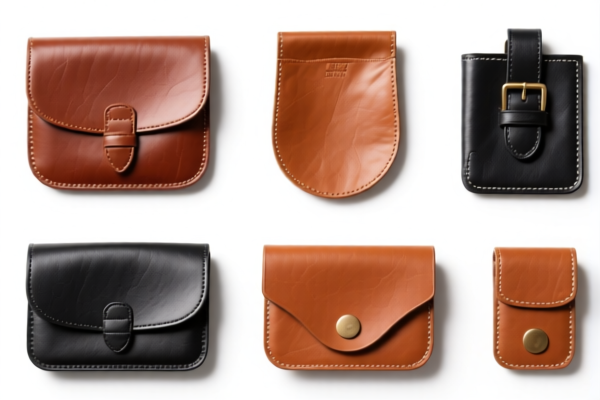
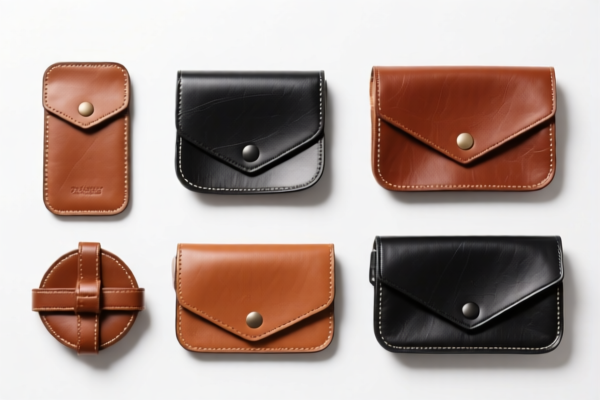
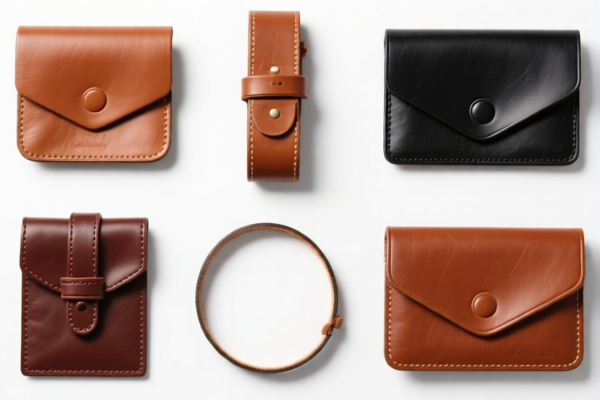
AI Analysis
👞 Other Leather Products (General Category)
🌐 HS Code Reference & Customs Clearance Guide | 2026 Latest Tariff Analysis | Professional通关 Strategy
📌 I. Product Definition & Classification: What Exactly is "Other Leather"?
In international trade, "Other Leather" is a broad residual category often used for hides and skins that have undergone tanning or further processing but do not fit into specific standard categories like "fur skins" or "chamois." The classification heavily depends on the state of processing (tanned vs. semi-tanned) and the origin/animal type.
⚠️ Key Distinction:
- If the leather is fully tanned and finished (soft, pliable) → Look at Heading 4114.
- If the leather is tanned or semi-tanned (raw or partially processed) → Look at Heading 4106.
- If it is further processed (e.g., composed leather, reconstituted) → Look at Heading 4113.
📦 II. HS Code Classification Details (2026 Latest Tariff Authority Comparison)
Based on the provided data, here are the applicable HS Codes for "Other Leather Products" with their specific descriptions and tax implications.
| HS Code | Product Description | Summary | Applicable Scenario |
|---|---|---|---|
4114.10.00.00 |
Other soft leather, meeting material requirements, no conflict | Soft Leather | Finished, pliable leather goods (e.g., for bags, shoes, gloves). |
4106.91.00.00 |
Tanned or semi-tanned leather, matching successful | Tanned/Semi-Tanned | Raw or partially processed hides/skins ready for further manufacture. |
4113.90.30.00 |
Other animal leather, further processed | Further Processed | Composite leathers or leathers with added treatments not covered elsewhere. |
4113.90.60.00 |
Animal leather, no morphological or usage conflict | No Conflict Animal Leather | Standard animal leather that doesn't fit other specific sub-headings. |
4114.20.70.00 |
Leather material, consistent with other categories' characteristics | Characteristics Match | Leathers that share traits with specific industrial uses but fall under "other." |
🔍 Key Reminder:
- All listed codes attract high additional tariffs due to US-China trade tensions.
- No de minimis exemption applies to these items.
- Classification must be precise based on the exact state of the leather (tanned vs. finished) to avoid customs delays.
💰 III. 2026 Latest Tariff Rate Breakdown (Including Surtaxes & Policy Add-ons)
✅ Applicable Country: United States (US)
✅ Origin: China (CN)
✅ Effective Date: From November 10, 2025 (including subsequent imports)
🎯 1. 4114.10.00.00 – Other Soft Leather
| Item | Content |
|---|---|
| Basic Duty Rate | 3.2% (Ad Valorem) |
| Section 301 Surtax | +25.0% (USITC Footnote 9903.88.01) |
| Section 122 Tariff | +10.0% (Special provision for specific leather products) |
| Total Tax Rate | 38.2% |
| Tax Calculation | CIF Value × 38.2% |
| De Minimis Exemption | ❌ Not Available (deny_de_minimis) |
| Legal Basis Path | USITC:4114.10.00.00 → SECTION_301:9903.88.01 → SECTION_122 |
📌 Explanation:
- The 25% comes from the Trade Act Section 301 "Additional Duties."
- The 10% is a specific Section 122 tariff applied to certain leather imports to protect domestic industries.
- The 3.2% is the standard MFN (Most Favored Nation) basic duty.
- Total 38.2% is a significant cost factor that must be factored into pricing.
🎯 2. 4106.91.00.00 – Tanned or Semi-Tanned Leather
| Item | Content |
|---|---|
| Basic Duty Rate | 3.3% |
| Section 301 Surtax | +25.0% |
| Section 122 Tariff | +10.0% |
| Total Tax Rate | 38.3% |
| Tax Calculation | CIF Value × 38.3% |
| De Minimis Exemption | ❌ Not Available |
| Legal Basis Path | USITC:4106.91.00.00 → SECTION_301:9903.88.01 → SECTION_122 |
📌 Note:
- This code applies to unfinished or partially finished leather.
- Slightly higher basic duty (3.3%) compared to4114.10.00.00(3.2%).
- The 38.3% total rate is the highest among the listed codes.
🎯 3. 4113.90.30.00 – Other Animal Leather, Further Processed
| Item | Content |
|---|---|
| Basic Duty Rate | 3.3% |
| Section 301 Surtax | +25.0% |
| Section 122 Tariff | +10.0% |
| Total Tax Rate | 38.3% |
| Tax Calculation | CIF Value × 38.3% |
| De Minimis Exemption | ❌ Not Available |
📌 Note:
- Applies to leather that has undergone additional processing (e.g., embossing, coating) beyond standard tanning.
- Identical tax structure to4106.91.00.00.
🎯 4. 4113.90.60.00 – Animal Leather, No Conflict
| Item | Content |
|---|---|
| Basic Duty Rate | 1.6% |
| Section 301 Surtax | +25.0% |
| Section 122 Tariff | +10.0% |
| Total Tax Rate | 36.6% |
| Tax Calculation | CIF Value × 36.6% |
| De Minimis Exemption | ❌ Not Available |
📌 Note:
- This code has a lower basic duty (1.6%) due to specific trade agreements or categorization nuances.
- Total 36.6% is the lowest among the listed options, making it the most tax-efficient if applicable.
🎯 5. 4114.20.70.00 – Leather Material, Characteristics Match
| Item | Content |
|---|---|
| Basic Duty Rate | 1.6% |
| Section 301 Surtax | +25.0% |
| Section 122 Tariff | +10.0% |
| Total Tax Rate | 36.6% |
| Tax Calculation | CIF Value × 36.6% |
| De Minimis Exemption | ❌ Not Available |
📌 Note:
- Similar to4113.90.60.00, this code benefits from a lower basic duty (1.6%).
- Use this if the leather’s characteristics align with specific industrial or commercial uses defined under this sub-heading.
🛠️ IV. Customs Clearance Practical Advice (Practical Pitfall Avoidance Guide)
✅ 1. Required Documentation Checklist (Non-Negotiable)
| Document | Must Provide | Explanation |
|---|---|---|
| ✅ Product Specification Sheet | ✔️ | Details on animal type, tanning process, finish, and dimensions. |
| ✅ Material Composition Certificate | ✔️ | Proves whether it’s genuine leather or composite. |
| ✅ Product Photos (Including Label) | ✔️ | Clear images of texture, backside, and any markings. |
| ✅ Third-Party Test Report | ✔️ | Tanning agent test, chromate test, or durability reports (if required). |
| ✅ Commercial Invoice | ✔️ | Must clearly state "Tanned Leather," "Soft Leather," etc., matching HS Code. |
| ✅ Packing List | ✔️ | Details weight, dimensions, and packaging type. |
| ✅ Certificate of Origin (CO) | ✔️ | Critical for verifying Chinese origin and applying correct surtaxes. |
✅ 2. Declaration Tips (Key Mantra)
🔥 "State the Finish, Declare the Process, Match the Code, Avoid the Fine!"
| Scenario | Correct Declaration | Wrong Practice |
|---|---|---|
| Soft, finished leather | 4114.10.00.00 (38.2%) |
Misdeclare as "raw leather" → 38.3% + penalty |
| Raw/semi-tanned leather | 4106.91.00.00 (38.3%) |
Misdeclare as "finished" → Potential classification error |
| Composite/processed leather | 4113.90.30.00 (38.3%) |
Declare as "simple animal leather" → 4113.90.60.00 (36.6%)? Risky |
| Leather with specific traits | 4114.20.70.00 (36.6%) |
Generic declaration → Higher basic duty |
✅ 3. Special Case Handling
| Situation | Handling Advice |
|---|---|
| OEM Custom Leather | Provide client order + design specs. Avoid vague terms like "leather product." |
| Leather Waste/Scraps | May fall under different HS codes (e.g., 4115). Do not declare as "other leather." |
| Leather for Medical Use | If for implants or specialized medical devices, check for exempt categories. |
| Leather for Military/Aerospace | May qualify for special duty rates or exemptions; consult with customs broker. |
🌍 V. Global Market Customs Clearance Comparison (2026 Latest)
| Country/Region | Recommended HS Code | Tariff (China Origin) | Certification Required | Notes |
|---|---|---|---|---|
| 🇺🇸 USA | 4114.10.00.00 / 4106.91.00.00 |
38.2% - 38.3% | None specific for leather | High surtaxes; no de minimis. |
| 🇨🇳 China | 4114.10.00.00 |
3.2% (Basic) + Local Taxes | CCC (if applicable) | No additional US-style surtaxes. |
| 🇪🇺 EU | 4114.10.00 |
4.5% (Standard) | REACH (Chemical Safety) | No Section 301/122 equivalents. |
| 🇬🇧 UK | 4114.10.00 |
4.5% | UKCA (if applicable) | Post-Brexit rules apply. |
| 🇯🇵 Japan | 4114.10.00 |
5.0% | None | Low basic duty, no surtaxes. |
📌 Conclusion:
- USA is the most expensive market for Chinese leather due to Section 301 + Section 122 tariffs.
- EU, UK, Japan, and China offer significantly lower basic duties.
- Strategy: If targeting the US, consider supply chain diversification (e.g., Vietnam, Mexico) to avoid high tariffs.
📌 VI. Common Mistakes & Pitfall Avoidance (Lessons Learned)
❌ Mistake 1: Declaring "Soft Leather" as "Raw Leather"
👉 Consequence: Basic duty drops from 3.2% to 1.6%, but Section 122 may not apply? Risk: Customs may reclassify, leading to penalties and delays.
❌ Mistake 2: Ignoring Section 122 Tariff
👉 Consequence: Importers forget the 10% addition, leading to underpayment and liens.
❌ Mistake 3: Vague Description ("Leather Goods")
👉 Consequence: Customs cannot determine the exact HS Code, leading to detention and additional testing.
❌ Mistake 4: Using "De Minimis" for Leather Shipments
👉 Consequence: Leather is excluded from de minimis exemptions. Attempting to split shipments to avoid duty will result in seizure.
✅ Correct Practice:
"Soft Tanned Cowhide Leather, Finished, for Footwear, Grade A, Chinese Origin"
HS Code:4114.10.00.00
Total Duty: 38.2%
🎯 VII. Conclusion: Professional Declaration, Time-Saving, Cost-Effective!
🎯 Remember the Mantra:
🔹 "Finish Determines Code, Surtax Adds 35%, No De Minimis, Think Twice!"
🔹 "HS Code Dictates Cost, 1.6% vs 3.3% Matters, Declare Accurately, Save Thousands!"
📌 Tips:
- If your leather is originated in Vietnam, Mexico, or Thailand, you may avoid Section 301 and 122 tariffs, reducing the rate to basic duty only (1.6% - 3.3%).
- Apply for Advance Rulings to confirm HS Code classification before shipment.
📣 Take Action Now:
📞 Contact a professional customs broker + Provide product images + Apply for HS Code Advance Ruling
🚀 Ensure your leather products clear customs smoothly, efficiently, and profitably!
✨ Professional Customs Clearance Starts with Precise Classification!
💼 Every cent of cost deserves precise calculation!
Customer Reviews
About HS Code Classification
The Harmonized System (HS) is an internationally standardized nomenclature developed by the World Customs Organization (WCO) to classify traded products. Over 200 countries use the HS system as the basis for customs tariffs, trade statistics, and import/export regulations.
Each HS code follows a hierarchical structure:
- Chapter (2 digits) — Broad category of goods (e.g., Chapter 84: Machinery and Mechanical Appliances)
- Heading (4 digits) — More specific grouping within the chapter
- Subheading (6 digits) — Internationally standardized breakdown, used by all WCO member countries
- National subdivisions (8-10 digits) — Country-specific extensions for further classification, such as US HTSUS 10-digit codes
Correct HS code classification is essential for smooth customs clearance, accurate duty payment, and compliance with trade regulations. Misclassification can lead to customs delays, overpayment of duties, or penalties.
When importing from CN to US, the applicable tariff rates may include:
- Most-Favored-Nation (MFN) rate — The standard duty rate applied to WTO members
- General rate — Applied to countries without trade agreements
- Trade remedy duties — Additional tariffs such as Section 301 (anti-dumping), Section 232 (national security), or countervailing duties
The information provided on this page is for reference purposes only. For official classification, please consult with your local customs authority or a licensed customs broker.