other plastic plates for printing
CN → US| HS Code | Tariff Rate | Origin | Destination | Doc |
|---|---|---|---|---|
| 3926909400 | 35.0% | CN | US | Official Doc |
| 3926100000 | 15.3% | CN | US | Official Doc |
| 8442501000 | 35.0% | CN | US | Official Doc |
| 8442509000 | 17.5% | CN | US | Official Doc |
Product Images
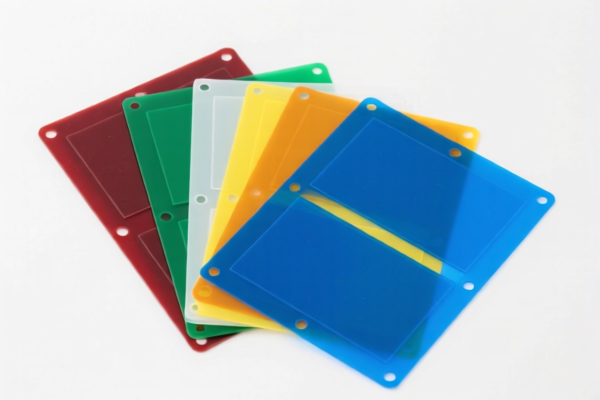
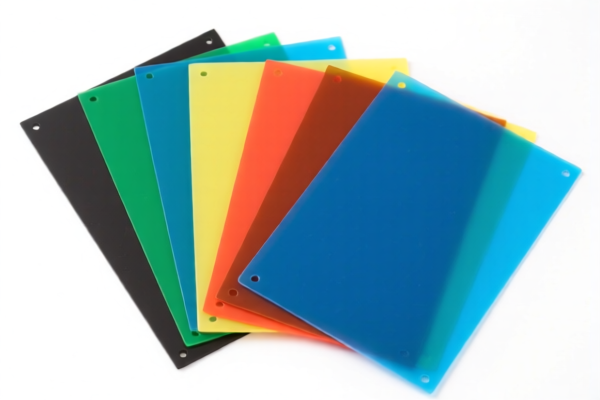
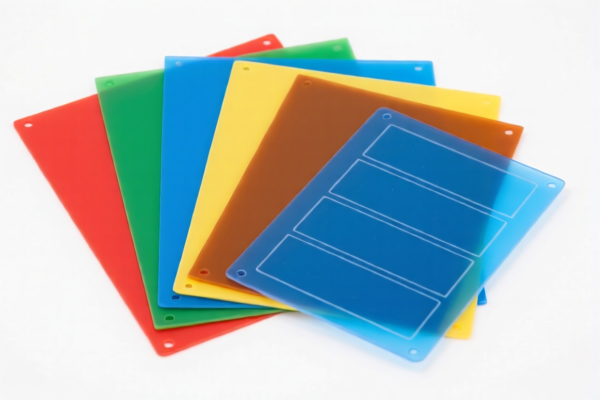
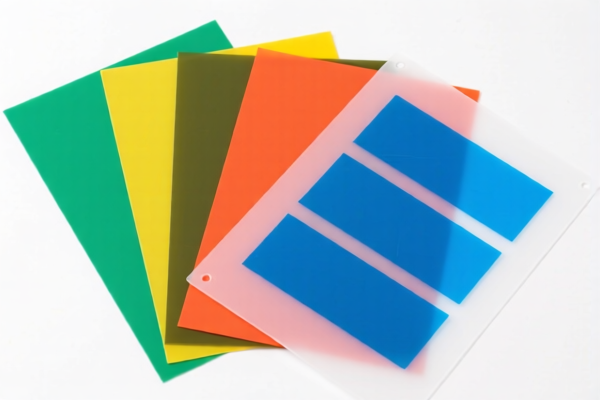
AI Analysis
🖨️ Other Plastic Plates for Printing (印刷用其他塑料板)
🌐 HS Code Reference & Customs Clearance Guide | 2026 Latest Tariff Analysis | Professional Customs Strategy
📌 I. Product Definition & Classification: Do You Really Understand "Plastic Printing Plates"?
"Other plastic plates for printing" is a broad category in international trade. It generally refers to non-metallic, non-photopolymerized imaging elements used in printing processes (offset, flexo, gravure, or digital). In customs classification, these are split based on their specific form, technical integration, and end-use.
The key distinction lies between: 1. Raw/Blank Plates: Simple plastic sheets ready for processing or specific industrial use (Chapter 39). 2. Finished Printing Components: Plates that are specifically shaped or prepared for use as parts of a printing machine or as a complete printing plate unit (Chapter 84).
⚠️ Critical Distinction Point:
- If it is a generic plastic sheet used for printing purposes (e.g., blank polyester sheets, vinyl films) without being a "printing plate" in the mechanical sense → HS 3926.90.94.00.
- If it is a printing plate (a finished component for a printing press, often including photopolymer or specific offset plates) → HS 8442 series.
- Note: Even within HS 8442, classification depends on whether it is a "printing plate" (印版) specifically designed for the machine.
📦 II. HS Code Classification Details (2026 Latest Tariff Authority Comparison)
| HS Code | Product Description | Applicability | Key Feature |
|---|---|---|---|
3926.90.94.00 |
Other plastic articles (Plastic material, sheet form, used for printing plastic products) | General printing substrates, blank plastic sheets, decorative printing sheets | ❌ Not a mechanical "printing plate" (印版) |
3926.10.00.00 |
Plastic articles for office or school supplies (Plastic material, printing plates for office/school use) | Office laser printers, school printing machines, simple desktop printing plates | ✅ Specific to office/school context |
8442.50.10.00 |
Plastic printing plates (Plastic material, printing plates, meets definition of printing components) | Industrial offset plates, photopolymer plates for commercial presses | ✅ Meets "Printing Component" definition |
8442.50.90.00 |
Other printing plates (Other plastic printing plates, for printing, no conflict in material/use) | Specialized plastic plates not covered above, niche industrial printing components | ✅ Other industrial printing plates |
🔍 Key Reminder:
- HS 8442 is for "Printing Machinery" parts/components. If the item is a finished printing plate used in a press, it belongs here.
- HS 3926 is for "Other Plastic Articles". If it’s a generic sheet or office supply not strictly a "press plate," it may fall here.
- Misclassification Risk: Declaring an industrial printing plate as "Plastic Sheet" (3926) to avoid higher tariffs can lead to customs penalties if proven to be a "printing plate" (8442).
💰 III. 2026 Latest Tariff Rate Breakdown (Including Additional Taxes & Policy Surcharges)
✅ Applicable Country: United States (US)
✅ Origin: China (CN)
✅ Effective Date: November 10, 2025 (and subsequent imports)
🎯 1. 3926.90.94.00 —— Other Plastic Articles (Plastic Sheets for Printing)
| Item | Details |
|---|---|
| Base Rate | 0% (ad valorem) |
| Section 301 Additional Duty | +25% |
| IEEPA Additional Duty (Section 122) | +10% (针对中国产品) |
| Total Rate | 35.0% |
| Tax Calculation | CIF Value × 35% |
| De Minimis Eligibility | ❌ Not Eligible (deny_de_minimis) |
| Legal Basis Path | IEEPA:9903.01.25 → USITC:3926.90.94.00 → FOOTNOTE:301 |
📌 Explanation:
- This code is often used for blank plastic printing sheets or general plastic printing accessories.
- Despite a 0% base rate, the 35% total tariff makes it expensive.
- Common Use: Industrial plastic films, blank offset plates that are not yet imaged.
🎯 2. 3926.10.00.00 —— Plastic Articles for Office or School Supplies
| Item | Details |
|---|---|
| Base Rate | 5.3% |
| Section 301 Additional Duty | 0% |
| IEEPA Additional Duty (Section 122) | +10% |
| Total Rate | 15.3% |
| Tax Calculation | CIF Value × 15.3% |
| De Minimis Eligibility | ❌ Not Eligible (deny_de_minimis) |
| Legal Basis Path | IEEPA:9901.25 → USITC:3926.10.00.00 → FOOTNOTE:122 |
📌 Explanation:
- Applies only if the plastic printing plates are explicitly for office or school use (e.g., small desktop laser printer plates, school project printing materials).
- Lower Total Rate (15.3%) compared to industrial plates, but strict usage limitation.
- Warning: Industrial printing plates misclassified here will face severe penalties.
🎯 3. 8442.50.10.00 —— Plastic Printing Plates (Printing Components)
| Item | Details |
|---|---|
| Base Rate | 0% |
| Section 301 Additional Duty | +25% |
| IEEPA Additional Duty (Section 122) | +10% |
| Total Rate | 35.0% |
| Tax Calculation | CIF Value × 35% |
| De Minimis Eligibility | ❌ Not Eligible (deny_de_minimis) |
| Legal Basis Path | IEEPA:9903.01.25 → USITC:8442.50.10.00 → FOOTNOTE:9903.88.01 |
📌 Explanation:
- For industrial-grade plastic printing plates that fit the definition of "printing components."
- Includes photopolymer plates, CTP plates (if plastic substrate), and other press-ready plates.
- High Rate (35%) reflects the "manufactured component" status under Chapter 84.
🎯 4. 8442.50.90.00 —— Other Printing Plates
| Item | Details |
|---|---|
| Base Rate | 0% |
| Section 301 Additional Duty | +7.5% |
| IEEPA Additional Duty (Section 122) | +10% |
| Total Rate | 17.5% |
| Tax Calculation | CIF Value × 17.5% |
| De Minimis Eligibility | ❌ Not Eligible (deny_de_minimis) |
| Legal Basis Path | IEEPA:9901.25 → USITC:8442.50.90.00 → FOOTNOTE:122 |
📌 Explanation:
- A "catch-all" for other plastic printing plates not specifically covered in 8442.50.10.00.
- Lower Total Rate (17.5%) due to a reduced Section 301 rate (7.5% vs. 25%).
- Strategic Choice: If your plastic printing plate qualifies as "other" (not a standard press plate component), this may be the most cost-effective option, provided it meets customs definitions.
🛠️ IV. Customs Clearance Practical Advice (Battle-Tested Pitfall Avoidance Guide)
✅ 1. Preparation Checklist (All Mandatory)
| Document | Required | Details |
|---|---|---|
| ✅ Product Specification Sheet | ✔️ | Material type (PET, PE, etc.), thickness, size, intended printing method |
| ✅ Usage Description | ✔️ | Explicitly state "Office Use" (for 3926.10) or "Industrial Printing Plate" (for 8442) |
| ✅ Product Photos | ✔️ | Show the item’s form factor; is it a "sheet" or a "mounted plate"? |
| ✅ Certificate of Origin (CO) | ✔️ | If non-China origin, may qualify for exemptions |
| ✅ Commercial Invoice | ✔️ | Describe as "Plastic Printing Plate for [Specific Use]" |
| ✅ Packing List | ✔️ | Clear description of contents |
✅ 2. Declaration Tactics (Key Mantras)
🔥 "Clarify Use, Specify Form, Avoid 'Generic' Labels!"
| Scenario | Correct Declaration | Wrong Practice |
|---|---|---|
| Industrial Offset Plate | 8442.50.10.00 |
Misdeclare as "Plastic Sheet" → 35% vs. potential 17.5% risk |
| Office Laser Printer Plate | 3926.10.00.00 |
Misdeclare as "Industrial Plate" → Higher base rate risk |
| Blank Plastic Film for Printing | 3926.90.94.00 |
Misdeclare as "Printing Plate" → Chapter 84 scrutiny |
| Niche Plastic Printing Component | 8442.50.90.00 |
Misdeclare as "Office Supply" → Audit risk |
✅ 3. Special Circumstances Handling
| Situation | Handling Advice |
|---|---|
| OEM Custom Plates | Provide client design specs to prove "Office" vs. "Industrial" use |
| Digital Printing Plates | If not a "press plate," consider 3926.90.94.00 |
| Packaging as "Printing Accessories" | If sold with press equipment, may be bundled; clarify if standalone |
| Hybrid Materials (Plastic + Metal) | If >50% plastic, may still be 8442; check customs rulings |
🌍 V. Global Market Comparison (2026 Latest)
| Country/Region | Recommended HS Code | Tariff (China Origin) | Certification | Notes |
|---|---|---|---|---|
| 🇺🇸 USA | 8442.50.90.00 |
17.5% | No specific | Lowest among industrial plates |
| 🇺🇸 USA | 3926.10.00.00 |
15.3% | No specific | Only for Office/School use |
| 🇺🇸 USA | 8442.50.10.00 |
35.0% | No specific | Standard industrial plate |
| 🇨🇳 China | 8442.50.90.00 |
5% | CCC (if applicable) | No extra surcharges |
| 🇪🇺 EU | 8442.50.90.00 |
0% (if CE compliant) | CE + RoHS | No additional tariffs |
| 🇦🇺 Australia | 8442.50.90.00 |
5% | RCM | No additional tariffs |
📌 Conclusion:
- USA is the most complex market due to Section 301 and IEEPA surcharges.
-8442.50.90.00(17.5%) is the sweet spot for non-standard plastic printing plates in the US.
-3926.10.00.00(15.3%) is best only if you can definitively prove "Office/School" use.
📌 VI. Common Mistakes & Pitfalls (Blood-Teaching Lessons)
❌ Mistake 1: Declaring an industrial printing plate as a "Plastic Sheet" (3926.90.94.00)
👉 Consequence: Customs may reclassify to 8442.50.10.00 → Still 35%, but with penalties for misdeclaration.
❌ Mistake 2: Declaring a general plastic film as a "Printing Plate" (8442)
👉 Consequence: Incorrect chapter → Delayed shipment + Audit risk.
❌ Mistake 3: Using "Office Printing Plate" for commercial press plates
👉 Consequence: Customs denies the 0% Section 301 rate → Back taxes + Interest.
✅ Correct Practice:
"Plastic Printing Plate, PET Substrate, 300mm x 400mm, for Commercial Offset Press, Model XYZ"
OR
"Plastic Office Printing Plate, for Desktop Laser Printer, Office Use Only, Model ABC"
🎯 VII. Conclusion: Professional Declaration, Cost Savings, Efficiency!
🎯 Remember the Mantra:
🔹 "Office Use = 15.3%, Niche Industrial = 17.5%, Standard Industrial = 35%."
🔹 "Chapter 84 for Plates, Chapter 39 for Sheets. Don't Mix Them!"
🔹 "HS Code Determines Your Cost. 20% Difference is Profit or Loss."
📌 Pro Tip:
If your product is originating from Vietnam, Mexico, Thailand, or Malaysia, you may apply for IEEPA Exemptions, reducing rates to 0%~5%.
Recommendation: Apply for an Advance Ruling (Pre-Classification) with US Customs to lock in the 17.5% or 15.3% rate.
📣 Immediate Action:
📞 Contact a Professional Customs Broker + Provide Product Specs + Apply for HS Code Pre-Classification
🚀 Let your plastic printing plates Clear Customs Smoothly, Maximize Profit, and Scale Globally!
✨ Professional Customs Clearance Starts with Accurate Classification!
💼 Every Cent of Your Cost Deserves Precise Calculation!
Customer Reviews
About HS Code Classification
The Harmonized System (HS) is an internationally standardized nomenclature developed by the World Customs Organization (WCO) to classify traded products. Over 200 countries use the HS system as the basis for customs tariffs, trade statistics, and import/export regulations.
Each HS code follows a hierarchical structure:
- Chapter (2 digits) — Broad category of goods (e.g., Chapter 84: Machinery and Mechanical Appliances)
- Heading (4 digits) — More specific grouping within the chapter
- Subheading (6 digits) — Internationally standardized breakdown, used by all WCO member countries
- National subdivisions (8-10 digits) — Country-specific extensions for further classification, such as US HTSUS 10-digit codes
Correct HS code classification is essential for smooth customs clearance, accurate duty payment, and compliance with trade regulations. Misclassification can lead to customs delays, overpayment of duties, or penalties.
When importing from CN to US, the applicable tariff rates may include:
- Most-Favored-Nation (MFN) rate — The standard duty rate applied to WTO members
- General rate — Applied to countries without trade agreements
- Trade remedy duties — Additional tariffs such as Section 301 (anti-dumping), Section 232 (national security), or countervailing duties
The information provided on this page is for reference purposes only. For official classification, please consult with your local customs authority or a licensed customs broker.