other sulfurated rubber vibration damping elements
CN → US| HS Code | Tariff Rate | Origin | Destination | Doc |
|---|---|---|---|---|
| 4008192000 | 35.0% | CN | US | Official Doc |
| 4008292000 | 37.9% | CN | US | Official Doc |
| 8708995500 | 37.5% | CN | US | Official Doc |
| 8708801600 | 37.5% | CN | US | Official Doc |
| 4016993000 | 35.0% | CN | US | Official Doc |
Product Images
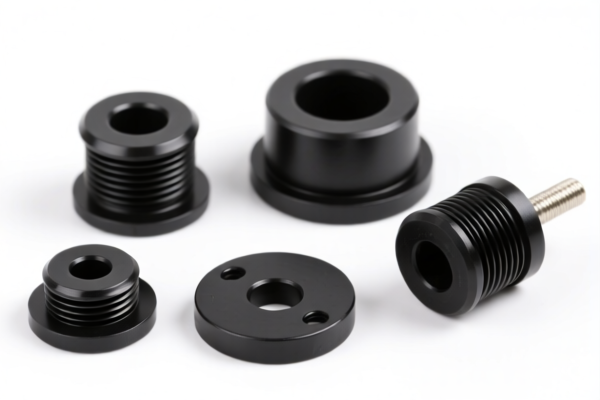
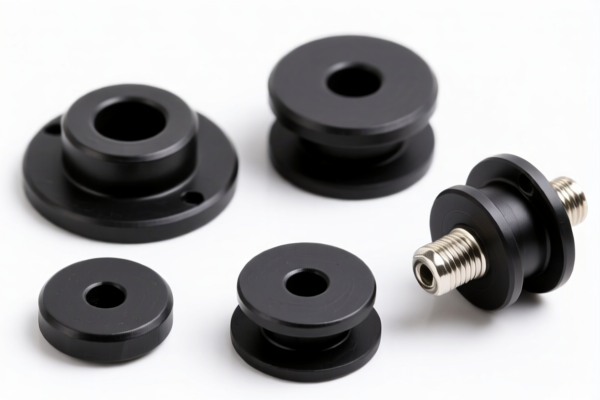
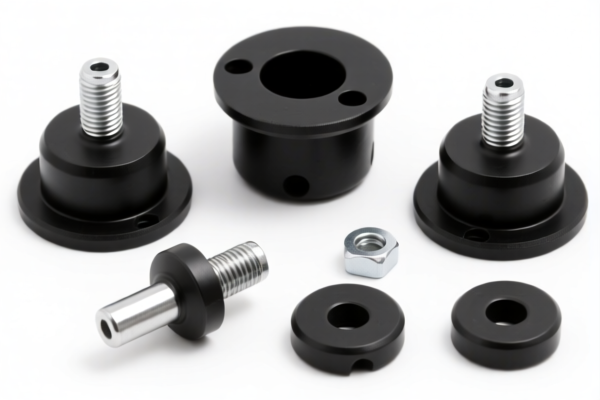
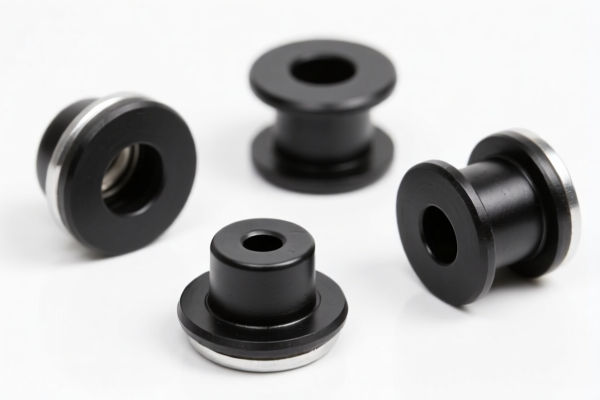
AI Analysis
🛡️ Sulfurated Rubber Vibration Damping Elements (Other)
🌐 HS Code Reference & Customs Clearance Guide | 2026 Latest Tariff Analysis | Professional Clearance Strategy
📌 I. Product Definition & Classification: What Are "Sulfurated Rubber Vibration Damping Elements"?
Sulfurated rubber vibration damping elements (often referred to as rubber mounts, bushings, or grommets) are critical components used to absorb shock, reduce noise, and isolate vibrations in machinery and vehicles. In international trade, their classification depends heavily on material composition, physical form, and specific end-use.
⚠️ Key Distinction Points:
- Form Factor: Are they extruded profiles, molded parts, or specific vehicle components?
- Material: Are they made of hard rubber, soft rubber, or specific natural/synthetic blends?
- End-Use: Are they generic industrial parts or specific auto chassis suspension components?
📦 II. HS Code Classification Matrix (2026 Latest Tariff Authorities)
The following HS Codes are derived from the provided data, covering different interpretations of "Sulfurated Rubber Vibration Damping Elements."
| HS Code | Product Description | Applicable Scenario | Material/Form Details |
|---|---|---|---|
4008.19.20.00 |
Rubber Damping Elements (Profile/Extruded) | Industrial rubber profiles, non-sulfurated or general rubber extrusions used for damping | Hard Rubber, Profile Form, "Catch-all" category inference |
4008.29.20.00 |
Sulfurated Rubber Damping Elements (Profile) | Sulfurated rubber parts, profiles, or profile-like rubber components | Sulfurated Rubber, Profile/Form resembling profile |
8708.99.55.00 |
Rubber Damping Elements (Auto Parts) | Rubber parts specifically for vehicle shock absorption | Rubber, End-use: Damping/Shock Absorption |
8708.80.16.00 |
Rubber Damping Elements (Suspension) | Rubber parts for vehicle suspension systems | Rubber, End-use: Suspension System Parts |
4016.99.30.00 |
Natural Rubber Damping Elements (Auto Accessories) | Vibration damping using natural rubber for vehicles | Natural Rubber, End-use: Vehicle Damping, Form: Accessory/Part |
🔍 Critical Note:
-4008Series: Focuses on the material form (profiles/extrusions) rather than the specific end-use. Ideal if the item is a raw rubber component used in various industries.
-8708Series: Focuses on the end-use (Automotive Parts). If the rubber element is specifically designed for a car’s suspension or chassis, this chapter is often more appropriate.
-4016Series: Specific to Natural Rubber accessories. Only apply if the material is explicitly natural rubber and not sulfurated synthetic rubber.
💰 III. 2026 Latest Tariff Rate Breakdown (Including Surcharges & Policy Add-ons)
✅ Applicable Country: United States (US)
✅ Origin: China (CN)
✅ Effective Date: 2025/2026 (Post-November 2025 policies)
🎯 1. 4008.19.20.00 — Rubber Damping Elements (Profile/Extruded)
| Item | Content |
|---|---|
| Base Tariff | 0.0% |
| Section 301 Surcharge | +25.0% (Additional Duty) |
| 122 Clause Duty | +10.0% (Specific US Policy Add-on) |
| Total Effective Rate | 35.0% |
| Tax Calculation | CIF Value × 35.0% |
| De Minimis Exemption | ❌ Not Available |
| Legal Basis Path | USITC:4008.19.20.00 → Section 301: 25% → 122 Clause: 10% |
📌 Explanation:
- This code has a 0% base tariff, but the 35% total is driven by aggressive US trade policies.
- The 122 Clause adds an extra 10% on top of the standard 301 tariff for specific Chinese rubber goods.
🎯 2. 4008.29.20.00 — Sulfurated Rubber Damping Elements (Profile)
| Item | Content |
|---|---|
| Base Tariff | 2.9% |
| Section 301 Surcharge | +25.0% (Additional Duty) |
| 122 Clause Duty | +10.0% (Specific US Policy Add-on) |
| Total Effective Rate | 37.9% |
| Tax Calculation | CIF Value × 37.9% |
| De Minimis Exemption | ❌ Not Available |
| Legal Basis Path | USITC:4008.29.20.00 → Section 301: 25% → 122 Clause: 10% |
📌 Explanation:
- Sulfurated rubber profiles carry a slightly higher base rate (2.9%) compared to non-sulfurated profiles.
- Total 37.9% is the highest among the profile-based classifications.
🎯 3. 8708.99.55.00 — Rubber Damping Elements (Auto Parts)
| Item | Content |
|---|---|
| Base Tariff | 2.5% |
| Section 301 Surcharge | +25.0% (Additional Duty) |
| 122 Clause Duty | +10.0% (Specific US Policy Add-on) |
| Total Effective Rate | 37.5% |
| Tax Calculation | CIF Value × 37.5% |
| De Minimis Exemption | ❌ Not Available |
| Legal Basis Path | USITC:8708.99.55.00 → Section 301: 25% → 122 Clause: 10% |
📌 Explanation:
- Classified under Chapter 87 (Vehicle Parts).
- Base rate is 2.5%, but with surcharges, it totals 37.5%.
- Suitable if the damping element is explicitly for vehicle shock absorption.
🎯 4. 8708.80.16.00 — Rubber Damping Elements (Suspension)
| Item | Content |
|---|---|
| Base Tariff | 2.5% |
| Section 301 Surcharge | +25.0% (Additional Duty) |
| 122 Clause Duty | +10.0% (Specific US Policy Add-on) |
| Total Effective Rate | 37.5% |
| Tax Calculation | CIF Value × 37.5% |
| De Minimis Exemption | ❌ Not Available |
| Legal Basis Path | USITC:8708.80.16.00 → Section 301: 25% → 122 Clause: 10% |
📌 Explanation:
- Specifically for suspension system parts.
- Identical tax rate to8708.99.55.00(37.5%).
- Use this if the part is a bushing, mount, or isolator for the car’s suspension.
🎯 5. 4016.99.30.00 — Natural Rubber Damping Elements (Auto Accessories)
| Item | Content |
|---|---|
| Base Tariff | 0.0% |
| Section 301 Surcharge | +25.0% (Additional Duty) |
| 122 Clause Duty | +10.0% (Specific US Policy Add-on) |
| Total Effective Rate | 35.0% |
| Tax Calculation | CIF Value × 35.0% |
| De Minimis Exemption | ❌ Not Available |
| Legal Basis Path | USITC:4016.99.30.00 → Section 301: 25% → 122 Clause: 10% |
📌 Explanation:
- Only applicable if the material is Natural Rubber.
- Has a 0% base tariff, resulting in 35.0% total.
- Caution: Do not use this for synthetic sulfurated rubber, as it will lead to misclassification.
🛠️ IV. Customs Clearance Practical Advice (Pitfall Avoidance Guide)
✅ 1. Preparation Checklist (Mandatory Documents)
| Document | Required? | Description |
|---|---|---|
| ✅ Product Specification Sheet | ✔️ | Must detail: Material (Natural vs. Sulfurated Rubber), Hardness (Shore A), Dimensions, End-use (Auto vs. Industrial). |
| ✅ Technical Drawing / CAD | ✔️ | To prove if it’s a "Profile" (4008) or a "Molded Part" (8708). |
| ✅ Product Photos (Clear) | ✔️ | Show the part with scale, labels, and packaging. |
| ✅ Commercial Invoice | ✔️ | Must clearly state "Rubber Vibration Damping Element" and specify material. |
| ✅ Bill of Lading | ✔️ | Consistent with invoice description. |
✅ 2. Declaration Tips (Key Rules)
🔥 “Match Material to Code, Use Defines Chapter!”
| Scenario | Correct HS Code | Common Mistake |
|---|---|---|
| Sulfurated Rubber Profile (Generic) | 4008.29.20.00 (37.9%) |
Declaring as auto part → Risk of misclassification penalty. |
| Natural Rubber Auto Mount | 4016.99.30.00 (35.0%) |
Declaring as sulfurated → Higher tax (37.9%). |
| Rubber Suspension Bushing | 8708.80.16.00 (37.5%) |
Declaring as generic rubber part → May be accepted but less specific. |
| Industrial Rubber Strip | 4008.19.20.00 (35.0%) |
Declaring as auto part → Wrong chapter, potential rejection. |
✅ 3. Special Considerations
| Situation | Handling Advice |
|---|---|
| Mixed Materials | If the part contains metal inserts, declare as rubber part. Metal inserts do not change the HS Code unless they form the core structure. |
| OEM Auto Parts | If supplied to an auto manufacturer, provide the BOM (Bill of Materials) and OE Number to support 8708 classification. |
| Unclear Material | If unsure if it’s natural or sulfurated rubber, provide a Third-Party Lab Test Report to prove composition. |
| 122 Clause Impact | All codes listed here are subject to the 122 Clause (+10%). There are no exemptions for standard rubber damping elements from China. |
🌍 V. Global Market Clearance Comparison (2026 Latest)
| Country/Region | Recommended HS Code | Total Tariff Rate | Certification Requirements | Notes |
|---|---|---|---|---|
| 🇺🇸 USA | 4008.29.20.00 / 8708.99.55.00 |
37.9% / 37.5% | None Specific | High tariffs due to 301 + 122 Clause. |
| 🇨🇳 China | 4008.29.20.00 |
5.0% - 10.0% | CCC (if applicable) | Lower tariffs, but check import quotas. |
| 🇪🇺 EU | 4008.29.20.00 |
0% - 2.5% | REACH / RoHS | No punitive surcharges. |
| 🇨🇦 Canada | 4008.29.20.00 |
0% - 5.0% | CCSIA | CUSMA eligible for some rubber goods. |
| 🇦🇺 Australia | 4008.29.20.00 |
5.0% | ACMA (if electronic) | Low standard tariff, no punitive surcharges. |
📌 Conclusion:
- USA is the most challenging market due to high surcharges (35%-37.9%).
- EU/Canada/Australia are more favorable with 0-5% tariffs.
- Ensure accurate material declaration to avoid costly re-classification disputes.
📌 VI. Common Errors & Pitfall Guide (Lessons Learned)
❌ Mistake 1: Declaring Sulfurated Rubber as Natural Rubber (4016.99.30.00) to save 2.9% base tax.
👉 Consequence:海关 (Customs) will reject due to material mismatch. Back taxes + Penalties.
❌ Mistake 2: Declaring Auto Parts (8708) as Generic Rubber (4008) when they are explicitly for vehicles.
👉 Consequence: Customs may demand proof of end-use. Delay in clearance.
❌ Mistake 3: Ignoring the 122 Clause.
👉 Consequence: Underpaying 10%. Audit Risk.
❌ Mistake 4: Not specifying Sulfurated in the description.
👉 Consequence: Ambiguity leads to higher duty assessment by customs brokers.
✅ Best Practice:
"Sulfurated Rubber Vibration Mount, Part No. XYZ, For Suspension System, Shore A 60, Made in China"
🎯 VII. Conclusion: Precise Classification for Cost Efficiency
🎯 Remember the Rules:
🔹 "Sulfurated Profiles → 4008.29 (37.9%)"
🔹 "Natural Auto Parts → 4016.99 (35.0%)"
🔹 "Rubber Suspension Bushings → 8708.80 (37.5%)"
🔹 "122 Clause applies to all → +10%"
📌 Pro Tip:
If your damping elements are OEM parts for major US auto brands, ensure the Bill of Lading and Invoice clearly reference the OE Number and End-Use to support the 8708 classification, which may simplify customs audits.
📣 Immediate Action:
📞 Contact your Customs Broker with detailed product specs.
📄 Request a Pre-Ruling (If available) to lock in the HS Code.
🚀 Ensure accurate documentation to avoid 35%+ tariff surprises!
✨ Professional Clearance Starts with Accurate Classification!
💼 Every percent saved in duty is pure profit!
Customer Reviews
About HS Code Classification
The Harmonized System (HS) is an internationally standardized nomenclature developed by the World Customs Organization (WCO) to classify traded products. Over 200 countries use the HS system as the basis for customs tariffs, trade statistics, and import/export regulations.
Each HS code follows a hierarchical structure:
- Chapter (2 digits) — Broad category of goods (e.g., Chapter 84: Machinery and Mechanical Appliances)
- Heading (4 digits) — More specific grouping within the chapter
- Subheading (6 digits) — Internationally standardized breakdown, used by all WCO member countries
- National subdivisions (8-10 digits) — Country-specific extensions for further classification, such as US HTSUS 10-digit codes
Correct HS code classification is essential for smooth customs clearance, accurate duty payment, and compliance with trade regulations. Misclassification can lead to customs delays, overpayment of duties, or penalties.
When importing from CN to US, the applicable tariff rates may include:
- Most-Favored-Nation (MFN) rate — The standard duty rate applied to WTO members
- General rate — Applied to countries without trade agreements
- Trade remedy duties — Additional tariffs such as Section 301 (anti-dumping), Section 232 (national security), or countervailing duties
The information provided on this page is for reference purposes only. For official classification, please consult with your local customs authority or a licensed customs broker.