oval bread basket
CN → US| HS Code | Tariff Rate | Origin | Destination | Doc |
|---|---|---|---|---|
| 3924103000 | 22.8% | CN | US | Official Doc |
| 4419199000 | 13.2% | CN | US | Official Doc |
| 3924104000 | 13.4% | CN | US | Official Doc |
| 6911104100 | 16.3% | CN | US | Official Doc |
| 6911108010 | 38.3% | CN | US | Official Doc |
Product Images
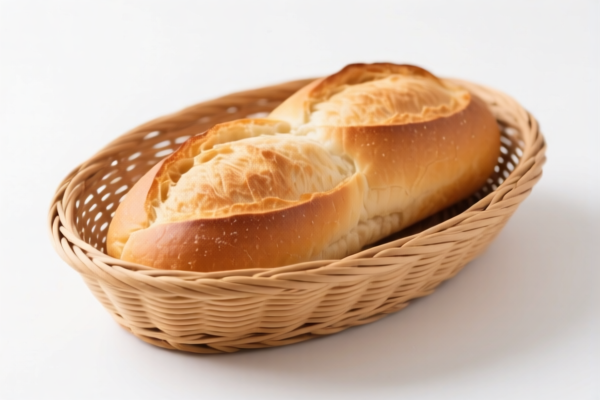
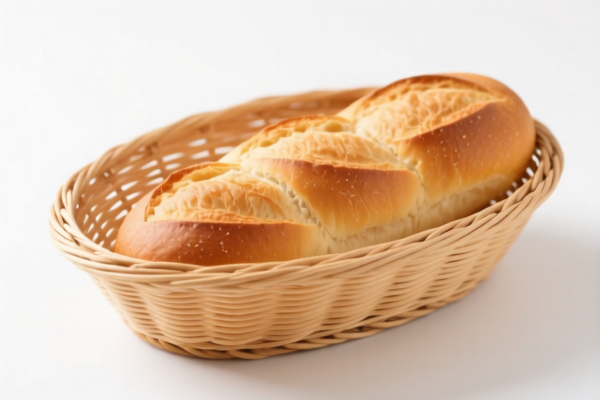
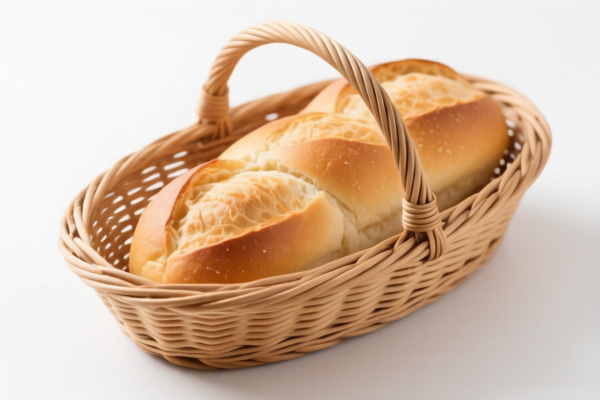
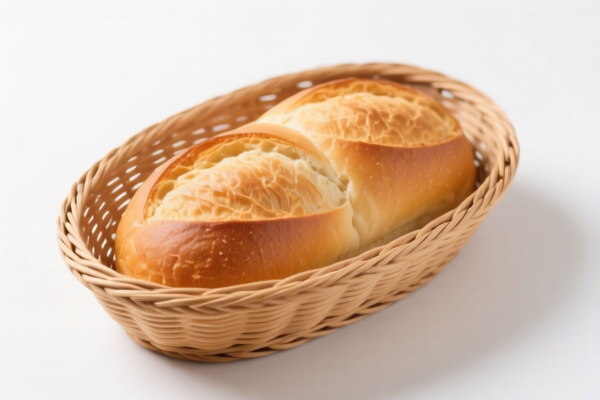
AI Analysis
🍞 Oval Bread Basket: The Ultimate Import Guide & Tax Breakdown (2026 Edition)
🌐 HS Code Reference & Customs Clearance Guide | 2026 Latest Tariff Analysis | Strategic Clearance Strategy
📌 I. Product Definition & Classification: Do You Really Understand "Bread Baskets"?
An Oval Bread Basket is a versatile tableware item used primarily in restaurants, cafes, and homes to hold bread rolls, baguettes, or pastries. In international trade, its classification depends strictly on material composition and functional design. Misclassification can lead to significant tariff discrepancies (from 13.2% to 22.8%+).
There are four main material categories identified in the current data:
- Plastic Material: Lightweight, durable, often injection-molded.
- Wood/Bamboo/Rattan Material: Natural aesthetic, often woven or carved.
- Ceramic Material: Heavy, premium feel, often glazed.
⚠️ Key Distinction Point:
- Plastic vs. Wood: Plastic falls under Chapter 39 (Plastics); Wood/Bamboo falls under Chapter 44 (Wood).
- Basic Ceramic vs. Premium Ceramic: Basic ceramic items (general tableware) have lower duties than "specialized food-contact ceramics" which may attract higher base tariffs.
📦 II. HS Code Classification Details (2026 Latest Tariff Authority Reference)
Based on the provided data, here is the precise breakdown for Oval Bread Baskets:
| HS Code | Product Description | Material | Category Context |
|---|---|---|---|
3924.10.30.00 |
Plastic Bread Basket | Plastic | Kitchenware / Tableware |
4419.19.90.00 |
Bamboo, Wood, or Rattan Bread Basket | Bamboo/Wood/Rattan | Kitchen Tableware |
3924.10.40.00 |
Plastic Bread Basket | Plastic | Tableware / Home Supplies |
6911.10.41.00 |
Ceramic Bread Basket | Ceramic | Tableware & Kitchen Utensils |
6911.10.80.10 |
Ceramic Bread Basket (Food Contact) | Ceramic | Food & Beverage Contact Specific |
🔍 Important Note:
- Two HS codes exist for Plastic baskets (3924.10.30.00and3924.10.40.00). The difference lies in specific sub-category definitions within Chapter 39. One incurs a 5.3% base tariff, the other 3.4%.
- For Ceramic,6911.10.41.00is for general tableware, while6911.10.80.10is for specific food-contact applications, carrying a significantly higher base tariff (20.8%).
💰 III. 2026 Latest Tariff Rate Breakdown (Detailed Tax Clauses)
✅ Applicable Country: United States (US)
✅ Origin: China (CN)
✅ 生效时间: 2025年11月10日起 (Including subsequent imports)
🎯 1. 3924.10.30.00 — Plastic Bread Basket (Kitchenware)
This is the highest taxed plastic category in the dataset.
| Item | Detail |
|---|---|
| Base Tariff | 5.3% |
| Section 301 Tariff (加征) | 7.5% |
| Section 122 Tariff (122条款) | 10% |
| Total Tax Rate | 22.8% |
| Tax Calculation | CIF Value × 22.8% |
| Legal Path | Base Rate + Section 301 + Section 122 |
📌 Explanation:
- This code attracts all three layers of tariffs.
- Total burden: 22.8%. This is the most expensive option among plastic baskets.
🎯 2. 4419.19.90.00 — Bamboo/Wood/Rattan Bread Basket
The most cost-effective option for natural materials.
| Item | Detail |
|---|---|
| Base Tariff | 3.2% |
| Section 301 Tariff (加征) | 0.0% |
| Section 122 Tariff (122条款) | 10% |
| Total Tax Rate | 13.2% |
| Tax Calculation | CIF Value × 13.2% |
| Legal Path | Base Rate + Section 122 |
📌 Explanation:
- Zero Section 301 Tariff makes this significantly cheaper than plastic alternatives.
- Total burden: 13.2%. Ideal for eco-friendly product lines.
🎯 3. 3924.10.40.00 — Plastic Bread Basket (Home Supplies)
A mid-range plastic option with lower base tariffs.
| Item | Detail |
|---|---|
| Base Tariff | 3.4% |
| Section 301 Tariff (加征) | 0.0% |
| Section 122 Tariff (122条款) | 10% |
| Total Tax Rate | 13.4% |
| Tax Calculation | CIF Value × 13.4% |
| Legal Path | Base Rate + Section 122 |
📌 Explanation:
- Similar to the bamboo basket, it avoids Section 301 tariffs.
- Total burden: 13.4%. Very competitive with wood/bamboo.
🎯 4. 6911.10.41.00 — Ceramic Bread Basket (General Tableware)
Standard ceramic classification.
| Item | Detail |
|---|---|
| Base Tariff | 6.3% |
| Section 301 Tariff (加征) | 0.0% |
| Section 122 Tariff (122条款) | 10% |
| Total Tax Rate | 16.3% |
| Tax Calculation | CIF Value × 16.3% |
| Legal Path | Base Rate + Section 122 |
📌 Explanation:
- Moderate base tariff, no Section 301.
- Total burden: 16.3%. Suitable for mid-tier ceramic products.
🎯 5. 6911.10.80.10 — Ceramic Bread Basket (Food Contact Specific)
The highest taxed item in the list due to specialized classification.
| Item | Detail |
|---|---|
| Base Tariff | 20.8% |
| Section 301 Tariff (加征) | 7.5% |
| Section 122 Tariff (122条款) | 10% |
| Total Tax Rate | 38.3% |
| Tax Calculation | CIF Value × 38.3% |
| Legal Path | Base Rate + Section 301 + Section 122 |
📌 Warning:
- Total burden: 38.3%. This is a heavy tariff burden.
- Likely applies to ceramics specifically marketed for direct food contact with higher purity standards or specialized shapes. Avoid unless absolutely necessary for product design.
🛠️ IV. Customs Clearance Practical Advice (Pitfall Avoidance Guide)
✅ 1. Critical Documentation Checklist
| Document | Required? | Purpose |
|---|---|---|
| Product Photos | ✅ Yes | Must clearly show material (plastic grain, wood grain, ceramic glaze) and shape (oval). |
| Material Declaration | ✅ Yes | Explicitly state "100% Plastic," "Bamboo," or "Ceramic." Ambiguity leads to reclassification. |
| Commercial Invoice | ✅ Yes | Must match HS Code description exactly. |
| Packing List | ✅ Yes | Detail quantity and weight. |
| Certificate of Origin | ✅ Yes | For US-China trade, crucial for verifying Section 301 applicability. |
✅ 2. Classification Strategy (The "Secret Sauce")
🔥 "Material is King! Check the Base Tariff First!"
| Material | Recommended HS Code | Total Tax | Strategy |
|---|---|---|---|
| Plastic | 3924.10.40.00 |
13.4% | Choose this over 3924.10.30.00 (22.8%). Ensure product description fits the "Home Supplies" sub-category. |
| Bamboo/Wood | 4419.19.90.00 |
13.2% | Lowest cost option. Highlight "Eco-friendly" and "Natural Material." |
| Ceramic (Standard) | 6911.10.41.00 |
16.3% | Safe choice for general tableware. |
| Ceramic (Specialized) | 6911.10.80.10 |
38.3% | Avoid unless necessary. Only use if the product is strictly defined as "Special Food Contact Ceramic." |
✅ 3. Common Mistakes & Penalties
❌ Mistake 1: Declaring a Plastic basket as Wood to avoid tariffs.
👉 Consequence: Customs inspection reveals plastic → Fraud penalty + Back taxes + Potential criminal charges.
❌ Mistake 2: Declaring Ceramic as Plastic to save on base tariff.
👉 Consequence: Physical inspection shows heavy ceramic material → Rejection + Return Shipment.
❌ Mistake 3: Using 6911.10.80.10 for a standard ceramic basket.
👉 Consequence: Paying 38.3% instead of 16.3% unnecessarily. Ensure your product does not fall under the "Special Food Contact" definition if it’s a standard basket.
✅ Correct Practice:
"Oval Bread Basket, Plastic, Food Grade, Model XYZ" → Declared as
3924.10.40.00(13.4%).
"Oval Bamboo Bread Basket, Natural Finish" → Declared as4419.19.90.00(13.2%).
🌍 V. Global Market Comparison (2026)
| Country | Recommended HS Code | Est. Total Tax (China Origin) | Notes |
|---|---|---|---|
| 🇺🇸 USA | 4419.19.90.00 (Wood) |
13.2% | Best Option: Low tax, eco-friendly appeal. |
| 🇺🇸 USA | 3924.10.40.00 (Plastic) |
13.4% | Runner Up: Very close to wood, good for mass market. |
| 🇪🇺 EU | Varies by Directive | Varies | EU has different rules; Section 301/122 do not apply. |
| 🇨🇳 China | Local Code | Local Duty | N/A for US imports. |
📌 Conclusion:
- For US Imports, Bamboo/Wood (4419.19.90.00) and Plastic (3924.10.40.00) are the most cost-effective choices.
- Ceramic (6911.10.80.10) is prohibitively expensive due to the 20.8% base tariff + Section 301.
📌 VI. Final Recommendation: Optimize Your Supply Chain
🎯 Action Plan:
1. If you can use Bamboo/Wood: Go with 4419.19.90.00. 13.2% total tax. Lowest cost, high perceived value.
2. If you must use Plastic: Choose the sub-category 3924.10.40.00 (13.4%) over 3924.10.30.00 (22.8%).
3. Avoid Ceramic: Unless you have a premium brand justification, avoid 6911.10.80.10 (38.3%).
💡 Pro Tip:
Contact your customs broker BEFORE shipping to confirm the specific sub-category for your plastic basket. The difference between30and40is 9.4% in taxes!
📣 Immediate Action:
📞 Verify HS Code with Broker
📸 Submit Product Photos for Pre-Clearance
📉 Select Material: Wood or Plastic (Category 40)
✨ Smart Classification = Maximized Profit!
💼 Don't let 25% extra tax eat your margin!
Customer Reviews
About HS Code Classification
The Harmonized System (HS) is an internationally standardized nomenclature developed by the World Customs Organization (WCO) to classify traded products. Over 200 countries use the HS system as the basis for customs tariffs, trade statistics, and import/export regulations.
Each HS code follows a hierarchical structure:
- Chapter (2 digits) — Broad category of goods (e.g., Chapter 84: Machinery and Mechanical Appliances)
- Heading (4 digits) — More specific grouping within the chapter
- Subheading (6 digits) — Internationally standardized breakdown, used by all WCO member countries
- National subdivisions (8-10 digits) — Country-specific extensions for further classification, such as US HTSUS 10-digit codes
Correct HS code classification is essential for smooth customs clearance, accurate duty payment, and compliance with trade regulations. Misclassification can lead to customs delays, overpayment of duties, or penalties.
When importing from CN to US, the applicable tariff rates may include:
- Most-Favored-Nation (MFN) rate — The standard duty rate applied to WTO members
- General rate — Applied to countries without trade agreements
- Trade remedy duties — Additional tariffs such as Section 301 (anti-dumping), Section 232 (national security), or countervailing duties
The information provided on this page is for reference purposes only. For official classification, please consult with your local customs authority or a licensed customs broker.