oven mitt
CN → US| HS Code | Tariff Rate | Origin | Destination | Doc |
|---|---|---|---|---|
| 6216009000 | 21.3% | CN | US | Official Doc |
| 6216003800 | 41.0% | CN | US | Official Doc |
| 3926204050 | 16.5% | CN | US | Official Doc |
| 6116928800 | 19.4% | CN | US | Official Doc |
| 3926201050 | 10.0% | CN | US | Official Doc |
Product Images
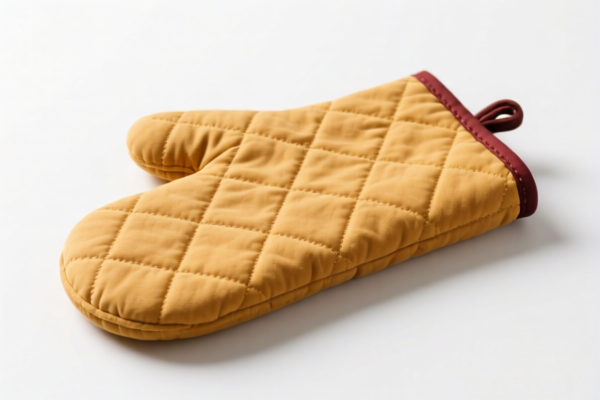
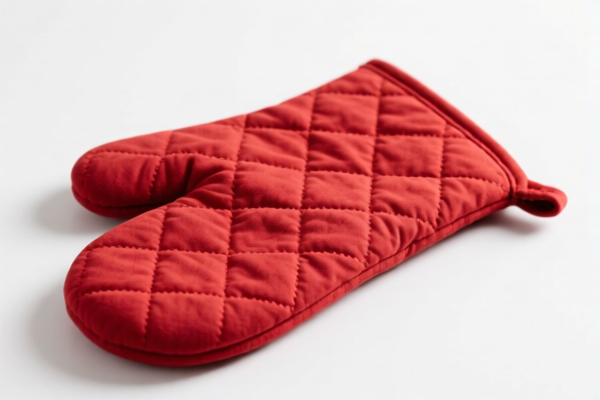
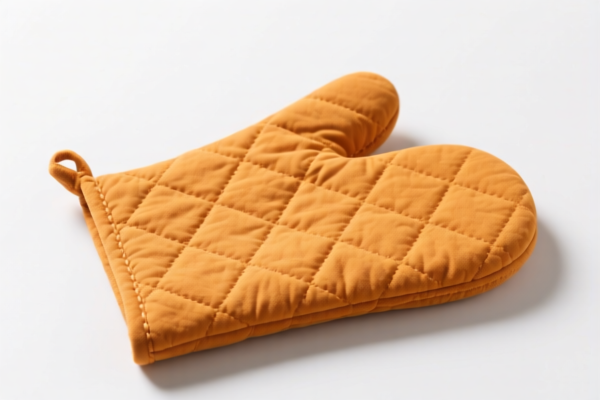
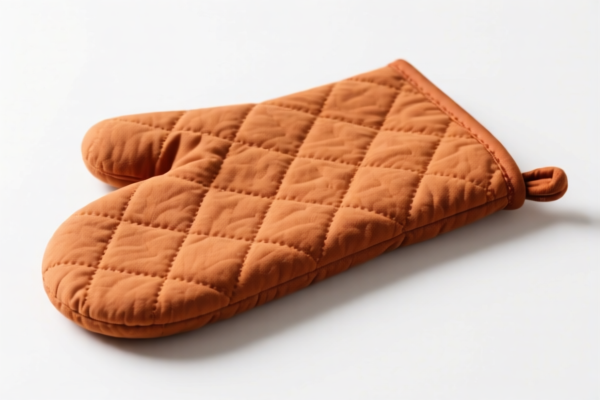
AI Analysis
🔥🧤 OVEN MITT (Baking & Kitchen Heat-Resistant Gloves)
🌐 HS Code Reference & Customs Clearance Guide | 2026 Latest Tariff Analysis | Professional通关 Strategy
📌 一、Product Definition & Classification: Do You Really Know "Oven Mitts"?
Oven mitts, the essential safety gear in commercial kitchens and home cooking, are designed to protect hands from high temperatures. In international trade, they fall under Chapter 62 (Articles of Apparel and Clothing Accessories) or Chapter 39 (Plastics), depending on material composition.
Key Distinctions:
- Textile/Material Type: If made of cotton, synthetic fibers, or silicone-coated fabric, they are classified under Heading 6216 (Gloves, Mittens, etc.).
- Plastic/Synthetic Type: If made of solid plastic or 100% synthetic resin, they fall under Heading 3926 (Other articles of plastics).
⚠️ Critical Classification Point:
- Material matters most! A "cotton oven mitt" is NOT the same as a "silicone oven mitt."
- Usage (Baking vs. Industrial): Generally falls under "Other" unless specified for industrial protection (which would change the code).
- Knitted vs. Woven: Affects the subheading within 6216.
📦 二、HS Code Classification Details (2026 Latest Tariff Authority)
Based on the provided data, here are the 5 most likely HS Codes for Oven Mitts, ranging from low-tax plastic to high-tax textile options:
| HS Code | Product Description | Material Assumption | Why This Match? | Total Tax Rate (CN→US) |
|---|---|---|---|---|
3926.20.10.50 |
Plastic/Synthetic Oven Mitts | Plastic/Resin (100%) | Matches "Seamless/Other" plastic items. No conflict with "Plastic" category. | 10.0% |
3926.20.40.50 |
Silicone/Plastic Oven Mitts (Non-single-use) | Plastic/Composite | "Other" category for non-single-use plastic gloves. Fits baking utility. | 16.5% |
6116.92.88.00 |
Knitted/Cotton Oven Mitts | Knitted/Synthetic Fiber | "Other" textile category. Matches "Knitted/Gauntlet" shape. | 19.4% |
6216.00.90.00 |
Textile/Silicone Coated Mitts | Fabric + Silicone | "Other" textile gloves. Matches "Hand protection" function. | 21.3% |
6116.10.55.10 |
Cotton/Coated Oven Mitts | Cotton/Textile | Knitted cotton gloves. High tax due to "Cotton" specific tariffs. | 30.7% |
6216.00.38.00 |
Cotton Oven Mitts (Specific) | Cotton | "Other-Cotton" category. Strict material definition. | 41.0% |
🔍 Key Insight:
- Plastic Options (3926): Lowest tax rates (10-16.5%) due to lower base tariffs.
- Textile Options (6216/6116): Higher tax rates (19.4-41.0%) due to higher base tariffs on textiles, especially cotton.
- 122 Clause Impact: All categories include a 10% "122 Clause" tariff, adding a fixed layer of cost regardless of base rate.
💰 三、2026 Tariff Rate Breakdown (Detailed Tax Clause Analysis)
✅ Applicable Country: United States (US)
✅ Origin: China (CN)
✅ Effective Date: Current (Includes ongoing 122 Clause & Section 301)
🎯 Scenario A: Plastic/Synthetic Oven Mitts (3926.20.10.50)
| Item | Content |
|---|---|
| Base Tariff | 0.0% |
| Section 301 "Add-on" Tariff | 0.0% (None for this specific subheading in data) |
| 122 Clause Tariff | +10.0% (Mandatory for China-origin plastics) |
| Total Rate | 10.0% |
| Tax Calculation | CIF Value × 10% |
| De Minimis Exemption | ❌ No (Not eligible for $800 exemption) |
| Legal Path | 122:Cl.10% + 3926.20.10.50 |
📌 Explanation:
- The 0% base makes this the most tax-efficient option for plastic mitts.
- The 10% 122 Clause is the only tax here.
- Strategy: If your mitts are 100% silicone or solid plastic, this is the lowest cost path.
🎯 Scenario B: Silicone/Plastic Composite (3926.20.40.50)
| Item | Content |
|---|---|
| Base Tariff | 6.5% |
| Section 301 "Add-on" Tariff | 0.0% |
| 122 Clause Tariff | +10.0% |
| Total Rate | 16.5% |
| Tax Calculation | CIF Value × 16.5% |
| De Minimis Exemption | ❌ No |
| Legal Path | 3926.20.40.50 + 122:Cl.10% |
📌 Explanation:
- Slightly higher base rate due to "Other" classification within plastics.
- 16.5% total is still very competitive compared to textiles.
🎯 Scenario C: Knitted/Textile Mitts (6116.92.88.00 - Recommended for Cotton/Blend)
| Item | Content |
|---|---|
| Base Tariff | 9.4% |
| Section 301 "Add-on" Tariff | 0.0% |
| 122 Clause Tariff | +10.0% |
| Total Rate | 19.4% |
| Tax Calculation | CIF Value × 19.4% |
| De Minimis Exemption | ❌ No |
| Legal Path | 6116.92.88.00 + 122:Cl.10% |
📌 Explanation:
- This is the sweet spot for knitted cotton/synthetic blends.
- Avoids the high 23.5% base tariff of pure cotton (6216.00.38.00).
🎯 Scenario D: High-Tax Cotton Gloves (6216.00.38.00)
| Item | Content |
|---|---|
| Base Tariff | 23.5% |
| Section 301 "Add-on" Tariff | +7.5% |
| 122 Clause Tariff | +10.0% |
| Total Rate | 41.0% |
| Tax Calculation | CIF Value × 41.0% |
| De Minimis Exemption | ❌ No |
| Legal Path | 6216.00.38.00 + 301:7.5% + 122:Cl.10% |
📌 Explanation:
- DANGER ZONE: This is the highest tax rate.
- Why? Pure cotton triggers a high 23.5% base tariff PLUS a 7.5% Section 301 surcharge.
- Recommendation: Avoid this code unless the mitts are 100% certified cotton. If they have any synthetic blend, use6116.92.88.00or6116.10.55.10to save ~10-20% in taxes.
🛠️ 四、Customs Clearance Practical Advice (Avoid Pitfalls)
✅ 1. Material Declaration is KING
| Component | Required Documentation | Common Mistake |
|---|---|---|
| Material Composition | ✅ Lab Test Report (Percentages of Cotton, Polyester, Silicone, Plastic) | ❌ Saying "Mixed Fabric" without percentages |
| Product Photos | ✅ Clear Images showing texture (knitted vs. solid) and lining | ❌ Blurry photos making "plastic" look like "fabric" |
| Technical Specs | ✅ Heat Resistance Rating (e.g., 450°F, 200°C) | ❌ Missing heat rating → Customs suspects "Industrial" classification |
| Function | ✅ Description: "Baking Oven Mitt" | ❌ Using generic "Glove" → May trigger "Workwear" classification |
🔥 Golden Rule:
"If it's plastic, say Plastic. If it's knitted, say Knitted. If it's cotton, say Cotton (but watch out for 41% tax!)"
✅ 2. Declaration Tips (Key Mnemonic)
🔥 "Plastic Low, Textile High, 122 Always on, Cotton is Pain!"
| Scenario | Correct Declaration | Error | Result |
|---|---|---|---|
| 100% Silicone Mitt | 3926.20.10.50 |
6216.00.90.00 |
Overpaid Tax (10% vs 21.3%) |
| Cotton/Poly Blend | 6116.92.88.00 |
6216.00.38.00 |
Overpaid Tax (19.4% vs 41.0%) |
| Seamless Plastic | 3926.20.10.50 |
3926.20.40.50 |
Minor Overpayment (10% vs 16.5%) |
| Industrial Heat Glove | 6216.00.90.00 |
3926.20.10.50 |
Risk of Rejection (Wrong function) |
✅ 3. Special Scenarios
| Situation | Handling Advice |
|---|---|
| Oven Mitt with Steel Core | If the core is metal (for heat conduction), it might be classified under 9405 or 7326, not 3926. Check metal content. |
| Silicone-Coated Cotton | Best Option: Use 6116.92.88.00 (19.4%). Avoid 6216.00.38.00 (41.0%) unless it's pure cotton. |
| "One-Size-Fits-All" Mitts | Still classified by material. Size does not affect HS Code. |
| Packaging | If sold in a set (Mitt + Pot Holder), declare both if possible. If bundled, the higher tax item may apply to the whole set. |
🌍 五、Global Market Comparison (2026)
| Country/Region | Recommended HS Code | Approx. Total Tax | Key Certification | Notes |
|---|---|---|---|---|
| 🇺🇸 USA | 3926.20.10.50 (Plastic) |
10.0% | FDA (if food contact) | Best Value |
| 🇺🇸 USA | 6216.00.38.00 (Cotton) |
41.0% | FDA | Avoid if possible |
| 🇨🇳 China | 3926.20.10.50 |
6.5% | CCC | Low base tariff |
| 🇪🇺 EU | 3926.20.10.50 |
0% | CE + LFGB | No Section 301 |
| 🇯🇵 Japan | 3926.20.10.50 |
5% | PSE | Moderate tax |
📌 Conclusion:
- USA is the most expensive market due to Section 301 and 122 Clause.
- Plastic Mitts (3926) are the safest bet for cost control.
- Textile Mitts must be carefully classified to avoid the 41.0% cotton trap.
📌 六、Common Errors & Pitfalls (Lessons Learned)
❌ Error 1: Declaring "Cotton Oven Mitt" when it is actually Cotton/Polyester Blend
👉 Consequence: Tax jumps from 19.4% to 41.0% → Huge Loss!
✅ Fix: Ensure material % is < 50% Cotton to qualify for "Other" textile codes.
❌ Error 2: Declaring Plastic Mitts as Textile (6216)
👉 Consequence: Overpaying 11.3% (21.3% - 10%) unnecessarily.
✅ Fix: Check for rigid structure or seamless molding → Plastic.
❌ Error 3: Missing 122 Clause in declaration
👉 Consequence: Customs penalty + Back taxes + Delay.
✅ Fix: Always add 10% for China-origin goods under 122 Clause.
❌ Error 4: Using generic "Glove" instead of "Oven Mitt"
👉 Consequence: May be classified as Work Gloves (different tax) or Sport Gloves.
✅ Fix: Use "Oven Mitt" or "Baking Glove" in commercial invoice.
✅ Correct Declaration Example:
"Silicone Coated Oven Mitts, 100% Polyester Base, Silicone Coating, Heat Resistant to 450°F, Model OM-2026, FDA Certified."
HS Code:3926.20.40.50| Total Tax: 16.5%
🎯 七、Conclusion: Smart Classification = Profit Protection!
🎯 Remember:
🔹 "Plastic = 10-16.5%, Cotton = 41% (Avoid!)"
🔹 "122 Clause is 10% Flat for China"
🔹 "Material % determines everything!"
📌 Pro Tip:
If your oven mitts are 90% Polyester + 10% Cotton, use 6116.92.88.00 (19.4%).
If they are 100% Cotton, you are stuck with 41.0% unless you switch design to plastic/synthetic.
📣 Immediate Action:
📞 Contact Customs Broker → Provide Material Lab Report → Select
3926or6116
🚀 Save 20-30% in taxes with the right HS Code!
✨ Professional Clearance Starts with Precise Classification!
💼 Your Cost Control is in Your Hands!
Customer Reviews
About HS Code Classification
The Harmonized System (HS) is an internationally standardized nomenclature developed by the World Customs Organization (WCO) to classify traded products. Over 200 countries use the HS system as the basis for customs tariffs, trade statistics, and import/export regulations.
Each HS code follows a hierarchical structure:
- Chapter (2 digits) — Broad category of goods (e.g., Chapter 84: Machinery and Mechanical Appliances)
- Heading (4 digits) — More specific grouping within the chapter
- Subheading (6 digits) — Internationally standardized breakdown, used by all WCO member countries
- National subdivisions (8-10 digits) — Country-specific extensions for further classification, such as US HTSUS 10-digit codes
Correct HS code classification is essential for smooth customs clearance, accurate duty payment, and compliance with trade regulations. Misclassification can lead to customs delays, overpayment of duties, or penalties.
When importing from CN to US, the applicable tariff rates may include:
- Most-Favored-Nation (MFN) rate — The standard duty rate applied to WTO members
- General rate — Applied to countries without trade agreements
- Trade remedy duties — Additional tariffs such as Section 301 (anti-dumping), Section 232 (national security), or countervailing duties
The information provided on this page is for reference purposes only. For official classification, please consult with your local customs authority or a licensed customs broker.