packing tube
CN → US| HS Code | Tariff Rate | Origin | Destination | Doc |
|---|---|---|---|---|
| 3923300090 | 38.0% | CN | US | Official Doc |
| 3923900080 | 38.0% | CN | US | Official Doc |
| 4819504020 | 35.0% | CN | US | Official Doc |
| 4819504060 | 35.0% | CN | US | Official Doc |
| 7607205000 | 17.5% | CN | US | Official Doc |
| 7607196000 | 13.0% | CN | US | Official Doc |
Product Images
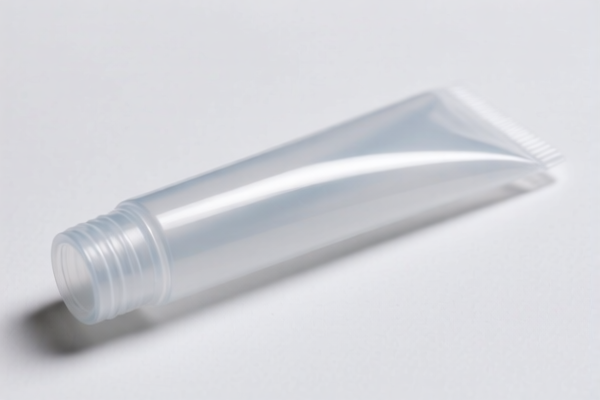


AI Analysis
📦 Packing Tube (Paper/Plastic/Aluminum Composite)
🌐 HS Code Reference & Customs Clearance Guide | 2026 Latest Tariff Analysis | Professional Logistics Strategy
📌 I. Product Definition & Classification: Do You Really Know "Packing Tube"?
"Packing Tube" is a broad category covering cylindrical containers used for transporting, storing, and protecting goods. In international trade, classification depends heavily on material composition, structure, and intended use.
Common types include:
1. Fiber Drums / Paper Tubes: Made of multi-layer paperboard, cellulose, or plastics-backed paper (often used for chemicals, powders, or industrial goods).
2. Plastic Bottles/Flasks: Rigid or flexible plastic containers with closures (e.g., carboys, sample vials).
3. Aluminum Foil Tubes: Thin aluminum layers (≤0.2mm), possibly backed with paper/plastic (used for food, pharmaceuticals, or industrial packaging).
4. Composite Tubes: Hybrid structures (e.g., paperboard + aluminum foil + plastic).
⚠️ Critical Classification Points:
- Material is key: Paperboard = Chapter 48; Plastics = Chapter 39; Aluminum = Chapter 76.
- Backing matters: If aluminum foil is backed with paper/plastic, it may fall under 7607.20.50.00 (if ≤0.2mm) instead of pure aluminum foil.
- Function matters: "Carboys, bottles, flasks" → 3923.30; "Other packing containers" → 3923.90 or 4819.50.
📋 II. HS Code Classification Details (2026 Latest Tariff对照)
Based on your DATA, here are the exact matches for "Packing Tube" scenarios:
| HS Code | Product Description | Material | Backing? | Application |
|---|---|---|---|---|
| 7607.20.50.00 | Aluminum foil (≤0.2mm), backed with paper/plastic | Aluminum + backing | ✅ Yes | Food/pharma wrapping, industrial sleeves |
| 7607.19.60.00 | Aluminum foil (≤0.2mm), not backed | Pure aluminum | ❌ No | Pure foil rolls, non-packaging uses |
| 3923.30.00.90 | Plastic carboys, bottles, flasks | Plastics | N/A | Chemical transport, sample storage |
| 3923.90.00.80 | Other plastic packing containers | Plastics | N/A | General-purpose plastic tubes/boxes |
| 4819.50.40.20 | Fiber drums, paperboard tubes | Paperboard/cellulose | ✅ Yes (paper-based) | Industrial powder/chemical packaging |
| 4819.50.40.60 | Other paperboard packing containers | Paperboard/cellulose | ✅ Yes | Office supplies, record sleeves |
🔍 Key Notes:
- Aluminum foil tubes (backed) → 7607.20.50.00 (7.5% tariff); pure foil → 7607.19.60.00 (0% tariff).
- Plastic tubes (bottles/flasks) → 3923.30.00.90 (0%); general plastic containers → 3923.90.00.80 (28%!).
- Paper/fiber tubes (drums) → 4819.50.40.20 (25%); other paper containers → 4819.50.40.60 (25%).
💰 III. 2026 Tariff Rate Breakdown (US Import Rules)
✅ Country of Origin: China (CN)
✅ Destination: United States (US)
✅ Effective Date: 2025-11-10+
🎯 1. 7607.20.50.00 (Backed Aluminum Foil Tubes)
| Item | Detail |
|---|---|
| Base Tariff | 0.0% |
| Additional Tax | +7.5% (Section 232/301) |
| Total Tax | 7.5% |
| De Minimis Exemption | ❌ No |
| Legal Basis | USITC:7607.20.50.00 + Section 232 |
📌 Explanation:
- "Backed" aluminum foil (≤0.2mm) incurs 7.5% due to "Section 232" steel/aluminum tariffs.
- Pure foil (unbacked) = 0%, so avoid backing if possible to save costs.
🎯 2. 7607.19.60.00 (Unbacked Aluminum Foil)
| Item | Detail |
|---|---|
| Base Tariff | 0.0% |
| Additional Tax | 0.0% |
| Total Tax | 0% |
| De Minimis Exemption | ❌ No |
📌 Strategy:
If your "tube" is pure aluminum foil (no paper/plastic backing), classify as 7607.19.60.00 to avoid 7.5% tax.
🎯 3. 3923.30.00.90 (Plastic Carboys/Bottles)
| Item | Detail |
|---|---|
| Base Tariff | 0.0% |
| Additional Tax | 0.0% |
| Total Tax | 0% |
📌 Note: Specific plastic containers (carboys/flasks) are tax-free, unlike general plastic containers.
🎯 4. 3923.90.00.80 (Other Plastic Containers)
| Item | Detail |
|---|---|
| Base Tariff | 3.0% |
| Additional Tax | +25.0% |
| Total Tax | 28.0% |
⚠️ Warning:
- "General plastic tubes" (not carboys/flasks) = 28% tax!
- Must distinguish 3923.30 (0%) vs. 3923.90 (28%) based on shape/function.
🎯 5. 4819.50.40.20 (Fiber Drums/Paper Tubes)
| Item | Detail |
|---|---|
| Base Tariff | 0.0% |
| Additional Tax | +25.0% |
| Total Tax | 25.0% |
📌 Reason:
- Paperboard tubes used for industrial/consumer goods → 25% Section 301 tax.
- "Record sleeves" (office use) → same rate (4819.50.40.60).
🎯 6. 4819.50.40.60 (Other Paper Containers)
| Item | Detail |
|---|---|
| Base Tariff | 0.0% |
| Additional Tax | +25.0% |
| Total Tax | 25.0% |
📌 Note: All paper-based packing containers (except "office letter trays") = 25% tax.
🛠️ IV. Customs Clearance Practical Tips (Avoiding Pitfalls)
✅ 1. Document Checklist (Non-Negotiable)
| Document | Requirement | Purpose |
|---|---|---|
| ✅ Product Spec Sheet | Material, thickness, dimensions, backing type | Prove foil is ≤0.2mm or paper is cellulose |
| ✅ Photographs | Clear shots of tube, seams, labels | Verify "backed" vs. "unbacked" |
| ✅ Bill of Lading | Accurate HS Code + Description | Match HS Code to physical product |
| ✅ Commercial Invoice | CIF value + HS Code | Basis for tax calculation |
| ✅ Certificate of Origin | Proof of Chinese origin | Trigger 7.5%/25%/28% tariffs |
| ✅ Test Reports | ASTM/ISO standards for materials | Confirm thickness/material compliance |
✅ 2. Declaration Strategy (Golden Rules)
🔥 "Material First, Backing Second, Function Third!"
| Scenario | Correct HS Code | Mistake → Consequence |
|---|---|---|
| Aluminum foil tube (≤0.2mm, no backing) | 7607.19.60.00 (0%) |
Misclassify as "backed" → 7.5% extra tax |
| Aluminum foil tube (≤0.2mm, paper-backed) | 7607.20.50.00 (7.5%) |
Claim "unbacked" → Seized + penalty |
| Plastic bottle/carry (specific shape) | 3923.30.00.90 (0%) |
Misclassify as "general plastic" → 28% tax |
| Paper tube (industrial use) | 4819.50.40.20 (25%) |
Claim "office supply" → 25% tax (same, but risk audit) |
| Composite tube (plastic + paper) | 4819.50.40.60 (25%) |
Claim "plastic" → 28% tax |
✅ 3. Special Cases & Workarounds
| Situation | Recommendation |
|---|---|
| Aluminum tube with paper backing | Declare thickness ≤0.2mm + "backed" → 7607.20.50.00 (7.5%) |
| Plastic tube not a "bottle/flask" | Use 3923.90.00.80 (28%) but re-design to fit 3923.30 (0%) |
| Paper tube for office use | Still 25% → No tax saving possible |
| Mixed material tubes | Split declaration (e.g., paper + aluminum) → Higher risk, avoid! |
| De Minimis ($800 exemption) | ❌ Not applicable for bulk tubes (requires $800+ value per shipment) |
🌍 V. Global Market Comparison (2026)
| Country | Recommended HS Code | Tariff | Certification | Notes |
|---|---|---|---|---|
| 🇺🇸 USA | 7607.20.50.00 / 4819.50.40.20 / 3923.90.00.80 |
7.5%~28% | FCC/CE (if applicable) | High Section 301 taxes on paper/plastic |
| 🇨🇳 China | Same HS Codes | 0%~5% | CCC | No Section 301 taxes |
| 🇪🇺 EU | Same HS Codes | 0%~5% | CE | No Section 301; lower taxes |
| 🇯🇵 Japan | Same HS Codes | 0%~3% | PSE | No Section 301; low taxes |
| 🇦🇺 Australia | Same HS Codes | 5%~10% | RCM | Moderate taxes |
📌 Conclusion:
- USA is the most expensive market for packing tubes due to Section 301/232 taxes.
- China/EU/Japan offer 0%~5% taxes → Consider re-routing if possible.
📌 VI. Common Errors & Avoidance (Real-World Lessons)
❌ Error 1: Claiming "plastic tube" as 3923.30 (0%) when it's not a "carboy/flask"
👉 Result: 28% tax + penalty.
❌ Error 2: Hiding "paper backing" on aluminum foil
👉 Result: Seizure + 7.5% tax + fine.
❌ Error 3: Using "Packing Tube" as generic description
👉 Result: Customs audits → delayed release.
✅ Correct Declaration Example:
"Aluminum Foil Tube, 0.15mm thickness, backed with kraft paper, 1000pcs, HS Code 7607.20.50.00"
🎯 VII. Final Advice: Smart Classification = Cost Savings
🎯 Remember:
🔹 "Aluminum ≤0.2mm? Check backing!" → Unbacked = 0%, Backed = 7.5%.
🔹 "Plastic = Bottle? 0%; General = 28%!" → Redesign to fit3923.30.
🔹 "Paper tubes? Always 25% in USA!" → No tax saving possible.
📌 Pro Tip:
- Pre-clearance: Apply for Advance Ruling (100% guaranteed HS Code).
- Supplier negotiation: Ask for unbacked aluminum (0% tax) instead of backed.
- Alternative routing: Ship via Vietnam/Mexico to avoid Section 301 taxes.
📣 Take Action Now:
📞 Contact customs broker + Provide material specs + Apply for Advance Ruling
🚀 Save 7.5%~28% on every shipment of packing tubes!
✨ Precision Classification = Profit Protection!
💼 Your Tariff Bill is Calculated to the Cent – Don't Pay More Than Necessary!
Customer Reviews
About HS Code Classification
The Harmonized System (HS) is an internationally standardized nomenclature developed by the World Customs Organization (WCO) to classify traded products. Over 200 countries use the HS system as the basis for customs tariffs, trade statistics, and import/export regulations.
Each HS code follows a hierarchical structure:
- Chapter (2 digits) — Broad category of goods (e.g., Chapter 84: Machinery and Mechanical Appliances)
- Heading (4 digits) — More specific grouping within the chapter
- Subheading (6 digits) — Internationally standardized breakdown, used by all WCO member countries
- National subdivisions (8-10 digits) — Country-specific extensions for further classification, such as US HTSUS 10-digit codes
Correct HS code classification is essential for smooth customs clearance, accurate duty payment, and compliance with trade regulations. Misclassification can lead to customs delays, overpayment of duties, or penalties.
When importing from CN to US, the applicable tariff rates may include:
- Most-Favored-Nation (MFN) rate — The standard duty rate applied to WTO members
- General rate — Applied to countries without trade agreements
- Trade remedy duties — Additional tariffs such as Section 301 (anti-dumping), Section 232 (national security), or countervailing duties
The information provided on this page is for reference purposes only. For official classification, please consult with your local customs authority or a licensed customs broker.