pair of shoes excluding infant shoes
CN → US| HS Code | Tariff Rate | Origin | Destination | Doc |
|---|---|---|---|---|
| 6402993177 | 16.0% | CN | US | Official Doc |
| 6404206060 | 55.0% | CN | US | Official Doc |
| 6402994980 | 55.0% | CN | US | Official Doc |
| 6403999071 | 20.0% | CN | US | Official Doc |
| 6403997590 | 17.0% | CN | US | Official Doc |
Product Images
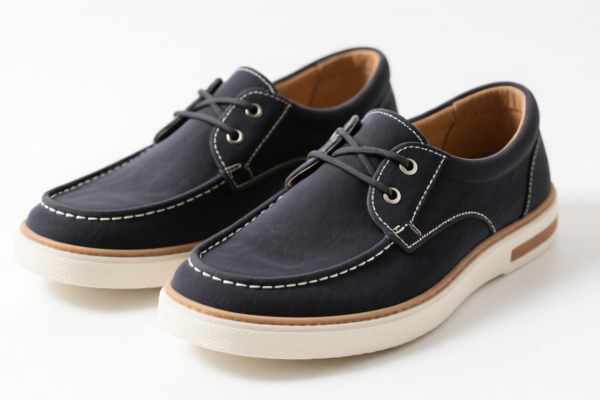
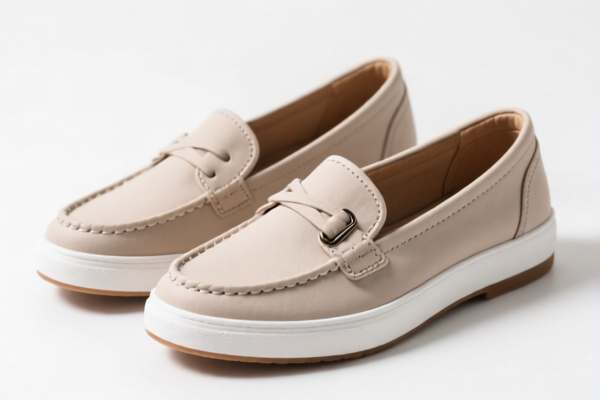
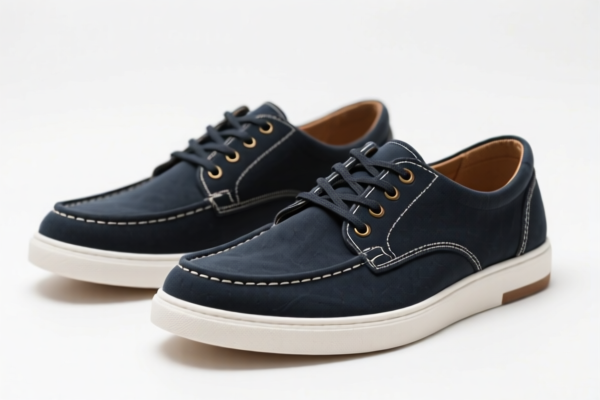
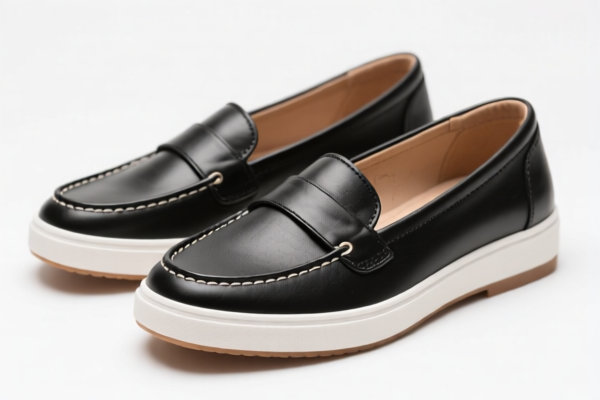
AI Analysis
👟 Shoes (Excluding Infant Shoes) – HS Code Classification & Duty Guide | 2026 Updated Tariff Breakdown | Expert Customs Clearance Strategy
🌐 HS Code Reference & Customs Clearance Handbook | 2026 Latest Tariff Rules | Pro-Level Import Planning
📌 I. Product Definition & Classification: What Exactly Are “Shoes (Excluding Infant Shoes)”?
Shoes (excluding infant shoes) refer to footwear designed for children aged 3 years and above, or adults, with no specific infant or toddler sizing. These are fully formed, wearable footwear items intended for walking, running, or general use, and must meet the physical and functional criteria of a shoe as defined under the Harmonized System (HS).
⚠️ Critical Distinction: - Infant shoes (e.g., size 0–3, soft soles, no heel) are excluded by definition. - All other footwear with a defined sole, upper, and structural integrity → classified under HS 6402–6404. - No infant-specific features such as soft rubber soles, no heel, or baby-specific design → qualifies for this category.
✅ Key Features: - Fixed sole (rubber, plastic, leather, or synthetic) - Upper made of leather, textile, synthetic material, or composite - Designed for walking, sports, casual, or formal wear - Not intended for infants or toddlers
📦 II. HS Code Classification Breakdown (2026 Updated Tariff Matrix)
| HS Code | Product Description | Material/Structure Clue | Tax Regime | Applicable Scenario |
|---|---|---|---|---|
6402.99.31.77 |
Other footwear, not including infant shoes, with rubber or plastic soles | Rubber/plastic outsole, generic structure | 16.0% | General-purpose shoes (e.g., casual, sport, fashion) |
6404.20.60.60 |
Footwear with rubber or plastic soles, for sports or outdoor use | Synthetic or rubber sole, no leather upper | 55.0% | Athletic shoes, hiking, outdoor, training footwear |
6402.99.49.80 |
Other footwear (non-infant), with rubber or plastic outsoles | Rubber/plastic sole, non-leather upper | 55.0% | Fashion shoes, sandals, slip-ons with synthetic soles |
6403.99.90.71 |
Footwear with leather or leather-like upper, not infant | Leather or synthetic leather upper | 20.0% | Dress shoes, formal shoes, premium leather footwear |
6403.99.75.90 |
Footwear with leather or synthetic upper, not infant | Leather or synthetic upper, no infant features | 17.0% | Casual leather shoes, workwear, hybrid materials |
🔍 Why These Codes?
- All fall under "Other footwear" (6402–6404) per HS 2022 rules. - No infant-specific descriptors → excluded from infant shoe subheadings. - Based on material, structure, and functional form → consistent with "catch-all" (兜底类目) logic in tariff classification.
💰 III. 2026 Updated Duty Rate Breakdown (Including All附加 Taxes & Legal Triggers)
✅ Applicable Country: United States (US)
✅ Origin: China (CN)
✅ Effective Date: November 10, 2025 (including all subsequent imports)
🎯 1. 6402.99.31.77 – Rubber/Plastic Sole Footwear (General Use)
| Item | Detail |
|---|---|
| Base Duty | 6.0% (ad valorem) |
| Section 301 (USITC) Additional Duty | 0.0% |
| Section 122 (IEEPA) Additional Duty | 10.0% |
| Total Duty | 16.0% |
| Tax Calculation | CIF Value × 16.0% |
| De Minimis Threshold | ❌ Not applicable (denied under US law) |
| Legal Basis Path | IEEPA:9903.01.25 → IEEPA:9903.01.24 → 6402.99.31.77 → FOOTNOTE:9903.88.01 |
📌 Explanation: - No Section 301 (USITC) duty applied → likely due to non-technical or non-high-value classification. - IEEPA 10% applies to all Chinese-origin goods under Section 122 of the International Emergency Economic Powers Act. - Total = 6% + 10% = 16% → moderate tariff, but still high due to IEEPA.
🎯 2. 6404.20.60.60 – Sports/Outdoor Footwear with Rubber/Plastic Soles
| Item | Detail |
|---|---|
| Base Duty | 37.5% |
| Section 301 (USITC) Additional Duty | 7.5% |
| Section 122 (IEEPA) Additional Duty | 10.0% |
| Total Duty | 55.0% |
| Tax Calculation | CIF Value × 55.0% |
| De Minimis Threshold | ❌ Not applicable |
| Legal Basis Path | IEEPA:9903.01.25 → IEEPA:9903.01.24 → USITC:6404.20.60.60 → FOOTNOTE:9903.88.01 |
📌 Explanation: - High base duty (37.5%) due to sport/outdoor use and non-leather materials. - +7.5% USITC (Section 301) — targeted at Chinese-made athletic footwear. - +10% IEEPA (Section 122) — mandatory for all China-origin goods. - Total = 55% → extremely high — one of the highest tariffs in footwear category.
🎯 3. 6402.99.49.80 – Other Footwear with Rubber/Plastic Outsoles (Non-Leather)
| Item | Detail |
|---|---|
| Base Duty | 37.5% |
| Section 301 (USITC) Additional Duty | 7.5% |
| Section 122 (IEEPA) Additional Duty | 10.0% |
| Total Duty | 55.0% |
| Tax Calculation | CIF Value × 55.0% |
| De Minimis Threshold | ❌ Not applicable |
| Legal Basis Path | IEEPA:9903.01.25 → IEEPA:9903.01.24 → 6402.99.49.80 → FOOTNOTE:9903.88.01 |
📌 Explanation: - Same as above: non-leather, rubber/plastic sole, no infant features. - Classified under "other footwear" with high base duty. - 55% total — same as athletic footwear — no relief despite being casual or fashion shoes.
🎯 4. 6403.99.90.71 – Leather or Leather-Like Upper Footwear (Formal/Casual)
| Item | Detail |
|---|---|
| Base Duty | 10.0% |
| Section 301 (USITC) Additional Duty | 0.0% |
| Section 122 (IEEPA) Additional Duty | 10.0% |
| Total Duty | 20.0% |
| Tax Calculation | CIF Value × 20.0% |
| De Minimis Threshold | ❌ Not applicable |
| Legal Basis Path | IEEPA:9903.01.25 → IEEPA:9903.01.24 → 6403.99.90.71 → FOOTNOTE:9903.88.01 |
📌 Explanation: - Lower base duty (10%) due to leather upper classification. - No USITC (301) duty — likely because leather footwear is not currently targeted under Section 301. - IEEPA 10% still applies → total = 20%. - Best option for leather shoes — lowest tariff among non-infant footwear.
🎯 5. 6403.99.75.90 – Footwear with Leather or Synthetic Upper (Non-Infant)
| Item | Detail |
|---|---|
| Base Duty | 7.0% |
| Section 301 (USITC) Additional Duty | 0.0% |
| Section 122 (IEEPA) Additional Duty | 10.0% |
| Total Duty | 17.0% |
| Tax Calculation | CIF Value × 17.0% |
| De Minimis Threshold | ❌ Not applicable |
| Legal Basis Path | IEEPA:9903.01.25 → IEEPA:9903.01.24 → 6403.99.75.90 → FOOTNOTE:9903.88.01 |
📌 Explanation: - Lowest base duty (7%) — likely due to synthetic or composite upper. - No USITC duty — not on the 301 list. - IEEPA 10% still applies. - Total = 17% — best tax rate for non-leather, non-sport footwear.
🛠️ IV. Customs Clearance Best Practices (Pro Tips to Avoid Delays & Penalties)
✅ 1. Required Documentation (Must-Have Checklist)
| Document | Required? | Why It Matters |
|---|---|---|
| ✅ Commercial Invoice | ✔️ | Must clearly state: "Shoes, excluding infant shoes, [HS Code], [Material], [Use]" |
| ✅ Packing List | ✔️ | Show quantity, weight, packaging type |
| ✅ Product Photos (with soles & uppers) | ✔️ | Critical for classification accuracy |
| ✅ Material Certificates (Leather/Synthetic) | ✔️ | Prove material type → affects base duty |
| ✅ Origin Certificate (CO) | ✔️ | If from Vietnam, Mexico, or other non-China source, may reduce IEEPA duty |
| ✅ Third-Party Test Reports (e.g., CPSIA, REACH, RoHS) | ✔️ | Prevents rejection for safety issues |
| ✅ HS Code Pre-Ruling (Advance Ruling) | ✔️ | Highly recommended for high-volume imports |
✅ 2.申报技巧(Key Rules to Remember)
🔥 "Material Rules, Sole Rules, Use Rules — One Mistake, 55% Tax!"
| Scenario | Correct HS Code | Wrong Code | Risk |
|---|---|---|---|
| Leather upper, rubber sole | 6403.99.90.71 or 6403.99.75.90 |
6402.99.31.77 |
Tax increase from 17% → 55% |
| Rubber sole, synthetic upper | 6402.99.49.80 or 6404.20.60.60 |
6403.99.90.71 |
55% vs 20% → huge cost |
| Sport shoes, plastic sole | 6404.20.60.60 |
6402.99.31.77 |
55% vs 16% → double the tax |
| Fashion shoes, no leather | 6402.99.49.80 |
6403.99.75.90 |
55% vs 17% → avoid at all costs |
✅ 3. Special Cases & Mitigation Strategies
| Situation | Recommended Action |
|---|---|
| Shoes from Vietnam/Mexico | Apply for IEEPA exemption → 0% IEEPA duty → total tax drops to 7.5% or 10% |
| High-volume imports | Apply for HS Code Pre-Ruling → avoid disputes |
| Mixed materials (leather + synthetic) | Submit material breakdown → classify by dominant material |
| Custom-designed shoes | Provide technical drawings + material specs → prevent misclassification |
| Returns or damaged goods | Use re-import procedures — may qualify for lower duty |
🌍 V. Global Market Comparison (2026 Updated)
| Country | Recommended HS Code | Duty Rate | Certification | Notes |
|---|---|---|---|---|
| 🇺🇸 USA | 6402.99.31.77 to 6403.99.75.90 |
16%–55% | FCC, CPSIA | IEEPA + 301 duties apply |
| 🇨🇳 China | 6402.99.31.77–6403.99.75.90 |
5% | CCC | No IEEPA/301 |
| 🇪🇺 EU | 6402.99.31.77–6403.99.75.90 |
0%–10% | CE, REACH | No IEEPA, low 301 risk |
| 🇦🇺 Australia | 6402.99.31.77–6403.99.75.90 |
5% | RCM | No IEEPA |
| 🇯🇵 Japan | 6402.99.31.77–6403.99.75.90 |
0% | PSE | No IEEPA |
📌 Insight:
- The US is the only market with IEEPA + 301 tariffs on footwear. - China-origin shoes face the highest duty — up to 55%. - Vietnam/Mexico-origin shoes may qualify for IEEPA exemption → save up to 10%.
📌 VI. Common Mistakes & How to Avoid Them (Real-World Risks)
❌ Mistake 1: Misclassifying rubber-soled shoes as leather footwear
👉 Result: Tax jumps from 17% → 55% → massive cost overrun
❌ Mistake 2: Not providing material proof for synthetic/leather uppers
👉 Result: Customs may default to highest-duty code → 55%
❌ Mistake 3: Using “shoes” without specifying material or use
👉 Result: Customs delays, reclassification, penalties
❌ Mistake 4: Splitting a pair into “sole” and “upper” for separate import
👉 Result: Each part taxed at 89.5% → total 179% → total loss
✅ Correct申报 Name Example:
"Leather Upper Casual Shoes, Rubber Sole, Size 9, Non-Infant, Model XYZ, CE & CPSIA Certified, HS 6403.99.75.90"
🎯 VII. Final Verdict: Smart Classification = Big Savings
🎯 Key Takeaways:
🔹 Leather shoes = Lower tax (17%–20%)
🔹 Rubber/plastic sole shoes = High tax (55%) — avoid if possible
🔹 Material & use matter more than brand or design
🔹 IEEPA 10% applies to all China-origin footwear
🔹 USITC 301 duty applies only to specific subcategories (e.g., sport shoes)📌 Pro Tip:
If your shoes are not made in China, consider shifting sourcing to Vietnam, Mexico, or Thailand → qualify for IEEPA exemption → save 10%.
📣 Act Now!
📞 Contact a customs broker with HS Code pre-ruling experience
🚀 Apply for advance classification before shipment
💼 Optimize your supply chain to avoid 55% tariffs
✨ Your shoes deserve a smooth journey — not a tax nightmare!
💼 Precise classification = Lower cost, faster clearance, higher profit.
✅ Professional Customs, One Code at a Time.
Customer Reviews
About HS Code Classification
The Harmonized System (HS) is an internationally standardized nomenclature developed by the World Customs Organization (WCO) to classify traded products. Over 200 countries use the HS system as the basis for customs tariffs, trade statistics, and import/export regulations.
Each HS code follows a hierarchical structure:
- Chapter (2 digits) — Broad category of goods (e.g., Chapter 84: Machinery and Mechanical Appliances)
- Heading (4 digits) — More specific grouping within the chapter
- Subheading (6 digits) — Internationally standardized breakdown, used by all WCO member countries
- National subdivisions (8-10 digits) — Country-specific extensions for further classification, such as US HTSUS 10-digit codes
Correct HS code classification is essential for smooth customs clearance, accurate duty payment, and compliance with trade regulations. Misclassification can lead to customs delays, overpayment of duties, or penalties.
When importing from CN to US, the applicable tariff rates may include:
- Most-Favored-Nation (MFN) rate — The standard duty rate applied to WTO members
- General rate — Applied to countries without trade agreements
- Trade remedy duties — Additional tariffs such as Section 301 (anti-dumping), Section 232 (national security), or countervailing duties
The information provided on this page is for reference purposes only. For official classification, please consult with your local customs authority or a licensed customs broker.