paper handbag food
CN → US| HS Code | Tariff Rate | Origin | Destination | Doc |
|---|---|---|---|---|
| 4819400040 | 35.0% | CN | US | Official Doc |
| 4819400020 | 35.0% | CN | US | Official Doc |
| 4202920809 | 42.0% | CN | US | Official Doc |
| 4202920807 | 42.0% | CN | US | Official Doc |
| 3926902100 | 21.7% | CN | US | Official Doc |
Product Images
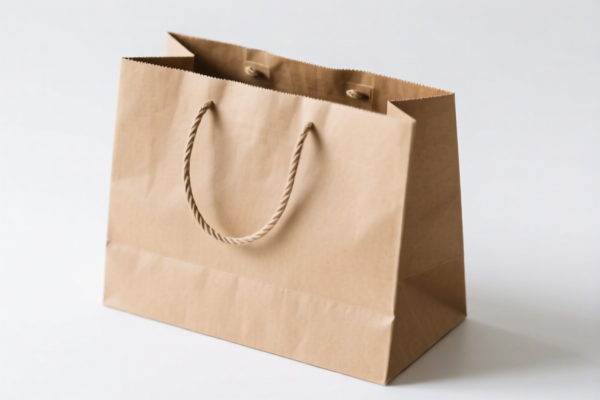
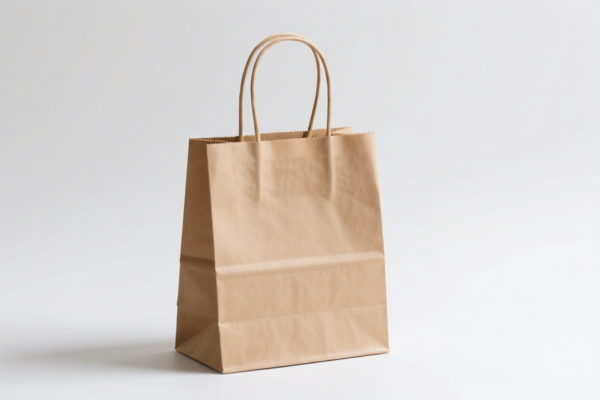
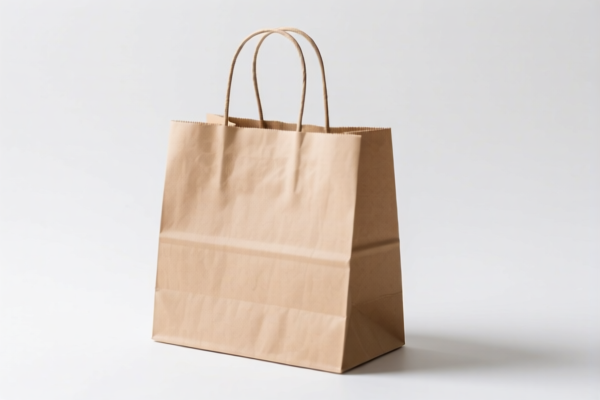
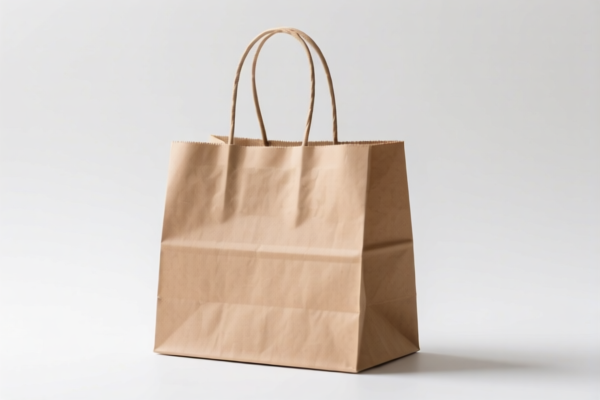
AI Analysis
🛍️ Paper Handbags & Food Bags (Paper & Insulated Packaging)
🌐 HS Code Reference & Customs Clearance Guide | 2026 Latest Tariff Analysis | Professional Compliance Strategy
📌 I. Product Definition & Classification: Do You Truly Understand "Paper & Insulated Bags"?
In international trade, "paper handbags" and "food bags" are not a single category. They are divided into structural/material-based classifications. The key distinction lies in the outer surface material and function:
Paper Handbags (HS 4819.40): Purely paper-based, lightweight, and durable. Used for retail, transport, and general packaging.
Insulated Food Bags (HS 4202.92 / 3926.90): Designed for temperature retention. The classification depends on whether the outer surface is textile, plastic, or another non-paper material.
⚠️ Key Distinction Point:
- If it is 100% paper (even if durable) →归入 4819.40.00
- If it has an insulating function AND an outer surface of non-textile/plastic →归入 4202.92.08 or 3926.90.21 depending on the specific outer material.
- Note: Do not classify insulated bags as paper bags just because they contain paper layers. The outer surface material determines the HS Code for insulated goods.
📦 II. HS Code Classification Details (2026 Latest Tariff Authority Cross-Reference)
| HS Code | Product Description | Application Scenario | Outer Material | Total Tax Rate |
|---|---|---|---|---|
4819.40.00.40 |
Paper lightweight handbags, suitable for paper goods & bag categories | Retail shopping, lightweight transport | Paper | 35.0% |
4819.40.00.20 |
Durable paper handbags, paper material, suitable for transport & packaging | Heavy-duty paper bags, bulk transport | Paper | 35.0% |
4202.92.08.09 |
Handheld insulated food bags, outer surface non-cotton/non-man-made textile | Thermal bags with plastic/film outer layer | Non-textile | 42.0% |
4202.92.08.07 |
Handheld insulated food bags, outer surface textile or man-made fiber | Thermal bags with fabric outer layer | Textile | 42.0% |
3926.90.21.00 |
Handheld insulated food bags, inferred as plastic products | Plastic-insulated bags for daily use | Plastic | 21.7% |
🔍 Critical Reminder:
- Paper Bags: All types under 4819.40 (both lightweight and durable) are subject to the same total tax rate. The distinction is purely descriptive.
- Insulated Bags: The tax rate varies significantly based on the outer surface material. Plastic outer surfaces (3926.90) have a lower base tariff than textile/non-textile outer surfaces (4202.92).
- Do not misclassify: An insulated bag with a plastic outer layer must go under 3926.90.21.00, not 4819.40, even if it contains paper insulation.
💰 III. 2026 Latest Tariff Rate Details (Including Surtaxes & Policy Add-ons)
✅ Applicable Country: USA (US)
✅ Origin: China (CN)
✅ Effective Date: From November 10, 2025 (including subsequent imports)
🎯 1. 4819.40.00.40 & 4819.40.00.20 —— Paper Handbags
| Item | Content |
|---|---|
| Base Tariff | 0% (ad valorem) |
| USITC Surtax | +25% (Section 301 duties) |
| IEEPA Surtax | +10% (Against China/HK products, effective Nov 10, 2025) |
| Total Rate | 35.0% |
| Tax Calculation | CIF Value × 35% |
| De Minimis Eligible? | ❌ No (deny_de_minimis) |
| Legal Basis Path | IEEPA:9903.01.25 → IEEPA:9903.01.24 → USITC:4819.40.00.x0 → FOOTNOTE:301 |
📌 Explanation:
- The 25% USITC surtax is from Section 301 of the Trade Act.
- The 10% IEEPA surtax is an additional emergency power levy against China.
- Total 35% is a high tariff. Must be factored into cost calculations.
🎯 2. 4202.92.08.09 & 4202.92.08.07 —— Insulated Food Bags (Textile/Non-Textile Outer)
| Item | Content |
|---|---|
| Base Tariff | 7.0% (ad valorem) |
| USITC Surtax | +25% (Section 301 duties) |
| IEEPA Surtax | +10% (Against China/HK products) |
| Total Rate | 42.0% |
| Tax Calculation | CIF Value × 42% |
| De Minimis Eligible? | ❌ No (deny_de_minimis) |
| Legal Basis Path | IEEPA:9903.01.25 → IEEPA:9903.01.24 → USITC:4202.92.08.0x → FOOTNOTE:301 |
📌 Explanation:
- Unlike paper bags, the base tariff is 7%, not 0%.
- The 25% + 10% surtaxes still apply, leading to a higher total rate of 42% compared to paper bags.
- This applies to both textile (...07) and non-textile (...09) outer surfaces under Chapter 42.
🎯 3. 3926.90.21.00 —— Insulated Food Bags (Plastic Outer Surface)
| Item | Content |
|---|---|
| Base Tariff | 4.2% (ad valorem) |
| USITC Surtax | +7.5% (Section 301 duties - lower bracket for some plastics) |
| IEEPA Surtax | +10% (Against China/HK products) |
| Total Rate | 21.7% |
| Tax Calculation | CIF Value × 21.7% |
| De Minimis Eligible? | ❌ No (deny_de_minimis) |
| Legal Basis Path | IEEPA:9903.01.25 → IEEPA:9903.01.24 → USITC:3926.90.21.00 → FOOTNOTE:301 |
📌 Explanation:
- Crucial Advantage: This HS Code has a significantly lower total tax rate (21.7%) compared to paper bags (35%) or other insulated bags (42%).
- The base tariff is 4.2% and the USITC surtax is only 7.5% (not 25%), likely due to the specific plastic classification.
- Strategy: If the insulated food bag has a plastic outer surface, always declare under 3926.90.21.00 to save nearly 20% in taxes compared to textile/textile-like bags.
🛠️ IV. Customs Clearance Practical Advice (Combat Pitfall Guide)
✅ 1. Required Document Checklist (All Mandatory)
| Document | Must Provide | Explanation |
|---|---|---|
| ✅ Product Specification Sheet | ✔️ | Dimensions, material composition (outer layer, lining, insulation type) |
| ✅ Material Composition Chart | ✔️ | Clearly state % of Paper, Plastic, Textile, Foil |
| ✅ Product Photos (Including Labels) | ✔️ | Show outer texture (paper vs. plastic vs. fabric) |
| ✅ Commercial Invoice | ✔️ | Description must match HS Code (e.g., "Plastic-Outer Insulated Bag" vs. "Paper Handbag") |
| ✅ Packing List | ✔️ | Weight and volume details |
| ✅ Certificate of Origin (CO) | ✔️ | To confirm CN origin for surtax calculation |
✅ 2. Declaration Techniques (Key Mantra)
🔥 "Material Defines Code, Outer Layer is King!"
| Scenario | Correct Declaration | Wrong Practice |
|---|---|---|
| Standard Paper Bag | 4819.40.00.x0 (Paper) |
Declare as "Insulated Bag" → Higher Tax |
| Insulated Bag with Plastic Outer | 3926.90.21.00 (Plastic) |
Declare as 4202.92 → Pay 42% instead of 21.7% |
| Insulated Bag with Fabric Outer | 4202.92.08.07/09 (Textile) |
Declare as Paper → Misclassification Penalty |
| Mixed Material Bag | Based on Main Outer Surface | Split declaration → Complex & Risky |
✅ 3. Special Case Handling
| Scenario | Handling Advice |
|---|---|
| Paper Bag with Plastic Window | If the plastic window is minor, still 4819.40. If it changes the primary function, consult HS ruling. |
| Insulated Bag with Paper Lining | If the outer is plastic, use 3926.90.21.00. The inner paper does not change the outer material classification. |
| Custom Printed Bags | Ensure the description includes "Custom Printed" but the HS Code remains based on material. |
| OEM Orders | Provide design files to prove material composition if challenged by customs. |
🌍 V. Global Main Market Clearance Comparison (2026 Latest)
| Country/Region | Recommended HS Code | Tariff (CN Origin) | Certification | Notes |
|---|---|---|---|---|
| 🇺🇸 USA | 4819.40.00.40 (Paper) |
35% | FDA/LFGB (if food contact) | High surtax applies |
| 🇺🇸 USA | 3926.90.21.00 (Plastic Outer Insulated) |
21.7% | FDA/LFGB | Lowest tax for insulated bags |
| 🇨🇳 China | 4819.40.00.40 |
5% | No special surtax | Lower base tariff |
| 🇪🇺 EU | 4819.40 |
0% | REACH/RoHS | No IEEPA/Section 301 |
| 🇦🇺 Australia | 4819.40 |
5% | None | Competitive |
📌 Conclusion:
- USA is the only major market imposing high surtaxes (35%-42%) on these goods.
- Plastic-outer insulated bags (3926.90.21.00) are the most cost-effective for the US market due to lower base and surtax rates.
- Paper bags are uniformly taxed at 35%, regardless of durability.
📌 VI. Common Errors & Pitfall Guide (Lessons Learned)
❌ Error 1: Declaring an insulated bag with a plastic outer as a "Paper Bag" (4819.40)
👉 Consequence: Misclassification. Customs may impose penalties and demand correct HS Code.
❌ Error 2: Declaring a textile-outer insulated bag as 3926.90.21.00 (Plastic)
👉 Consequence: Tax underpayment. You will owe the difference (42% - 21.7% = 20.3% per unit) + penalties.
❌ Error 3: Ignoring the "Outer Surface" for insulated bags
👉 Consequence: Choosing the wrong HS Code leads to either overpaying tax (if choosing 4202.92 for a plastic bag) or misclassification (if choosing 3926.90 for a textile bag).
❌ Error 4: Not declaring "Food Contact" compliance for food bags
👉 Consequence: FDA hold or rejection if the bag is intended for direct food contact.
✅ Correct Declaration Example:
"Plastic-Outer Insulated Food Bag, with Foil Lining, Reusable, Model X, FDA Compliant, HS 3926.90.21.00"
🎯 VII. Conclusion: Professional Declaration, Save Costs!
🎯 Remember the Mantra:
🔹 "Paper is 35%, Textile Insulated is 42%, Plastic Insulated is 21.7%!"
🔹 "Outer Material Determines HS Code for Insulated Bags!"
🔹 "Misclassification Costs 20%+ in Extra Tax!"
📌 Pro Tip:
If your insulated bags have a plastic outer surface, always declare under 3926.90.21.00 to save nearly half the tax of textile-outer bags.
For paper bags, there is no tax optimization available for the US market (fixed at 35%), so focus on volume efficiency and accurate documentation to avoid delays.
📣 Immediate Action:
📞 Contact professional customs brokers + Provide material composition details + Apply for HS Code Pre-Ruling if unsure
🚀 Ensure your bags clear customs smoothly, maximize profit margins, and comply with US regulations!
✨ Professional Customs Clearance Starts with Accurate Classification!
💼 Every penny of your cost deserves precise calculation!
Customer Reviews
About HS Code Classification
The Harmonized System (HS) is an internationally standardized nomenclature developed by the World Customs Organization (WCO) to classify traded products. Over 200 countries use the HS system as the basis for customs tariffs, trade statistics, and import/export regulations.
Each HS code follows a hierarchical structure:
- Chapter (2 digits) — Broad category of goods (e.g., Chapter 84: Machinery and Mechanical Appliances)
- Heading (4 digits) — More specific grouping within the chapter
- Subheading (6 digits) — Internationally standardized breakdown, used by all WCO member countries
- National subdivisions (8-10 digits) — Country-specific extensions for further classification, such as US HTSUS 10-digit codes
Correct HS code classification is essential for smooth customs clearance, accurate duty payment, and compliance with trade regulations. Misclassification can lead to customs delays, overpayment of duties, or penalties.
When importing from CN to US, the applicable tariff rates may include:
- Most-Favored-Nation (MFN) rate — The standard duty rate applied to WTO members
- General rate — Applied to countries without trade agreements
- Trade remedy duties — Additional tariffs such as Section 301 (anti-dumping), Section 232 (national security), or countervailing duties
The information provided on this page is for reference purposes only. For official classification, please consult with your local customs authority or a licensed customs broker.