paper hs code 4704290000
CN → USProduct Images
AI Analysis
📄 Paper & Paperboard (Pulped from Wood) | HS Code 4704.29.00.00
🌐 HS Code Reference & Customs Clearance Guide | 2026 Latest Tariff Analysis | Professional Clearance Strategy
📌 I. Product Definition & Classification: Do You Truly Understand "Wood Pulp Paper"?
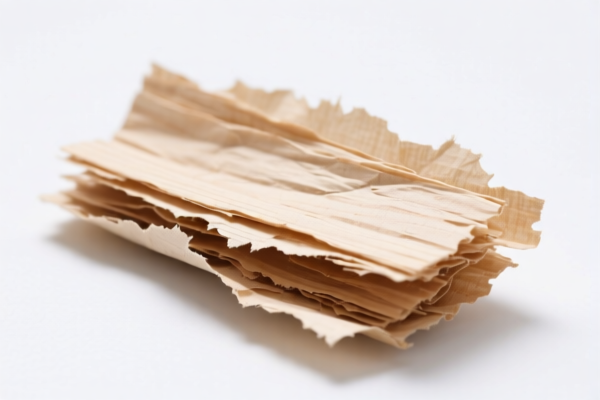
Paper classified under HS 4704 refers specifically to paper and paperboard made from pulp derived primarily from wood. It is distinct from other papers made from recycled fibers, non-wood plants (like bamboo or straw), or synthetic materials.
Within HS 4704, the subheading 4704.29.00.00 specifically targets:
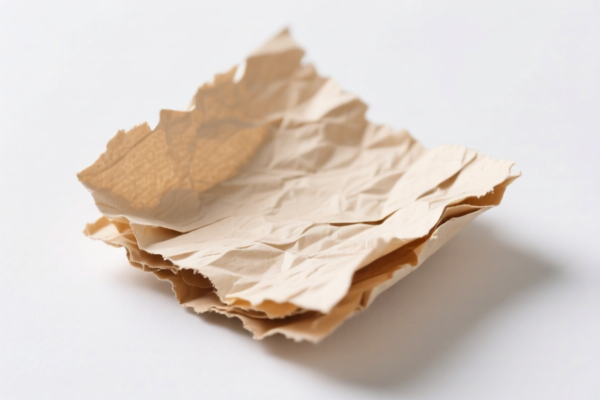
"Paper and paperboard, wholly or partly made from pulp derived mainly from coniferous trees (softwood), unbleached, weighing ≤ 150 g/m²."
⚠️ Critical Distinction Points:
- Material Origin: Must be >50% wood pulp from conifers (pine, spruce, fir). If made from hardwoods (eucalyptus, oak), it falls under 4704.30. If made from recycled content only, it may fall under 4707 (waste/scrap).
- Bleach Status: "Unbleached" means the pulp is in its natural brownish color (kraft pulp). If bleached white, it goes to 4704.19.
- Weight: "≤ 150 g/m²" is the cutoff. Heavier paper (>150 g/m²) falls under 4704.20.90 or other subheadings depending on bleaching.
- Surface Treatment: This code applies to uncoated paper. If coated with kaolin clay or calcium carbonate, it shifts to Chapter 48 (specifically 4810).
📦 II. HS Code Classification Details (2026 Latest Tariff Authority Comparison)
| HS Code | Product Description | Application Scenario | Bleaching Status | Weight | Basis |
|---|---|---|---|---|---|
4704.29.00.00 |
Paper/Paperboard from coniferous pulp, unbleached, ≤150 g/m² | Kraft paper bags, wrapping paper, brown cardboard cores, industrial liners | ❌ Unbleached | ≤150 g/m² | Wood Pulp |
4704.19.00.00 |
From coniferous pulp, bleached, ≤150 g/m² | Copy paper, tissue, fine printing paper (softwood base) | ✅ Bleached | ≤150 g/m² | Wood Pulp |
4704.30.00.00 |
From non-coniferous (hardwood) pulp, unbleached, ≤150 g/m² | Recycled cardboard base, some packaging papers | ❌ Unbleached | ≤150 g/m² | Non-Coniferous Wood |
4704.20.90.00 |
From coniferous pulp, unbleached, >150 g/m² | Heavy-duty cardboard, corrugated base stock, carton board | ❌ Unbleached | >150 g/m² | Wood Pulp |
4707.30.00.00 |
Waste and scrap of paper (unbleached kraft) | Recycled material, old shipping boxes, discarded kraft paper | N/A | N/A | Recycled |
🔍 Key Reminder:
- Do not confuse with "Recycled Paper": If the paper is made primarily from recovered paper (waste/scrap), it is NOT HS 4704. It is HS 4707.
- Do not confuse with "Coated Paper": If the unbleached paper is coated for gloss, it is HS 4810.
- Coniferous vs. Non-Coniferous: In the US/EU, the origin of the wood (pine/spruce vs. eucalyptus/birch) matters for this 8-digit classification.
💰 III. 2026 Latest Tariff Rate Details (Including Surtaxes & Policy Add-ons)
✅ Applicable Country: United States (US)
✅ Country of Origin: China (CN)
✅ Effective Date: November 10, 2025 (and subsequent imports)
🎯 1. 4704.29.00.00 —— Unbleached Coniferous Paper (<150g/m²)
| Item | Content |
|---|---|
| Base Tariff Rate | 0% (ad valorem) |
| USITC Surtax (Section 301) | +25% (Footnote 9903.88.01) |
| IEEPA Surtax | +10% (For Chinese/HK products, effective Nov 10, 2025) |
| Total Tariff Rate | 35% |
| Tax Calculation | CIF Value × 35% |
| De Minimis Eligibility | ❌ Denied (deny_de_minimis) |
| Legal Basis Path | IEEPA:9903.01.25 → USITC:4704.29.00.00 → FOOTNOTE:9903.88.01 |
📌 Explanation:
- The 25% Section 301 duty applies to a wide range of industrial and consumer goods from China, including paper products.
- The 10% IEEPA duty is a new layer added in late 2025 targeting specific Chinese imports.
- Total 35% is a significant cost burden. Many importers shift sourcing to Vietnam, Malaysia, or Brazil to avoid these surtaxes.
🎯 2. Contrast: Bleached Paper (4704.19.00.00)
| Item | Content |
|---|---|
| Base Tariff Rate | 0% |
| USITC Surtax (Section 301) | +25% |
| IEEPA Surtax | +10% |
| Total Tariff Rate | 35% |
| Note | Tax rates are identical for unbleached/coniferous variants in this weight class. |
🛠️ IV. Customs Clearance Practical Advice (Battle-Tested Pitfall Guide)
✅ 1. Required Documentation Checklist (Mandatory)
| Document | Mandatory | Explanation |
|---|---|---|
| ✅ Product Specification Sheet | ✔️ | Must state: Pulp source (Coniferous/Non-Coniferous), Bleaching process, Basis Weight (g/m²), Dimensions. |
| ✅ Certificate of Origin (CO) | ✔️ | Critical for verifying country of origin to apply surtaxes correctly. |
| ✅ Commercial Invoice | ✔️ | Must describe goods as "Unbleached Kraft Paper from Coniferous Pulp". Vague terms like "Paper" risk rejection. |
| ✅ Packing List | ✔️ | Include gross/net weight, number of rolls/sheets, pallet dimensions. |
| ✅ MSDS (if applicable) | ❌ | Generally not required for plain paper, but if treated with fire retardants or chemicals, provide MSDS. |
✅ 2. Declaration Tips (Key Mnemonics)
🔥 "Conifer? Unbleached? Under 150? Then 4704.29!"
| Scenario | Correct HS Code | Wrong Practice | Consequence |
|---|---|---|---|
| Brown Kraft Paper (Pine pulp, thin) | 4704.29.00.00 |
Declaring as "Cardboard" (4808) | Misclassification penalty + 0% vs 35% error |
| White Copy Paper (Pine pulp) | 4704.19.00.00 |
Declaring as Unbleached | Wrong subheading, potential audit |
| Recycled Brown Bags | 4707.30.00.00 |
Declaring as Virgin Pulp | Heavy fraud risk if proven recycled |
| Heavy Brown Cardboard (>150g) | 4704.20.90.00 |
Declaring as <150g | Misclassification, delayed customs |
✅ 3. Special Cases Handling
| Situation | Handling Advice |
|---|---|
| Mixed Pulp (Wood + Bamboo) | If wood pulp is >50%, it may still fall under 4704. Provide pulp composition analysis. |
| Paper Rolls vs. Sheets | Both are covered under 4704. Specify "Rolled" or "Cut Sheets" in description, but HS remains same. |
| Coated Unbleached Paper | If coated with clay, it becomes HS 4810. Do not declare as 4704. |
| Tissue Paper (Unbleached) | If <150g/m² and coniferous, it is 4704.29. If very soft/thin (<100g), ensure it doesn't fall under Chapter 48 (Tissues). |
🌍 V. Global Major Market Clearance Comparison (2026 Latest)
| Country/Region | Recommended HS Code | Tariff Rate (China Origin) | Certification Requirements | Notes |
|---|---|---|---|---|
| 🇺🇸 USA | 4704.29.00.00 |
35% (25% Sec 301 + 10% IEEPA) | None for plain paper | High duty burden; consider sourcing from SE Asia |
| 🇨🇳 China | 4704.29.00.00 |
0% (Import Duty) | CCC (if specific types) | Major importer of raw pulp/paper |
| 🇪🇺 EU | 4704.29.00.00 |
0% (Standard MFN) | REACH (if chemicals present) | No Section 301 equivalent, but CBAM may apply indirectly via energy costs |
| 🇬🇧 UK | 4704.29.00.00 |
0% | UKCA (if treated) | Post-Brexit tariff aligns with EU for most paper |
| 🇻🇳 Vietnam | 4704.29.00.00 |
0-5% (depending on FTAs) | None | Emerging hub for paper processing; lower labor cost |
📌 Conclusion:
- USA is the highest-cost market due to叠加 tariffs.
- EU/UK are duty-free for basic paper, making them competitive for value-added processing.
- Supply Chain Strategy: For US market, consider transshipment risk – simply changing label to "Made in Vietnam" without substantial transformation is illegal. Ensure value-addition >30-50% in third country.
📌 VI. Common Errors & Pitfall Guide (Blood & Tears Lessons)
❌ Mistake 1: Declaring "Paper" without specifying pulp type
👉 Result: Customs may assign a default higher duty or request extensive documentation, causing delays.
❌ Mistake 2: Confusing "Unbleached Kraft" (4704) with "Recycled Paper" (4707)
👉 Result: If the paper contains significant virgin fiber, declaring it as 4707 (recycled) is misclassification. 4707 often has lower duties, leading to underpayment penalties.
❌ Mistake 3: Ignoring Basis Weight (>150g/m²)
👉 Result: Shipping heavy cardboard (180g/m²) as 4704.29 (for <150g). Customs may reclassify to 4704.20.90, which might have different duty rates or quotas.
❌ Mistake 4: Using "Cardboard" loosely
👉 Result: "Cardboard" is a common term, not a legal HS term. Must specify: "Paperboard, unbleached, coniferous, 120g/m²".
✅ Correct Practice:
"Virgin Kraft Paper, Unbleached, Made from Coniferous Pulp, Basis Weight 120 g/m², Roll Width 1000mm, USITC Code 4704.29.00.00"
🎯 VII. Conclusion: Precise Classification, Cost Control!
🎯 Remember the Mantra:
🔹 "Conifer, Unbleached, Light (<150g) = 4704.29"
🔹 "Recycled = 4707 (Don't mix them!)"
🔹 "USA Duty = 35% (Plan your supply chain!)"
📌 Pro Tip:
If you are importing large volumes into the USA, consider duty drawback if the paper is re-exported. Also, explore FTAs (Free Trade Agreements) with countries like Mexico, Australia, or Chile for lower tariffs. For China-origin goods, the 35% rate is fixed; no FTAs currently exempt Chinese paper from Section 301.
📣 Immediate Action:
📞 Contact your customs broker with the Pulp Composition Report and Basis Weight Certificate.
🚀 Apply for a Binding Ruling if the product is unique to avoid future disputes.
💼 Your profit margin depends on correct HS code – don't let a 25% surprise erode your business!
✨ Professional Customs Clearance Starts with Accurate Classification!
💼 Every Percent Saved is Pure Profit!
Customer Reviews
About HS Code Classification
The Harmonized System (HS) is an internationally standardized nomenclature developed by the World Customs Organization (WCO) to classify traded products. Over 200 countries use the HS system as the basis for customs tariffs, trade statistics, and import/export regulations.
Each HS code follows a hierarchical structure:
- Chapter (2 digits) — Broad category of goods (e.g., Chapter 84: Machinery and Mechanical Appliances)
- Heading (4 digits) — More specific grouping within the chapter
- Subheading (6 digits) — Internationally standardized breakdown, used by all WCO member countries
- National subdivisions (8-10 digits) — Country-specific extensions for further classification, such as US HTSUS 10-digit codes
Correct HS code classification is essential for smooth customs clearance, accurate duty payment, and compliance with trade regulations. Misclassification can lead to customs delays, overpayment of duties, or penalties.
When importing from CN to US, the applicable tariff rates may include:
- Most-Favored-Nation (MFN) rate — The standard duty rate applied to WTO members
- General rate — Applied to countries without trade agreements
- Trade remedy duties — Additional tariffs such as Section 301 (anti-dumping), Section 232 (national security), or countervailing duties
The information provided on this page is for reference purposes only. For official classification, please consult with your local customs authority or a licensed customs broker.