paper plates
CN → US| HS Code | Tariff Rate | Origin | Destination | Doc |
|---|---|---|---|---|
| 4823610020 | 35.0% | CN | US | Official Doc |
| 4823690040 | 35.0% | CN | US | Official Doc |
Product Images
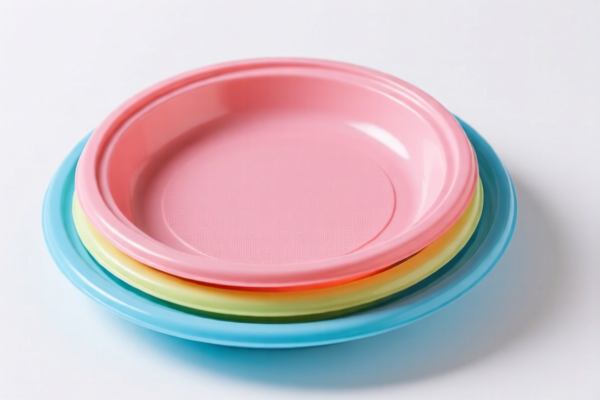
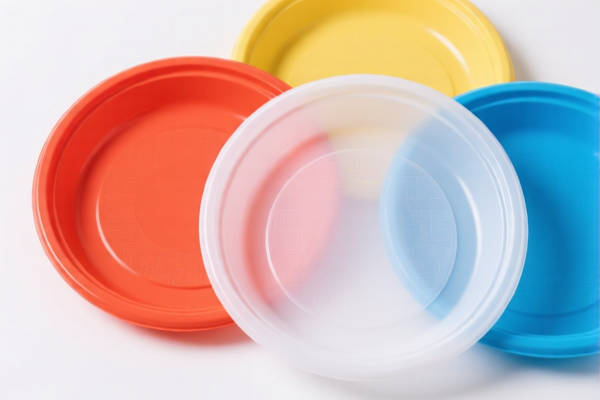
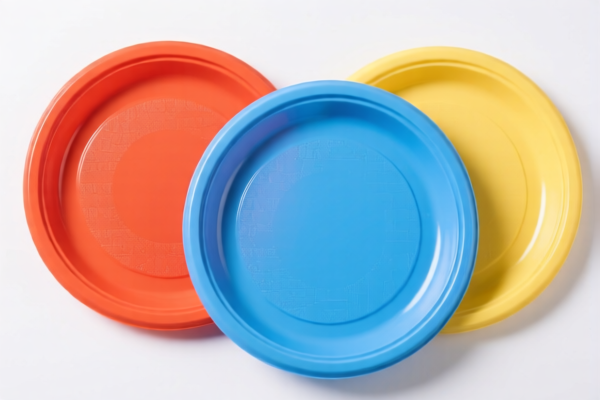
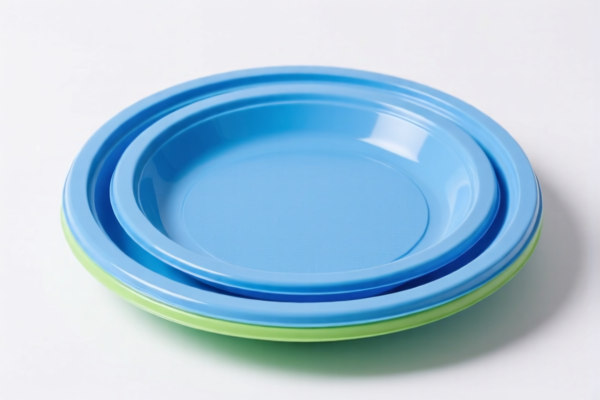
AI Analysis
🥗 Paper Plates & Bamboo Cups (Trays, Dishes, Plates, Cups)
🌐 HS Code Reference & Customs Clearance Guide | 2026 Latest Tariff Analysis | Professional Compliance Strategy
📌 I. Product Definition & Classification: Do You Know Your Paperware?
Paper plates, cups, and food containers are ubiquitous in the food service industry, catering, and retail. In international trade, they are strictly categorized under Heading 4823 (Other paper, paperboard, cellulose wadding and webs of cellulose fibers, cut to size or shape; other articles of paper pulp, paper, paperboard, cellulose wadding or webs of cellulose fibers).
The critical distinction lies in the material composition:
1. Standard Paper/Paperboard Products
Most conventional paper plates, trays, and molded pulp containers fall under subheadings 4823.61 (of bamboo) or 4823.69 (other). If the product is made from recycled paper or standard wood pulp, it generally falls under 4823.69.
2. Bamboo-Derived Products
If the cup, plate, or container is explicitly made from bamboo fibers, it must be classified under 4823.61. This is a common distinction for "eco-friendly" or "bamboo fiber" tableware.
⚠️ Key Distinction Point:
- If the product is made from bamboo fibers → Classify under 4823.61.00.20
- If the product is made from other paper/pulp/materials (standard paper plates, plastic-coated paper) → Classify under 4823.69.00.40
- Note: The description "Cups and round nested food containers" specifically points to 4823.61.00.20 if made of bamboo.
📦 II. HS Code Classification Details (2026 Latest Tariff Authority Reference)
| HS Code | Product Description | Material Composition | Applicable Scenario |
|---|---|---|---|
4823.61.00.20 |
Trays, dishes, plates, cups, etc., of bamboo (Specifically: Bamboo Cups & round nested food containers) |
100% Bamboo Fiber / Bamboo Pulp | Eco-friendly bamboo bowls, bamboo-fiber cups, bamboo-based nesting food containers |
4823.69.00.40 |
Other trays, dishes, plates, cups, etc. (Other) | Standard Paper, Paperboard, Mixed Pulp, Plastic-Coated Paper | Standard disposable paper plates, cardboard trays, styrofoam-like paper pulp containers, plastic-lined paper cups |
🔍 Important Reminder:
- "Paper Plates": Typically fall under 4823.69.00.40 unless explicitly certified as "bamboo fiber" products.
- Coatings/Linings: If the paper plate has a plastic (PE) lining for liquid resistance, it still generally falls under 4823.69 (as the base material is paper), unless the plastic coating makes it essentially a plastic article (which would shift it to Chapter 39, but standard food service paper plates remain in 4823).
- Bamboo Claim: Misdeclaring standard paper plates as "bamboo" to seek different treatment is a high-risk customs violation. Ensure material certification is available.
💰 III. 2026 Latest Tariff Rate Details (Including Surcharge & Policy Add-ons)
✅ Applicable Country: United States (US)
✅ Country of Origin: China (CN)
✅ Effective Time: From November 10, 2025 (including subsequent imports)
🎯 1. 4823.61.00.20 — Trays, Dishes, Plates, Cups of Bamboo
| Item | Content |
|---|---|
| Base Tariff | 0% (ad valorem) |
| Additional Tariff (Section 301/USITC) | 0.0% |
| Total Tariff Rate | 0.0% |
| Tax Calculation | CIF Value × 0% = $0 |
| De Minimis Exemption Available? | ❌ No (Deny de minimis for Chinese-origin goods under Section 321) |
| Legal Authority Path | USITC:4823.61.00.20 |
📌 Explanation:
- 0% Total Rate: Unlike many other Chinese goods, bamboo-derived paper products (specifically cups and nested containers under this specific subheading) currently face 0% additional tariffs from the US.
- Why? This specific HS code (4823.61.00.20) is not currently listed in the primary Section 301 lists that trigger the 25% tariff for paper products.
- Caution: Tariff policies change frequently. Always verify the current status with a customs broker before shipment, as the "bamboo" classification is subject to strict material scrutiny.
🎯 2. 4823.69.00.40 — Other Trays, Dishes, Plates, Cups (Other)
| Item | Content |
|---|---|
| Base Tariff | 0% (ad valorem) |
| Additional Tariff (Section 301/USITC) | +25.0% |
| Total Tariff Rate | 25.0% |
| Tax Calculation | CIF Value × 25% |
| De Minimis Exemption Available? | ❌ No (Deny de minimis for Chinese-origin goods under Section 321) |
| Legal Authority Path | USITC:4823.69.00.40 → FOOTNOTE:9903.88.01 (Section 301 List 4A) |
📌 Explanation:
- 25% Total Rate: Standard paper plates, cardboard trays, and non-bamboo paper cups are subject to a 25% additional tariff.
- Base Rate is 0%: The MFN (Most Favored Nation) base rate for paper products is often 0%, but the Section 301 punitive tariff adds 25%, making the total effective rate 25%.
- High Cost Impact: This is a significant cost driver for manufacturers exporting standard disposable tableware from China to the US.
🛠️ IV. Customs Clearance Practical Advice (Real-World Pitfall Guide)
✅ 1. Required Documentation Checklist (No Exceptions)
| Document | Required | Description |
|---|---|---|
| ✅ Product Specification Sheet | ✔️ | Must clearly state material composition (e.g., "100% Bamboo Fiber" vs. "Wood Pulp + PE Coating"). |
| ✅ Material Certification | ✔️ | For HS 4823.61.00.20, provide proof that the product is made of bamboo. Lab reports or supplier declarations are recommended. |
| ✅ Commercial Invoice | ✔️ | Must specify "Paper Cups" or "Bamboo Cups" explicitly. Avoid vague terms like "Tableware" without material details. |
| ✅ Packing List | ✔️ | Detailed breakdown of weights and dimensions. |
| ✅ Certificate of Origin (CO) | ✔️ | Crucial for determining eligibility for any potential exemptions (though unlikely for China origin under current rules). |
| ✅ Food Contact Safety Declaration | ✔️ | FDA compliance statement (if applicable) to prove the product is safe for food contact. |
✅ 2. Declaration Tips (Critical Rules)
🔥 "Material Truth, HS Code Precision, Tax Savings Half!"
| Scenario | Correct Declaration | Wrong Action |
|---|---|---|
| Standard Paper Plates | HS: 4823.69.00.40Desc: "Paper Plates, Wood Pulp" |
Misdeclare as "Bamboo" → Risk of fraud, penalties, and retroactive tax + 25% tariff on top of any penalties. |
| Bamboo Fiber Cups | HS: 4823.61.00.20Desc: "Cups, 100% Bamboo Fiber" |
Overstate bamboo content → Customs may reject and reclassify to 4823.69, imposing 25% tax + fines. |
| Paper Plates with Plastic Lining | HS: 4823.69.00.40 |
Declare as "Plastic Plates" (Chapter 39) → Incorrect. Paper-based articles with light coating usually stay in Chapter 48. |
| Mixed Shipment (Bamboo + Paper) | Split Declaration | Combine in one line item → High risk of audit. Split clearly by HS Code. |
✅ 3. Special Situations Handling
| Situation | Handling Advice |
|---|---|
| "Bamboo" Claims | Ensure the product is not just "paper-colored" but physically contains bamboo fibers. US Customs (CBP) frequently tests this. |
| Private Label (OEM) | Provide OEM agreements and design specs. The HS code depends on material, not brand. |
| Sample Shipments | Even samples from China are subject to de minimis rules (or lack thereof). Declare accurately. |
| Packaging Materials | If the paper plates are shipped in cardboard boxes, the boxes are separate. Boxes may have different duties, but the product itself dictates the main classification. |
🌍 V. Global Market Comparison (2026 Latest)
| Country/Region | Recommended HS Code | Tariff (China Origin) | Certification Requirements | Notes |
|---|---|---|---|---|
| 🇺🇸 USA | 4823.69.00.40 (Standard)4823.61.00.20 (Bamboo) |
25% (Standard) 0% (Bamboo*) |
FDA Food Contact Notification | *Bamboo rate subject to change; verify current Section 301 exclusions. |
| 🇨🇳 China (Import) | 4823.69 / 4823.61 |
0-10% (MFN) | China FDA (CFDA) Registration | Standard import duties apply; no punitive tariffs. |
| 🇪🇺 EU | 4823.69 |
0% (Most cases) | CE / FDA Equivalent | No additional punitive tariffs; strict food safety standards. |
| 🇬🇧 UK | 4823.69 |
0-5% | UKCA / Food Standards Agency | Post-Brexit rules may vary; check UK Tariff Calculator. |
| 🇨🇦 Canada | 4823.69 |
0% (CUSMA Eligible if North American origin) | Health Canada | If originating in US/Mexico, 0% under CUSMA. |
📌 Conclusion:
- USA is the most challenging market due to the 25% Section 301 tariff on standard paper products.
- Bamboo products enjoy a 0% rate under the specific HS4823.61.00.20, making them a strategic alternative for exporters.
- Misclassification is the biggest risk: Claiming bamboo when it’s paper leads to severe penalties.
📌 VI. Common Mistakes & Pitfall Guide (Blood-Tears Lessons)
❌ Mistake 1: Declaring standard paper plates as "Bamboo" to avoid the 25% tariff.
👉 Consequence: Customs inspection reveals non-bamboo material. Back taxes (25%) + Penalties + Possible seizure.
❌ Mistake 2: Ignoring the plastic lining.
👉 Consequence: If the lining is thick, customs might argue it’s a plastic article (Chapter 39), leading to different duty rates and compliance issues (e.g., plastic taxes in the EU).
❌ Mistake 3: Using vague descriptions like "Disposable Tableware" on the invoice.
👉 Consequence: CBP may refuse to process the entry or assign a random HS code, causing delays and storage fees.
❌ Mistake 4: Assuming "De Minimis" ($800) applies.
👉 Consequence: For China-origin goods, de minimis is denied for Section 301 items. Even small shipments are subject to duties and formal entry requirements.
✅ Correct Approach:
"Bamboo Fiber Cups, 16oz, Unbleached, FDA Compliant, Model ABC" (for HS 4823.61.00.20)
"Paper Plates, 9-inch, White, Food Grade, Model XYZ" (for HS 4823.69.00.40)
🎯 VII. Conclusion: Professional Declaration, Time-Saving, Cost-Efficient!
🎯 Remember the Mantra:
🔹 "Bamboo is Zero, Paper is Twenty-Five. Verify Material, Avoid the Jive!"
🔹 "HS Code Dictates Cost. A 25% Gap Means Serious Loss."
📌 Pro Tip:
If your product is partially bamboo, ensure the bamboo content is significant enough to justify the "of bamboo" classification under HTSUS 4823.61. Consult with a customs attorney or broker for material percentage thresholds.
For standard paper plates, budget for the 25% tariff or consider sourcing from non-China countries (e.g., Vietnam, India) if tariff engineering is possible.
📣 Immediate Action:
📞 Contact a licensed customs broker + Provide material test reports + Apply for Advance Ruling if shipping large volumes.
🚀 Ensure your paper plates clear customs smoothly, avoid delays, and protect your profit margins!
✨ Professional clearance starts with accurate classification!
💼 Every cent of tariff is worth calculating precisely!
Customer Reviews
About HS Code Classification
The Harmonized System (HS) is an internationally standardized nomenclature developed by the World Customs Organization (WCO) to classify traded products. Over 200 countries use the HS system as the basis for customs tariffs, trade statistics, and import/export regulations.
Each HS code follows a hierarchical structure:
- Chapter (2 digits) — Broad category of goods (e.g., Chapter 84: Machinery and Mechanical Appliances)
- Heading (4 digits) — More specific grouping within the chapter
- Subheading (6 digits) — Internationally standardized breakdown, used by all WCO member countries
- National subdivisions (8-10 digits) — Country-specific extensions for further classification, such as US HTSUS 10-digit codes
Correct HS code classification is essential for smooth customs clearance, accurate duty payment, and compliance with trade regulations. Misclassification can lead to customs delays, overpayment of duties, or penalties.
When importing from CN to US, the applicable tariff rates may include:
- Most-Favored-Nation (MFN) rate — The standard duty rate applied to WTO members
- General rate — Applied to countries without trade agreements
- Trade remedy duties — Additional tariffs such as Section 301 (anti-dumping), Section 232 (national security), or countervailing duties
The information provided on this page is for reference purposes only. For official classification, please consult with your local customs authority or a licensed customs broker.