paper roll holder
CN → US| HS Code | Tariff Rate | Origin | Destination | Doc |
|---|---|---|---|---|
| 3924104000 | 13.4% | CN | US | Official Doc |
| 4420110030 | 13.2% | CN | US | Official Doc |
| 4420110010 | 13.2% | CN | US | Official Doc |
| 3924905650 | 20.9% | CN | US | Official Doc |
| 7323999030 | 88.4% | CN | US | Official Doc |
Product Images
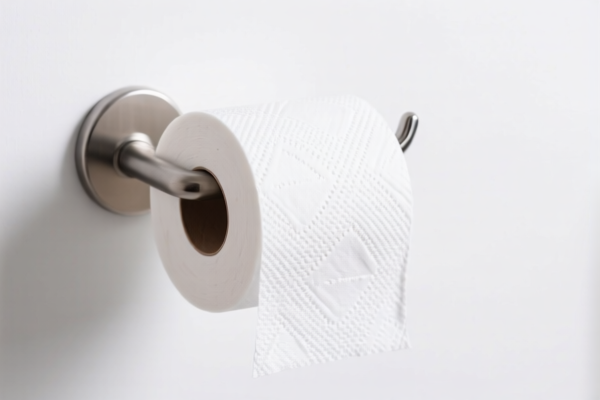
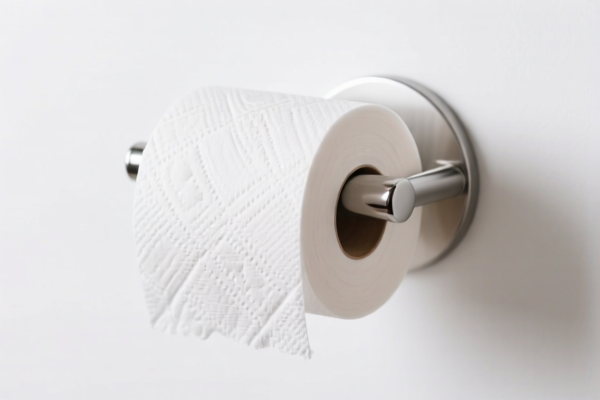
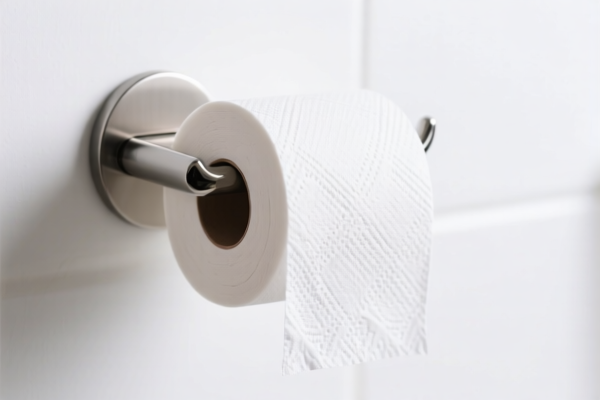
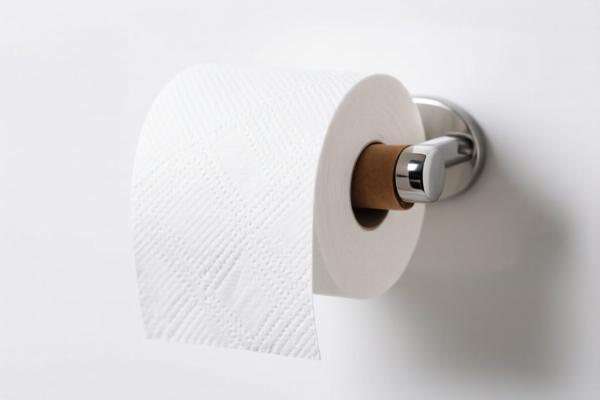
AI Analysis
🧻 Paper Roll Holder (Kitchen & Bathroom Paper Tissue Dispensers)
🌐 HS Code Reference & Customs Clearance Guide | 2026 Latest Tariff Analysis | Professional Clearance Strategy
📌 Product Definition & Classification: What Exactly is a "Paper Roll Holder"?
A Paper Roll Holder (also known as a Kitchen Paper Towel Holder or Toilet Paper Dispenser) is a functional accessory designed to support and dispense paper rolls. In international trade, these are strictly classified based on their material composition.
Critical Distinction: * Plastic Holders: Made primarily of polymers → Classified under Chapter 39. * Wood/Bamboo Holders: Made primarily of wood or bamboo → Classified under Chapter 44. * Metal Holders: Made primarily of steel, aluminum, or copper → Classified under Chapter 73 (or 76/74 for non-ferrous metals). * Mixed Materials: If the holder contains multiple materials, classification follows the essential character or specific subheadings for parts/accessories.
⚠️ Key Warning:
- Do not lump all holders under one code. The material dictates the HS Code and, crucially, the Tariff Rate.
- Metal holders face the highest tariffs (up to 88.4%) due to Section 232/301 measures.
- Plastic and Wood holders face significantly lower base tariffs, making them more cost-effective for importation into markets with high protectionist policies.
📦 II. HS Code Classification Matrix (2026 Latest Tariff Authority)
Based on the provided data, here is the precise classification for Paper Roll Holders:
| HS Code | Product Description | Material | Primary Use Case |
|---|---|---|---|
| 3924.10.40.00 | Plastic Tableware, Kitchenware, Toilet Articles, other | Plastic | Standard kitchen paper towel racks; bathroom tissue holders |
| 4420.11.00.30 | Wooden articles, furniture of a kind used in bedrooms, kitchens, offices, etc., and parts thereof | Wood/Bamboo | Wooden or bamboo kitchen paper towel racks; decorative wooden holders |
| 4420.11.00.10 | Parts and accessories for wooden articles (HS 4420.11) | Wood/Bamboo | Wooden or bamboo parts for paper towel racks (e.g., individual brackets, joints) |
| 3924.90.56.50 | Other plastic tableware, kitchenware, toilet articles, other | Plastic | Other plastic holders not specifically listed under 3924.10 (e.g., specialized dispensers) |
| 7323.99.90.30 | Table, kitchen or other household articles and parts thereof, of iron or steel | Metal (Steel/Aluminum/Copper) | Metal kitchen paper towel racks; stainless steel dispensers |
🔍 Important Note:
- 3924.10.40.00 is the most common code for standard plastic kitchen paper holders.
- 4420.11.00.30 covers complete wooden/bamboo units.
- 4420.11.00.10 is for wooden parts only (e.g., if you ship unassembled wooden brackets).
- 7323.99.90.30 applies to metal holders. Note the high tariff risk.
💰 III. 2026 Tariff Rate Breakdown (Including Additional Duties & Policy Surcharges)
✅ Scope: Based on provided data
✅ Origin: Likely China (given "Section 122" and "Section 301" references in tax details)
✅ Market: United States (Implied by "Section 301/122" terminology)
🎯 1. 3924.10.40.00 – Plastic Kitchen Paper Holder
| Item | Content |
|---|---|
| Base Tariff | 3.4% (Ad Valorem) |
| Additional Tariff (Section 301) | 0.0% |
| Section 122 Tariff | 10% |
| Total Tariff Rate | 13.4% |
| Tax Calculation | CIF Value × 13.4% |
| De Minimis Eligibility | ❌ No (Typically, goods subject to Section 122/301 are excluded from de minimis exemptions) |
📌 Explanation:
- Base Tariff: 3.4% is the standard Most Favored Nation (MFN) rate for plastic tableware.
- Section 122: This refers to specific additional duties often applied to certain Chinese goods.
- No Section 301: Interestingly, this specific plastic code is not currently subject to the heavy 25% Section 301 tariff, making it a low-risk entry point.
🎯 2. 4420.11.00.30 – Wooden/Bamboo Paper Holder
| Item | Content |
|---|---|
| Base Tariff | 3.2% (Ad Valorem) |
| Additional Tariff (Section 301) | 0.0% |
| Section 122 Tariff | 10% |
| Total Tariff Rate | 13.2% |
| Tax Calculation | CIF Value × 13.2% |
| De Minimis Eligibility | ❌ No |
📌 Explanation:
- Similar to plastic, wooden kitchenware holders face a low base tariff and a 10% Section 122 duty.
- Total 13.2% is highly competitive compared to metal alternatives.
🎯 3. 4420.11.00.10 – Wooden/Bamboo Parts for Paper Holder
| Item | Content |
|---|---|
| Base Tariff | 3.2% (Ad Valorem) |
| Additional Tariff (Section 301) | 0.0% |
| Section 122 Tariff | 10% |
| Total Tariff Rate | 13.2% |
| Tax Calculation | CIF Value × 13.2% |
| De Minimis Eligibility | ❌ No |
📌 Note:
- This code is for parts only (e.g., separate wooden brackets).
- If shipped as a complete assembled holder, it must be declared under 4420.11.00.30. Misdeclaring a complete unit as "parts" is a major compliance risk.
🎯 4. 3924.90.56.50 – Other Plastic Paper Holder
| Item | Content |
|---|---|
| Base Tariff | 3.4% (Ad Valorem) |
| Additional Tariff (Section 301) | 7.5% |
| Section 122 Tariff | 10% |
| Total Tariff Rate | 20.9% |
| Tax Calculation | CIF Value × 20.9% |
| De Minimis Eligibility | ❌ No |
📌 Explanation:
- This code is for other plastic items not covered under 3924.10.
- It incurs an additional 7.5% Section 301 tariff, making it 7.5% higher than the standard plastic holder code.
- Avoid this code if your product fits3924.10.40.00.
🎯 5. 7323.99.90.30 – Metal Paper Holder
| Item | Content |
|---|---|
| Base Tariff | 3.4% (Ad Valorem) |
| Additional Tariff (Section 301) | 25.0% |
| Section 122 Tariff | 10% |
| Additional Metal Surcharge | 50% (For Steel, Aluminum, Copper) |
| Total Tariff Rate | 88.4% |
| Tax Calculation | CIF Value × 88.4% |
| De Minimis Eligibility | ❌ No |
📌 Critical Warning:
- This is the highest tariff bracket.
- Breakdown:
1. Base: 3.4%
2. Section 301: +25%
3. Section 122: +10%
4. Metal Surcharge: +50% (Specific to ferrous/non-ferrous metals under recent trade actions)
- Total: 88.4% – This makes metal holders extremely unprofitable for direct import from high-tariff origins unless the margin is very high.
🛠️ IV. Customs Clearance Practical Advice (Pitfall Avoidance Guide)
✅ 1. Documentation Checklist (Non-Negotiable)
| Document | Mandatory? | Notes |
|---|---|---|
| ✅ Product Specification Sheet | ✔️ | Must clearly state Material (Plastic/Wood/Metal) and Function (Paper Roll Holder) |
| ✅ Commercial Invoice | ✔️ | Must accurately describe goods: e.g., "Plastic Kitchen Paper Towel Holder" – NOT just "Holder" |
| ✅ Packing List | ✔️ | List each item clearly. If mixed materials, specify the primary material |
| ✅ Material Declaration | ✔️ | Crucial for metal products to verify if steel, aluminum, or copper is used |
| ✅ Country of Origin Certificate | ✔️ | Required for tariff calculation and Section 122/301 applicability |
| ✅ Photos (Clear & Detailed) | ✔️ | Show the entire product and any labels/manufacturing marks |
✅ 2. Declaration Strategies (Key Mnemonics)
🔥 "Material Defines Code, Complete vs. Parts, Avoid Metal if Possible!"
| Scenario | Correct Declaration | Incorrect Declaration | Consequence |
|---|---|---|---|
| Complete Plastic Holder | 3924.10.40.00 |
3924.90.56.50 |
Pay 20.9% instead of 13.4% |
| Complete Wooden Holder | 4420.11.00.30 |
4420.11.00.10 |
Misclassification penalty + potential audit |
| Wooden Brackets (Unassembled) | 4420.11.00.10 |
4420.11.00.30 |
Overpayment or rejection if not truly "parts" |
| Metal Holder | 7323.99.90.30 |
Any other code | 88.4% Tariff – Ensure no other classification applies |
| Mixed Material (e.g., Plastic Handle, Metal Base) | Determine Essential Character | Split declaration | Risk of reclassification and penalties |
✅ 3. Special Cases & Handling
| Scenario | Handling Advice |
|---|---|
| OEM Custom Holders | Provide client design drawings. Ensure material matches HS Code description. |
| Bamboo vs. Wood | Both fall under Chapter 44. Declare as "Wooden/Bamboo" to avoid confusion. |
| Metal Holders with Plastic Coating | Still classified as Metal (Chapter 73) if the metal character is essential. |
| Parts Shipped for Assembly | Must be truly "parts" (e.g., single brackets) not "knocked-down" kits. Kits should be declared as complete goods. |
🌍 V. Global Market Comparison (2026)
| Market | Recommended HS Code | Est. Total Tariff | Notes |
|---|---|---|---|
| 🇺🇸 USA (From China) | 3924.10.40.00 / 4420.11.00.30 |
13.4% / 13.2% | Low risk for plastic/wood. Avoid Metal (88.4%). |
| 🇺🇸 USA (From Vietnam/Thailand) | Same Codes | 0% – 5% | No Section 122/301 if origin is eligible. |
| 🇨🇳 China (Import) | Same Codes | ~5-10% | Lower base rates, no additional Section 122/301. |
| 🇪🇺 EU | Same Codes | ~0-6% | Generally no high additional duties for plastic/wood. Metal may vary. |
📌 Conclusion:
- Plastic and Wood are tariff-efficient options for the US market.
- Metal holders are prohibitively expensive due to cumulative tariffs (88.4%).
- Consider supply chain diversification (e.g., sourcing from ASEAN countries) to mitigate US tariffs.
📌 VI. Common Errors & Pitfalls (Lessons Learned)
❌ Error 1: Declaring a Complete Wooden Holder as Parts (4420.11.00.10)
👉 Consequence: Customs may reject the declaration, demand reclassification, and impose penalties.
❌ Error 2: Using 3924.90.56.50 for a Standard Plastic Holder
👉 Consequence: Paying 20.9% instead of 13.4% – Unnecessary 7.5% cost increase.
❌ Error 3: Ignoring Metal Surcharge for Metal Holders
👉 Consequence: Budgeting for 38.4% but facing 88.4% – Profit margin destroyed.
❌ Error 4: Vague Description: "Paper Holder"
👉 Consequence: Customs cannot verify material → Delays, Audits, or Retention.
✅ Correct Practice:
"Plastic Kitchen Paper Towel Holder, Model XYZ, 100% Polypropylene, No Electronics, Made in China"
🎯 VII. Conclusion: Smart Classification Saves Money
🎯 Remember the Mnemonic:
🔹 "Plastic & Wood: ~13% Rate – Safe and Easy."
🔹 "Other Plastic: ~21% Rate – Check First."
🔹 "Metal: 88% Rate – Avoid if Possible!"
🔹 "Parts vs. Complete: Know the Difference!"📌 Pro Tip:
- If you are importing metal holders, consider sourcing from countries exempt from Section 301/122 (e.g., Vietnam, India, Mexico) if feasible.
- Always request a Pre-Ruling from customs if the material composition is mixed or ambiguous.
📣 Immediate Action:
📞 Verify Material: Confirm exact material composition with your supplier.
📄 Accurate Description: Use precise HS Code descriptions in all documents.
📊 Cost Calculation: Factor in 13.4% (Plastic/Wood) or 88.4% (Metal) for US imports.
✨ Professional Customs Clearance Starts with Accurate Classification!
💼 Every percentage point matters in global trade!
Customer Reviews
About HS Code Classification
The Harmonized System (HS) is an internationally standardized nomenclature developed by the World Customs Organization (WCO) to classify traded products. Over 200 countries use the HS system as the basis for customs tariffs, trade statistics, and import/export regulations.
Each HS code follows a hierarchical structure:
- Chapter (2 digits) — Broad category of goods (e.g., Chapter 84: Machinery and Mechanical Appliances)
- Heading (4 digits) — More specific grouping within the chapter
- Subheading (6 digits) — Internationally standardized breakdown, used by all WCO member countries
- National subdivisions (8-10 digits) — Country-specific extensions for further classification, such as US HTSUS 10-digit codes
Correct HS code classification is essential for smooth customs clearance, accurate duty payment, and compliance with trade regulations. Misclassification can lead to customs delays, overpayment of duties, or penalties.
When importing from CN to US, the applicable tariff rates may include:
- Most-Favored-Nation (MFN) rate — The standard duty rate applied to WTO members
- General rate — Applied to countries without trade agreements
- Trade remedy duties — Additional tariffs such as Section 301 (anti-dumping), Section 232 (national security), or countervailing duties
The information provided on this page is for reference purposes only. For official classification, please consult with your local customs authority or a licensed customs broker.