paper towel dispenser
CN → US| HS Code | Tariff Rate | Origin | Destination | Doc |
|---|---|---|---|---|
| 3926100000 | 15.3% | CN | US | Official Doc |
| 3926909989 | 22.8% | CN | US | Official Doc |
| 7324900000 | 85.0% | CN | US | Official Doc |
| 7324100050 | 88.4% | CN | US | Official Doc |
| 8479899599 | 87.5% | CN | US | Official Doc |
| 8479909596 | 85.0% | CN | US | Official Doc |
Product Images
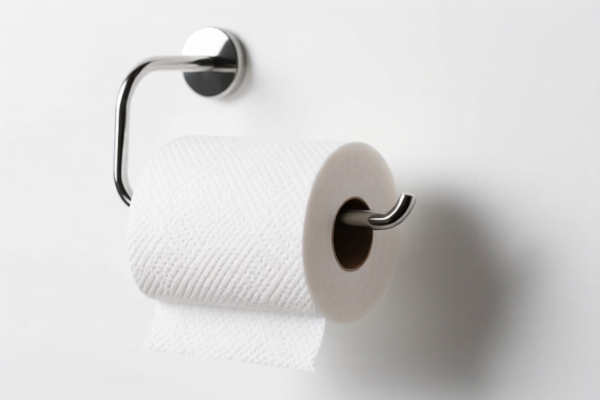
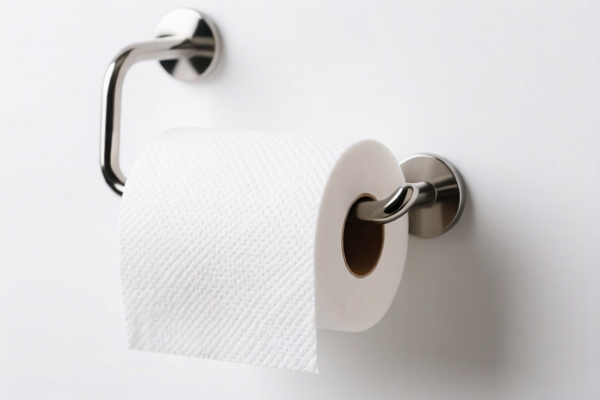
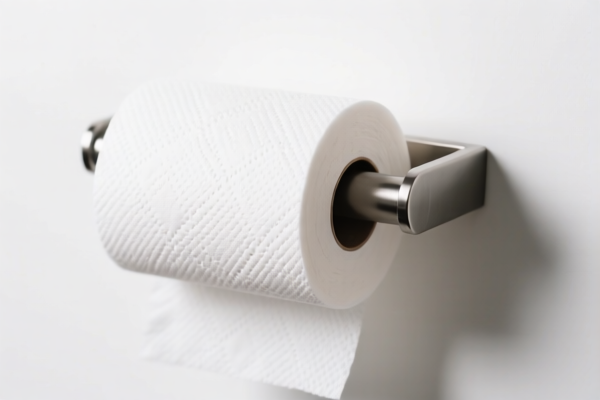
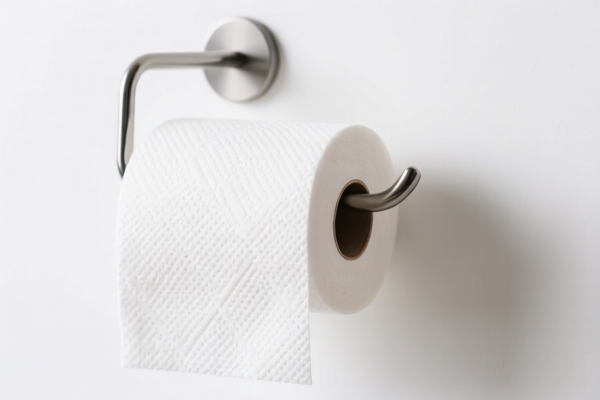
AI Analysis
🧻 Paper Towel Dispensers (卫生纸分配器)
🌐 HS Code Reference & Customs Clearance Guide | 2026 Latest Tariff Analysis | Professional Clearance Strategy
📌 I. Product Definition & Classification: Do You Really Understand "Dispensers"?
Paper towel dispensers are essential hygiene infrastructure found in commercial restrooms, offices, hospitals, and public facilities. Their classification depends entirely on what material they are made of and whether they are mechanical or simple containers.
In international trade, they are typically split into two main categories:
- Metal/Steel Dispensers: Made of iron, steel, or stainless steel. These are often robust, wall-mounted units for high-traffic areas.
- Plastic Dispensers: Made of polymers. These are common in schools, offices, and light commercial use.
⚠️ Key Distinction Point:
- If made of Iron/Steel (including stainless steel parts) → Classified under Chapter 73.
- If made of Plastics → Classified under Chapter 39.
- Note: Wooden, ceramic, or glass dispensers are rare in commercial logistics but would fall under other chapters (e.g., 44, 69, 70).
📦 II. HS Code Classification Details (2026 Latest Tariff Authority对照)
Based on the provided , here are the relevant HS Codes for Paper Towel Dispensers, categorized by material.
| HS Code | Product Description | Material | Typical Use Case |
|---|---|---|---|
7324.90.00.00 |
Sanitary ware and parts thereof, of iron or steel: Other, including parts | Iron/Steel (including Stainless Steel) | Heavy-duty commercial steel towel dispensers, stainless steel soap/dispenser combos. |
7324.10.00.50 |
Sanitary ware... of iron or steel: Sinks and wash basins... Other | Stainless Steel | Less likely for dispensers, but if the dispenser is integrated into a stainless steel sink unit as a single assembly, it might be scrutinized here. However, standalone dispensers usually go to 7324.90. |
3926.10.00.00 |
Other articles of plastics...: Office or school supplies | Plastics | Plastic paper towel dispensers used in schools, offices, or light commercial settings. |
3926.90.99.89 |
Other articles of plastics...: Other: Other Other | Plastics | Plastic dispensers that do NOT qualify as "Office or school supplies" (e.g., heavy-duty industrial plastic, specific shapes not listed elsewhere). |
8479.89.95.99 |
Machines... having individual functions... Other | Mixed/Mechanical | Rare/Exceptional. Only if the dispenser is a complex, motorized, automated machine with sensors, heating, and air drying functions (e.g., high-tech automatic hand dryers/towel dispensers). |
8479.90.95.96 |
Parts of machines... (8479) | Parts | Spare parts for automated/motorized dispensers only. |
🔍 Important Reminder:
- Most standard commercial paper towel dispensers are either Steel (7324.90) or Plastic (3926).
- Do NOT confuse "Paper Towel Dispensers" with "Hand Dryers" (which are often8479). If your product just holds paper towels and dispenses them manually or via a simple lever, it is NOT a machine under8479unless it has complex mechanical/electrical functions beyond simple dispensing.
- Stainless Steel is still considered "Iron or Steel" under HS Chapter 73.
💰 III. 2026 Latest Tariff Rate Breakdown (Including Surtaxes)
✅ Applicable Country: United States (US)
✅ Origin: China (CN) (Based on the surtax details in )
✅ Effective Date: Current rates as per
🎯 1. 7324.90.00.00 —— Steel/Iron Sanitary Ware (Paper Towel Dispenser)
| Item | Content |
|---|---|
| Basic Tariff | 0.0% |
| Section 301 Surcharge | 25.0% |
| Steel/Aluminum/Copper Surtax | 50.0% (Special Additional Duty) |
| Total Effective Tax Rate | 75.0% |
| Tax Calculation | CIF Value × 75% |
| De Minimis Exemption | ❌ Not Eligible (High tax rates exceed threshold) |
📌 Explanation:
- This is a very high tariff bracket for steel products.
- The 50% Steel Surcharge is applied on top of the 25% Section 301 tariff.
- Even though the basic duty is 0%, the total burden is 75%. This makes steel dispensers extremely costly to import into the US from China.
🎯 2. 7324.10.00.50 —— Stainless Steel Sinks/Basins (If Misclassified or Integrated)
| Item | Content |
|---|---|
| Basic Tariff | 3.4% |
| Section 301 Surcharge | 25.0% |
| Steel/Aluminum/Copper Surtax | 50.0% |
| Total Effective Tax Rate | 78.4% |
| Tax Calculation | CIF Value × 78.4% |
📌 Warning:
- If customs views your stainless steel dispenser as part of "sink assembly" or misclassifies it under this narrower code, the rate is higher (78.4%).
- Stick to7324.90.00.00for standalone dispensers to potentially avoid the 3.4% base, but the 75% total is still severe.
🎯 3. 3926.10.00.00 —— Plastic Dispensers (Office/School Supplies)
| Item | Content |
|---|---|
| Basic Tariff | 0.0% |
| Section 301 Surcharge | 0.0% |
| Steel/Aluminum/Copper Surtax | N/A (Not steel) |
| Total Effective Tax Rate | 0.0% |
| Tax Calculation | $0 |
📌 Opportunity:
- If your dispenser is made of plastic and is clearly for office or school use, you can enjoy 0% total tariff.
- This is a massive cost advantage over steel.
- Ensure your product description clearly states "Plastic" and "Office/School Use."
🎯 4. 3926.90.99.89 —— Other Plastic Articles (Non-Office/School)
| Item | Content |
|---|---|
| Basic Tariff | 5.3% |
| Section 301 Surcharge | 7.5% |
| Total Effective Tax Rate | 12.8% |
| Tax Calculation | CIF Value × 12.8% |
📌 Note:
- If the plastic dispenser is for industrial, outdoor, or specialized use (not general office/school), it falls here.
- Still much cheaper than steel (12.8% vs 75%).
🎯 5. 8479.89.95.99 & 8479.90.95.96 —— Motorized/Automated Dispensers
| Item | Content |
|---|---|
| Basic Tariff | 0.0% |
| Section 301 Surcharge | 0.0% (for machine) / 25.0% (for parts) |
| Steel/Aluminum/Copper Surtax | 50.0% (if steel parts are significant) |
| Total Effective Tax Rate | 50.0% (Machine) / 75.0% (Parts) |
📌 Caution:
- Only classify as8479if the unit is a complex machine (e.g., auto-dispensing, sensor-driven, heated).
- If it’s just a simple plastic/metal box with a lever, DO NOT use this code. Misclassification here can lead to audits.
- If using8479, the steel surcharge may still apply if major components are steel.
🛠️ IV. Customs Clearance Practical Advice (Battle-Tested Pitfall Guide)
✅ 1. Documentation Checklist (Must-Haves)
| Document | Required | Notes |
|---|---|---|
| ✅ Product Specification Sheet | ✔️ | Must clearly state material (e.g., "ABS Plastic" or "Stainless Steel 304"). |
| ✅ Photos (Clear & Detailed) | ✔️ | Show the dispenser, labels, and any moving parts. |
| ✅ Commercial Invoice | ✔️ | Description must match HS Code. E.g., "Plastic Paper Towel Dispenser for Office Use." |
| ✅ Material Declaration | ✔️ | Critical for Steel vs. Plastic classification. |
| ✅ Function Description | ✔️ | Is it manual or motorized? If motorized, provide circuit diagram if requested. |
✅ 2. Classification Strategy (Key Mnemonic)
🔥 "Steel is 75%, Plastic is 0%, Office Supplies Rule!"
| Scenario | Correct HS Code | Total Tax | Wrong Way To Classify |
|---|---|---|---|
| Plastic Dispenser for Offices | 3926.10.00.00 |
0.0% | Classify as 3926.90 → 12.8% tax wasted. |
| Steel/Stainless Dispenser | 7324.90.00.00 |
75.0% | Try to classify as plastic → Audit & Penalty. |
| Motorized Hand Dryer/Dispenser | 8479.89.95.99 |
50.0% | Classify as 7324 → Potential misdeclaration. |
| Simple Plastic Box (General Use) | 3926.90.99.89 |
12.8% | Classify as 3926.10 if not for office/school → Audit risk. |
✅ 3. Special Handling Tips
| Situation | Recommendation |
|---|---|
| Plastic Content High, Steel Frame Low | If >95% of value is plastic, argue for 3926.10. However, steel surcharge applies if "essentially steel." |
| Hybrid Units (Plastic Body, Steel Bracket) | Usually classified by the primary material or essential character. If plastic body dominates, 3926 may apply. |
| "Office Supplies" Definition | Ensure the product is marketed for schools, offices, or commercial buildings. Avoid "industrial" or "hazardous area" labels if claiming 3926.10. |
| Stainless Steel Dispensers | Expect 75% tax. Consider sourcing from non-China origins or switching to plastic designs if cost-sensitive. |
🌍 V. Global Market Comparison (2026 Latest)
| Country/Region | Recommended HS Code | Tariff (China Origin) | Notes |
|---|---|---|---|
| 🇺🇸 USA | 3926.10.00.00 (Plastic) |
0.0% | Best option for plastic. |
| 🇺🇸 USA | 7324.90.00.00 (Steel) |
75.0% | Very high cost. |
| 🇪🇺 EU | 3924.10.00 (Plastic) |
~1.7% | No Section 301. |
| 🇪🇺 EU | 7324.90 (Steel) |
~2.7% + VAT | No steel surcharge in EU. |
| 🇨🇳 China | 3926.10 / 7324.90 |
Low Import Duty | No 301 tariffs. |
📌 Conclusion:
- US Market: Plastic dispensers (3926.10) are tax-free. Steel dispensers (7324.90) are heavily taxed.
- Strategy: Prioritize plastic materials for US exports to maximize margin. If steel is required for durability, factor in the 75% tax.
📌 VI. Common Mistakes & Pitfalls (Blood Lessons)
❌ Mistake 1: Calling a plastic dispenser an "Office Supply" but using it in a factory.
👉 Result: Customs may reclassify to 3926.90 → 12.8% tax instead of 0%.
👉 Fix: Ensure marketing and invoices specify "Office/School/Commercial" use.
❌ Mistake 2: Classifying a stainless steel dispenser under 3926 because it has a plastic interior.
👉 Result: Customs will seize or reassess → 75% tax + penalties.
👉 Fix: Be honest about material. If steel, pay the steel tax.
❌ Mistake 3: Labeling a motorized dispenser as "Manual" to avoid 8479.
👉 Result: Audit risk if functionality is questioned.
👉 Fix: If it has motors/sensors, declare as 8479 (50% tax) rather than risking fraud claims.
✅ Correct Practice:
"Plastic Paper Towel Dispenser, White, Wall-Mounted, For Office Use, Model XYZ, CE/FCC Certified"
OR
"Stainless Steel Paper Towel Dispenser, Commercial Grade, Wall-Mounted, Model ABC"
🎯 VII. Conclusion: Precise Classification Saves Money!
🎯 Remember the Mantra:
🔹 "Plastic + Office = 0% Tax! Steel = 75% Tax!"
🔹 "Material is King, Use is Queen!"
📌 Pro Tip:
If you are shipping plastic dispensers to the US, ensure your HS Code is 3926.10.00.00.
If you are forced to use steel, consider if you can absorb the 75% cost or switch to a plastic alternative for the US market.
📣 Action Now:
📞 Confirm material composition with your factory.
📄 Update product descriptions to match HS Code intent.
🚀 Optimize your supply chain for tax efficiency!
✨ Professional Customs Clearance Starts with Accurate Classification!
💼 Your Bottom Line Depends on These 2 Digits!
Customer Reviews
About HS Code Classification
The Harmonized System (HS) is an internationally standardized nomenclature developed by the World Customs Organization (WCO) to classify traded products. Over 200 countries use the HS system as the basis for customs tariffs, trade statistics, and import/export regulations.
Each HS code follows a hierarchical structure:
- Chapter (2 digits) — Broad category of goods (e.g., Chapter 84: Machinery and Mechanical Appliances)
- Heading (4 digits) — More specific grouping within the chapter
- Subheading (6 digits) — Internationally standardized breakdown, used by all WCO member countries
- National subdivisions (8-10 digits) — Country-specific extensions for further classification, such as US HTSUS 10-digit codes
Correct HS code classification is essential for smooth customs clearance, accurate duty payment, and compliance with trade regulations. Misclassification can lead to customs delays, overpayment of duties, or penalties.
When importing from CN to US, the applicable tariff rates may include:
- Most-Favored-Nation (MFN) rate — The standard duty rate applied to WTO members
- General rate — Applied to countries without trade agreements
- Trade remedy duties — Additional tariffs such as Section 301 (anti-dumping), Section 232 (national security), or countervailing duties
The information provided on this page is for reference purposes only. For official classification, please consult with your local customs authority or a licensed customs broker.