parcel scale
CN → US| HS Code | Tariff Rate | Origin | Destination | Doc |
|---|---|---|---|---|
| 9016006000 | 38.3% | CN | US | Official Doc |
| 8423100060 | 10.0% | CN | US | Official Doc |
| 9031808085 | 35.0% | CN | US | Official Doc |
| 8423100010 | 10.0% | CN | US | Official Doc |
| 9031499000 | 35.0% | CN | US | Official Doc |
Product Images
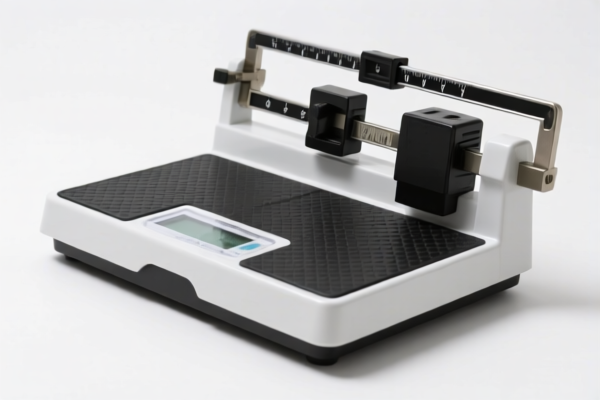

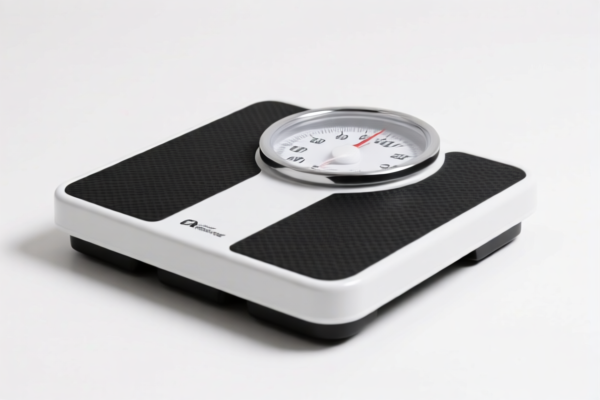
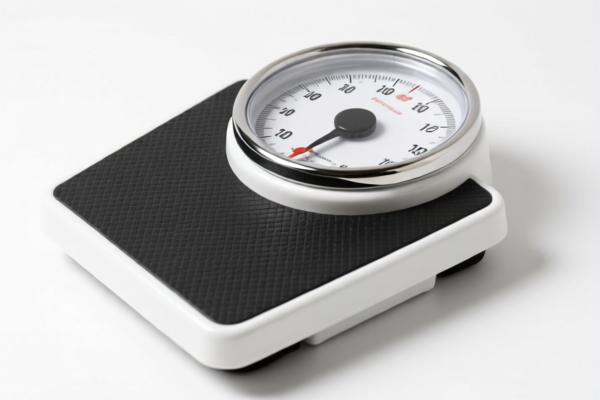
AI Analysis
📦 Parcel Scale (Postal & Shipping Scales)
🌐 HS Code Classification & Customs Clearance Guide | 2026 Tariff Analysis | Strategic Compliance Strategy
📌 I. Product Definition & Core Characteristics: What is a Parcel Scale?
A Parcel Scale is a precision weighing instrument designed specifically for measuring the weight of packages, envelopes, and parcels for postal and shipping purposes. Unlike industrial heavy-duty scales, these are typically bench-top units with a platform size suitable for standard boxes (e.g., up to 100lbs/45kg or 50lbs/22kg).
In international trade, the critical distinction lies in functionality: * Personal/Household Scale: Used for body weight (Human-centric). * Parcel/Industrial Scale: Used for object weight (Logistics-centric).
⚠️ Key Classification Point:
- If the device is marketed and used primarily for weighing human body weight, it belongs to 8423.10 (Personal Weighing Machines).
- If the device is designed for weighing parcels, mail, or goods, it may fall under 9016.00 (Scales) or 9031.80/9031.49 (Other Measuring Instruments).
- Note: Misclassification leads to massive tariff disparities (from 10% to 38.3%+).
📊 II. HS Code Classification Matrix (2026 Data Analysis)
Based on the provided data, here are the 5 possible HS Codes for Parcel Scales, ranging from the most favorable to the least favorable for US Customs imports.
| HS Code | Classification Logic | Total Tax Rate | Key Tariff Components |
|---|---|---|---|
| 8423.10.00.10 | Best Fit: Personal/Household Weighing | 10.0% | Base: 0% + Sec 301: 0% + IEEPA: 10% |
| 8423.10.00.60 | Alternative: Personal/Household Weighing | 10.0% | Base: 0% + Sec 301: 0% + IEEPA: 10% |
| 9016.00.60.00 | Technical: Scales (General) | 38.3% | Base: 3.3% + Sec 301: 25% + IEEPA: 10% |
| 9031.80.80.85 | Broad: Other Measuring Instruments | 35.0% | Base: 0% + Sec 301: 25% + IEEPA: 10% |
| 9031.49.90.00 | Broad: Other Optical/Measuring Instruments | 35.0% | Base: 0% + Sec 301: 25% + IEEPA: 10% |
🔍 Analysis:
- Codes 8423.10.00.10 & .60 are the most advantageous, totaling only 10%. They classify the scale as a "Personal/Household" device.
- Codes 9016.00.60.00 are the most costly, totaling 38.3%. They classify the scale under general "Scales" but attract the full Section 301 tariff (25%).
- Codes 9031.x.x are middle-ground at 35.0%, classifying it as a general "Measuring Instrument" rather than a simple scale.
💰 III. Detailed Tariff Breakdown & Legal Basis (US Imports from China)
✅ Applicable Country: United States (US)
✅ Origin: China (CN)
✅ Regulatory Framework:
- Base Rate: Most Favored Nation (MFN) duty.
- Section 301 (USITC): Additional 25% duty on many Chinese goods.
- IEEPA (Section 122): Additional 10% duty on specific Chinese imports (effective Nov 2025).
🎯 1. The "Gold Standard" Classification: 8423.10.00.10 / .60
Status: Recommended (If justifiable)
Total Duty: 10.0%
| Component | Rate | Legal Basis |
|---|---|---|
| Base Duty | 0.0% | Harmonized Tariff Schedule (HTS) |
| Section 301 Duty | 0.0% | Exempted for Personal/Household Weighing Machines (specifically subheadings .10 and .60) |
| IEEPA (122 Clause) | 10.0% | Executive Order on Additional Duties on Chinese Goods |
| Total Effective Rate | 10.0% |
📌 Explanation:
- HTS 8423.10 covers "Personal weighing machines; household scales."
- Crucial Detail: While Parcel Scales are for packages, US Customs often accepts classification under 8423 if the scale is small, bench-top, and lacks complex industrial calibration features.
- Savings: This saves ~28.3% compared to the 9016 classification.
🎯 2. The "Technical" Classification: 9016.00.60.00
Status: High Risk / High Cost
Total Duty: 38.3%
| Component | Rate | Legal Basis |
|---|---|---|
| Base Duty | 3.3% | HTS 9016 (Scales) |
| Section 301 Duty | 25.0% | USITC Footnote 9903.88.01 (Standard 301 Tariff) |
| IEEPA (122 Clause) | 10.0% | Executive Order on Additional Duties |
| Total Effective Rate | 38.3% |
📌 Explanation:
- HTS 9016 is the general heading for "Scales, including balance scales."
- Unlike 8423.10, this heading does not enjoy a Section 301 exemption for parcel scales.
- Risk: If Customs determines the scale is not a "household/personal" item, they will default to 9016.
🎯 3. The "General Instrument" Classifications: 9031.80.80.85 / 9031.49.90.00
Status: Medium Risk / Medium Cost
Total Duty: 35.0%
| Component | Rate | Legal Basis |
|---|---|---|
| Base Duty | 0.0% | HTS 9031 (Other Measuring/Checking Instruments) |
| Section 301 Duty | 25.0% | USITC Footnote 9903.88.01 |
| IEEPA (122 Clause) | 10.0% | Executive Order on Additional Duties |
| Total Effective Rate | 35.0% |
📌 Explanation:
- HTS 9031 is a catch-all for measuring instruments not specified elsewhere.
- Some importers try to use this if they argue the scale has digital/calibration features, but it attracts the full 25% Section 301 tariff.
🛠️ IV. Customs Clearance Practical Guide (Avoiding Pitfalls)
✅ 1. Product Description Strategy (The "Keyword" Game)
The description on the Commercial Invoice and Packing List is critical.
| Classification Goal | Recommended Product Description | ❌ Avoid Using |
|---|---|---|
| Target 10% (8423) | "Household Digital Scale," "Personal Weight Scale," "Home Parcel Scale" | "Industrial Scale," "Commercial Freight Scale," "Calibration Equipment" |
| Target 35-38% (9016/9031) | "Electronic Balance," "Precision Weighing Instrument," "Laboratory Scale" | (N/A - these are accurate but expensive) |
📌 Tip: If the scale is marketed for home use (e.g., weighing mail at home), emphasize "Household" and "Personal Use" in the description. Do not use words like "Industrial," "Commercial," or "High-Precision Calibration" if you aim for the 10% rate.
✅ 2. Required Documentation
| Document | Purpose |
|---|---|
| Commercial Invoice | Must clearly state "HS Code: 8423.10.00.10" and "For Personal/Household Use." |
| Product Photos | Show the scale’s size and interface. If it looks like a typical bathroom scale or small kitchen scale, it supports 8423. |
| User Manual | Highlight "Home Use" or "Personal Weighing" in the manual. |
| Certificate of Origin | Standard requirement for US imports. |
✅ 3. Critical Warnings & Red Flags
🚩 Red Flag 1: High Capacity
If the scale weighs >50kg (110lbs), Customs may reject the 8423 classification, arguing it is not a "personal" scale.
👉 Action: If capacity is high, consider 9016.00.60.00 (38.3%) or 9031 (35.0%).
🚩 Red Flag 2: Professional Calibration Marks
If the scale has NTEP (National Type Evaluation Program) seals or "For Trade" markings, it is legally a commercial scale.
👉 Action: Do NOT classify under 8423.10. Use 9016.00.60.00 or 9031. Misclassification leads to penalties.
🚩 Red Flag 3: Bulk Industrial Packaging
If sold as part of a warehouse logistics system, it will be classified as industrial equipment (9031 or 9016).
🌍 V. Global Market Comparison (Quick Reference)
| Market | Recommended HS Code | Est. Duty Rate | Note |
|---|---|---|---|
| 🇺🇸 USA | 8423.10.00.10 | 10.0% | Best option. Requires "Household" justification. |
| 🇺🇸 USA | 9016.00.60.00 | 38.3% | Default if "Household" claim is rejected. |
| 🇪🇺 EU | 8423.89.00 | ~2.7% + VAT | No Section 301 equivalent. Lower base duty. |
| 🇨🇳 China | 8423.89.00 | ~7% | Import duty + VAT. |
📌 Conclusion for US Importers:
The 10% vs. 38.3% difference is significant.
- Strategy: If the scale is small (<50lbs), has no "For Trade" certification, and is sold as a consumer product, aggressively pursue HS 8423.10.00.10.
- Supporting Evidence: Keep marketing materials that show "Home Use," "Mail at Home," or "Personal Parcel Weighing."
📌 VI. Common Mistakes & Consequences
❌ Mistake 1: Declaring a Commercial Grade scale as Household (8423)
👉 Consequence: Customs audits will reject the claim. You will owe 28.3% in back duties + penalties + interest.
❌ Mistake 2: Using 9016 when 8423 is eligible
👉 Consequence: Unnecessary overpayment of 28.3% per shipment.
❌ Mistake 3: Ignoring the IEEPA 10% Clause
👉 Consequence: Even if you get 8423.10 (10% total), remember that 10% is the IEEPA tax. The base is 0%. Some might mistakenly think 8423.10 is "Duty Free," but it is not duty-free for China-origin goods due to the 122 Clause.
✅ Correct Approach:
"Electronic Parcel Scale, 50lb Capacity, Digital Display, For Home/Personal Mail Use, Model XYZ, Origin: China, HS: 8423.10.00.10"
🎯 VII. Final Recommendation
For Maximum Savings & Compliance:
- Check Capacity: If ≤50 lbs (22 kg) and no "For Trade" certification → Target 8423.10.00.10.
- Document Carefully: Use terms like "Household," "Personal," "Home Mail Scale."
- Prepare for Audit: Have photos and manuals ready that prove it is not an industrial/balance scale.
- If In Doubt: If the scale is >50 lbs or has professional calibration, accept the 35-38.3% rate under 9016/9031 to avoid fraud allegations.
📣 Immediate Action Item:
📞 Consult your broker with the specific model number and capacity.
📄 Update your product listing to reflect "Household/Personal Use" if you are aiming for the 10% rate.
🚀 Optimize your landed cost by ensuring the correct HS Code is declared from Day 1!
✨ Precision in Classification = Profit in Margin!
💼 Don't let a 2-digit tariff difference eat your margins!
Customer Reviews
About HS Code Classification
The Harmonized System (HS) is an internationally standardized nomenclature developed by the World Customs Organization (WCO) to classify traded products. Over 200 countries use the HS system as the basis for customs tariffs, trade statistics, and import/export regulations.
Each HS code follows a hierarchical structure:
- Chapter (2 digits) — Broad category of goods (e.g., Chapter 84: Machinery and Mechanical Appliances)
- Heading (4 digits) — More specific grouping within the chapter
- Subheading (6 digits) — Internationally standardized breakdown, used by all WCO member countries
- National subdivisions (8-10 digits) — Country-specific extensions for further classification, such as US HTSUS 10-digit codes
Correct HS code classification is essential for smooth customs clearance, accurate duty payment, and compliance with trade regulations. Misclassification can lead to customs delays, overpayment of duties, or penalties.
When importing from CN to US, the applicable tariff rates may include:
- Most-Favored-Nation (MFN) rate — The standard duty rate applied to WTO members
- General rate — Applied to countries without trade agreements
- Trade remedy duties — Additional tariffs such as Section 301 (anti-dumping), Section 232 (national security), or countervailing duties
The information provided on this page is for reference purposes only. For official classification, please consult with your local customs authority or a licensed customs broker.