patchwork ruler
CN → US| HS Code | Tariff Rate | Origin | Destination | Doc |
|---|---|---|---|---|
| 9017208080 | 39.6% | CN | US | Official Doc |
| 3926100000 | 15.3% | CN | US | Official Doc |
| 3926909989 | 22.8% | CN | US | Official Doc |
| 9017800000 | 40.3% | CN | US | Official Doc |
| 4421999880 | 38.3% | CN | US | Official Doc |
Product Images
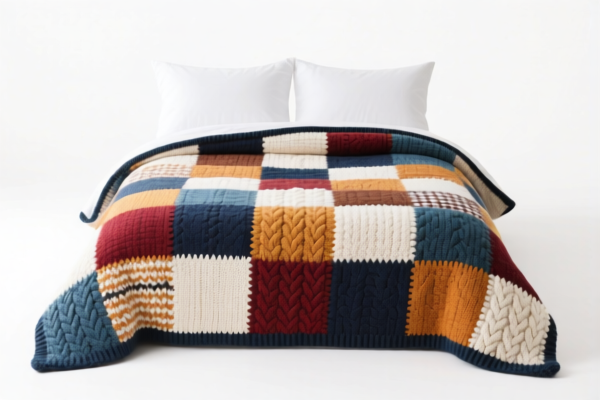
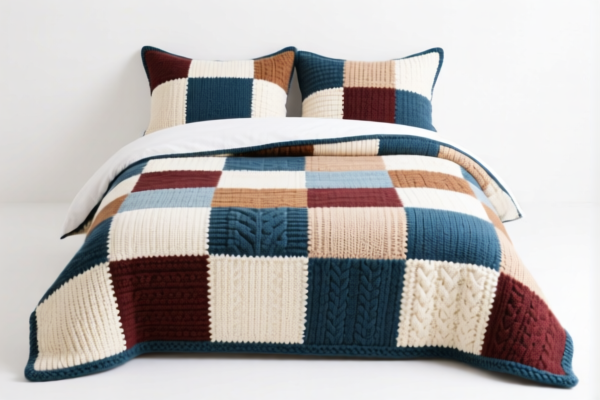
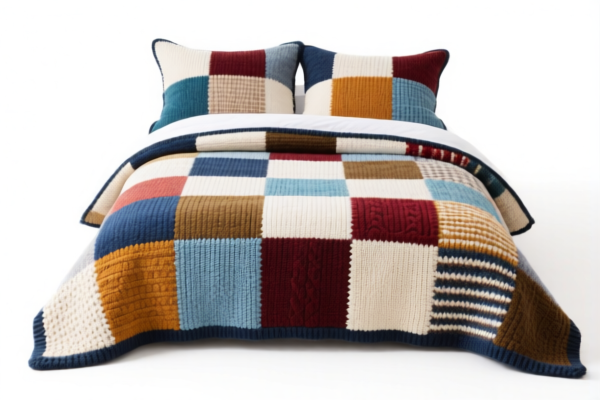
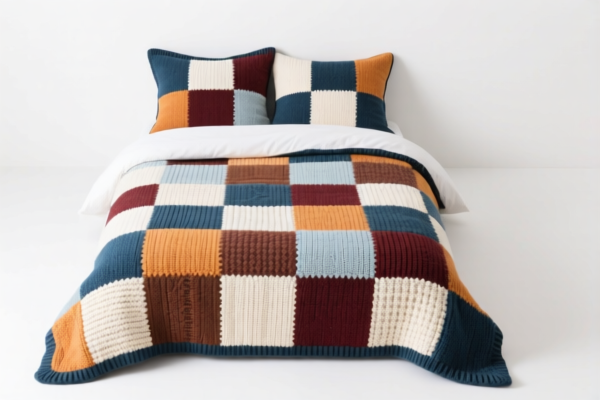
AI Analysis
📏 Patchwork Ruler (Tailor’s Tape Measure)
🌐 HS Code Reference & Customs Clearance Guide | 2026 Latest Tariff Analysis | Professional Compliance Strategy
📌 I. Product Definition & Classification: What Exactly is a "Patchwork Ruler"?
A "Patchwork Ruler" typically refers to a flexible or rigid measuring tool used in sewing, tailoring, and quilting. It is used for measuring fabric dimensions, marking seams, and ensuring pattern accuracy. In international trade, its classification depends heavily on material composition (plastic, wood, metal) and functional definition (precision instrument vs. general accessory).
⚠️ Key Distinction:
- If it is primarily viewed as a mathematical/drafting instrument (precision measuring tool) → It falls under Chapter 90.
- If it is viewed as a general office/school supply or plastic accessory → It may fall under Chapter 39.
- Material matters: The provided data assumes common materials like plastic or general "other" classifications. Wood is less common but possible (Chapter 44).
📦 II. HS Code Classification Details (Based on Provided Data)
The following table outlines the five possible HS Codes derived from the provided dataset, along with their logical justification and tax implications.
| HS Code | Product Description & Justification | Material/Function Assumption | Total Tax Rate |
|---|---|---|---|
| 9017.20.80.80 | Drafting, Marking-out or Mathematical Calculating Instruments | Precision Tool: Classified as a length-measuring tool for drafting/geometry. | 39.6% |
| 3926.10.00.00 | Office or School Supplies | Plastic/General Use: Inferred as plastic based on common sense; classified as general school/office supply. | 15.3% |
| 3926.90.99.89 | Other Articles of Plastic | Plastic/Accessory: Inferred as plastic; classified as a general plastic制品 (other plastic article). | 22.8% |
| 9017.80.00.00 | Other Measuring/Checking Instruments (Hand-held) | Precision Tool: Classified as a hand-held instrument for length measurement. | 40.3% |
| 4421.99.98.80 | Other Wooden Articles | Wood/Accessory: Inferred as non-specific wooden small tool (less common for patchwork rulers but possible). | 38.3% |
🔍 Critical Insight:
- The lowest tax rate (15.3%) applies if the ruler is strictly classified as a Plastic Office/School Supply (3926.10.00.00).
- The highest tax rate (40.3%) applies if it is classified as a Precision Hand-held Measuring Instrument (9017.80.00.00).
- Accuracy is key: Misclassifying a precision instrument as a simple plastic item can lead to customs penalties.
💰 III. Detailed Tax Rate Breakdown (2026 Latest Tariffs)
✅ Applicable Country: United States (US)
✅ Origin: China (CN)
✅ Effective Date: Current US Trade Regulations (2026 Context)
🎯 1. 3926.10.00.00 — Office/School Supplies (Plastic)
🏆 Best Rate for Classification Strategy
| Item | Content |
|---|---|
| Base Tariff | 5.3% |
| Section 301 Tariff | 0.0% |
| 122 Clause Tariff | 10.0% |
| Total Tax Rate | 15.3% |
| Calculation Basis | CIF Value × 15.3% |
| De Minimis Exemption | ❌ Not Applicable (Standard threshold rules apply) |
📌 Explanation:
- Why 0% Section 301? This code is not subject to the 25% Section 301 tariff that affects many industrial/consumer goods.
- Why 10% 122 Clause? This is a specific retaliatory tariff on Chinese goods.
- Strategy: If the product can be convincingly argued as a "general school supply" rather than a "precision instrument," this is the most cost-effective classification.
🎯 2. 3926.90.99.89 — Other Plastic Articles
| Item | Content |
|---|---|
| Base Tariff | 5.3% |
| Section 301 Tariff | 7.5% |
| 122 Clause Tariff | 10.0% |
| Total Tax Rate | 22.8% |
| Calculation Basis | CIF Value × 22.8% |
📌 Explanation:
- If the item is plastic but not clearly an "office/school supply" (e.g., a specialized craft tool), it falls into "Other Plastic Articles."
- It incurs a 7.5% Section 301 tariff in addition to the 122 Clause.
- Better than precision instruments, but worse than office supplies.
🎯 3. 9017.20.80.80 — Drafting/Mathematical Instruments
| Item | Content |
|---|---|
| Base Tariff | 4.6% |
| Section 301 Tariff | 25.0% |
| 122 Clause Tariff | 10.0% |
| Total Tax Rate | 39.6% |
| Calculation Basis | CIF Value × 39.6% |
📌 Explanation:
- This code treats the ruler as a technical drafting tool.
- High Section 301 tariff (25%) applies because many Chapter 90 instruments are subject to this.
- Risk: Customs may audit if the product is a simple sewist's tool, not a technical drafting instrument.
🎯 4. 9017.80.00.00 — Other Hand-held Measuring Instruments
| Item | Content |
|---|---|
| Base Tariff | 5.3% |
| Section 301 Tariff | 25.0% |
| 122 Clause Tariff | 10.0% |
| Total Tax Rate | 40.3% |
| Calculation Basis | CIF Value × 40.3% |
📌 Explanation:
- This is the most expensive classification in the provided data.
- It classifies the ruler as a general hand-held measuring device (like a tape measure for construction).
- Avoid if possible: High tax burden and high scrutiny.
🎯 5. 4421.99.98.80 — Other Wooden Articles
| Item | Content |
|---|---|
| Base Tariff | 3.3% |
| Section 301 Tariff | 25.0% |
| 122 Clause Tariff | 10.0% |
| Total Tax Rate | 38.3% |
| Calculation Basis | CIF Value × 38.3% |
📌 Explanation:
- Only applicable if the ruler is made of wood.
- Rare for Patchwork Rulers: Most patchwork rulers are plastic, metal, or fabric. Wood is uncommon but possible for high-end quilting blocks.
- High Section 301 tariff applies.
🛠️ IV. Customs Clearance Practical Advice (Pro Tips)
✅ 1. Documentation Checklist (Essential)
| Document | Required? | Purpose |
|---|---|---|
| ✅ Product Photos | ✔️ | Show markings, material (flexible/rigid), and branding. |
| ✅ Material Specification | ✔️ | Confirm if it is 100% Plastic, Wood, or Metal. Crucial for Chapter 39 vs. 44 vs. 90. |
| ✅ Commercial Invoice | ✔️ | Clearly describe as "Sewing Measuring Tape" or "Quilting Ruler." Avoid "Precision Instrument" unless necessary. |
| ✅ HS Code Justification | ✔️ | Provide a brief explanation linking the product to 3926.10.00.00 (Office/School Supply) for lowest tax. |
| ✅ Packing List | ✔️ | Detail quantity and weight. |
✅ 2. Classification Strategy (Key Mantra)
🔥 “Plastic + School Use = 15.3%! Precision = 40%! Be Smart, Be Clear!”
| Scenario | Recommended HS Code | Reason |
|---|---|---|
| Flexible Plastic Tape Measure | 3926.10.00.00 |
Best viewed as a school/office supply or craft accessory. Lowest tax. |
| Rigid Plastic Quilting Block | 3926.10.00.00 or 3926.90.99.89 |
If it’s a general craft tool, aim for 3926.10. If it’s highly specialized, 3926.90. |
| Metal Ruler | Not in provided data | Likely 8206 or 7326. Check for higher Section 301 rates. |
| Wooden Ruler | 4421.99.98.80 |
Only if 100% Wood. High tax (38.3%). |
| High-Precision Drafting Ruler | 9017.20.80.80 |
Only if marketed as a technical drafting tool with high precision markings. |
✅ 3. Avoid These Common Mistakes
| Mistake | Consequence |
|---|---|
| ❌ Calling it "Precision Measuring Instrument" when it’s a simple plastic ruler | Customs may reclassify to 9017.80.00.00 → 40.3% tax + penalties. |
| ❌ Misdeclaring Material (e.g., saying "Plastic" when it’s Metal) | Duty evasion charge + shipment hold. |
| ❌ Ignoring the 122 Clause (10%) | Unexpected cost if not budgeted. |
❌ Using "Other Plastic Articles" (3926.90.99.89) when "Office Supply" (3926.10.00.00) applies |
7.5% extra tax unnecessarily. |
🌍 V. Global Market Comparison (2026)
| Country | Recommended HS Code (Best Rate) | Total Tax (China Origin) | Notes |
|---|---|---|---|
| 🇺🇸 USA | 3926.10.00.00 |
15.3% | Lowest rate if classified as Office/School Supply. |
| 🇪🇺 EU | Not in provided data | Varies | EU uses different HS codes. Plastic rulers often 0-2.5%. |
| 🇨🇳 China | Not in provided data | 0-5% | Domestic trade rules apply. |
| 🇬🇧 UK | Not in provided data | Varies | Post-Brexit tariffs may apply. |
📌 Conclusion:
- USA is the most critical market for this analysis due to Section 301 and 122 Clause tariffs.
- Strategic Classification is vital: 3926.10.00.00 is the gold standard for patchwork rulers to minimize costs.
📌 VI. Final Verdict & Action Plan
🎯 Recommendation:
- Declare as "Plastic Measuring Ruler for Sewing/Quilting"
- Use HS Code
3926.10.00.00(Office/School Supplies) - Total Duty: 15.3% (5.3% Base + 10% 122 Clause)
- Avoid "Measuring Instrument" language to prevent 9017 classification (39-40% tax).
⚠️ Warning:
- If customs determines the product is not a general office/school supply, they may challenge the classification.
- Prepare a Product Data Sheet highlighting its use in education, crafts, and general sewing to support the
3926.10.00.00classification.
📣 Immediate Action Steps:
- ✅ Contact your Freight Forwarder to confirm
3926.10.00.00is acceptable for "Patchwork Rulers." - ✅ Update your Commercial Invoice to reflect "Sewing Craft Accessory" rather than "Precision Instrument."
- ✅ Budget for 15.3% Duty (US Market) to ensure accurate profit margins.
✨ Smart Classification Saves Money!
💼 15.3% vs. 40.3% = 25% Savings on Every Shipment!
Customer Reviews
About HS Code Classification
The Harmonized System (HS) is an internationally standardized nomenclature developed by the World Customs Organization (WCO) to classify traded products. Over 200 countries use the HS system as the basis for customs tariffs, trade statistics, and import/export regulations.
Each HS code follows a hierarchical structure:
- Chapter (2 digits) — Broad category of goods (e.g., Chapter 84: Machinery and Mechanical Appliances)
- Heading (4 digits) — More specific grouping within the chapter
- Subheading (6 digits) — Internationally standardized breakdown, used by all WCO member countries
- National subdivisions (8-10 digits) — Country-specific extensions for further classification, such as US HTSUS 10-digit codes
Correct HS code classification is essential for smooth customs clearance, accurate duty payment, and compliance with trade regulations. Misclassification can lead to customs delays, overpayment of duties, or penalties.
When importing from CN to US, the applicable tariff rates may include:
- Most-Favored-Nation (MFN) rate — The standard duty rate applied to WTO members
- General rate — Applied to countries without trade agreements
- Trade remedy duties — Additional tariffs such as Section 301 (anti-dumping), Section 232 (national security), or countervailing duties
The information provided on this page is for reference purposes only. For official classification, please consult with your local customs authority or a licensed customs broker.