pendant lamp
CN → US| HS Code | Tariff Rate | Origin | Destination | Doc |
|---|---|---|---|---|
| 7326908630 | 87.9% | CN | US | Official Doc |
| 9405916040 | 39.5% | CN | US | Official Doc |
| 7326908688 | 87.9% | CN | US | Official Doc |
| 9405994090 | 91.0% | CN | US | Official Doc |
| 7014005000 | 38.3% | CN | US | Official Doc |
Product Images
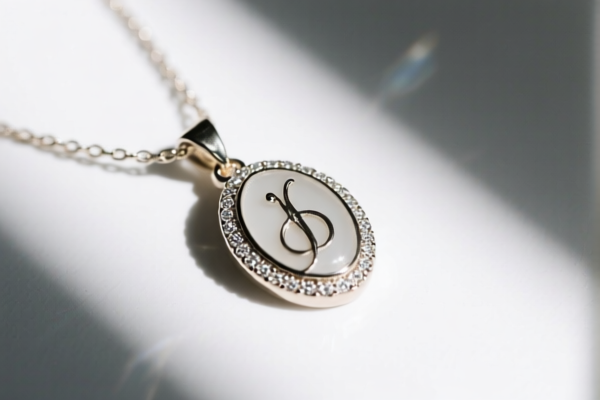
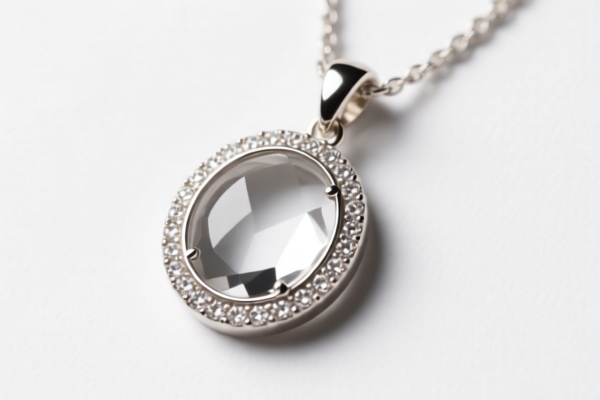
AI Analysis
💡 Pendant Lamp Accessories & Units: HS Code Classification & Customs Clearance Guide
🌐 HS Code Reference & Clearance Guide | 2026 Latest Tariff Analysis | Professional-Level Clearance Strategy
📌 Part 1: Product Definition & Classification: Do You Really Understand "Pendant Lamps"?
In international trade, Pendant Lamps (also known as chandelier fixtures or hanging lights) are not a single entity. They are classified based on material, function, and component status. Misclassification leads to massive tariff discrepancies (from ~40% to over 90%).
The data provided identifies five critical HS Code categories for Pendant Lamps and their accessories:
- Metal Components (Steel/Iron): Brackets, arms, supports.
- Glass Components: Shades, diffusers, decorative glass parts.
- Complete Glass Pendant Lamps: Finished glass lighting fixtures.
- Other Accessories: Miscellaneous parts not covered elsewhere.
- General Metal Accessories: Other iron/steel parts.
⚠️ Critical Distinction Point: - If the item is a finished lighting fixture (functional unit), it generally falls under Chapter 94 (9405). - If the item is a raw material or simple structural part (like a bracket or arm), it often falls under Chapter 73 (Steel/Iron) or Chapter 70 (Glass). - The US Tariff Impact is massive: Metal accessories attract a 50% "122 Clause" surcharge on top of base tariffs, while Glass accessories are more moderately taxed.
📦 Part 2: Detailed HS Code Classification (2026 Latest Tariff Authority)
| HS Code | Product Description | Application Scenario | Material | Total Tax Rate (US/CN) |
|---|---|---|---|---|
7326.90.86.30 |
Pendant Lamp Accessories: Metal Brackets/Supports | Structural arms, hanging hooks, ceiling mounts (Steel/Iron) | Steel/Iron | 87.9% |
9405.91.60.40 |
Pendant Lamp Accessories: Glass Components | Glass shades, diffusers, decorative glass inserts | Glass | 39.5% |
7326.90.86.88 |
Pendant Lamp Accessories: Other Steel/Iron Parts | Non-specific metal fittings, screws, small brackets | Steel/Iron | 87.9% |
9405.99.40.90 |
Pendant Lamp Accessories: Other Materials | Miscellaneous parts (ceramic, wood, plastic) not elsewhere specified | Mixed/Other | 91.0% |
7020.00.40.00 |
Glass Pendant Lamps (Finished) | Complete glass hanging light fixtures (functional unit) | Glass | 41.6% |
🔍 Key Insight: - Metal vs. Glass: Metal accessories (
7326) are penalized heavily due to "122 Clause" tariffs (50% surcharge on steel/aluminum). Glass accessories (9405) are significantly cheaper (39.5%vs87.9%). - Finished Unit vs. Part: A complete glass lamp (7020) is taxed at41.6%, which is comparable to glass accessories (39.5%). However, metal finished lamps would likely fall under different codes not listed here, but their parts are extremely expensive.
💰 Part 3: 2026 Latest Tariff Rate Breakdown (Including Surcharges & Policy Add-ons)
✅ Applicable Country: United States (US)
✅ Origin: China (CN)
✅ Effective Time: Current tariffs apply (Section 301 & 122 Clauses)
🎯 1. 7326.90.86.30 & 7326.90.86.88 —— Metal Accessories (Steel/Iron)
These codes cover brackets, supports, and other steel/iron parts. They are subject to the harsh "122 Clause" (Steel, Aluminum, Copper Products Surcharge).
| Item | Details |
|---|---|
| Base Tariff | 2.9% (ad valorem) |
| Section 301 Surcharge | +25.0% |
| 122 Clause Surcharge | +50.0% (Specific to Steel/Aluminum/Copper products) |
| Total Tax Rate | 87.9% |
| Tax Calculation | CIF Value × 87.9% |
| De Minimis Exemption | ❌ Not Applicable (High-value industrial parts usually excluded or risky) |
| Legal Basis Path | HTS:7326.90.86 → Section 301: 25% → 122 Clause: 50% |
📌 Explanation: - The 50% "122 Clause" is the killer here. It applies specifically to steel, aluminum, and copper products under certain trade restrictions. - Total 87.9% is extremely high. Importers must verify if the item truly qualifies as "steel/aluminum" to avoid audits, but if it is, the cost is prohibitive. - Even small metal brackets in a shipment can trigger this high rate.
🎯 2. 9405.91.60.40 —— Glass Lamp Accessories
This code is for glass components specifically for lighting (e.g., glass shades). It falls under Chapter 94 (Furniture, Lighting), which is more favorable than Chapter 73 for metals.
| Item | Details |
|---|---|
| Base Tariff | 4.5% (ad valorem) |
| Section 301 Surcharge | +25.0% |
| 122 Clause Surcharge | 0% (Glass is not steel/aluminum/copper) |
| Total Tax Rate | 39.5% |
| Tax Calculation | CIF Value × 39.5% |
| De Minimis Exemption | ❌ Not Applicable (Generally, lighting accessories are scrutinized) |
| Legal Basis Path | HTS:9405.91.60 → Section 301: 25% |
📌 Note: - Significant Savings: Compared to metal accessories, glass accessories save nearly 48.4% in tax (
87.9% - 39.5%). - Classification Tip: Ensure the item is genuinely glass and part of a lighting fixture. If it's a decorative glass item not for lighting, it might fall under Chapter 70 (7020), which is similar (41.6%).
🎯 3. 7020.00.40.00 —— Glass Pendant Lamps (Finished Units)
This code covers complete glass pendant lamps. It is a finished good, not an accessory.
| Item | Details |
|---|---|
| Base Tariff | 6.6% (ad valorem) |
| Section 301 Surcharge | +25.0% |
| 122 Clause Surcharge | 0% |
| Total Tax Rate | 41.6% |
| Tax Calculation | CIF Value × 41.6% |
| De Minimis Exemption | ❌ Not Applicable |
| Legal Basis Path | HTS:7020.00.40 → Section 301: 25% |
📌 Comparison: - A complete glass lamp (
41.6%) is slightly more expensive than glass accessories (39.5%), but much cheaper than metal accessories (87.9%). - Strategy: If you are importing metal parts to assemble lamps, consider if the final product could be classified differently or if you can source glass components instead.
🎯 4. 9405.99.40.90 —— Other Accessories (Dumbbell Category)
This is a "catch-all" for lamp accessories made of other materials (e.g., wood, ceramic, plastic, mixed materials) not specified elsewhere.
| Item | Details |
|---|---|
| Base Tariff | 6.0% (ad valorem) |
| Section 301 Surcharge | +25.0% |
| 122 Clause Surcharge | +50.0% (If it contains steel/aluminum/copper components) |
| Total Tax Rate | 91.0% |
| Tax Calculation | CIF Value × 91.0% |
| De Minimis Exemption | ❌ Not Applicable |
| Legal Basis Path | HTS:9405.99.40 → Section 301: 25% → 122 Clause: 50% (if metal content triggers it) |
📌 Warning: - Highest Rate (91.0%): This is the most expensive category. - Why so high? It likely attracts the 50% 122 Clause surcharge if it contains any steel/aluminum/copper elements, combined with the 25% Section 301 tariff. - Avoidance: Classify components accurately. A wooden bracket should not be lumped into this if it can be classified under a different "other material" code without metal surcharges, but if it contains metal fasteners, the surcharge may apply.
🛠️ Part 4: Customs Clearance Practical Advice (Real-World Pitfall Avoidance)
✅ 1. Preparation Checklist (Essential Documents)
| Document | Mandatory? | Purpose |
|---|---|---|
| ✅ Product Specifications | ✔️ | Must detail material (e.g., "Powder-coated Steel," "Borosilicate Glass"). |
| ✅ Bill of Materials (BOM) | ✔️ | Critical for distinguishing between 7326 (Metal) and 9405 (Glass/Other). |
| ✅ Product Photos | ✔️ | Clear images of the item's function (is it a lamp part or a structural bracket?). |
| ✅ Commercial Invoice | ✔️ | Must specify "Pendant Lamp Accessory" or "Glass Lamp Shade," not generic "Hardware." |
| ✅ Packing List | ✔️ | Separate metal and glass items if possible to allow for different HS codes. |
✅ 2. Classification Strategy (Key Rules)
🔥 "Material Dictates Tax, Function Defines Code, Separation Saves Money!"
| Scenario | Correct Classification | Incorrect Classification | Result |
|---|---|---|---|
| Steel Arm for Lamp | 7326.90.86.30 (87.9%) |
9405.91.60.40 (Glass) |
❌ Audit Failure & Back Taxes |
| Glass Shade | 9405.91.60.40 (39.5%) |
7326.90.86.88 (Metal) |
❌ Overpayment by 48.4% |
| Complete Glass Lamp | 7020.00.40.00 (41.6%) |
9405.99.40.90 (91.0%) |
✅ Save 49.4% |
| Mixed Material Bracket | 9405.99.40.90 (91.0%) |
7326.90.86.88 (87.9%) |
⚠️ Slight Overpayment |
📌 Crucial Tip: - Do Not Combine Metal and Glass in One Line Item if they are distinct parts. Declare them separately to apply the correct rate. - If a product is a glass pendant lamp with a steel canopy, it may be classified as a lamp (
7020or9405) rather than separate parts. Check the "principal character" rule.
✅ 3. Special Handling
| Situation | Recommendation |
|---|---|
| OEM Custom Lamps | Provide design drawings showing material composition to justify 9405 vs 7326. |
| Mixed Shipments | Separate steel parts and glass parts in the commercial invoice. Do not mix in one HS code. |
| 122 Clause Triggers | If your steel parts are not "structural" but decorative, argue for 9405 if possible, but be prepared for customs challenge. |
| De Minimis (Section 321) | High Risk: Items valued over $800 per shipment are subject to full tariffs. Small metal accessories can quickly push value above exemption limits. |
🌍 Part 5: Global Market Comparison (2026)
| Country/Region | Recommended HS Code (Glass) | Tariff (Glass) | Tariff (Metal) | Notes |
|---|---|---|---|---|
| 🇺🇸 USA | 9405.91.60.40 |
39.5% | 87.9% | High Section 301 + 122 Clause for metal. |
| 🇨🇳 China | 9405.91.60.40 |
~4.5% | ~10% | No Section 301. Lower barriers. |
| 🇪🇺 EU | 9405.91 |
~0-4% | ~2.7% | No 122 Clause. Standard MFN rates. |
| 🇬🇧 UK | 9405.91 |
~0-4% | ~2.7% | Post-Brexit, standard rates apply. |
| 🇦🇺 Australia | 9405.91 |
~5% | ~5% | GST applies (10%). No Section 301. |
📌 Conclusion: - USA is the most challenging market for lighting imports due to the 122 Clause on steel. - Metal accessories are punitive. If possible, design lamps with more glass, wood, or plastic components to reduce tariff burden. - Glass fixtures are relatively stable and affordable in most markets.
📌 Part 6: Common Mistakes & Pitfall Avoidance
❌ Mistake 1: Classifying a steel lamp bracket as a "Lighting Accessory" (9405) to avoid the 50% surcharge.
👉 Consequence: Customs audit, penalty, and back taxes of ~48%.
❌ Mistake 2: Combining glass shades and metal bases into one HS code. 👉 Consequence: Either overpaying (if using metal rate) or underpaying (if using glass rate, leading to penalties).
❌ Mistake 3: Ignoring the 122 Clause for steel products. 👉 Consequence: Unexpected 50% surcharge on top of Section 301, leading to 87.9% total tax.
❌ Mistake 4: Using generic terms like "Hardware" or "Fittings" on invoices. 👉 Consequence: Delays, requests for additional information, potential misclassification.
✅ Best Practice:
"Steel Brackets: 7326.90.86.30 (87.9%) | Glass Shades: 9405.91.60.40 (39.5%) | Complete Glass Lamp: 7020.00.40.00 (41.6%)"
🎯 Part 7: Conclusion: Precision Classification = Cost Savings
🎯 Remember:
🔹 "Metal Parts: 87.9% | Glass Parts: 39.5% | Complete Glass Lamp: 41.6% | Other: 91.0%"
🔹 "Section 301 (+25%) is universal, but the 122 Clause (+50%) kills steel imports."
🔹 "Separate your materials. Steel and Glass should never be mixed in one line item."
📌 Pro Tip:
If you are importing large quantities of metal lamp parts, consider: 1. Pre-classification Ruling: Apply for an Advance Ruling from CBP to confirm HS Code. 2. Supply Chain Adjustment: Source non-metal components (glass, wood, plastic) where possible. 3. Transshipment: Check if third-country processing (e.g., Vietnam, Mexico) can provide IEEPA/Section 301 exemptions, though this is complex for steel.
📣 Action Required:
📞 Consult Customs Broker + Provide BOM + Apply for Advance Ruling
🚀 Optimize your product design to minimize steel content and maximize glass/other materials for US clearance.
✨ Smart Classification, Smarter Savings!
💼 Every percentage point in tariff is pure profit lost.
Customer Reviews
About HS Code Classification
The Harmonized System (HS) is an internationally standardized nomenclature developed by the World Customs Organization (WCO) to classify traded products. Over 200 countries use the HS system as the basis for customs tariffs, trade statistics, and import/export regulations.
Each HS code follows a hierarchical structure:
- Chapter (2 digits) — Broad category of goods (e.g., Chapter 84: Machinery and Mechanical Appliances)
- Heading (4 digits) — More specific grouping within the chapter
- Subheading (6 digits) — Internationally standardized breakdown, used by all WCO member countries
- National subdivisions (8-10 digits) — Country-specific extensions for further classification, such as US HTSUS 10-digit codes
Correct HS code classification is essential for smooth customs clearance, accurate duty payment, and compliance with trade regulations. Misclassification can lead to customs delays, overpayment of duties, or penalties.
When importing from CN to US, the applicable tariff rates may include:
- Most-Favored-Nation (MFN) rate — The standard duty rate applied to WTO members
- General rate — Applied to countries without trade agreements
- Trade remedy duties — Additional tariffs such as Section 301 (anti-dumping), Section 232 (national security), or countervailing duties
The information provided on this page is for reference purposes only. For official classification, please consult with your local customs authority or a licensed customs broker.