penis trainer
CN → US| HS Code | Tariff Rate | Origin | Destination | Doc |
|---|---|---|---|---|
| 9506910030 | 22.1% | CN | US | Official Doc |
| 9019102010 | 10.0% | CN | US | Official Doc |
| 9019106000 | 10.0% | CN | US | Official Doc |
| 9506910010 | 22.1% | CN | US | Official Doc |
Product Images
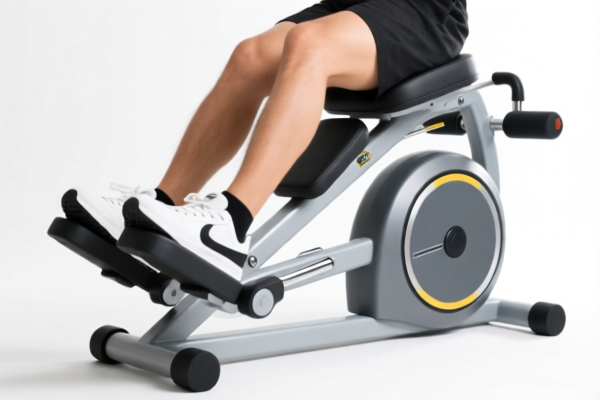
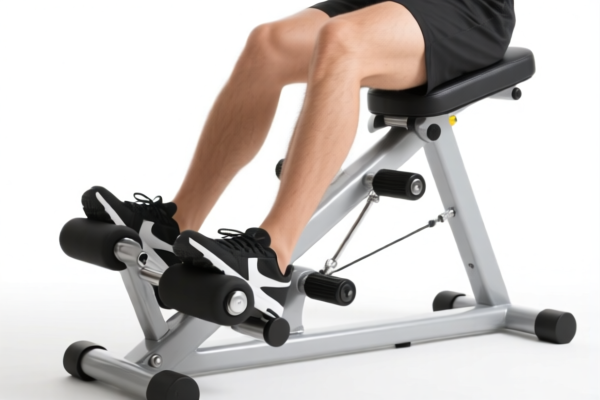
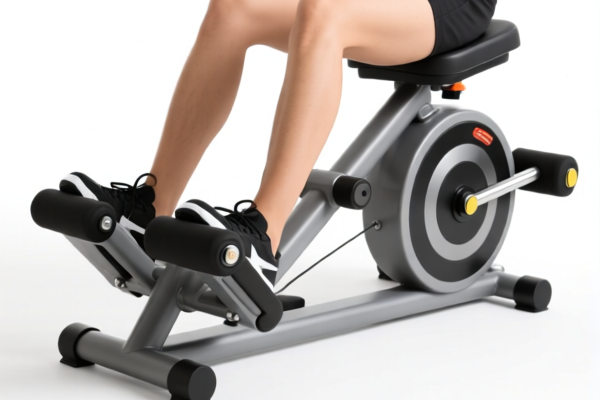
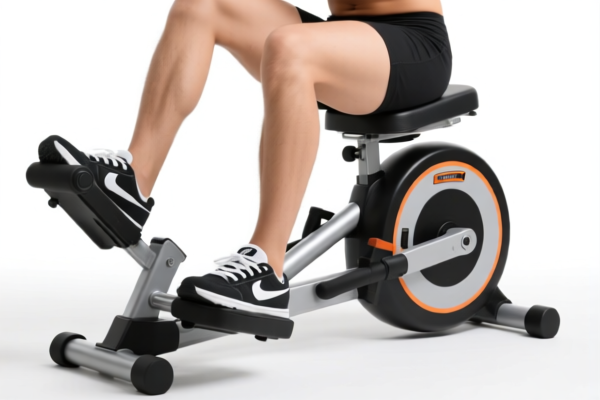
AI Analysis
🏋️♂️ Penis Trainer (Male Enhancement Training Devices)
🌐 HS Code Reference & Customs Clearance Guide | 2026 Latest Tariff Analysis | Strategic Compliance Strategy
📌 I. Product Definition & Classification: What Exactly Is a "Penis Trainer"?
A "Penis Trainer" refers to a device marketed for male physiological training or enhancement. In international trade, the customs classification depends entirely on the device's mechanism, purpose, and technical characteristics. It is not a single HS code but falls into two distinct categories based on usage:
Category A: Sports & Exercise Equipment
Physical training tools used for general fitness, pelvic floor exercises, or athletic conditioning. These are often categorized under general sporting goods.
Category B: Medical/Rehabilitation Apparatus
Devices designed for mechanical therapy, hydrotherapy, or clinical rehabilitation purposes. These require medical device compliance (e.g., FDA registration) and fall under health-related machinery.
⚠️ Critical Distinction Point:
- If the device is marketed for general fitness, sports, or non-medical stretching → Classified under Chapter 95 (Toys, Games, Sports Equipment).
- If the device is marketed for mechanical therapy, hydrotherapy, or medical rehabilitation → Classified under Chapter 90 (Medical/Scientific Instruments).
📦 II. HS Code Classification Details (2026 Latest Tariff Authority Comparison)
| HS Code | Product Description | Applicable Scenario | Is it Medical? |
|---|---|---|---|
9506.91.00.30 |
Male training apparatus; purpose matches general sports, gymnastics, or track & field equipment | General fitness, athletic conditioning, non-medical use | ❌ No |
9506.91.00.10 |
Male training apparatus; purpose matches general exercise equipment, classified under "Other/Residual" category | General fitness, generic training devices not specifically listed elsewhere | ❌ No |
9019.10.20.10 |
Male training apparatus; purpose matches mechanical therapy or rehabilitation training scope | Clinical rehabilitation, prescribed therapy, medical-grade devices | ✅ Yes |
9019.10.60.00 |
Male training apparatus; purpose matches mechanical therapy or massage apparatus (other instruments) | Therapeutic massage devices, hydrotherapy machines for therapeutic purposes | ✅ Yes |
🔍 Key Reminder:
- Sporting Goods (9506): Lower duty burden but higher additional tariffs due to "Section 301" and "122 Clause" if made of steel/aluminum/copper.
- Medical Devices (9019): Lower base tariff but may require FDA pre-market approval (510(k)) and stricter labeling compliance.
- Material Matters: Devices containing significant amounts of steel, aluminum, or copper are subject to an additional 50% tariff under the "Steel, Aluminum, Copper Products Additional Tariff" rule.
💰 III. 2026 Latest Tariff Rate Breakdown (Including Additional Taxes & Policy Add-ons)
✅ Applicable Country: USA (US)
✅ Origin: China (CN)
✅ Effective Time: Current tariffs apply as per 2026 trade regulations
🎯 1. 9506.91.00.30 —— Sports & Gymnastics Equipment (Non-Medical)
| Item | Content |
|---|---|
| Base Tariff | 4.6% (ad valorem) |
| Section 301 Additional Tariff | +7.5% |
| 122 Clause Tariff | +10% |
| Steel/Aluminum/Copper Additional Tariff | +50% (if material composition qualifies) |
| Total Effective Tax Rate | 22.1% (assuming standard materials) |
| Tax Calculation | CIF Value × 22.1% |
| De Minimis Exemption | ❌ Not Applicable (Section 301 tariffs apply regardless of value) |
| Legal Authority Path | HTSUS:9506.91.00.30 → Section 301: Footnote 9903.88.01 → 122 Clause → Steel/Aluminum Rule |
📌 Explanation:
- This code is used for general sports equipment.
- The 22.1% total rate includes base duty (4.6%), Section 301 surcharge (7.5%), and 122 Clause tax (10%).
- ⚠️ Warning: If the device contains >10% steel/aluminum/copper by weight, an additional 50% may be applied, drastically increasing costs.
🎯 2. 9506.91.00.10 —— General Exercise Equipment (Residual/Other Category)
| Item | Content |
|---|---|
| Base Tariff | 4.6% |
| Section 301 Additional Tariff | +7.5% |
| 122 Clause Tariff | +10% |
| Steel/Aluminum/Copper Additional Tariff | +50% (if material composition qualifies) |
| Total Effective Tax Rate | 22.1% |
| Tax Calculation | CIF Value × 22.1% |
| De Minimis Exemption | ❌ Not Applicable |
| Legal Authority Path | HTSUS:9506.91.00.10 → Section 301 → 122 Clause |
📌 Note:
- This is a "catch-all" category for sports equipment not specifically listed elsewhere.
- Same tariff structure as9506.91.00.30.
- Marketed as "fitness aids" rather than "medical devices."
🎯 3. 9019.10.20.10 —— Mechanical Therapy/Rehabilitation Equipment
| Item | Content |
|---|---|
| Base Tariff | 0.0% |
| Section 301 Additional Tariff | 0.0% |
| 122 Clause Tariff | +10% |
| Steel/Aluminum/Copper Additional Tariff | Not Applicable (unless specified separately) |
| Total Effective Tax Rate | 10.0% |
| Tax Calculation | CIF Value × 10.0% |
| De Minimis Exemption | ❌ Not Applicable |
| Legal Authority Path | HTSUS:9019.10.20.10 → 122 Clause |
📌 Explanation:
- This code applies to medical-grade mechanical therapy devices.
- Lower tariff burden (10%) due to zero base and Section 301 rates for medical devices.
- ⚠️ Compliance Requirement: Must meet FDA Class I/II device regulations. Marketing must avoid "sports/fitness" claims.
🎯 4. 9019.10.60.00 —— Mechanical Therapy/Massage Apparatus
| Item | Content |
|---|---|
| Base Tariff | 0.0% |
| Section 301 Additional Tariff | 0.0% |
| 122 Clause Tariff | +10% |
| Steel/Aluminum/Copper Additional Tariff | Not Applicable |
| Total Effective Tax Rate | 10.0% |
| Tax Calculation | CIF Value × 10.0% |
| De Minimis Exemption | ❌ Not Applicable |
| Legal Authority Path | HTSUS:9019.10.60.00 → 122 Clause |
📌 Note:
- Covers therapeutic massage and hydrotherapy devices.
- Ideal for devices claiming "clinical benefits" or "rehabilitation."
- Same 10% rate as above.
🛠️ IV. Customs Clearance Practical Advice (Battle-Tested Pitfall Avoidance Guide)
✅ 1. Preparation Material Checklist (All Required)
| Document | Required | Notes |
|---|---|---|
| ✅ Product Specification Sheet | ✔️ | Include dimensions, materials, mechanism type, intended use |
| ✅ Device Diagram/Schematic | ✔️ | To prove whether it’s a medical or sports device |
| ✅ Product Photos (with Label) | ✔️ | Clear view of model number, brand, input/output specs |
| ✅ Third-Party Certification | ✔️ | FDA 510(k) (if medical), CE, RoHS, FCC (if electronic) |
| ✅ Commercial Invoice | ✔️ | Must specify "Medical Therapy Device" OR "Sports Equipment" accurately |
| ✅ Certificate of Origin (CO) | ✔️ | If non-China origin, may qualify for reduced tariffs |
| ✅ Packing List | ✔️ | Clarify relationship between main device and accessories |
✅ 2. Declaration Strategy (Key Mantra)
🔥 "Medical Claims = Chapter 90 | Sports Claims = Chapter 95 | Material Matters for 50% Surcharge!"
| Scenario | Correct Declaration | Wrong Approach |
|---|---|---|
| Device marketed for rehabilitation/therapy | 9019.10.20.10 or 9019.10.60.00 |
Misdeclare as "Sports Equipment" → Risk of FDA violation + penalty |
| Device marketed for fitness/exercise | 9506.91.00.30 or 9506.91.00.10 |
Misdeclare as "Medical Device" → Unnecessary FDA compliance costs |
| Device with steel/aluminum/copper parts | Declare material composition accurately | Hidden metal content → 50% additional tariff surprise |
| Electronic components | Add FCC/CE certs | Missing certs → Customs detention |
✅ 3. Special Circumstances Handling
| Scenario | Handling Suggestion |
|---|---|
| OEM Custom Device | Provide client order + design drawings. Avoid ambiguous marketing terms like "sexual wellness" |
| Hydrotherapy Device | If it uses water pressure for therapy, classify under 9019.10.60.00. Provide therapeutic claims |
| Device with Both Sports & Medical Claims | Choose one primary purpose. Mixed claims lead to classification disputes. Prefer 9019 for lower tariffs if FDA-compliant |
| Device Contains Significant Metal | Check material weight ratio. If >10% steel/aluminum/copper, budget for 50% surcharge under sports classification |
🌍 V. Global Market Customs Comparison (2026 Latest)
| Country/Region | Recommended HS Code | Tariff | Certification Required | Notes |
|---|---|---|---|---|
| 🇺🇸 USA | 9019.10.20.10 or 9506.91.00.30 |
10% (Medical) / 22.1% (Sports) | FDA 510(k) / FCC / CE | Medical class saves 12.1% in duties |
| 🇨🇳 China | 9019.10.20.10 or 9506.91.00.30 |
5% - 8% | CCC / NMPA (if medical) | Lower tariffs, but medical approval is strict |
| 🇪🇺 EU | 9019.10.20.10 or 9506.91.00.30 |
0% - 3% | CE / MDR (if medical) | No Section 301 tariffs |
| 🇦🇺 Australia | 9019.10.20.10 or 9506.91.00.30 |
5% | RCM / TGA (if medical) | Medical devices require TGA listing |
| 🇯🇵 Japan | 9019.10.20.10 or 9506.91.00.30 |
0% - 5% | PSE / PMDA (if medical) | Stricter on health claims |
📌 Conclusion:
- USA has the most complex tariff structure due to Section 301 and 122 Clause.
- Medical Classification (9019) offers significant tariff savings (10% vs 22.1%) but requires FDA compliance.
- Sports Classification (9506) is easier to declare but carries higher tariffs and material-based surcharges.
📌 VI. Common Mistakes & Pitfall Avoidance (Blood-Tested Lessons)
❌ Mistake 1: Using ambiguous terms like "Male Enhancement Device" without specifying use
👉 Consequence: Customs may classify as "Other Articles" with high duties + request additional documentation.
❌ Mistake 2: Declaring a medical device as "Sports Equipment" to avoid FDA
👉 Consequence: FDA enforcement action + retrospective duty adjustment + fines.
❌ Mistake 3: Ignoring material composition in sports classification
👉 Consequence: Unexpected 50% steel/aluminum/copper tariff if not declared.
❌ Mistake 4: Using "Penis Trainer" as the product name on invoices
👉 Consequence: Customs may flag for "sensitive goods" review → delays + inspections.
✅ Correct Approach:
"Mechanical Therapy Device for Pelvic Floor Rehabilitation, Model XYZ, FDA 510(k) Cleared"
OR
"General Sports Fitness Training Aid, Model ABC, No Medical Claims"
🎯 VII. Conclusion: Professional Declaration, Time-Saving, Cost-Effective
🎯 Remember the Mantra:
🔹 "Medical = 10% + FDA | Sports = 22.1% + Section 301 | Metal = +50% Surprise!"
🔹 "HS Code Determines Duty, Claim Determines Compliance, Name Determines Risk!"
📌 Pro Tip:
If your device contains electronic components, ensure FCC/CE certification is included in the declaration package.
For medical devices, obtain FDA 510(k) clearance before shipment to avoid detention.
Consider Advance Ruling from CBP for ambiguous cases to mitigate risk.
📣 Immediate Action:
📞 Consult a licensed customs broker + Provide product specs + Apply for FDA/Medical Classification if applicable.
🚀 Ensure smooth clearance, regulatory compliance, and optimized cost structure!
✨ Professional Customs Clearance Starts with Precise Classification!
💼 Every cent of duty saved is pure profit earned!
Customer Reviews
About HS Code Classification
The Harmonized System (HS) is an internationally standardized nomenclature developed by the World Customs Organization (WCO) to classify traded products. Over 200 countries use the HS system as the basis for customs tariffs, trade statistics, and import/export regulations.
Each HS code follows a hierarchical structure:
- Chapter (2 digits) — Broad category of goods (e.g., Chapter 84: Machinery and Mechanical Appliances)
- Heading (4 digits) — More specific grouping within the chapter
- Subheading (6 digits) — Internationally standardized breakdown, used by all WCO member countries
- National subdivisions (8-10 digits) — Country-specific extensions for further classification, such as US HTSUS 10-digit codes
Correct HS code classification is essential for smooth customs clearance, accurate duty payment, and compliance with trade regulations. Misclassification can lead to customs delays, overpayment of duties, or penalties.
When importing from CN to US, the applicable tariff rates may include:
- Most-Favored-Nation (MFN) rate — The standard duty rate applied to WTO members
- General rate — Applied to countries without trade agreements
- Trade remedy duties — Additional tariffs such as Section 301 (anti-dumping), Section 232 (national security), or countervailing duties
The information provided on this page is for reference purposes only. For official classification, please consult with your local customs authority or a licensed customs broker.