perfluorooctanesulfonamide mixture for casting
CN → US| HS Code | Tariff Rate | Origin | Destination | Doc |
|---|---|---|---|---|
| 3810905000 | 40.0% | CN | US | Official Doc |
| 3824870000 | 38.7% | CN | US | Official Doc |
| 3824100000 | 41.0% | CN | US | Official Doc |
| 3810901000 | 41.5% | CN | US | Official Doc |
| 2915901810 | 39.2% | CN | US | Official Doc |
Product Images

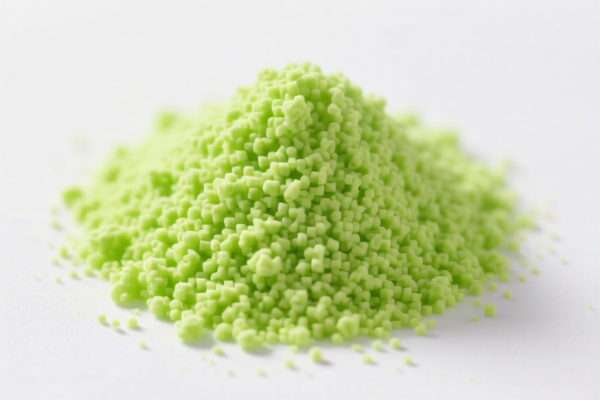
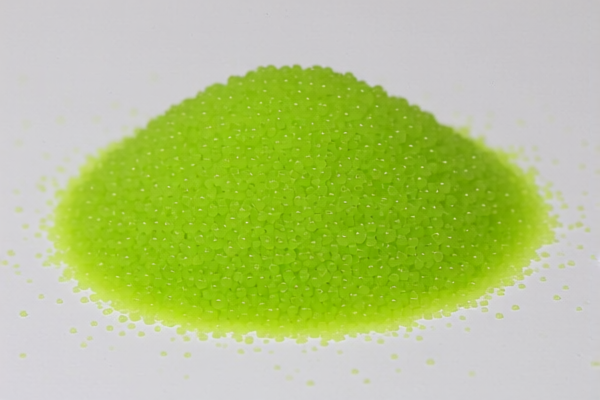
AI Analysis
⚠️ 全氟辛烷磺酰胺铸造用混合物 (Perfluorooctanesulfonamide Mixture for Casting)
🌐 HS Code Reference & Customs Clearance Guide | 2026 Latest Tariff Analysis | Professional Clearance Strategy
📌 I. Product Definition and Classification: Do You Understand "Casting Chemicals" Truly?
This product is a specialized chemical mixture used in metal casting processes. It contains Perfluorooctanesulfonamide (PFOSA) derivatives, which fall under the category of perfluorinated compounds (PFCs). In international trade, its classification hinges on two key factors: 1. Chemical Composition: The presence of specific perfluorinated acids/derivatives vs. general chemical mixtures. 2. Function/Use: Whether it acts as a primary chemical substance (e.g., the active ingredient) or as a preparation/formulation (e.g., a binder, additive, or auxiliary agent).
⚠️ Key Distinction Point:
- If classified as a specific chemical substance (focused on the PFOSA content) → HS 2915
- If classified as a mixture/preparation for casting (focused on the binder/auxiliary role) → HS 3824 or HS 3810
- Note: The specific "Perfluorooctanoic" vs. "Perfluorooctanesulfonamide" distinction can trigger different sub-headings depending on precise chemical naming conventions in the tariff schedule.
📦 II. HS Code Classification Details (2026 Latest Tariff Authoritative Comparison)
Based on the provided data, here are the potential HS Code classifications, their logical justifications, and associated tax rates.
| HS Code | Product Description & Logic | Tax Detail (China Origin to US) | Total Tax Rate |
|---|---|---|---|
3810.90.50.00 |
Other Auxiliaries / Chemical Preparations • Logic: Classified as a "preparation mixture" fitting the definition of "other auxiliary preparations." • Material Check: No conflict with general chemical mixture materials. |
Base: 5.0% Section 301: 25.0% Section 122: 10.0% |
40.0% |
3824.87.00.00 |
Other Chemical Products (Containing PFOA/PFOS) • Logic: Name explicitly mentions "Perfluorooctanoic" (or related perfluorinated compounds like PFOS/PFOSA derivatives). Fits "Chemical Products & Preparations." • State: Mixture form is acceptable. |
Base: 3.7% Section 301: 25.0% Section 122: 10.0% |
38.7% |
3824.10.00.00 |
Modifying Binders for Foundry Molds/cores • Logic: "For Casting" matches "For molding or core preparation." "Mixture" fits the typical chemical state of "modifying binders." • Material: No conflict with binder materials. |
Base: 6.0% Section 301: 25.0% Section 122: 10.0% |
41.0% |
3810.90.10.00 |
Other Preparations for Metal Surface Treatment • Logic: "Casting Mixture" is treated as an auxiliary preparation for metal processing (welding/casting aid). • Material: Assumed chemical preparation under "Other." |
Base: 6.5% Section 301: 25.0% Section 122: 10.0% |
41.5% |
2915.90.18.10 |
Other Saturated Acyclic Monoacids and Derivatives (Specific PFOSA) • Logic: Product explicitly contains Perfluorooctanoic Acid (PFOA) derivatives or specific perfluorinated structures. Fits the specific chemical limitation of this heading. • State: "Mixture" is accepted as the form of the chemical for specific use. |
Base: 4.2% Section 301: 25.0% Section 122: 10.0% |
39.2% |
🔍 Critical Observation:
- The lowest tax rate in this dataset is 38.7% (3824.87.00.00), followed closely by 39.2% (2915.90.18.10). - Highest tax rate is 41.5% (3810.90.10.00). - Environmental Sensitivity: All codes involving Perfluorinated Compounds (PFCs/PFOS/PFOA) are heavily scrutinized. Misclassification can lead to severe penalties due to EPA regulations.
💰 III. 2026 Latest Tariff Rate Breakdown (Including Surcharges & Policy Add-ons)
✅ Applicable Country: United States (US)
✅ Origin: China (CN)
✅ Effective Date: November 10, 2025 (and subsequent imports)
🎯 1. 3824.87.00.00 —— Other Chemical Products (Lowest Tax Option: 38.7%)
| Item | Content |
|---|---|
| Base Rate | 3.7% |
| USITC Section 301 Surcharge | +25.0% |
| IEEPA Section 122 Surcharge | +10.0% |
| Total Tax Rate | 38.7% |
| Tax Calculation | CIF Value × 38.7% |
| De Minimis Eligibility | ❌ No (deny_de_minimis applies to chemical mixtures under scrutiny) |
| Legal Basis Path | IEEPA:9903.01.24 → USITC:3824.87.00.00 → FOOTNOTE:9903.88.01 |
📌 Explanation:
- This classification leverages the "Other Chemical Products" category. It is often favored if the product is primarily used as a chemical additive rather than a structural binder. - The 10% IEEPA surcharge is a critical additional cost for Chinese-origin goods.
🎯 2. 2915.90.18.10 —— Specific Perfluorinated Acid Derivatives (39.2%)
| Item | Content |
|---|---|
| Base Rate | 4.2% |
| USITC Section 301 Surcharge | +25.0% |
| IEEPA Section 122 Surcharge | +10.0% |
| Total Tax Rate | 39.2% |
| Tax Calculation | CIF Value × 39.2% |
| De Minimis Eligibility | ❌ No |
| Legal Basis Path | IEEPA:9903.01.24 → USITC:2915.90.18.10 |
📌 Note:
- This is the most chemically precise classification if the product is dominated by the active ingredient PFOSA/PFOA. - Customs may require extensive documentation to prove the chemical structure matches this specific subheading.
🎯 3. 3824.10.00.00 —— Foundry Binders (41.0%)
| Item | Content |
|---|---|
| Base Rate | 6.0% |
| USITC Section 301 Surcharge | +25.0% |
| IEEPA Section 122 Surcharge | +10.0% |
| Total Tax Rate | 41.0% |
| Tax Calculation | CIF Value × 41.0% |
| De Minimis Eligibility | ❌ No |
| Legal Basis Path | IEEPA:9903.01.24 → USITC:3824.10.00.00 |
📌 Note:
- Use this if the primary function is clearly as a binder or core molding aid in the casting process. - Higher base rate (6.0%) makes it less competitive than3824.87.
🛠️ IV. Customs Clearance Practical Advice (Battle-Tested Pitfall Avoidance Guide)
✅ 1. Documentation Checklist (Mandatory)
| Document | Required | Description |
|---|---|---|
| ✅ Product Specifications | ✔️ | Must detail chemical composition, specifically % of PFOSA/PFOA. |
| ✅ Safety Data Sheet (SDS) | ✔️ | Crucial. Must highlight hazardous properties (Perfluorinated compounds are regulated). |
| ✅ Chemical Structure Diagram | ✔️ | To support classification under 2915 vs. 3824. |
| ✅ Third-Party Test Report | ✔️ | EPA-compliant testing for PFOA/PFOS levels. |
| ✅ Commercial Invoice | ✔️ | Clear description: "Perfluorooctanesulfonamide Mixture for Casting Use." |
| ✅ Certificate of Origin (CO) | ✔️ | Required for Section 301/122 duty assessment. |
| ✅ Usage Declaration | ✔️ | Confirm it is used in casting, not for consumer goods or unregulated purposes. |
✅ 2. Declaration Strategy (Key Mantra)
🔥 "Chemical First, Function Second, PFOSA Declared, Avoid the Trap!"
| Scenario | Correct Declaration | Wrong Practice |
|---|---|---|
| Primary Ingredient is PFOSA | Declare as Chemical Preparation (3824 or 2915) |
Hide PFOSA content → Severe Fraud Penalty |
| Used as Binder in Casting | Declare as Foundry Binder (3824.10) |
Declare as General Chemical → Higher Duty |
| Mixture Form | Declare as "Mixture" or "Solution" | Declare as "Pure Substance" without proof → Delay |
| EPA Registration | Provide EPA TSCA number (if applicable) | Omit EPA details → Hold at Border |
✅ 3. Special Circumstances Handling
| Situation | Handling Advice |
|---|---|
| EPA TSCA Inventory Check | Ensure the perfluorinated compounds are on the TSCA inventory or have a valid PMI (Prior Notice). |
| High PFOS/PFOA Content | Be prepared for additional environmental reviews. Some states have stricter bans. |
| OEM Custom Mixture | Provide the client’s formulation sheet to justify the "Mixture" classification. |
| Small Samples | Still subject to full duties and EPA rules. Do not use "Gift" or "Sample" to bypass. |
🌍 V. Global Customs Comparison (2026 Latest)
| Country/Region | Recommended HS Code | Duty | Certification | Notes |
|---|---|---|---|---|
| 🇺🇸 USA | 3824.87.00.00 or 2915.90.18.10 |
38.7% - 39.2% | TSCA + EPA | High scrutiny on PFCs. |
| 🇨🇳 China | 3824.10.00.00 |
~6-10% | N/A | Lower base duty, but export restrictions on PFOS may apply. |
| 🇪🇺 EU | 3824.99 or 2915 |
Varies | REACH Registration | Stricter: PFOA/PFOS are highly restricted under REACH. |
| 🇦🇺 Australia | 3824.99 |
~5% | AICIS | Requires notification for new substances. |
📌 Conclusion:
- The USA offers the most defined tariff paths in the provided data, but the combined duty (38.7%-41.5%) is significant. - Environmental compliance is the biggest hurdle, not just the tariff. Ensure EPA/TSCA compliance for all imports.
📌 VI. Common Errors & Pitfalls (Lessons Learned)
❌ Error 1: Declaring "Casting Additive" without specifying PFOSA content
👉 Consequence: Customs suspicion of hidden regulated substances → Inspection & Detention.
❌ Error 2: Using 3824.10 (Binder) when the product is primarily a chemical release agent
👉 Consequence: Misclassification → Audits & Back-taxes.
❌ Error 3: Ignoring the 10% IEEPA Section 122 Surcharge
👉 Consequence: Underpayment of duties → Penalties & Late Fees.
❌ Error 4: Not providing SDS/Chemical Structure
👉 Consequence: Unable to verify HS Code → Port Hold.
✅ Correct Practice:
"Perfluorooctanesulfonamide Mixture, Chemical Additive for Metal Casting, Contains PFOA Derivatives, TSCA Compliant, SDS Attached"
🎯 VII. Conclusion: Precise Classification Saves Money!
🎯 Remember the Mantra:
🔹 "PFOSA is King, Declare it Right."
🔹 "38.7% is the Sweet Spot (via 3824.87),"
🔹 "But EPA Rules are Tighter than the Tariff!"
📌 Pro Tip:
- If your product has <0.1% PFOS/PFOA, it may qualify for different reporting thresholds, but still requires careful classification.
- Apply for an Advance Ruling from US Customs (CBP) if the chemical composition is complex.
- Consider Supply Chain Diversification: If duties exceed profit margins, evaluate production in non-China countries to avoid Section 301/122 tariffs (though environmental laws still apply).
📣 Action Now:
📞 Consult a customs broker specialized in Chemicals & Environmental Compliance.
📄 Prepare SDS & TSCA Documentation immediately.
🚀 Clear Customs Efficiently, Avoid EPA Traps, Protect Your Profit!
✨ Professional Clearance Starts with Accurate Classification!
💼 Every Percent of Tax Matters!
Customer Reviews
About HS Code Classification
The Harmonized System (HS) is an internationally standardized nomenclature developed by the World Customs Organization (WCO) to classify traded products. Over 200 countries use the HS system as the basis for customs tariffs, trade statistics, and import/export regulations.
Each HS code follows a hierarchical structure:
- Chapter (2 digits) — Broad category of goods (e.g., Chapter 84: Machinery and Mechanical Appliances)
- Heading (4 digits) — More specific grouping within the chapter
- Subheading (6 digits) — Internationally standardized breakdown, used by all WCO member countries
- National subdivisions (8-10 digits) — Country-specific extensions for further classification, such as US HTSUS 10-digit codes
Correct HS code classification is essential for smooth customs clearance, accurate duty payment, and compliance with trade regulations. Misclassification can lead to customs delays, overpayment of duties, or penalties.
When importing from CN to US, the applicable tariff rates may include:
- Most-Favored-Nation (MFN) rate — The standard duty rate applied to WTO members
- General rate — Applied to countries without trade agreements
- Trade remedy duties — Additional tariffs such as Section 301 (anti-dumping), Section 232 (national security), or countervailing duties
The information provided on this page is for reference purposes only. For official classification, please consult with your local customs authority or a licensed customs broker.