perforated data card
CN → US| HS Code | Tariff Rate | Origin | Destination | Doc |
|---|---|---|---|---|
| 4814900200 | 17.5% | CN | US | Official Doc |
| 4823903100 | 35.0% | CN | US | Official Doc |
| 4823906700 | 35.0% | CN | US | Official Doc |
| 4811904090 | 35.0% | CN | US | Official Doc |
| 4811906090 | 35.0% | CN | US | Official Doc |
Product Images
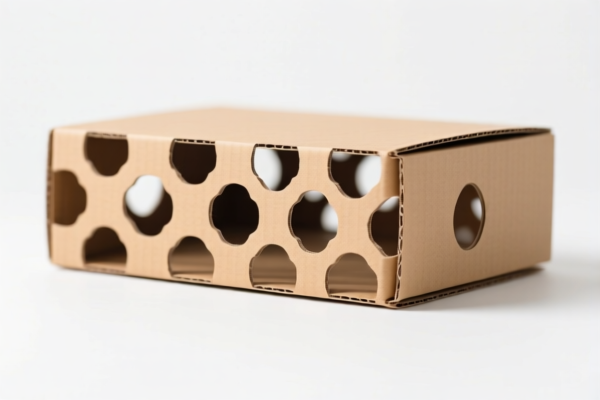
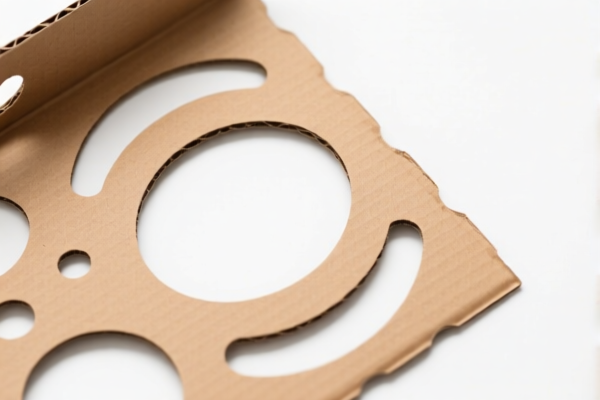
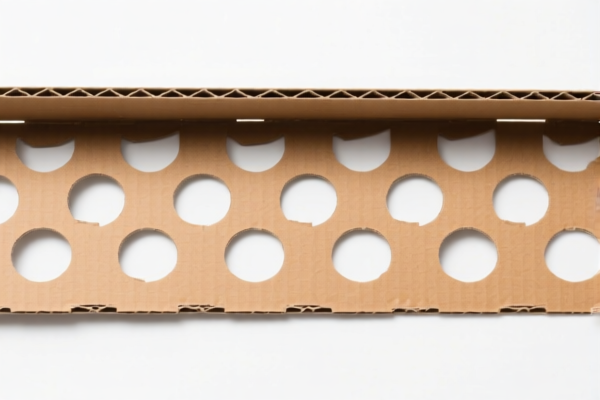
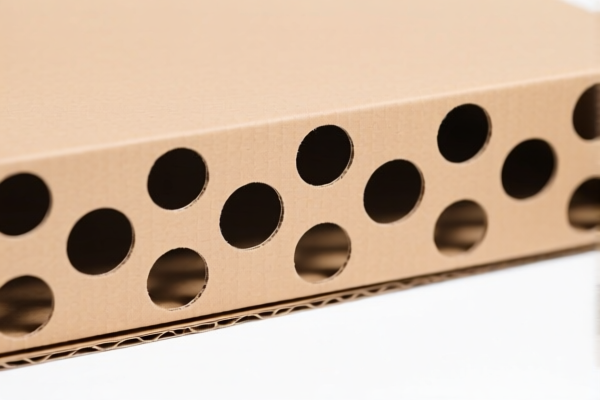
AI Analysis
🃏 Perforated Data Cards (打孔数据卡)
🌐 HS Code Reference & Customs Clearance Guide | 2026 Latest Tariff Analysis | Professional Compliance Strategy
📌 I. Product Definition & Classification: What Exactly is a "Perforated Data Card"?
Perforated data cards are rectangular pieces of paper or cellulose-based material, punched with specific patterns of holes to encode binary data for computer input, historical archiving, or industrial control systems. In international trade, they are primarily classified under Chapter 48 (Paper and Paperboard).
Classification depends heavily on material composition (pure paper vs. cotton/blend) and physical state (loose sheets vs. rolls).
⚠️ Key Distinction Point:
- If the product is simply "Paper" (cellulose fibers) in roll form or processed sheets for punching → Falls under 4811 (Processed Paper) or 4814 (Wallpaper-like paper) or 4823 (Other cut/punched paper).
- Material Conflict Check: "Cotton paper" (棉纸) is often treated as cellulose-based paper in HS nomenclature unless it constitutes a textile fabric. The provided data treats "Cotton Paper" as Cellulose/Paper (Ch 48), not Textiles (Ch 50-63).
📦 II. HS Code Classification Details (2026 Latest Tariff Authority Mapping)
Based on the provided data, here are the 5 potential HS Codes for "Perforated Data Cards" or related "Paper Rolls" used in such contexts.
| HS Code | Product Description | Application Scenario | Tax Rate (Total) |
|---|---|---|---|
4814.90.02.00 |
Other wallpaper and similar wall coverings, of paper | Transparent window sheets, paper-based overlays, non-punched general paper rolls | 17.5% |
4823.90.31.00 |
Other paper, paperboard, cellulose wadding and webs of cellulose fibre; cut to size or shape; punched | Direct Match: Perforated cards, punched paper items, cellulose-based punched media | 35.0% |
4823.90.67.00 |
Other paper, paperboard, cellulose wadding and webs; coated or surface-treated | Coated cellulose paper rolls, processed paper sheets | 35.0% |
4811.90.40.90 |
Other paper, paperboard, cellulose wadding and webs; coated, impregnated, covered, surface-coloured | Paper rolls, processed/cotton-paper rolls for general use | 35.0% |
4811.90.60.90 |
Other paper, paperboard, cellulose wadding and webs; coated, impregnated, covered, surface-coloured | Coated/processed paper products, excluding tissue/paper towels | 35.0% |
🔍 Critical Analysis:
-4823.90.31.00is the most precise match for "Perforated Data Cards" because it explicitly mentions "punched" (打孔) products made of paper/cellulose.
-4814.90.02.00is the lowest tax option (17.5%) but applies to "transparent window sheets" or similar. If the data card is not transparent and not for wall coverage, this code may be rejected by customs as misdeclaration.
- Codes4823.90.67.00,4811.90.40.90, and4811.90.60.90all carry a 35% total tax and are used for "rolls" or "coated/processed" paper. Use these only if the item is sold in rolls or is coated/processed and not specifically punched.
💰 III. 2026 Latest Tariff Rate Breakdown (Including Add-on Taxes & Policy Surcharges)
✅ Applicable Country: United States (US)
✅ Origin: China (CN)
✅ Effective Date: From November 10, 2025 (and subsequent imports)
🎯 1. 4814.90.02.00 —— Transparent Window Paper / Wall Covering (Lowest Tax Candidate)
| Item | Content |
|---|---|
| Base Rate | 0% (ad valorem) |
| USITC Add-on Tax | +7.5% (Section 301 / 122 Clause) |
| IEEPA Add-on Tax | +10% (Section 122 / IEEPA for China-origin goods) |
| Total Tax Rate | 17.5% |
| Tax Calculation | CIF Value × 17.5% |
| De Minimis Exemption | ❌ Not Eligible (Deny De Minimis for Section 301 goods) |
| Legal Basis Path | IEEPA:122 → USITC:4814.90.02.00 → FOOTNOTE:122_CLAUSE |
📌 Explanation:
- This code offers the lowest tariff burden (17.5%).
- Risk: Customs may reject this if the product is a punched data card and not a "window sheet" or "wallpaper." Misclassification can lead to fines and back-taxes.
- Strategy: Only use if the product is non-punched, transparent, or clearly resembles window film/wallpaper.
🎯 2. 4823.90.31.00 —— Punched Paper/Cellulose Products (Most Accurate Match)
| Item | Content |
|---|---|
| Base Rate | 0% |
| USITC Add-on Tax | +25% (Section 301) |
| IEEPA Add-on Tax | +10% (Section 122 / IEEPA) |
| Total Tax Rate | 35.0% |
| Tax Calculation | CIF Value × 35.0% |
| De Minimis Exemption | ❌ Not Eligible |
| Legal Basis Path | IEEPA:122 → USITC:4823.90.31.00 → FOOTNOTE:9903.88.01 |
📌 Explanation:
- This is the most accurate code for "Perforated Data Cards" as it explicitly covers punched paper/cellulose items.
- Cost Impact: Significantly higher (35% vs 17.5%).
- Justification: Must provide evidence that the product is punched and used for data/archival purposes.
🎯 3. 4823.90.67.00 / 4811.90.40.90 / 4811.90.60.90 —— Coated/Processed Paper Rolls (Alternative for Rolls)
| Item | Content |
|---|---|
| Base Rate | 0% |
| USITC Add-on Tax | +25% |
| IEEPA Add-on Tax | +10% |
| Total Tax Rate | 35.0% |
| Tax Calculation | CIF Value × 35.0% |
| De Minimis Exemption | ❌ Not Eligible |
| Legal Basis Path | IEEPA:122 → USITC:4811/4823 → FOOTNOTE:9903.88.01 |
📌 Explanation:
- Use these codes if the product is sold as rolls (卷) and is coated/processed but not specifically punched (or if the punching is considered part of the processing).
- Cotton Paper (棉纸): The data explicitly links "Cotton Paper" to these codes under the "Cellulose/Fiber" category.
🛠️ IV. Customs Clearance Practical Advice (Real-World Pitfall Avoidance)
✅ 1. Documentation Checklist (Non-Negotiable)
| Document | Required | Description |
|---|---|---|
| ✅ Product Specification Sheet | ✔️ | Must detail: Material (Cellulose/Cotton), Dimensions, Punch Pattern (if any), Usage (Data Input/Archival). |
| ✅ Photos (Clear & Detailed) | ✔️ | Show the punched holes clearly for 4823.90.31.00. Show the roll form if using 4811 codes. |
| ✅ Commercial Invoice | ✔️ | Accurate description: "Paper Perforated Data Cards" or "Cellulose Paper Rolls for Punching." Avoid vague terms like "Office Supplies." |
| ✅ Packing List | ✔️ | Specify units (Sheets vs. Rolls). |
| ✅ Certificate of Origin (CO) | ✔️ | Mandatory for US imports from China to confirm origin. |
✅ 2. Declaration Strategy (Key Mantra)
🔥 “Punched is 4823, Rolled is 4811, Transparent is 4814, Mislabeling Costs Double!”
| Scenario | Correct HS Code | Risk if Incorrect |
|---|---|---|
| Actual Product: Punched cards for data | 4823.90.31.00 |
If declared as 4814 (17.5%) → Audit Risk + Back Taxes (17.5% diff) + Penalties |
| Actual Product: Unpunched Paper Rolls | 4811.90.40.90 or 4814.90.02.00 |
If declared as 4823 (35%) → Overpayment |
| Actual Product: Transparent Window Film | 4814.90.02.00 |
If declared as 4823 → Rejection (Not punched data cards) |
| Actual Product: "Cotton Paper" Rolls | 4811.90.40.90 or 4823.90.67.00 |
Ensure material is classified as Cellulose/Paper, not Textile |
✅ 3. Special Handling Tips
| Situation | Recommendation |
|---|---|
| "Cotton Paper" (棉纸) | Declare as "Cellulose Paper" or "Paper, Cotton Content". Do NOT declare as "Cotton Fabric" (Ch 52) unless it’s woven textile. The data supports Paper classification. |
| Mixed Shipment | If shipment contains both punched cards and unpunched rolls, declare separately. Do not average the tax rate. |
| Transparency | If the cards are transparent (like some old computer cards), consider 4814.90.02.00 but provide strong justification for "Window Paper" classification. |
| Pre-Ruling | Given the 17.5% vs 35% disparity, apply for an Advance Ruling from US CBP if your product is borderline between "Punched Card" (4823) and "Processed Paper Roll" (4811). |
🌍 V. Global Market Comparison (2026 Update)
| Region | Recommended HS Code | Estimated Tax (China Origin) | Certification/Notes |
|---|---|---|---|
| 🇺🇸 USA | 4823.90.31.00 (Punched) / 4814.90.02.00 (Transparent) |
35% or 17.5% | Strict scrutiny on "Punched" vs "Roll". No De Minimis. |
| 🇨🇳 China | 4823.90.31.00 |
~5-10% | Lower base tax, no Section 301/122 surcharges. |
| 🇪🇺 EU | 4823.90.31.00 |
~6.5% | Standard MFN rate. No massive surcharges. |
| 🇬🇧 UK | 4823.90.31.00 |
~6.5% | Post-Brexit tariffs similar to EU. |
📌 Conclusion:
- The US market is the most challenging due to the 122/301 dual surcharges.
- For US imports, every percentage point matters. If your product can legitimately be classified as4814.90.02.00(17.5%), it saves 17.5% in taxes compared to4823.90.31.00(35%).
- However, accuracy is paramount. Misclassifying a punched card as "window paper" is a high-risk audit trigger.
📌 VI. Common Errors & Pitfalls (Lessons Learned)
❌ Error 1: Declaring "Perforated Data Cards" as 4814.90.02.00 to save tax.
👉 Consequence: CBP flags the shipment. You must prove the item is not a data card. If proven to be a data card, you owe the 17.5% difference + penalties.
❌ Error 2: Declaring "Cotton Paper Rolls" as Textiles (Ch 50-63).
👉 Consequence: HS Code mismatch. Paper is Ch 48. Even if made of cotton, if it’s paper/fiber web, it’s Ch 48. Misclassification leads to delays.
❌ Error 3: Ignoring the "Punched" feature.
👉 Consequence: If you declare unpunched paper codes (4811) for punched cards, customs may reject the entry for "Material Non-Conformity."
✅ Correct Approach:
"Perforated Paper Data Cards, Cellulose-based, Punched for Computer Input" →
4823.90.31.00
"Transparent Paper Rolls for Window Covering" →4814.90.02.00(if applicable)
🎯 VII. Conclusion: Precision Saves Money!
🎯 Remember the Mantra:
🔹 "Punched = 35%, Transparent = 17.5%, Mislabel = Penalty!"
🔹 "Cotton Paper is Still Paper (Ch 48), Not Textile (Ch 52)!"
📌 Pro Tip:
If your "Perforated Data Cards" are transparent and not used for data input (e.g., decorative or window overlays), fight for 4814.90.02.00 to halve your tax bill.
If they are standard punched cards for data, accept the 35% rate under 4823.90.31.00 to ensure smooth clearance.
📣 Immediate Action:
📞 Consult a Customs Broker: Provide high-res photos of the punched pattern and material sample.
🚀 Apply for Pre-Ruling: If the product is borderline, get an official CBP ruling to lock in the 17.5% rate if possible.
✨ Professional Customs Clearance Starts with Accurate Classification!
💼 Your Profit Margin Depends on These 17.5% vs 35% Decisions!
Customer Reviews
About HS Code Classification
The Harmonized System (HS) is an internationally standardized nomenclature developed by the World Customs Organization (WCO) to classify traded products. Over 200 countries use the HS system as the basis for customs tariffs, trade statistics, and import/export regulations.
Each HS code follows a hierarchical structure:
- Chapter (2 digits) — Broad category of goods (e.g., Chapter 84: Machinery and Mechanical Appliances)
- Heading (4 digits) — More specific grouping within the chapter
- Subheading (6 digits) — Internationally standardized breakdown, used by all WCO member countries
- National subdivisions (8-10 digits) — Country-specific extensions for further classification, such as US HTSUS 10-digit codes
Correct HS code classification is essential for smooth customs clearance, accurate duty payment, and compliance with trade regulations. Misclassification can lead to customs delays, overpayment of duties, or penalties.
When importing from CN to US, the applicable tariff rates may include:
- Most-Favored-Nation (MFN) rate — The standard duty rate applied to WTO members
- General rate — Applied to countries without trade agreements
- Trade remedy duties — Additional tariffs such as Section 301 (anti-dumping), Section 232 (national security), or countervailing duties
The information provided on this page is for reference purposes only. For official classification, please consult with your local customs authority or a licensed customs broker.