perfumes
CN → US| HS Code | Tariff Rate | Origin | Destination | Doc |
|---|---|---|---|---|
| 7010903010 | 40.2% | CN | US | Official Doc |
| 3923300010 | 38.0% | CN | US | Official Doc |
| 3923300090 | 38.0% | CN | US | Official Doc |
| 7013993000 | 26.5% | CN | US | Official Doc |
| 7010903020 | 40.2% | CN | US | Official Doc |
Product Images
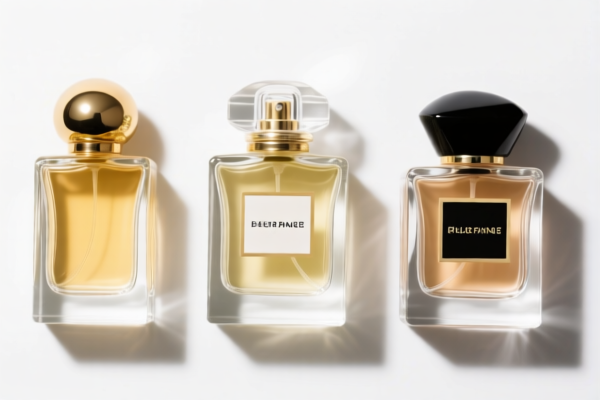
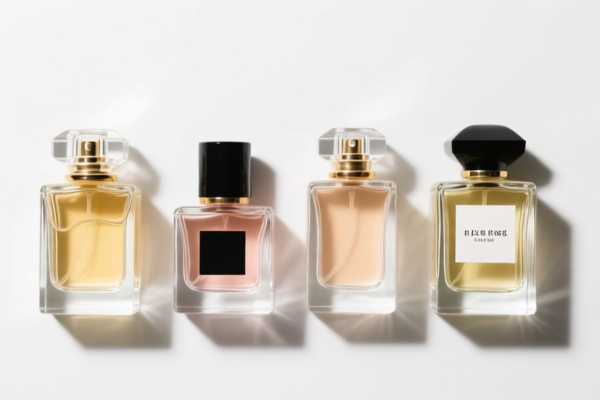
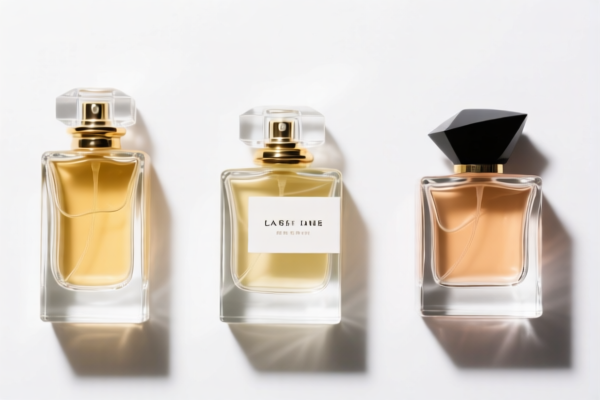
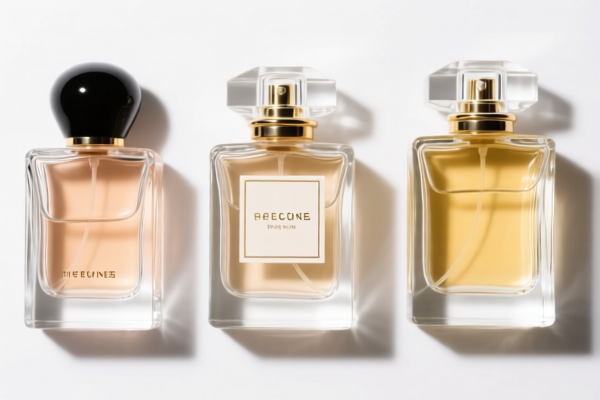
AI Analysis
🌸 Perfumes & Fragrance Packaging (Global Trade & Customs Clearance Guide)
🌐 HS Code Reference & Clearance Strategy | 2026 Latest Tariff Analysis | Professional Compliance Guide
📌 I. Product Definition & Classification: Do You Know What You Are Importing?
Perfumes and fragrance products are high-value, volatile chemical goods. In international trade, they are strictly divided into two categories based on function and material:
- The Fragrance Itself (Liquid/Gel): Chemical mixtures of essential oils, alcohol, and water. Classified under Chapter 33 (Essential Oils & Perfumery).
- The Packaging (Bottles/Vials): Containers used specifically to hold the perfume. Classified based on material (Glass vs. Plastic) under Chapter 70 or Chapter 39.
⚠️ Critical Distinction Point: - If you are importing liquid perfume → It is a chemical product (HS Code starts with
33). - If you are importing empty bottles → It is a container (HS Code starts with70or39). - Never mix these in the same line item unless specifically declared as a "set" with separate values, but generally, they have vastly different tax liabilities and regulatory requirements.
📦 II. HS Code Classification Matrix (2026 Latest Tariff Authority)
Based on the provided dataset, here is the precise mapping for Perfume-related goods.
| HS Code | Product Description | Material/Type | Key Identification Criteria |
|---|---|---|---|
3307.90.00.00 |
Perfume/Fragrance (General) | Chemical/Liquid | Falls under "Miscellaneous perfumery, toilet or cosmetic preparations." General fragrance category. |
3303.00.20.00 |
Perfume & Cologne (Specific) | Chemical/Liquid | Specifically for "Perfumes and Toilet Waters." Higher specificity than 3307. |
7010.90.30.10 |
Perfume Bottle (Empty) | Glass | Glass vials/bottles specifically designed for perfume packaging. |
7010.90.30.20 |
Perfume Bottle (Empty) | Glass | Another sub-classification for glass perfume bottles (similar tax rate, distinct customs subheading). |
7013.99.30.00 |
Glassware (General Perfume Use) | Glass | Glass articles not specifically "bottles" but "glassware" suitable for perfume use (e.g., decorative jars). |
3923.30.00.10 |
Perfume Bottle (Empty) | Plastic | Plastic ampoules/vials specifically for perfume. |
3923.30.00.90 |
Plastic Container (General) | Plastic | Other plastic containers, not specifically limited to perfume capacity/use, but used for it. |
🔍 Key Insight: - Liquid Perfume (
33xx) and Empty Bottles (70xx/39xx) are never the same HS Code. - Glass bottles (70xx) generally have lower base tariffs than plastic (39xx) but are subject to the same punitive tariffs. -3303.00.20.00(Specific Perfume) has a 0% base tariff, while3307.90.00.00(General Fragrance) has a 5.4% base tariff. Precision here saves money!
💰 III. 2026 Latest Tariff Rate Breakdown (US Market Focus)
✅ Applicable Country: USA (US)
✅ Origin: China (CN)
✅ Effective Date: Post-November 2025 (Includes all subsequent imports)
🎯 1. The "Liquid Perfume" Category (Chemicals)
A. 3303.00.20.00 – Perfumes & Toilet Waters (High Precision)
| Item | Content |
|---|---|
| Base Tariff | 0.0% |
| Section 301 Tariff | +25.0% (USITC Footnote: Section 301) |
| 122 Clause Tariff | +10.0% (Specific regulatory clause) |
| Total Tax Rate | 35.0% |
| Calculation | CIF Value × 35% |
| De Minimis Exemption | ❌ NOT APPLICABLE |
B. 3307.90.00.00 – Miscellaneous Fragrance Preparations (Broad Category)
| Item | Content |
|---|---|
| Base Tariff | 5.4% |
| Section 301 Tariff | +25.0% |
| 122 Clause Tariff | +10.0% |
| Total Tax Rate | 40.4% |
| Calculation | CIF Value × 40.4% |
| De Minimis Exemption | ❌ NOT APPLICABLE |
📌 Explanation:
- Choosing3303.00.20.00over3307.90.00.00saves 5.4% on the base tariff. - Both are subject to the aggressive 35-40%+ total burden due to US-China trade policies. - No de minimis exemption: Packages under $800 are NOT tax-free. Customs will assess duty on the full value.
🎯 2. The "Glass Bottle" Category (Empty Containers)
A. 7010.90.30.10 & 7010.90.30.20 – Specific Perfume Bottles
| Item | Content |
|---|---|
| Base Tariff | 5.2% |
| Section 301 Tariff | +25.0% |
| 122 Clause Tariff | +10.0% |
| Total Tax Rate | 40.2% |
| Calculation | CIF Value × 40.2% |
| De Minimis Exemption | ❌ NOT APPLICABLE |
B. 7013.99.30.00 – General Glassware (Perfume Use)
| Item | Content |
|---|---|
| Base Tariff | 9.0% |
| Section 301 Tariff | +7.5% (Note: Lower Section 301 rate for this specific subheading) |
| 122 Clause Tariff | +10.0% |
| Total Tax Rate | 26.5% |
| Calculation | CIF Value × 26.5% |
| De Minimis Exemption | ❌ NOT APPLICABLE |
📌 Strategic Opportunity:
If the bottle is not strictly a "vial" but can be classified as "general glassware suitable for perfume,"7013.99.30.00offers a significantly lower rate (26.5% vs 40.2%). However, this requires strong justification that it is not exclusively designed as a perfume vial.
🎯 3. The "Plastic Bottle" Category (Empty Containers)
A. 3923.30.00.10 & 3923.30.00.90 – Plastic Ampoules/Containers
| Item | Content |
|---|---|
| Base Tariff | 3.0% |
| Section 301 Tariff | +25.0% |
| 122 Clause Tariff | +10.0% |
| Total Tax Rate | 38.0% |
| Calculation | CIF Value × 38.0% |
| De Minimis Exemption | ❌ NOT APPLICABLE |
🛠️ IV. Customs Clearance Practical Advice (Real-World Pitfall Guide)
✅ 1. Documentation Checklist (Non-Negotiable)
| Document | Mandatory? | Purpose |
|---|---|---|
| ✅ Formula/Ingredient List | ✔️ | For 33xx codes. Customs needs to verify it's not a hazardous chemical or controlled substance. |
| ✅ Product Photos (Labeled) | ✔️ | Must show the label. If it's a bottle, show the shape. If it's liquid, show the consistency. |
| ✅ Certificate of Origin (CO) | ✔️ | Crucial for claiming any potential exemptions (though currently none for China US). |
| ✅ Commercial Invoice | ✔️ | Must clearly distinguish between "Liquid Perfume" and "Empty Bottles" if shipped together. |
| ✅ Safety Data Sheet (SDS) | ✔️ | Critical for Perfumes. Contains flammability data. Required for air freight and customs safety checks. |
✅ 2. Classification Strategy (The "Golden Rules")
🔥 “Separate Values, Separate Codes, Zero De Minimis!”
| Scenario | Correct Approach | Risk of Error |
|---|---|---|
| Importing Liquid Perfume | Use 3303.00.20.00 if it's traditional perfume. Use 3307.90.00.00 if it's a "body mist" or "air freshener." |
Misclassifying as 3307 when it’s 3303 leads to overpayment. Misclassifying liquid as glass leads to seizure. |
| Importing Empty Glass Bottles | Try 7013.99.30.00 (26.5%) if shape is generic. Use 7010.90.30.10 (40.2%) if distinctly a perfume vial. |
Over-declaring specificity increases tax by ~14%. Under-declaring generic goods may lead to audits. |
| Importing Empty Plastic Bottles | Use 3923.30.00.10 or .90. |
Plastic is always ~38%. No major optimization here. |
| Shipment Mix (Bottle + Liquid) | Split the Invoice! Declare bottles under 70xx/39xx and liquid under 33xx. |
Combining them into one HS code is illegal and triggers fraud alerts. |
✅ 3. Special Regulatory Warnings
| Issue | Handling Advice |
|---|---|
| Flammability | Perfumes are often Class 3 Flammable Liquids. Ensure packaging is UN-certified for air freight. |
| No De Minimis | Do NOT use DHL/FedEx/UPS standard express for small packages expecting tax-free entry ($800 limit). Duty will be charged. Consider sea freight for bulk. |
| FDA/CPSC | While primarily USDA/FDA for ingestibles, cosmetic perfumes may be scrutinized by FDA for prohibited ingredients (e.g., certain allergens). |
| Labeling | Labels must include: Net contents, brand, manufacturer info, and ingredient list (if required by destination country regulations). |
🌍 V. Global Market Comparison (2026 Snapshot)
| Country/Region | Recommended HS Code | Est. Total Duty (China Origin) | Key Requirement |
|---|---|---|---|
| 🇺🇸 USA | 3303.00.20.00 / 7010.90.30.10 |
35.0% - 40.2% | High punitive tariffs. SDS required. |
| 🇨🇳 China | 3303.00.20.00 / 7010.90.30.10 |
~5-10% | No punitive tariffs. Cosmetic filing needed. |
| 🇪🇺 EU | 3303.00 / 7010.90 |
~6.5% (Duty) + VAT | CPNP notification, CLP labeling, heavy allergen restrictions. |
| 🇬🇧 UK | 3303.00 / 7010.90 |
~6.5% (Duty) + VAT | UKCPNP notification. |
📌 Conclusion:
The US market is the most expensive due to the layered 301 + 122 tariffs. For US imports, cost optimization lies in classification accuracy (e.g.,7013vs7010) and supply chain adjustments (e.g., final assembly in third countries to avoid "China Origin" tags, if feasible).
📌 VI. Common Errors & "Blood & Tears" Lessons
❌ Error 1: Assuming De Minimis Applies
👉 Consequence: Your $50 perfume package gets hit with $15-20 in duties + handling fees. The customer refuses delivery.
👉 Fix: Always budget for 35-40% tax for US imports from China.
❌ Error 2: Misclassifying Liquid as Glass
👉 Consequence: Customs opens the box, sees liquid, and flags the shipment as "Misdeclaration." Potential seizure.
👉 Fix: Clearly state "Liquid Perfume" vs "Empty Glass Bottles" in the description.
❌ Error 3: Using Generic "Perfume" for All Scents
👉 Consequence: Paying 5.4% base tax when you qualify for 0% base tax by using 3303.
👉 Fix: If it is a classic Eau de Parfum/Toilet Water, use 3303.00.20.00.
✅ Correct Declaration Example:
"Liquid Perfume, Eau de Parfum, 50ml, Brand X, Contains Ethanol & Essential Oils. HS: 3303.00.20.00"
"Empty Glass Perfume Vials, 10ml, Frosted, Brand Y. HS: 7010.90.30.10"
🎯 VII. Conclusion: Precision is Profit!
🎯 Remember the Mantra:
🔹 "Liquid is 33, Glass is 70, Plastic is 39."
🔹 "3303 saves the base rate (0% vs 5.4%)."
🔹 "7013 beats 7010 (26.5% vs 40.2%)."
🔹 "No De Minimis for China! Budget for 40% Tax."
📌 Pro Tip:
If you are importing large volumes, apply for an Advance Ruling (Isoguides) or consult a licensed customs broker to confirm if 7013.99.30.00 is applicable for your specific bottle shapes. This single decision can save you 14% in duties on all glass packaging!
📣 Take Action Now:
📞 Engage a Customs Broker to review your SDS and Product Images.
🚀 Audit Your HS Codes against the 2026 table.
💼 Optimize Your Landed Cost before you ship!
✨ Smart Customs, Smarter Business!
💼 Every percent saved is profit earned!
Customer Reviews
About HS Code Classification
The Harmonized System (HS) is an internationally standardized nomenclature developed by the World Customs Organization (WCO) to classify traded products. Over 200 countries use the HS system as the basis for customs tariffs, trade statistics, and import/export regulations.
Each HS code follows a hierarchical structure:
- Chapter (2 digits) — Broad category of goods (e.g., Chapter 84: Machinery and Mechanical Appliances)
- Heading (4 digits) — More specific grouping within the chapter
- Subheading (6 digits) — Internationally standardized breakdown, used by all WCO member countries
- National subdivisions (8-10 digits) — Country-specific extensions for further classification, such as US HTSUS 10-digit codes
Correct HS code classification is essential for smooth customs clearance, accurate duty payment, and compliance with trade regulations. Misclassification can lead to customs delays, overpayment of duties, or penalties.
When importing from CN to US, the applicable tariff rates may include:
- Most-Favored-Nation (MFN) rate — The standard duty rate applied to WTO members
- General rate — Applied to countries without trade agreements
- Trade remedy duties — Additional tariffs such as Section 301 (anti-dumping), Section 232 (national security), or countervailing duties
The information provided on this page is for reference purposes only. For official classification, please consult with your local customs authority or a licensed customs broker.