pet backpack
CN → US| HS Code | Tariff Rate | Origin | Destination | Doc |
|---|---|---|---|---|
| 6307909891 | 24.5% | CN | US | Official Doc |
| 4202923900 | 52.6% | CN | US | Official Doc |
| 4202923131 | 52.6% | CN | US | Official Doc |
Product Images
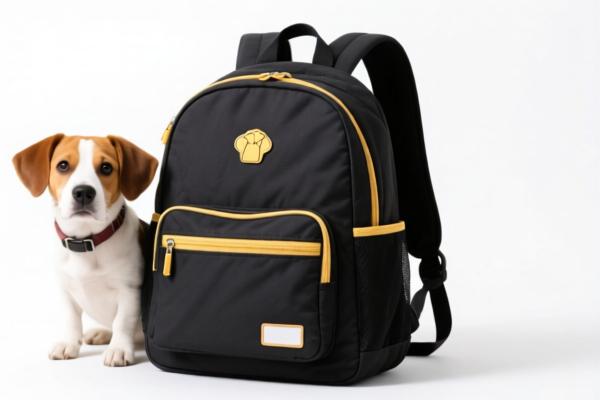
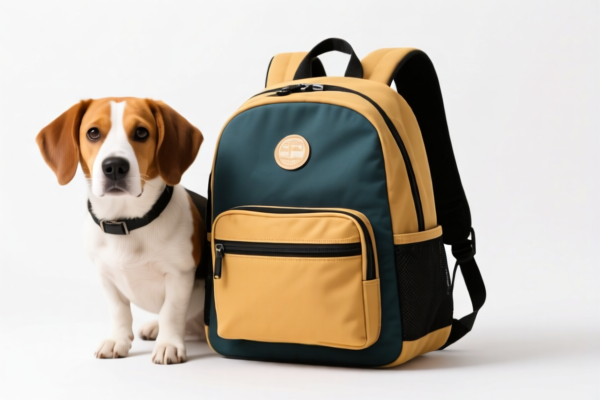
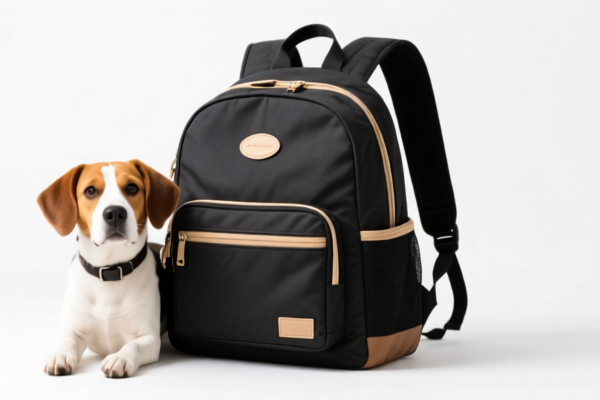
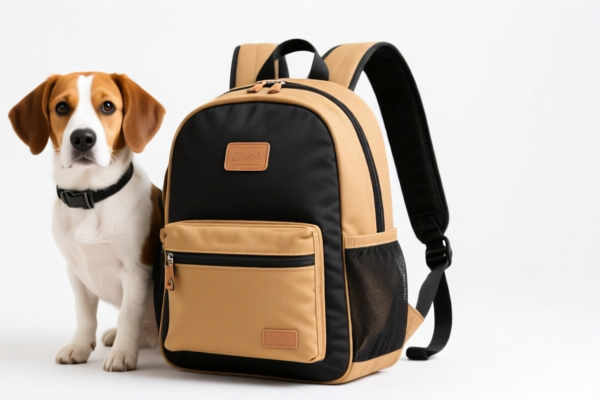
AI Analysis
🎒 Pet Backpacks & Carrier Bags (Pet Transport Cases)
🌐 HS Code Reference & Customs Clearance Guide | 2026 Latest Tariff Analysis | Professional Clearance Strategy
📌 I. Product Definition & Classification: Do You Really Understand "Pet Backpacks"?
A Pet Backpack (often referred to as a Pet Carrier, Pet Transport Case, or Dog Hiking Bag) is a specialized accessory designed for transporting pets. In international trade, its HS Code classification is not straightforward because it depends entirely on its primary function, material composition, and structural design.
There are two main classification paths: 1. As a "Bag" (Luggage/Articles): If the item is primarily a fabric/plastic container with handles/straps, resembling a backpack or travel bag, it falls under Chapter 42 (Articles of Leather; Saddle Harness). This is the most common classification for soft-sided pet carriers. 2. As a "Miscellaneous Manufactured Article" (Catch-all): If the item is rigid, lacks a clear "bag" structure, or is made of mixed materials without a dominant textile/plastic outer surface, it may fall under Chapter 63 (Other Made Up Textile Articles). This is the "fallback" category.
⚠️ Critical Distinction:
- If it looks like a backpack/bag (straps, zippers, flexible structure) → Chapter 42 (Usually higher duty due to Section XI/XXII rules and specific HTSUs).
- If it is a rigid crate/box or ambiguous "other" item → Chapter 63 (Often lower base duty, but subject to "catch-all" scrutiny).
📦 II. HS Code Classification Details (2026 Latest Tariff Authority Comparison)
| HS Code | Product Description | Applicable Scenario | Key Characteristic |
|---|---|---|---|
6307.90.98.91 |
Other made up articles, including dress patterns, not elsewhere specified (The "Catch-All") | Rigid pet crates, mixed-material carriers, or items where material is unclear/non-standard. | Form: Finished product. Material: Undetermined or mixed. Logic: No specific "bag" code fits perfectly. |
4202.92.39.00 |
Articles of bedding or similar furnishing (e.g., pet beds) OR Other travel/carry-all articles of plastics/textile sheets. Note: Context suggests "Travel/Sports" extension. |
Soft-sided pet carriers made of textile materials or plastic sheeting (e.g., mesh backpacks). Summary from Data: "Extension of travel/sports bags, outer surface textile/plastic." |
Form: Bag-like. Material: Textile or Plastic sheet. Logic: Fits "Travel/Sports" bag definition. |
4202.92.31.31 |
Trunks, suitcases, vanity cases, etc., with outer surface of textile materials. | Pet backpacks explicitly classified under "Travel, sports, and similar carrying bags" with a textile outer surface. | Form: Bag. Material: Dominantly Textile. Logic: Specific "Travel Bag" classification. |
🔍 Key Reminder:
- Soft-sided, strap-equipped pet backpacks usually lean towards 4202 (Travel/Carry-all bags). - Hard-sided, box-like, or ambiguous pet carriers often fall back to 6307 (Miscellaneous manufactured articles). - Do not guess: If the outer surface is fabric,4202is likely. If it's a complex mix or rigid,6307might apply.
💰 III. 2026 Latest Tariff Rate Breakdown (Including Surtaxes & Policy Additions)
✅ Applicable Country: United States (US)
✅ Origin: China (CN)
✅ Effective Date: 2025-11-10 onwards (Includes subsequent imports)
🎯 1. 6307.90.98.91 —— Miscellaneous Made Up Articles (The "Fallback" Option)
| Item | Content |
|---|---|
| Base Duty Rate | 7.0% (ad valorem) |
| Section 301 Surtax | 7.5% |
| Section 122 Surtax | 10.0% |
| Total Effective Rate | 24.5% |
| Tax Calculation | CIF Value × 24.5% |
| De Minimis Exemption | ❌ Not Applicable (Section 301 & 122 duties apply even to small parcels). |
| Legal Basis Path | Base: 6307.90.98.91 → Section 301: 7.5% → Section 122: 10% |
📌 Explanation:
- This code has the lowest total tariff (24.5%) among the options provided. - Risk: Customs may reject this classification if the item clearly resembles a "bag" (Chapter 42), leading to reclassification and higher duties + penalties. - Strategy: Use this only if the product is a rigid crate or has no clear "bag" structure.
🎯 2. 4202.92.39.00 —— Travel/Sports Articles (Plastic/Textile Sheet)
| Item | Content |
|---|---|
| Base Duty Rate | 17.6% |
| Section 301 Surtax | 25.0% |
| Section 122 Surtax | 10.0% |
| Total Effective Rate | 52.6% |
| Tax Calculation | CIF Value × 52.6% |
| De Minimis Exemption | ❌ Not Applicable |
| Legal Basis Path | Base: 4202.92.39.00 → Section 301: 25% → Section 122: 10% |
📌 Explanation:
- High base duty (17.6%) plus heavy surtaxes. - Applies if the item is considered a "bag" but doesn't fit the specific textile bag sub-head (31.31), perhaps due to material composition (e.g., heavy plastic coating).
🎯 3. 4202.92.31.31 —— Travel/Sports Articles (Textile Outer Surface)
| Item | Content |
|---|---|
| Base Duty Rate | 17.6% |
| Section 301 Surtax | 25.0% |
| Section 122 Surtax | 10.0% |
| Total Effective Rate | 52.6% |
| Tax Calculation | CIF Value × 52.6% |
| De Minimis Exemption | ❌ Not Applicable |
| Legal Basis Path | Base: 4202.92.31.31 → Section 301: 25% → Section 122: 10% |
📌 Explanation:
- Most likely classification for standard pet backpacks (mesh/fabric sides). - Highest cost: 52.6% total duty. - Why? Chapter 42 items are often viewed as "consumer goods/leather/fabric articles" and attract higher base duties. The 25% Section 301 surtax is the main driver.
🛠️ IV. Customs Clearance Practical Advice (Combat-Ready Pitfall Guide)
✅ 1. Documentation Checklist (Absolutely Necessary)
| Document | Must Provide | Description |
|---|---|---|
| ✅ Product Spec Sheet | ✔️ | Dimensions, weight, volume, max pet weight limit. |
| ✅ Material Composition | ✔️ | Crucial! % of outer fabric (nylon/polyester/mesh) vs. plastic vs. metal frame. |
| ✅ Product Photos | ✔️ | Front, back, side, and close-up of material. Show straps/handles clearly. |
| ✅ Commercial Invoice | ✔️ | Declare as "Pet Carrier Bag" or "Pet Transport Backpack". Avoid vague terms like "Box". |
| ✅ Packing List | ✔️ | Clearly state if the item is a single unit or includes accessories (leashes, bowls). |
✅ 2. Declaration Tactics (Key Mnemonics)
🔥 “Form Defines Form, Material Defines Rate, Honesty Saves Money!”
| Scenario | Correct Declaration Strategy | Wrong Action |
|---|---|---|
| Soft Backpack (Mesh/Fabric) | Use 4202.92.31.31 or 4202.92.39.00. Declare as "Textile Pet Backpack". |
Declare as "Crates" to try for 6307 → Rejection Risk High. |
| Rigid/Hard-Sided Crate | Use 6307.90.98.91. Declare as "Pet Transport Crate" (not bag). |
Declare as "Bag" → Misclassification. |
| Mixed Material (Plastic Frame + Fabric) | Analyze primary character. If fabric >50% or primary function is "carrying on back", lean to 4202. |
Ignore material mix → Customs Audit. |
| Vague Description ("Pet Carrier") | Specify: "Soft-sided, textile outer, mesh ventilation, shoulder straps." | Just write "Pet Carrier" → Customs holds shipment. |
✅ 3. Special Handling Scenarios
| Scenario | Handling Advice |
|---|---|
| OEM Custom Pet Packs | Provide design files to prove "Travel Bag" structure (straps, handles). |
| Collapsible Pet Backpacks | Even if collapsible, if it functions as a bag, it’s likely 4202. |
| Hard Shell vs. Soft Side | Hard Shell = Likely 6307 (24.5%). Soft Side = Likely 4202 (52.6%). |
| Small Parcels (De Minimis) | ⚠️ WARNING: Section 301 and 122 duties DO NOT apply to de minimis exemptions for China-origin goods. No loopholes. |
🌍 V. Global Market Comparison (2026 Latest)
| Country/Region | Recommended HS Code | Duty Rate (China Origin) | Certification | Notes |
|---|---|---|---|---|
| 🇺🇸 USA | 6307.90.98.91 (If Rigid) |
24.5% | None specific | Lowest duty, but strict "bag" classification. |
| 🇺🇸 USA | 4202.92.31.31 (If Bag) |
52.6% | None specific | High duty, but most common for backpacks. |
| 🇨🇳 China | 6307.90.90.00 |
~10% | N/A | Lower import duty, no Section 301. |
| 🇪🇺 EU | 4202.92.00 |
~4% - 12% | CE (if applicable) | Varies by member state. |
| 🇬🇧 UK | 4202.92.00 |
~12% | UKCA | Post-Brexit rules apply. |
📌 Conclusion:
- USA is the most critical market due to the 25% Section 301 + 10% Section 122 tariffs. - Strategic Choice: If your pet backpack is rigid/hard-sided, fighting for6307(24.5%) can save you ~28% in duties compared to4202(52.6%). - However, if it is clearly a backpack with straps, US Customs and Border Protection (CBP) will likely enforce4202. Do not misdeclare.
📌 VI. Common Errors & Pitfall Guide (Blood & Tears Lessons)
❌ Error 1: Declaring a backpack as a "Pet Crate" to get 6307 (24.5%) duty.
👉 Consequence: CBP inspects, sees straps/shoulder pads, reclassifies to 4202 (52.6%) → Back taxes + 10% penalty.
❌ Error 2: Declaring a rigid hard-shell carrier as a "Bag" (4202).
👉 Consequence: Overpaying 28% in duties unnecessarily. Request Ruling to use 6307.
❌ Error 3: Ignoring Section 122 (10%).
👉 Consequence: Even if you get base duty low, the 10% Section 122 tariff applies to most consumer goods from China. Always include it.
❌ Error 4: Assuming De Minimis ($800) exemption applies.
👉 Consequence: FALSE. Section 301 and 122 duties cannot be avoided via Section 321 de minimis for China-origin goods. Full duty applies even to single units.
✅ Correct Approach:
"Soft Backpack? Expect 52.6%. Rigid Crate? Aim for 24.5%. But never lie to CBP. Provide material specs and photos to justify your HS Code."
🎯 VII. Conclusion: Professional Classification Saves Profits!
🎯 Remember the Mnemonic:
🔹 "Backpacks are Bags (52.6%), Crates are Misc (24.5%)."
🔹 "Section 122 is 10%, No De Minimis Loophole for China."
🔹 "Material Matters: Textile = Chapter 42, Mixed/Rigid = Chapter 63."
📌 Pro Tip:
If your pet backpack is 100% textile and designed as a travel bag, there is no easy way to avoid the 52.6% US duty.
Strategy:
1. Ensure correct declaration to avoid penalties.
2. Consider supply chain diversification (e.g., produce in Vietnam/Mexico) if volume is high, to avoid Section 301/122 surtaxes.
3. For small batches, accept the cost or price it into the product.
📣 Immediate Action:
📞 Contact your freight forwarder with product photos and material composition.
🚀 Apply for a CBP Binding Ruling if shipping large volumes to lock in the HS Code and avoid surprise audits.
✨ Professional Customs Clearance Starts with Accurate Classification!
💼 Your Profit Margin Depends on the 28% Difference Between 24.5% and 52.6%!
Customer Reviews
About HS Code Classification
The Harmonized System (HS) is an internationally standardized nomenclature developed by the World Customs Organization (WCO) to classify traded products. Over 200 countries use the HS system as the basis for customs tariffs, trade statistics, and import/export regulations.
Each HS code follows a hierarchical structure:
- Chapter (2 digits) — Broad category of goods (e.g., Chapter 84: Machinery and Mechanical Appliances)
- Heading (4 digits) — More specific grouping within the chapter
- Subheading (6 digits) — Internationally standardized breakdown, used by all WCO member countries
- National subdivisions (8-10 digits) — Country-specific extensions for further classification, such as US HTSUS 10-digit codes
Correct HS code classification is essential for smooth customs clearance, accurate duty payment, and compliance with trade regulations. Misclassification can lead to customs delays, overpayment of duties, or penalties.
When importing from CN to US, the applicable tariff rates may include:
- Most-Favored-Nation (MFN) rate — The standard duty rate applied to WTO members
- General rate — Applied to countries without trade agreements
- Trade remedy duties — Additional tariffs such as Section 301 (anti-dumping), Section 232 (national security), or countervailing duties
The information provided on this page is for reference purposes only. For official classification, please consult with your local customs authority or a licensed customs broker.