pet bowl
CN → US| HS Code | Tariff Rate | Origin | Destination | Doc |
|---|---|---|---|---|
| 7323999030 | 88.4% | CN | US | Official Doc |
| 7323995030 | 60.0% | CN | US | Official Doc |
| 6912004810 | 19.8% | CN | US | Official Doc |
| 3924104000 | 13.4% | CN | US | Official Doc |
| 3924102000 | 24.0% | CN | US | Official Doc |
| 6912002000 | 38.0% | CN | US | Official Doc |
Product Images
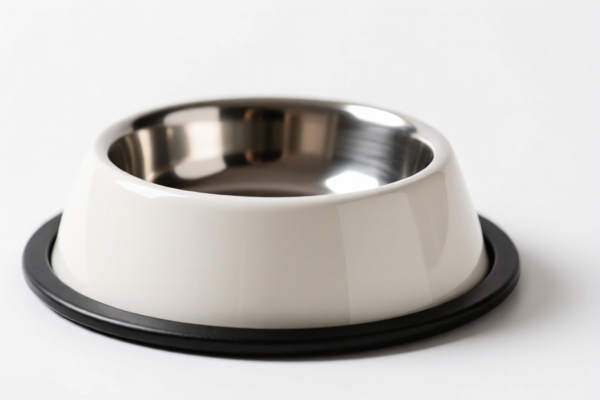
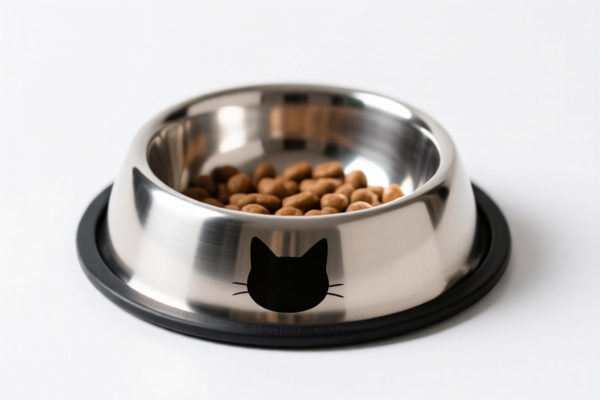
AI Analysis
🐾 Pet Bowl: The Ultimate HS Code & Customs Clearance Guide (2026 Edition)
🌐 Global HS Code Reference & Customs Strategy | 2026 Tariff Breakdown | Expert Import Solutions
📌 I. Product Definition & Material Classification: Are You Shipping the Right "Bowl"?
A Pet Bowl is a specialized kitchenware item designed for feeding animals. While it looks simple, its material composition (Ceramic, Plastic, Steel/Iron) dictates entirely different HS Codes and massive tax disparities. Misclassification here can mean the difference between a 13.4% tax and an 88.4% tax nightmare!
🔍 The Critical Logic: * Ceramic/Stone-like → Go to Chapter 69 (Ceramic Products) * Plastic → Go to Chapter 39 (Plastics) * Metal (Iron/Steel) → Go to Chapter 73 (Base Metal Articles) * ⚠️ The "China Add-on" Factor: Many metal and ceramic bowls face Section 301 or Section 232 (122 Clause) punitive tariffs, pushing rates sky-high.
📦 II. HS Code Classification Matrix (Based on Actual 2026 Data)
Below is the exact breakdown derived from current tariff schedules for Pet Bowls, categorized by material.
| HS Code | Material / Category | Summary & Logic | Total Tax Rate | Tax Composition (Base + Add-ons) |
|---|---|---|---|---|
| 7323.99.90.30 | Iron/Steel | Dog Bowls intended for feeding. Falls under Tableware/Culinary articles. | 88.4% | Base (3.4%) + 25% (Add-on) + 10% (Steel) + 50% (122 Clause) |
| 7323.99.50.30 | Iron/Steel | Kitchen/Home utensils, food contact safe. No base/add-on tariff. | 60.0% | Base (0%) + Add-on (0%) + 50% (122 Clause - Steel) |
| 6912.00.48.10 | Ceramic | Ceramic tableware/kitchenware. Food contact approved. | 19.8% | Base (9.8%) + Add-on (0%) + 10% (Section 122) |
| 3924.10.40.00 | Plastic | Tableware/General household items. Non-specific plastic bowls. | 13.4% | Base (3.4%) + Add-on (0%) + 10% (Section 122) |
| 3924.10.20.00 | Plastic | Specific "Plastic Tableware" definition. | 24.0% | Base (6.5%) + Add-on (7.5%) + 10% (Section 122) |
| 6912.00.20.00 | Ceramic | Non-porcelain or non-bone-china ceramic vessels. | 38.0% | Base (28.0%) + Add-on (0%) + 10% (Section 122) |
💡 Key Insight:
- Steel/Iron bowls are the most taxed due to the 50% "122 Clause" (Section 232) tariff on steel products.
- Plastic bowls are the most cost-effective (starting at 13.4%), but specific sub-codes can jump to 24.0%.
- Ceramic varies wildly: Low-fire or specific types are cheap (19.8%), while "non-porcelain" ceramics hit 38.0%.
💰 III. Deep Dive: Tax Structure & Legal Clauses Explained
✅ Target Market: USA (US)
✅ Origin: China (CN)
✅ Active Timeframe: 2026 (Current Trade War Status)
🎯 1. The "Steel Trap": HS Codes 7323.99.90.30 & 7323.99.50.30
Why is the tax 88.4%?
This is a compound tax disaster for steel pet bowls.
* Base Tariff: 3.4% (Standard MFN).
* Section 301 Tariff (Add-on): +25% (Trade War punitive duty).
* Section 232 / "122 Clause": +50% (Specific to Steel & Aluminum products).
* Additional Steel/Alu/Cu Duty: +10% (Specific product clause).
* 🚨 Total: 3.4 + 25 + 50 + 10 = 88.4%.
* Legal Path: USITC:7323.99 → IEEPA:9903 (Section 301) → Section 232: Steel → Clause 122.
📌 Warning: If you import Stainless Steel or Iron bowls, the duty is nearly double the value! Avoid 7323.99.90.30 if possible.
🎯 2. The "Ceramic Split": HS Codes 6912.00.48.10 vs 6912.00.20.00
- Code 48.10 (Lower Tax 19.8%): Likely refers to specific Porcelain or high-quality ceramic tableware.
- Tax: Base 9.8% + 10% (Section 122) = 19.8%.
- Code 20.00 (Higher Tax 38.0%): Refers to Non-Porcelain or generic ceramic vessels.
- Tax: Base 28.0% + 10% = 38.0%.
- 🚨 Risk: If your ceramic bowl is not strictly "Porcelain" (High fire clay), Customs may reclassify it to 20.00, instantly adding 18.2% extra cost.
🎯 3. The "Plastic Advantage": HS Codes 3924.10.40.00 vs 3924.10.20.00
- Code 40.00 (Best Rate 13.4%): General plastic tableware.
- Tax: Base 3.4% + 10% = 13.4%.
- Code 20.00 (Moderate Rate 24.0%): Specific "Plastic Tableware" definition.
- Tax: Base 6.5% + 7.5% (Add-on) + 10% = 24.0%.
- 🚨 Risk: Some "Plastic" bowls with rubber feet or metal inserts might be scrutinized, pushing them into higher add-on categories.
🛠️ IV. Customs Clearance Strategy (Pro Tips)
✅ 1. Documentation Checklist (Mandatory)
| Document | Requirement | Why? |
|---|---|---|
| Material Certification | Crucial! Must specify "100% Stainless Steel" OR "High-Fire Ceramic" OR "Food Grade Plastic". | Proves HS Code validity. Prevents re-classification to 7323.99.90.30 (88.4%). |
| Product Photos (Labeled) | Clear shots of the bowl, interior, and base. | Shows if it has metal inserts (triggers higher tax) or is pure ceramic/plastic. |
| Functional Description | "Pet Feeding Bowl", "Non-electric", "Kitchenware". | Confirms usage under Chapter 69, 73, or 39. |
| Bill of Lading (BOL) | Accurate Weight & Volume. | Steel bowls are heavy → Freight costs matter, but also tax base. |
| Origin Proof | Certificate of Origin (Form A or generic). | Essential for claiming exemption if applicable (though rare for China). |
✅ 2. The "Material Swap" Strategy
🔥 Golden Rule: "Switch to Plastic or Specific Porcelain to Slash Taxes."
| Scenario | Bad Choice (High Tax) | Smart Choice (Low Tax) | Savings |
|---|---|---|---|
| Standard Steel Bowl | HS 7323.99.90.30 (88.4%) | Plastic HS 3924.10.40.00 (13.4%) | Save ~75% |
| Generic Ceramic | HS 6912.00.20.00 (38.0%) | Porcelain HS 6912.00.48.10 (19.8%) | Save ~18% |
| Steel with Add-ons | HS 7323.99.90.30 (88.4%) | 7323.99.50.30 (60.0%)* | Save 28.4% |
*Note: 60% is still high, but better than 88.4%. Ensure no "10% steel" specific clause triggers if possible.
✅ 3. Common Pitfalls & How to Avoid Them
- ❌ Pitfall 1: "It's a metal bowl, so just put 7323."
- Result: Customs checks and finds it's "Iron/Steel" → Applies 50% Section 232 → Total 88.4%.
- Fix: Verify if it fits 7323.99.50.30 (No 122 Clause? Rare, but check details).
- ❌ Pitfall 2: Calling it "Dinnerware" when it's clearly "Pet Feeding".
- Result: Misalignment in description → Delay.
- Fix: Explicitly state "Pet Feeding Bowl" in the commercial invoice.
- ❌ Pitfall 3: Mixed Material (Plastic base, Metal rim).
- Result: Could be classified by the dominant material or as "Base Metal" → High tax.
- Fix: Declare as Plastic if the plastic is >50% by weight/value, or prepare for the higher metal rate.
🌍 V. Market Comparison (2026 Context)
| Region | Recommended HS Code | Estimated Rate | Key Constraint |
|---|---|---|---|
| 🇺🇸 USA | 3924.10.40.00 (Plastic) |
13.4% | Best Option. Avoid Steel (88.4%) unless unavoidable. |
| 🇺🇸 USA | 6912.00.48.10 (Porcelain) |
19.8% | Good alternative if plastic is banned by retailer. |
| 🇺🇸 USA | 7323.99.90.30 (Steel) |
88.4% | Do Not Ship unless high-value niche market. |
| 🇨🇳 China | 3924.10.40.00 |
~0-5% | Export tax negligible. |
| 🇪🇺 EU | 3924.10.40.00 |
6.5% | No Section 301/232, but FSC/Food Safety checks apply. |
📌 VI. Final Verdict: Action Plan
🚀 Immediate Action Steps:
- Audit Your Inventory: Check if you are shipping Steel/Iron bowls. If yes, STOP. The 88.4% tax will kill your margin.
- Material Pivot: If you must import to the US, switch to Plastic (HS 3924.10.40.00) or High-Quality Porcelain (HS 6912.00.48.10).
- Documentation: Update your Commercial Invoice to explicitly state "Plastic Pet Bowl" or "Porcelain Pet Bowl" to avoid generic "Tableware" misclassification.
- Pre-Ruling: If your steel bowl is essential, file a Binding Tariff Information (BTI) or Advance Ruling to confirm if it qualifies for the 60% rate (7323.99.50.30) instead of 88.4%.
💡 Pro Tip: "In 2026, Material is Destiny. A change from Steel to Plastic saves you 75% in taxes. Do not let a simple design choice bankrupt your shipment!"
✨ Expert Note: Always verify the Section 232 (122 Clause) applicability with your freight forwarder before finalizing the invoice. The US trade war landscape is volatile.
Safe Shipping! 🚢🐶🍽️
Customer Reviews
About HS Code Classification
The Harmonized System (HS) is an internationally standardized nomenclature developed by the World Customs Organization (WCO) to classify traded products. Over 200 countries use the HS system as the basis for customs tariffs, trade statistics, and import/export regulations.
Each HS code follows a hierarchical structure:
- Chapter (2 digits) — Broad category of goods (e.g., Chapter 84: Machinery and Mechanical Appliances)
- Heading (4 digits) — More specific grouping within the chapter
- Subheading (6 digits) — Internationally standardized breakdown, used by all WCO member countries
- National subdivisions (8-10 digits) — Country-specific extensions for further classification, such as US HTSUS 10-digit codes
Correct HS code classification is essential for smooth customs clearance, accurate duty payment, and compliance with trade regulations. Misclassification can lead to customs delays, overpayment of duties, or penalties.
When importing from CN to US, the applicable tariff rates may include:
- Most-Favored-Nation (MFN) rate — The standard duty rate applied to WTO members
- General rate — Applied to countries without trade agreements
- Trade remedy duties — Additional tariffs such as Section 301 (anti-dumping), Section 232 (national security), or countervailing duties
The information provided on this page is for reference purposes only. For official classification, please consult with your local customs authority or a licensed customs broker.