pet double bowl
CN → US| HS Code | Tariff Rate | Origin | Destination | Doc |
|---|---|---|---|---|
| 3924104000 | 13.4% | CN | US | Official Doc |
| 6912004810 | 19.8% | CN | US | Official Doc |
| 7323999030 | 88.4% | CN | US | Official Doc |
| 3924905650 | 20.9% | CN | US | Official Doc |
| 6912005000 | 16.0% | CN | US | Official Doc |
Product Images
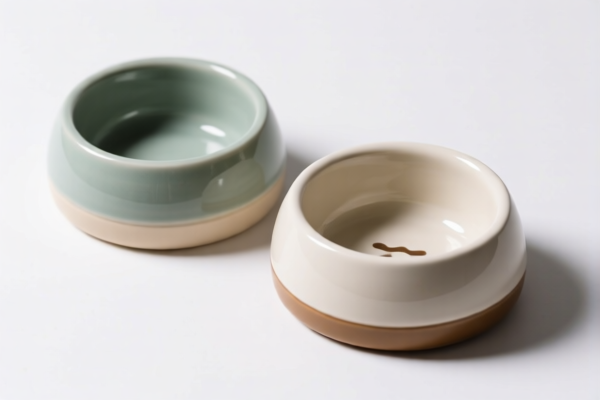
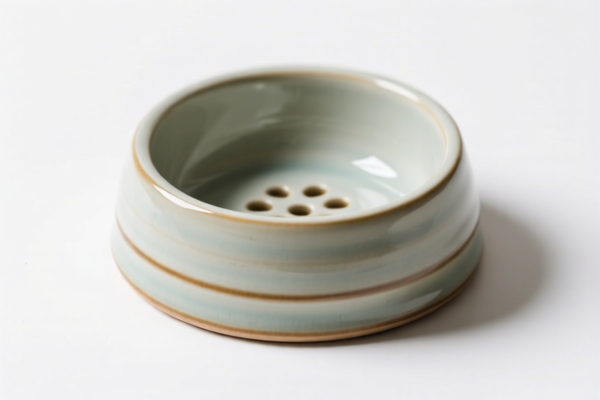
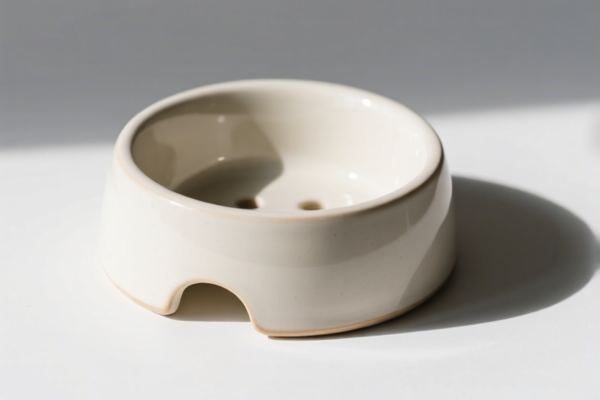
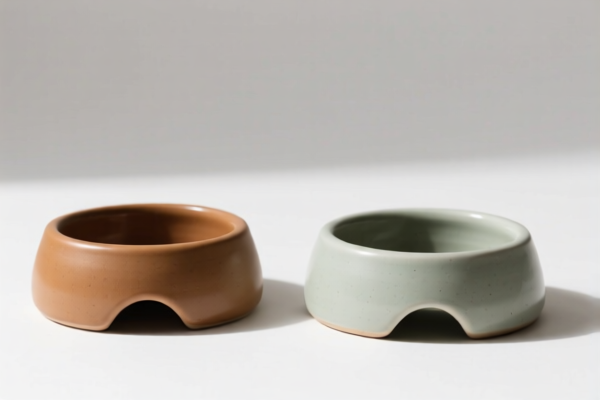
AI Analysis
🐾 Pet Double Bowl (Pet Feeder / Waterer)
🌐 HS Code Reference & Customs Clearance Guide | 2026 Latest Tariff Breakdown | Strategic Import Strategy
📌 I. Product Definition & Classification: Do You Truly Understand "Pet Bowls"?
A Pet Double Bowl is a specialized household item designed for feeding or watering pets (dogs, cats, etc.). In international trade, the classification depends entirely on the material composition. The tariff implications vary drastically—from a manageable 13.4% to a punishing 88.4%.
Key Material Distinctions: * Plastic Bowls: Typically classified under Chapter 39. Generally lower tariffs. * Ceramic Bowls: Typically classified under Chapter 69. Moderate tariffs. * Metal Bowls (Steel/Iron): Typically classified under Chapter 73. Extremely high tariffs due to specific US trade restrictions on steel/aluminum products.
⚠️ Critical Warning:
- Misclassifying a Metal Bowl as Plastic or Ceramic to avoid tariffs is a major compliance risk.
- Steel/Aluminum/Copper products attract an additional 50% surcharge under US regulations, pushing total taxes to nearly 90%.
- Always declare the exact material clearly on the commercial invoice.
📦 II. HS Code Classification Matrix (Based on Provided Data)
| HS Code | Material Type | Description & Classification | Summary |
|---|---|---|---|
3924.10.40.00 |
Plastic | Plastic tableware / Pet bowl | "Plastic material pet bowl, belongs to plastic tableware" |
3924.90.56.50 |
Plastic (Other) | Other plastic tableware / Pet bowl | "Other plastic material pet bowl, belongs to other plastic tableware" |
6912.00.48.10 |
Ceramic | Ceramic tableware / Pet bowl | "Ceramic material pet bowl, belongs to ceramic tableware" |
6912.00.50.00 |
Ceramic (Non-Porcelain) | Other ceramic tableware/household items | "Non-porcelain material pet bowl, belongs to other ceramic tableware" |
7323.99.90.30 |
Metal (Steel/Iron) | Metal tableware / Pet bowl | "Metal (iron or steel) material pet bowl, belongs to metal tableware" |
🔍 Key Differentiator:
- Plastic (3924.xxxx) and Ceramic (6912.xxxx) are considered standard tableware.
- Metal (7323.xxxx) is treated as a steel/aluminum product, triggering severe retaliatory tariffs.
💰 III. 2026 Latest Tariff Rate Breakdown (Detailed Policy Analysis)
✅ Target Market: United States (US)
✅ Origin: China (CN)
✅ Key Tariff Components:
1. Basic Duty: The standard MFN tariff.
2. Surcharge (Section 301/USITC): Additional tariffs imposed on Chinese goods.
3. Section 122 Tariff: A specific 10% surcharge applied to the above.
4. Steel/Aluminum Surcharge: An additional 50% duty specifically for steel, aluminum, and copper products.
🎯 1. 3924.10.40.00 —— Plastic Pet Bowl (Standard)
| Item | Details |
|---|---|
| Product | Plastic Material Pet Bowl (Plastic Tableware) |
| Basic Tariff | 3.4% |
| Surcharge | 0.0% |
| Section 122 Tariff | +10.0% |
| Total Tax Rate | 13.4% |
| Calculation | CIF Value × 13.4% |
| De Minimis Exemption | ⚠️ Check Applicability: Standard de minimis (Section 321) may apply if value <$800, but verify specific carrier rules. |
📌 Explanation:
- This is the most favorable classification for plastic bowls.
- No additional Section 301 surcharge applies to this specific plastic sub-heading.
- Total burden is low at 13.4%.
🎯 2. 3924.90.56.50 —— Other Plastic Pet Bowl
| Item | Details |
|---|---|
| Product | Other Plastic Material Pet Bowl |
| Basic Tariff | 3.4% |
| Surcharge | +7.5% |
| Section 122 Tariff | +10.0% |
| Total Tax Rate | 20.9% |
| Calculation | CIF Value × 20.9% |
| De Minimis Exemption | ⚠️ Check Applicability |
📌 Explanation:
- This falls under "Other plastic tableware."
- A 7.5% surcharge is applied in addition to the basic and 122 tariffs.
- Total cost is 20.9%, which is still moderate but significantly higher than standard plastic bowls.
🎯 3. 6912.00.48.10 —— Ceramic Pet Bowl
| Item | Details |
|---|---|
| Product | Ceramic Material Pet Bowl (Ceramic Tableware) |
| Basic Tariff | 9.8% |
| Surcharge | 0.0% |
| Section 122 Tariff | +10.0% |
| Total Tax Rate | 19.8% |
| Calculation | CIF Value × 19.8% |
| De Minimis Exemption | ⚠️ Check Applicability |
📌 Explanation:
- Ceramic tableware has a higher base duty (9.8%) than plastic.
- However, no extra surcharge is added.
- Total rate is 19.8%, competitive with other plastic options.
🎯 4. 6912.00.50.00 —— Non-Porcelain Ceramic Bowl
| Item | Details |
|---|---|
| Product | Non-Porcelain Material Pet Bowl |
| Basic Tariff | 6.0% |
| Surcharge | 0.0% |
| Section 122 Tariff | +10.0% |
| Total Tax Rate | 16.0% |
| Calculation | CIF Value × 16.0% |
| De Minimis Exemption | ⚠️ Check Applicability |
📌 Explanation:
- "Non-porcelain" ceramic items have a lower base duty (6.0%) than porcelain/ceramic bowls.
- Total rate is 16.0%, making this the cheapest ceramic option.
🎯 5. 7323.99.90.30 —— Metal (Steel/Iron) Pet Bowl ⚠️ HIGH RISK
| Item | Details |
|---|---|
| Product | Metal (Iron or Steel) Pet Bowl (Metal Tableware) |
| Basic Tariff | 3.4% |
| Surcharge (Section 301) | +25.0% |
| Section 122 Tariff | +10.0% |
| Steel/Aluminum Surcharge | +50.0% (Specific for Steel/Aluminum/Copper) |
| Total Tax Rate | 88.4% |
| Calculation | CIF Value × 88.4% |
| De Minimis Exemption | ❌ Likely Denied: High tariffs often negate de minimis benefits or trigger intense scrutiny. |
📌 Critical Warning:
- This is the most expensive classification.
- The 50% Steel/Aluminum surcharge is the primary driver of cost.
- Total tax is 88.4%. Importing steel pet bowls from China is prohibitively expensive for most retailers.
- Legal Basis:USITC Steel/Aluminum Duties+Section 301+Section 122.
🛠️ IV. Customs Clearance Practical Advice (Pitfall Avoidance Guide)
✅ 1. Preparation Checklist (Must-Haves)
| Document | Required? | Notes |
|---|---|---|
| ✅ Commercial Invoice | ✔️ | Must explicitly state material (e.g., "100% PP Plastic" or "Stoneware Ceramic"). Do not just say "Pet Bowl." |
| ✅ Product Photos | ✔️ | Show the material texture. Metal bowls must show metallic finish/weight indication. |
| ✅ Material Certification | ✔️ | Especially for plastics (BPA-free certs) and metals (steel grade). |
| ✅ Packing List | ✔️ | Clear itemization. |
| ✅ HS Code Declaration | ✔️ | Self-assess based on material. If unsure, request a Binding Ruling. |
✅ 2. Classification Strategy (Key Takeaways)
| Scenario | Recommended HS Code | Total Tax | Action |
|---|---|---|---|
| Standard Plastic Bowl | 3924.10.40.00 |
13.4% | ✅ Best Option. Low cost, easy clearance. |
| Ceramic Bowl | 6912.00.48.10 |
19.8% | ✅ Acceptable. Good for premium branding. |
| Non-Porcelain Ceramic | 6912.00.50.00 |
16.0% | ✅ Best Ceramic Option. Check if product qualifies. |
| Metal/Steel Bowl | 7323.99.90.30 |
88.4% | ❌ AVOID. Consider changing material to Plastic or Ceramic unless value proposition is very high. |
✅ 3. Special Handling Tips
- For Plastic Bowls: Ensure the plastic is not mixed with other materials (e.g., a plastic bowl with a silicone base). If silicone is the primary feature, classification may change.
- For Metal Bowls: If the bowl is stainless steel but not "iron or steel" in the specific tariff view, verify if it falls under a different sub-heading. However,
7323covers stainless steel tableware. The 50% surcharge is almost unavoidable for steel products from China. - De Minimis (Section 321): For shipments under $800, verify if the carrier allows entry. Note that high tariffs (like 88.4%) may make de minimis entry uneconomical due to handling fees vs. duty savings. For $13.4% tax, de minimis might still save duty, but check current CBP enforcement on "multiple packages" to avoid "de minimis abuse" flags.
🌍 V. Global Market Comparison (2026 Context)
| Market | Recommended Material | Estimated Tax | Notes |
|---|---|---|---|
| 🇺🇸 USA | Plastic (3924.10.40.00) |
13.4% | Avoid Steel (7323.99.90.30) due to 88.4% tax. |
| 🇺🇸 USA | Ceramic (6912.00.48.10) |
19.8% | Acceptable alternative. |
| 🇪🇺 EU | Plastic/Ceramic | Low/0% | No Section 122 or US-specific steel tariffs. |
| 🇨🇳 China | Plastic/Ceramic | 0-5% | Export from China is tariff-free to China, but this guide focuses on importing into the US. |
📌 Conclusion:
- USA is the critical market where HS Code selection impacts profitability by up to 75% (13.4% vs 88.4%).
- Shift away from Steel: For the US market, replace steel bowls with High-End Plastic or Ceramic to maintain margins.
📌 VI. Common Mistakes & Pitfalls (Lessons Learned)
❌ Mistake 1: Declaring a Steel Bowl as "Plastic" to avoid tariffs.
👉 Consequence: Customs inspection reveals metal content. Fraud charges, seizure, and fines.
❌ Mistake 2: Assuming all "BPA-Free Plastic" is the same HS Code.
👉 Consequence: If it's "Other Plastic" (3924.90.56.50), tax jumps to 20.9%. Verify the exact subheading.
❌ Mistake 3: Ignoring the "Steel/Aluminum" 50% surcharge.
👉 Consequence: Budgeting for 10-20% tax, but actually paying 88.4%. Profit destroyed.
✅ Correct Approach:
"Material is King: Plastic 13%, Ceramic 16-20%, Steel 88%. Choose Wisely."
🎯 VII. Conclusion: Strategic Sourcing for Pet Bowls
🎯 Remember the Golden Rule:
🔹 Plastic (
3924.10.40.00) = 13.4% (Best for Volume)
🔹 Ceramic (6912.00.50.00) = 16.0% (Best for Premium/Lightweight)
🔹 Metal (7323.99.90.30) = 88.4% (Avoid for US Market)
📌 Pro Tip:
If you must sell metal bowls, consider non-steel materials (e.g., Stainless Steel is still steel, so look for Aluminum if classified differently, or Bamboo/Wood if applicable). However, under current data, Plastic is the safest and most cost-effective choice for the US market.
📣 Immediate Action:
📞 Audit your current supplier's material declarations.
🚀 Switch SKUs from Steel to Plastic/Ceramic to save up to 75% in duties.
💼 Your bottom line depends on this HS Code choice!
✨ Smart Classification = Higher Profits!
💼 Don't let 88.4% tax eat your margin!
Customer Reviews
About HS Code Classification
The Harmonized System (HS) is an internationally standardized nomenclature developed by the World Customs Organization (WCO) to classify traded products. Over 200 countries use the HS system as the basis for customs tariffs, trade statistics, and import/export regulations.
Each HS code follows a hierarchical structure:
- Chapter (2 digits) — Broad category of goods (e.g., Chapter 84: Machinery and Mechanical Appliances)
- Heading (4 digits) — More specific grouping within the chapter
- Subheading (6 digits) — Internationally standardized breakdown, used by all WCO member countries
- National subdivisions (8-10 digits) — Country-specific extensions for further classification, such as US HTSUS 10-digit codes
Correct HS code classification is essential for smooth customs clearance, accurate duty payment, and compliance with trade regulations. Misclassification can lead to customs delays, overpayment of duties, or penalties.
When importing from CN to US, the applicable tariff rates may include:
- Most-Favored-Nation (MFN) rate — The standard duty rate applied to WTO members
- General rate — Applied to countries without trade agreements
- Trade remedy duties — Additional tariffs such as Section 301 (anti-dumping), Section 232 (national security), or countervailing duties
The information provided on this page is for reference purposes only. For official classification, please consult with your local customs authority or a licensed customs broker.