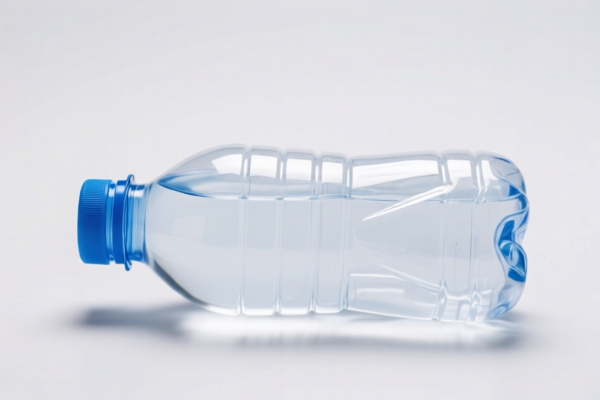
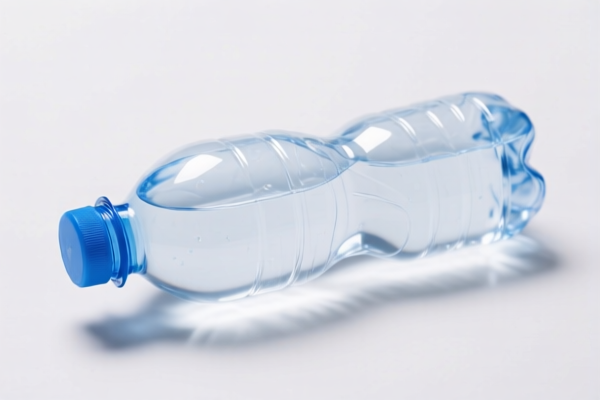
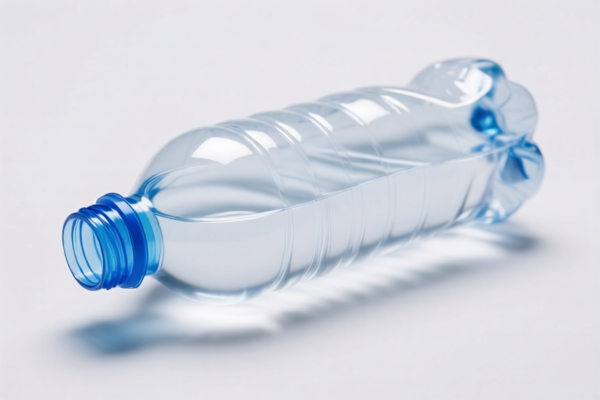
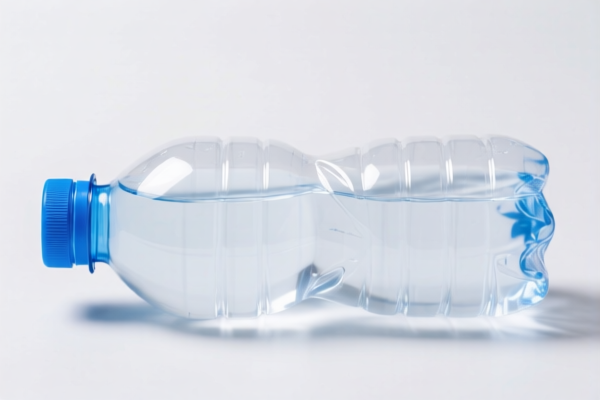
pet drinking bottle
CN → US| HS Code | Tariff Rate | Origin | Destination | Doc |
|---|---|---|---|---|
| 7323999030 | 88.4% | CN | US | Official Doc |
| 8413810030 | 35.0% | CN | US | Official Doc |
| 3924905610 | 20.9% | CN | US | Official Doc |
| 8413810040 | 35.0% | CN | US | Official Doc |
| 3924905650 | 20.9% | CN | US | Official Doc |
Product Images
AI Analysis
🐾 Pet Drinking Bottle (Pet Water Fountains & Dispensers)
🌐 HS Code Reference & Customs Clearance Guide | 2024/2025 Latest Tariff Analysis | Professional Clearance Strategy
📌 I. Product Definition & Classification: What is a "Pet Drinking Bottle"?
A "Pet Drinking Bottle" in international trade is not a single, monolithic product. It varies significantly in material, functionality, and mechanism. Misclassification leads to severe tariff penalties (up to 88.4%). We must distinguish between:
- Passive Containers: Simple plastic or metal bowls/bottles that hold water but do not pump or filter it automatically.
- Active Electric Units: Devices with internal pumps, motors, or electronic controls that circulate, filter, or dispense water automatically.
⚠️ Critical Distinction:
- If it is plastic and non-electric (just a bowl/bottle) →归类 to Chapter 39 (Plastics)
- If it is metal and non-electric →归类 to Chapter 73 (Iron/Steel)
- If it is electric (has a pump/motor) →归类 to Chapter 84 (Machinery/Pumps)
📦 II. HS Code Classification Details (Based on Provided Data)
| HS Code | Product Description | Material/Feature | Application Scenario |
|---|---|---|---|
3924.90.56.10 |
Plastic Pet Drinking Supplies | Plastic, Non-Electric | Simple plastic bowls, spouts, or bottles for pets. |
3924.90.56.50 |
Plastic Home/Pet Supplies (Fallback) | Plastic, Non-Electric | General plastic pet accessories (e.g., silicone mats, non-pump bottles). |
7323.99.90.30 |
Iron/Steel Pet Containers | Metal, Non-Electric | Stainless steel water bowls or metal frames for water bottles. |
8413.81.00.30 |
Pet Water Dispenser (Pump-Driven) | Electric/Mechanical | Electric fountains with built-in pumps for circulating water. |
8413.81.00.40 |
Other Pumps with Built-in Components | Electric/Mechanical | Internal pump assemblies or complex mechanical circulation units. |
🔍 Key Insight:
- Do not classify electric water fountains as "Plastic Bottles." The presence of a pump changes the classification to Chapter 84.
- Do not classify stainless steel bowls as "Plastic." Material dictates Chapter 73 vs. Chapter 39.
💰 III. 2024/2025 Tariff Rate Breakdown (Detailed Tax Terms)
✅ Applicable Country: USA (US)
✅ Origin: China (CN)
✅ Effective Date: Current (Includes Section 301 & IEEPA duties)
🎯 1. 3924.90.56.10 & 3924.90.56.50 —— Plastic Pet Supplies
Most common for standard plastic pet bottles and simple bowls.
| Item | Detail |
|---|---|
| Base Tariff | 3.4% |
| Section 301 Surcharge | +7.5% |
| IEEPA / Section 122 Surcharge | +10% |
| Total Tax Rate | 20.9% |
| Calculation | CIF Value × 20.9% |
| De Minimis Exemption | ❌ Not Applicable for Section 301 goods (usually >$800 de minimis applies, but Section 301 may have specific exclusions or thresholds; check current policy). Note: Data indicates total 20.9%, implying no full exemption. |
📌 Explanation:
- 3.4%: Standard MFN (Most Favored Nation) rate for plastic household articles.
- 7.5%: Additional duty under Section 301 (List 4B or relevant list for plastics).
- 10%: Additional duty under IEEPA (International Emergency Economic Powers Act) or specific China-related surcharges.
- Total: 20.9%. This is the lowest risk category for plastic items.
🎯 2. 7323.99.90.30 —— Iron/Steel Pet Containers
For stainless steel bowls or metal-frame water dispensers.
| Item | Detail |
|---|---|
| Base Tariff | 3.4% |
| Section 301 Surcharge | +25.0% |
| Section 122 / Steel Surcharge | +50% |
| IEEPA Surcharge | +10% |
| Total Tax Rate | 88.4% |
| Calculation | CIF Value × 88.4% |
| De Minimis Exemption | ❌ Not Applicable |
📌 Explanation:
- 3.4%: Base rate for other articles of iron or steel.
- 25.0%: Standard Section 301 duty for many steel products.
- 50.0%: Section 122 or specific Steel/Aluminum/Copper surcharge (often referred to as the "Steel Tariff"). This is extremely high.
- 10%: IEEPA surcharge.
- Total: 88.4%. This is a PITFALL. Many importers mistakenly classify stainless steel bowls here. Consider alternative materials or HS codes if possible.
🎯 3. 8413.81.00.30 & 8413.81.00.40 —— Electric Pet Water Pumps/Fountains
For automatic water fountains with built-in pumps.
| Item | Detail |
|---|---|
| Base Tariff | 0.0% |
| Section 301 Surcharge | +25.0% |
| IEEPA Surcharge | +10% |
| Total Tax Rate | 35.0% |
| Calculation | CIF Value × 35.0% |
| De Minimis Exemption | ❌ Not Applicable |
📌 Explanation:
- 0.0%: Base rate for pumps (Chapter 84 often has low base duties).
- 25.0%: Section 301 duty for mechanical pumps.
- 10%: IEEPA surcharge.
- Total: 35.0%. While higher than plastic (20.9%), it is significantly lower than steel (88.4%).
🛠️ IV. Customs Clearance Practical Advice (Avoid Pitfalls)
✅ 1. Classification Strategy: "Material vs. Function"
| Product Type | Recommended HS Code | Total Tax | Why? |
|---|---|---|---|
| Plastic Bottle/Bowl | 3924.90.56.10 |
20.9% | Lowest tax. Use for simple plastic items. |
| Stainless Steel Bowl | 7323.99.90.30 |
88.4% | AVOID IF POSSIBLE. Extremely high tax due to steel surcharges. |
| Electric Fountain | 8413.81.00.30 |
35.0% | Correct for electric units. Avoid "Steel Bowl" classification for electric units. |
⚠️ Critical Warning:
- Do not classify an electric fountain with a steel base as7323.99.90.30. It must be classified as a Pump (8413) because the pump is the essential character. - Do not classify a plastic bottle as7323.99.90.30. It is not metal.
✅ 2. Declaration Tips
| Situation | Correct Declaration | Incorrect Declaration |
|---|---|---|
| Electric Fountain | "Pet Water Fountain, Electric, with Pump, Plastic Body" | "Stainless Steel Bowl" (Wrong HS, Wrong Tax) |
| Plastic Bottle | "Plastic Pet Water Bottle, No Electric Components" | "Electric Pump" (Wrong HS, Higher Tax) |
| Steel Bowl | "Stainless Steel Pet Feeding Bowl" | "Plastic Bowl" (Wrong Material, Audit Risk) |
✅ 3. Documentation Requirements
| Document | Requirement |
|---|---|
| Product Photos | Must clearly show material (plastic vs. metal) and components (pump/motor present?). |
| Spec Sheet | List dimensions, weight, material composition (e.g., "ABS Plastic," "304 Stainless Steel"), and power input (if electric). |
| Commercial Invoice | Must specify "Pet Drinking Bottle" or "Pet Water Dispenser." Avoid vague terms like "Pet Accessory." |
| Origin Certificate | If not from China, check for preferential tariffs (e.g., USMCA, though unlikely for pet supplies from Asia). |
🌍 V. Global Market Comparison (2024/2025)
| Market | Recommended HS Code | Estimated Tax (China Origin) | Notes |
|---|---|---|---|
| 🇺🇸 USA | 3924.90.56.10 (Plastic) |
20.9% | Highest risk for Steel (88.4%). |
| 🇺🇸 USA | 8413.81.00.30 (Electric) |
35.0% | Standard for fountains. |
| 🇺🇸 USA | 7323.99.90.30 (Steel) |
88.4% | Avoid if possible. |
| 🇪🇺 EU | 3924.00.50 |
~3.5% | No Section 301/IEEPA duties. |
| 🇨🇳 China | 3924.90.56.10 |
~3-5% | Low import duty. |
📌 Conclusion:
- USA Market: Plastic is king (20.9% tax). Steel is deadly (88.4% tax). Electric is moderate (35.0% tax).
- Strategy: If your product is stainless steel, consider plastic coatings or alternative materials if targeting the US market to avoid the 88.4% tariff.
- Electric Units: Always declare as "Pump" (8413) to avoid misclassification as "Steel" (7323) or "Plastic" (3924).
📌 VI. Common Errors & Pitfalls (Lessons Learned)
❌ Error 1: Classifying an Electric Fountain as a Plastic Bottle (3924)
👉 Consequence: Under-declaration of value/tax. If discovered, penalty + back taxes. However, if caught as "Steel" by mistake, tax jumps to 88.4%. Correct is 35.0%.
❌ Error 2: Classifying a Stainless Steel Bowl as Plastic (3924)
👉 Consequence: Customs audit will require material proof. Fine + Back Taxes (20.9% vs 88.4% difference is huge).
❌ Error 3: Ignoring the Pump in Electric Fountains
👉 Consequence: If declared as "Plastic Container," you pay 20.9%. But if the pump is the main feature, it should be 35.0%. 20.9% is better, but illegal if misclassified. Stick to 8413 for accuracy.
✅ Correct Approach:
"For US imports: Plastic =
3924.90.56.10(20.9%). Electric =8413.81.00.30(35.0%). Steel =7323.99.90.30(88.4% - Avoid)."
🎯 VII. Final Recommendation
🎯 Remember the "Tax Triad" for Pet Drinking Products:
🔹 Plastic: 20.9% (Lowest Risk)
🔹 Electric (Pump): 35.0% (Medium Risk)
🔹 Steel/Metal: 88.4% (Highest Risk - Avoid)
📌 Action Item:
1. Audit your product: Is it plastic, metal, or electric?
2. Select HS Code: Match strictly to material and function.
3. Calculate Landed Cost: Include the full Total Tax (Base + Section 301 + IEEPA).
4. Consult a Broker: For steel items, consider design changes to reduce steel content or use plastic components to lower tax burden.
✨ Professional Clearance Starts with Accurate Classification!
💼 Save Money: Avoid the 88.4% Steel Trap!
Customer Reviews
About HS Code Classification
The Harmonized System (HS) is an internationally standardized nomenclature developed by the World Customs Organization (WCO) to classify traded products. Over 200 countries use the HS system as the basis for customs tariffs, trade statistics, and import/export regulations.
Each HS code follows a hierarchical structure:
- Chapter (2 digits) — Broad category of goods (e.g., Chapter 84: Machinery and Mechanical Appliances)
- Heading (4 digits) — More specific grouping within the chapter
- Subheading (6 digits) — Internationally standardized breakdown, used by all WCO member countries
- National subdivisions (8-10 digits) — Country-specific extensions for further classification, such as US HTSUS 10-digit codes
Correct HS code classification is essential for smooth customs clearance, accurate duty payment, and compliance with trade regulations. Misclassification can lead to customs delays, overpayment of duties, or penalties.
When importing from CN to US, the applicable tariff rates may include:
- Most-Favored-Nation (MFN) rate — The standard duty rate applied to WTO members
- General rate — Applied to countries without trade agreements
- Trade remedy duties — Additional tariffs such as Section 301 (anti-dumping), Section 232 (national security), or countervailing duties
The information provided on this page is for reference purposes only. For official classification, please consult with your local customs authority or a licensed customs broker.