pet saliva towel
CN → US| HS Code | Tariff Rate | Origin | Destination | Doc |
|---|---|---|---|---|
| 6217108500 | 24.6% | CN | US | Official Doc |
| 6117809570 | 32.1% | CN | US | Official Doc |
| 6217109510 | 32.1% | CN | US | Official Doc |
| 6307909882 | 24.5% | CN | US | Official Doc |
| 3924905650 | 20.9% | CN | US | Official Doc |
Product Images
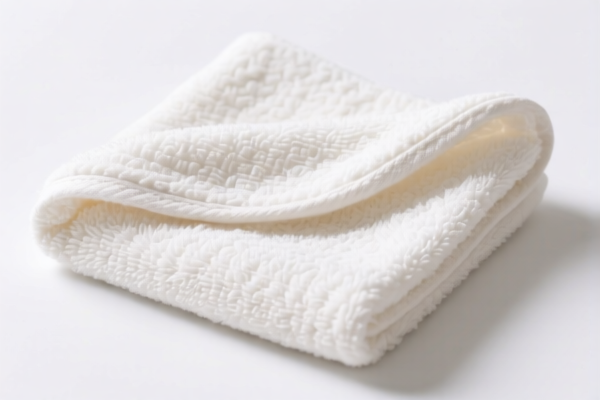
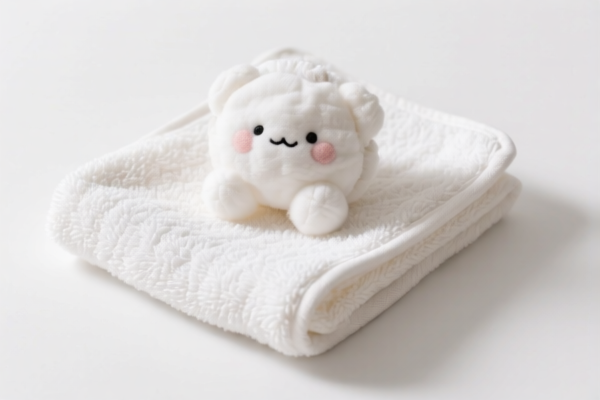
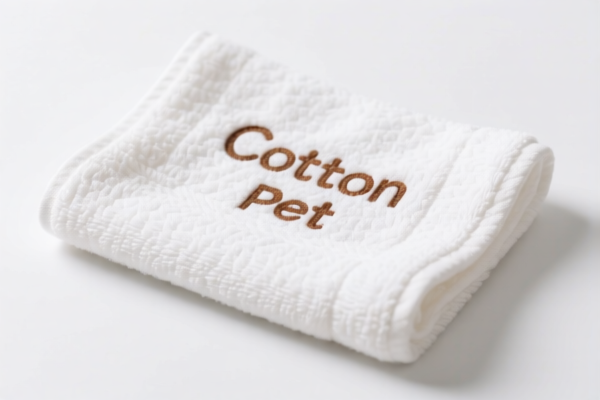
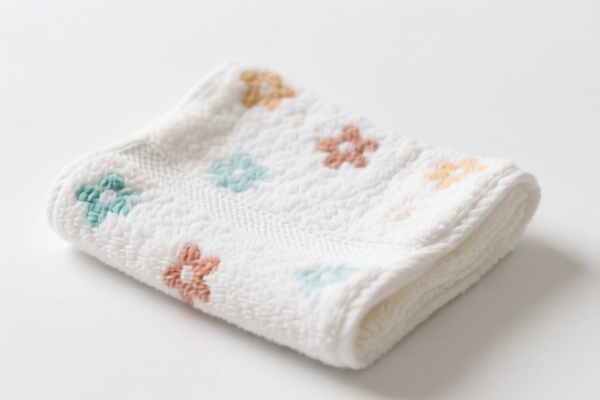
AI Analysis
🐾 Pet Saliva Towel (Bib/Drool Cloth)
HS Code Classification Guide & US Customs Clearance Strategy (2026)
🌐 HS Code Reference & Customs Clearance Guide | 2026 Latest Tariff Analysis | Professional-Level Strategy
📌 I. Product Definition & Classification: Do You Truly Understand "Pet Saliva Towels"?
"Pet Saliva Towel" (often referred to as a pet bib, drool cloth, or protective napkin) is an accessory designed to catch saliva from pets (typically dogs with brachycephalic breeds like Bulldogs or Pugs) to keep their fur clean and reduce cleaning frequency.
In international trade, these items are generally classified under Textile Accessories or Household Linens, depending on their material composition and specific form. They are not considered general clothing but rather accessories to clothing or made-up textile articles.
⚠️ Key Distinction Points:
- If made of Fabric (Cotton, Polyester, Blends) and designed as an attachment to garments or standalone textile accessory → Look at Chapter 62 (Non-knit) or Chapter 61 (Knit).
- If made of Plastic/Synthetic Fibers for hygiene/home use → Look at Chapter 39 (Plastics) or Chapter 63 (Other made-up textile articles).
📦 II. HS Code Classification Details (2026 Latest Tariff Authority Comparison)
Based on the provided data, there are five potential HS Codes depending on material inference. Here is the breakdown:
| HS Code | Product Description | Material Inference | Application Scenario |
|---|---|---|---|
6217.10.85.00 |
Other made-up clothing accessories; Parts of articles of clothing; Other | Fabric/Woven | Standard fabric bibs, often attached to clothing or used as standalone textile accessories. |
6117.80.95.70 |
Other made-up clothing accessories; Knitted or Crocheted | Non-Cotton/Non-Wool (e.g., Synthetic/Special Fabric) | Knitted bibs made from materials other than cotton or fine animal hair. |
6217.10.95.10 |
Other made-up clothing accessories; Parts of articles of clothing; Other | Cotton/Blend | Woven bibs made of cotton or cotton blends. |
3924.90.56.50 |
Tablecloth, table linen, toilet paper, toilet cloth, and similar household/hygiene articles of plastics | Plastic/Synthetic Fiber | Pet bath towels or protective covers made of plasticized materials. |
3924.10.40.00 |
Table linen and toilet linen of plastics | Plastic | Plastic-based pet accessories for home/hygiene use. |
6307.90.98.82 |
Other made-up articles, including dress patterns | Cotton/Fiber Towel | Cotton or fiber-based towels intended for general household/pet use. |
🔍 Critical Reminder:
- Fabric/Pet Bibs are most commonly classified under 6217 or 6117 as "Accessories to Clothing."
- Plastic Pet Mats/Bath Towels fall under 3924.
- Cotton Towels for pets fall under 6307.
- Misclassification Risk: Declaring a plastic item as fabric (or vice versa) can lead to significant duty discrepancies and customs delays.
💰 III. 2026 Latest Tariff Rate Breakdown (Including Additional Duties & Policy Surcharges)
✅ Applicable Country: United States (US)
✅ Origin: China (CN)
✅ Effective Time: 2025/2026 (Current Trade War Environment)
🎯 1. 6217.10.85.00 —— Woven Textile Accessories (Fabric)
| Item | Content |
|---|---|
| Base Tariff | 14.6% |
| Section 301 (Additional Duty) | 0.0% |
| Section 122 Tariff | +10% |
| Total Rate | 24.6% |
| Tax Calculation | CIF Value × 24.6% |
| De Minimis Exemption | ❌ Not Eligible (For Section 122 goods from China, de minimis rules are often suspended or restricted). |
| Legal Basis Path | USITC:6217.10.85.00 → SECTION_122:10% |
📌 Explanation:
- Base Duty (14.6%): Standard tariff for made-up clothing accessories.
- Section 122 (10%): A specific surcharge applied to certain textile/apparel products from China.
- Total 24.6%: This is a moderate-high rate for textile accessories.
🎯 2. 6117.80.95.70 —— Knitted Synthetic Accessories
| Item | Content |
|---|---|
| Base Tariff | 14.6% |
| Section 301 (Additional Duty) | +7.5% |
| Section 122 Tariff | +10% |
| Total Rate | 32.1% |
| Tax Calculation | CIF Value × 32.1% |
| De Minimis Exemption | ❌ Not Eligible |
| Legal Basis Path | USITC:6117.80.95.70 → SECTION_301:7.5% → SECTION_122:10% |
📌 Note:
- Higher than Option 1 due to the Section 301 Additional Duty of 7.5%.
- Applies to knitted items not made of cotton or wool (likely synthetic blends).
🎯 3. 6217.10.95.10 —— Cotton/Blend Woven Accessories
| Item | Content |
|---|---|
| Base Tariff | 14.6% |
| Section 301 (Additional Duty) | +7.5% |
| Section 122 Tariff | +10% |
| Total Rate | 32.1% |
| Tax Calculation | CIF Value × 32.1% |
| De Minimis Exemption | ❌ Not Eligible |
| Legal Basis Path | USITC:6217.10.95.10 → SECTION_301:7.5% → SECTION_122:10% |
📌 Warning:
- Same high rate as Option 2.
- Even if made of cotton, if it falls under this specific subheading, it attracts the Section 301 duty.
🎯 4. 3924.90.56.50 —— Plastic Pet Bath Towels
| Item | Content |
|---|---|
| Base Tariff | 3.4% |
| Section 301 (Additional Duty) | +7.5% |
| Section 122 Tariff | +10% |
| Total Rate | 20.9% |
| Tax Calculation | CIF Value × 20.9% |
| De Minimis Exemption | ❌ Not Eligible |
| Legal Basis Path | USITC:3924.90.56.50 → SECTION_301:7.5% → SECTION_122:10% |
📌 Explanation:
- Lower base duty (3.4%) for plastic household items.
- Still hits with Section 301 and 122, totaling 20.9%.
🎯 5. 3924.10.40.00 —— Plastic Table/Toilet Linen
| Item | Content |
|---|---|
| Base Tariff | 3.4% |
| Section 301 (Additional Duty) | 0.0% |
| Section 122 Tariff | +10% |
| Total Rate | 13.4% |
| Tax Calculation | CIF Value × 13.4% |
| De Minimis Exemption | ❌ Not Eligible |
| Legal Basis Path | USITC:3924.10.40.00 → SECTION_122:10% |
📌 Key Insight:
- Lowest Total Duty (13.4%).
- This classification avoids the Section 301 duty (0% here) but still has the 122 surcharge.
- Risk: Must prove the product is strictly "plastic table/linen" and not a textile accessory. If customs disagrees, they may reclassify to 6217/6307 with higher duties.
🎯 6. 6307.90.98.82 —— Other Made-up Textile Articles (Cotton Towels)
| Item | Content |
|---|---|
| Base Tariff | 7.0% |
| Section 301 (Additional Duty) | +7.5% |
| Section 122 Tariff | +10% |
| Total Rate | 24.5% |
| Tax Calculation | CIF Value × 24.5% |
| De Minimis Exemption | ❌ Not Eligible |
| Legal Basis Path | USITC:6307.90.98.82 → SECTION_301:7.5% → SECTION_122:10% |
📌 Note:
- Classified as a general made-up textile article (like a towel), not a clothing accessory.
- Rate is 24.5%, similar to Option 1 but with slightly different base duty.
🛠️ IV. Customs Clearance Practical Advice (Actionable Pitfall Avoidance Guide)
✅ 1. Preparation Checklist (Non-negotiable)
| Document | Required? | Description |
|---|---|---|
| ✅ Product Specification Sheet | ✔️ | Must detail material composition (e.g., "100% Cotton," "Polyester Blend," "Plastic PE"), dimensions, and weight. |
| ✅ Material Composition Proof | ✔️ | Supplier declaration or test report proving fiber content. Critical for distinguishing between Chapter 39 (Plastic) and Chapter 62/63 (Textile). |
| ✅ Product Photos | ✔️ | Clear images of the item, including tags, labels, and usage context. Show if it is attached to clothing or standalone. |
| ✅ Commercial Invoice | ✔️ | Must clearly state "Pet Saliva Towel" or "Pet Bib," not generic "Towel" or "Accessory." |
| ✅ Packing List | ✔️ | Detail net/gross weight. |
✅ 2. Classification Strategy (Key Mnemonic)
🔥 "Material First, Form Second: Plastic=3924, Textile=6217/6307"
| Scenario | Recommended HS Code | Reason |
|---|---|---|
| Fabric Bib (Woven) | 6217.10.85.00 or 6217.10.95.10 |
Classified as clothing accessory. |
| Knitted Synthetic Bib | 6117.80.95.70 |
Classified as knitted accessory. |
| Plastic Pet Bath Mat/Towel | 3924.10.40.00 |
Lowest Duty (13.4%) if strictly plastic. |
| Cotton Pet Towel | 6307.90.98.82 |
General made-up textile article. |
✅ 3. Special Cases & Handling
| Situation | Handling Advice |
|---|---|
| Hybrid Material (e.g., Cotton with Plastic Coating) | May be classified as Plastic (Ch 39) or Textile (Ch 63) depending on essential character. Provide detailed material breakdown. |
| Bib with Straps/Clips | Still generally classified as "Accessory to Clothing" (Ch 61/62). Do not separate straps for different HS codes. |
| "De Minimis" (Section 321) Import | ❌ Be Careful: Many textile/plastic goods from China are excluded from de minimis treatment under Section 122 or specific USITC rulings. Assume full duty applies unless confirmed otherwise. |
| Original Labeling | Ensure "Made in China" is clearly marked on the product and packaging. Mislabeling origin leads to heavy penalties. |
🌍 V. Global Market Comparison (2026)
| Country/Region | Recommended HS Code | Est. Duty (China Origin) | Notes |
|---|---|---|---|
| 🇺🇸 USA | 3924.10.40.00 (if plastic) |
13.4% (Lowest) | Includes Section 122 (10%) + Base (3.4%). Avoid Ch 61/62 if possible due to higher rates (24-32%). |
| 🇨🇳 China | 6217.10.85.00 |
~10-15% (Import Duty) | Domestic consumption. No Section 122/301. |
| 🇪🇺 EU | 6217.10.85.00 |
~12% + VAT | No Section 122/301. Standard textile duties apply. |
| 🇬🇧 UK | 6217.10.85.00 |
~12% + VAT | Post-Brexit rules. No Section 122/301. |
📌 Conclusion for US Market:
- Plastic Classification (3924.10.40.00) offers the lowest duty at 13.4% if the product can be legitimately classified as plastic household linen.
- Textile Classification (6217/6117) results in higher duties (24.6% - 32.1%) due to the combination of Base Duty + Section 301 (if applicable) + Section 122.
- Strategy: If the product is a woven/knitted fabric bib, expect 24-32%. If it is a plastic-coated or plastic-based pet towel, aim for 13.4%. Ensure material claims match the HS Code to avoid customs reclassification penalties.
📌 VI. Common Errors & Pitfall Guide (Lessons Learned)
❌ Mistake 1: Calling a Plastic Pet Mat a "Textile Towel" to avoid plastic tariffs.
👉 Consequence: Customs will test the material, find it's plastic, and reclassify to 6307/6217 with higher duties + penalties.
👉 Correct: Declare as 3924.10.40.00 if it is plastic.
❌ Mistake 2: Omitting Material Composition on the Invoice.
👉 Consequence: Customs cannot determine if Section 301 applies. May hold shipment for inspection.
👉 Correct: Clearly state "100% Polyester" or "Cotton Blend."
❌ Mistake 3: Assuming De Minimis (800.33a) applies to all packages under $800.
👉 Consequence: Section 122 goods from China are often excluded. You may face retroactive duty collection.
👉 Correct: Verify current Section 122 exclusions. Plan for duty payment even for small shipments.
✅ Best Practice:
"If it's fabric, expect 24-32%. If it's plastic, aim for 13.4%. Declare material accurately. No exceptions."
🎯 VII. Conclusion: Precise Classification, Cost Efficiency!
🎯 Remember:
🔹 Plastic Pet Towel →
3924.10.40.00→ 13.4% Total Duty (Best Case)
🔹 Woven Fabric Bib →6217.10.85.00→ 24.6% Total Duty
🔹 Knitted Synthetic Bib →6117.80.95.70→ 32.1% Total Duty (Worst Case)
📌 Pro Tip:
Before shipping, conduct a Material Test Report to confirm the exact fiber content. If your "saliva towel" has a significant plastic component, argue for Chapter 39 classification to reduce duty costs. However, if it's primarily textile, accept the Chapter 62/61 rate and budget accordingly.
📣 Immediate Action:
📞 Contact your freight forwarder.
📄 Provide material specs.
🚀 Apply for an Advance Ruling if possible to lock in the HS Code and duty rate.
✨ Professional Customs Clearance Starts with Precise Classification!
💼 Every percentage point of duty counts!
Customer Reviews
About HS Code Classification
The Harmonized System (HS) is an internationally standardized nomenclature developed by the World Customs Organization (WCO) to classify traded products. Over 200 countries use the HS system as the basis for customs tariffs, trade statistics, and import/export regulations.
Each HS code follows a hierarchical structure:
- Chapter (2 digits) — Broad category of goods (e.g., Chapter 84: Machinery and Mechanical Appliances)
- Heading (4 digits) — More specific grouping within the chapter
- Subheading (6 digits) — Internationally standardized breakdown, used by all WCO member countries
- National subdivisions (8-10 digits) — Country-specific extensions for further classification, such as US HTSUS 10-digit codes
Correct HS code classification is essential for smooth customs clearance, accurate duty payment, and compliance with trade regulations. Misclassification can lead to customs delays, overpayment of duties, or penalties.
When importing from CN to US, the applicable tariff rates may include:
- Most-Favored-Nation (MFN) rate — The standard duty rate applied to WTO members
- General rate — Applied to countries without trade agreements
- Trade remedy duties — Additional tariffs such as Section 301 (anti-dumping), Section 232 (national security), or countervailing duties
The information provided on this page is for reference purposes only. For official classification, please consult with your local customs authority or a licensed customs broker.