pet sniffing ball
CN → US| HS Code | Tariff Rate | Origin | Destination | Doc |
|---|---|---|---|---|
| 9503000013 | 10.0% | CN | US | Official Doc |
| 6307907500 | 14.3% | CN | US | Official Doc |
| 3926909989 | 22.8% | CN | US | Official Doc |
| 9503000011 | 10.0% | CN | US | Official Doc |
| 6307909891 | 24.5% | CN | US | Official Doc |
Product Images
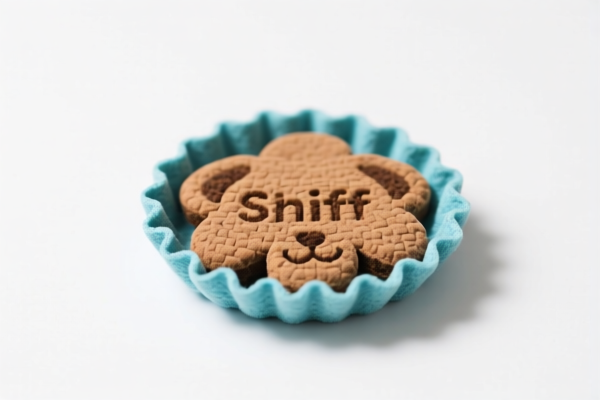
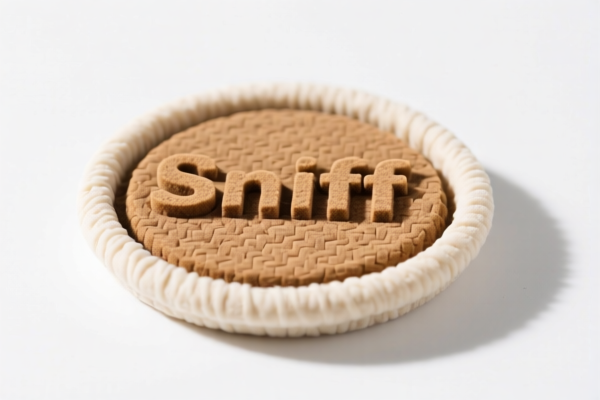
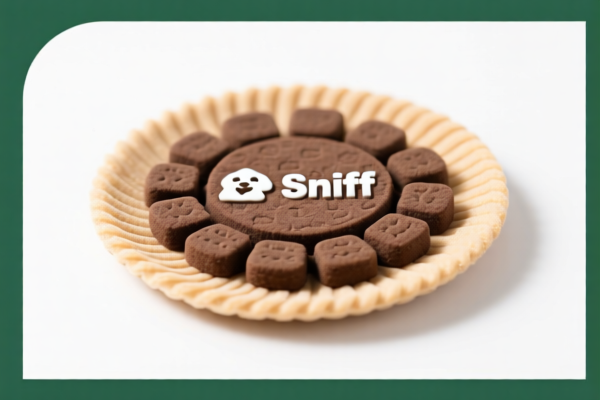

AI Analysis
🐕 Pet Sniffing Ball (Snuffle Toy / Scent Ball)
🌐 HS Code Reference & Customs Clearance Guide | 2026 Latest Tariff Analysis | Professional Clearance Strategy 📌 I. Product Definition & Classification: What is a "Pet Sniffing Ball"?
A Pet Sniffing Ball is a specialized interactive toy designed for dogs and other pets. It typically consists of a spherical container (made of rubber, plastic, or fabric) that can be filled with treats or food. The pet must roll, bite, or manipulate the ball to release the scent and food, promoting mental stimulation and physical exercise.
In international trade, these products are classified based on their primary material and functional nature. They generally fall into two main categories: 1. Toys (Chapter 95): If primarily designed as recreational items, often made of rubber or plastic. 2. Other Textile/Plastic Articles (Chapter 63 or 39): If constructed significantly from fabric, felt, or other specific materials that don't fit the standard "toy" definition, or if classified as general "other manufactured goods."
⚠️ Key Distinction Point:
- If the item is clearly a toy (recitation play, chewable) made of rubber or plastic → Likely Chapter 95.
- If the item is made of fabric/textile (felt, canvas) → Likely Chapter 63.
- If the item is primarily a plastic container without explicit toy features → Likely Chapter 39.
📦 II. HS Code Classification Details (2026 Latest Tariff Authority Comparison)
Based on the provided data, here are the five possible HS Codes for "Pet Sniffing Balls" and their corresponding tax structures.
| HS Code | Product Description & Material | Applicable Scenario | Total Tax Rate |
|---|---|---|---|
9503.00.00.11 |
Rubber/ Elastic Material Toy Ball Inferred as a rubber-like elastic pet toy ball, matching the form of an inflated toy. |
Rubber chew balls, soft elastic play spheres | 10.0% |
6307.90.98.91 |
Other Made-up Articles Category of other manufactured goods. Material may be rubber, plastic, or fabric with no clear conflict. |
General pet accessories not strictly defined as "toys" or specific plastic/rubber articles. | 24.5% |
3926.90.33.00 |
Other Plastic Articles Made of soft materials like plastic or rubber, fitting the characteristics of other plastic products. |
Plastic treat-dispensing balls, hollow plastic spheres used as toys. | 16.5% |
9503.00.00.13 |
Rubber/Plastic Toy Inferred material is rubber or plastic; purpose is toy category; fits the form of rubber/plastic inflatable/hit-type toys. |
Standard dog chew toys, rubber balls, plastic squeaky toys. | 10.0% |
6307.90.75.00 |
Textile Material Pet Toy Made of textile materials (e.g., felt, fabric), fitting the definition of textile-made pet toys. |
Felt snuffle mats in ball form, fabric puzzle balls, plush pet toys. | 14.3% |
🔍 Key Reminder:
- Toy vs. Accessory: Customs officers often scrutinize whether an item is a "toy" (Ch 95) or a "general article" (Ch 39/63). Proof of function (e.g., product photos showing chewing/play) is crucial for Ch 95 classification. - Material Matters: The primary material determines the chapter. Rubber/Plastic → Ch 95 or Ch 39. Fabric → Ch 63.
💰 III. 2026 Latest Tariff Rate Breakdown (Including Additional Taxes & Policy Surcharges)
✅ Applicable Country: United States (US)
✅ Origin: China (CN)
✅ Effective Date: From November 10, 2025 (including subsequent imports)
🎯 1. 9503.00.00.11 & 9503.00.00.13 —— Pet Toys (Rubber/Plastic)
These two codes share the same tax structure, targeting rubber or plastic pet toys.
| Item | Content |
|---|---|
| Base Duty Rate | 0.0% (Ad Valorem) |
| Section 301 Additional Duty | 0.0% (No Section 301 levy for these subheadings) |
| Section 122 Duty | +10% (Specific surcharge for certain categories) |
| Total Tax Rate | 10.0% |
| Tax Calculation | CIF Value × 10% |
| De Minimis Eligibility | ❌ Not Applicable (De Minimis usually does not apply if Section 122 or other surcharges are involved in specific contexts, but primarily, toys often exceed the threshold or are subject to scrutiny. Note: Based on provided data, total is 10%, implying significant burden compared to base 0%.) |
| Legal Basis Path | USITC:9503.00.00.11 / 9503.00.00.13 → Section 122 Surcharge |
📌 Explanation:
- Although the base duty is 0%, the Section 122 duty of 10% applies.
- This is a moderate tax burden compared to other classifications.
- Crucial: Ensure the product is clearly marketed as a "Toy" to qualify for Chapter 95.
🎯 2. 3926.90.33.00 —— Other Plastic Articles
If the product is classified as a general plastic article rather than a toy.
| Item | Content |
|---|---|
| Base Duty Rate | 6.5% |
| Section 301 Additional Duty | 0.0% |
| Section 122 Duty | +10% |
| Total Tax Rate | 16.5% |
| Tax Calculation | CIF Value × 16.5% |
| De Minimis Eligibility | ❌ Not Recommended (Higher tax burden) |
| Legal Basis Path | USITC:3926.90.33.00 → Section 122 Surcharge |
📌 Note:
- Higher than toy codes due to the 6.5% base duty.
- Use this only if the product lacks specific "toy" features (e.g., just a hollow plastic ball with no interactive design).
🎯 3. 6307.90.75.00 —— Textile Pet Toys
For fabric, felt, or textile-based snuffle balls.
| Item | Content |
|---|---|
| Base Duty Rate | 4.3% |
| Section 301 Additional Duty | 0.0% |
| Section 122 Duty | +10% |
| Total Tax Rate | 14.3% |
| Tax Calculation | CIF Value × 14.3% |
| De Minimis Eligibility | ❌ Not Recommended |
| Legal Basis Path | USITC:6307.90.75.00 → Section 122 Surcharge |
📌 Note:
- Mid-range tax burden.
- Ideal for felt snuffle balls, plush toys, or fabric puzzle toys.
🎯 4. 6307.90.98.91 —— Other Made-up Articles (General)
The highest tax bracket, for goods that don't fit specific toy or textile toy categories.
| Item | Content |
|---|---|
| Base Duty Rate | 7.0% |
| Section 301 Additional Duty | +7.5% |
| Section 122 Duty | +10% |
| Total Tax Rate | 24.5% |
| Tax Calculation | CIF Value × 24.5% |
| De Minimis Eligibility | ❌ Not Recommended |
| Legal Basis Path | USITC:6307.90.98.91 → Section 301 Footnote + Section 122 |
📌 Warning:
- This is the most expensive classification.
- It includes Section 301 tariffs (7.5%) in addition to Section 122.
- Avoid this code unless the product cannot be classified as a toy or specific textile toy.
🛠️ IV. Customs Clearance Practical Advice (Combat Pitfall Guide)
✅ 1. Documentation Checklist (Non-negotiable)
| Document | Required | Description |
|---|---|---|
| ✅ Product Specifications | ✔️ | Material composition (e.g., 100% Rubber, 100% Felt), size, weight. |
| ✅ Product Photos | ✔️ | Clear images showing the ball, any openings, and how treats are inserted. Must look like a toy. |
| ✅ Commercial Invoice | ✔️ | Use precise description: "Rubber Pet Chew Toy, Interactive Sniffing Ball, Model XYZ". Avoid vague terms like "Plastic Ball." |
| ✅ Material Declaration | ✔️ | Explicitly state primary material to justify HS Code (Rubber vs. Fabric vs. Plastic). |
| ✅ Proof of Intended Use | ✔️ | Marketing materials showing pets playing with the ball to support "Toy" classification. |
✅ 2. Declaration Tips (Key Mantra)
🔥 "Toy First, Material Second. Clear Description, Lower Tax!"
| Scenario | Correct Declaration | Wrong Practice |
|---|---|---|
| Rubber/Flexible Plastic Ball | 9503.00.00.11 or 9503.00.00.13 "Rubber Pet Toy Ball" |
Misclassified as 3926 → 16.5% Tax |
| Felt/Fabric Ball | 6307.90.75.00 "Textile Pet Snuffle Toy" |
Misclassified as 6307.90.98 → 24.5% Tax |
| Hollow Plastic Container (No Toy Features) | 3926.90.33.00 "Plastic Dispensing Container" |
N/A (This is the correct low-toy feature code) |
| Unclear General Item | 6307.90.98.91 "Other Pet Accessory" |
Avoid if possible → 24.5% Tax |
✅ 3. Special Cases Handling
| Situation | Handling Advice |
|---|---|
| Multi-Material Products | Declare the primary material that determines the essential character. If >50% fabric by weight/value, lean towards 6307.90.75.00. |
| "Snuffle Mat" vs. "Ball" | If it's a mat, it might fall under 6307.90.75.00 or 6307.90.98.91. If it's a ball, it’s easier to argue for toy classification. |
| OEM Custom Colors/Packaging | Ensure the invoice matches the product photos. Discrepancies can lead to inspection and reclassification. |
| Small Samples | Even for samples, proper declaration is required. Misdeclaration can lead to penalties in future shipments. |
🌍 V. Global Market Comparison (2026 Latest)
| Country/Region | Recommended HS Code | Estimated Duty | Certification | Notes |
|---|---|---|---|---|
| 🇺🇸 USA | 9503.00.00.13 |
10.0% (with Sec 122) | ASTM F963 (Toy Safety) | Cheapest toy option. 6307.90.98 is 24.5%. |
| 🇨🇳 China | 9503.00.00.13 |
~10-15% (Import) | CCC (if applicable) | No Section 122/301. Base rates apply. |
| 🇪🇺 EU | 9503.00.00 |
0% (MFN) | CE + EN71 | Most favorable for toys. No surcharges. |
| 🇬🇧 UK | 9503.00.00 |
0% (MFN) | UKCA + EN71 | Post-Brexit standards apply. |
| 🇦🇺 Australia | 9503.00.00 |
5% | AS/NZS Toys Standard | No major surcharges. |
📌 Conclusion:
- USA has the highest complexity due to Section 122 and 301.
- EU/UK/Australia are significantly cheaper for toys (0-5%).
- USA Importers must budget for at least 10-16.5% duty, avoiding the 24.5% trap.
📌 VI. Common Mistakes & Pitfalls (Blood Lessons)
❌ Mistake 1: Calling a plastic treat dispenser a "Pet Toy" without proof
👉 Consequence: Customs may reclassify to 3926.90.33.00 (16.5%) or 6307.90.98.91 (24.5%) if they deem it a "container."
👉 Fix: Provide photos of a dog playing with it.
❌ Mistake 2: Using "Ball" for a fabric snuffle mat
👉 Consequence: Misclassification. If it's flat, it's not a ball. Use 6307.90.75.00 for textile toys.
👉 Fix: Accurate shape description: "Snuffle Mat" vs. "Snuffle Ball."
❌ Mistake 3: Ignoring Section 122 Duty
👉 Consequence: Unexpected tax bill.
👉 Fix: Always calculate Total Tax = Base + Section 122 (10%) + Section 301 (if any).
❌ Mistake 4: Declaring as "Plastic Articles" for a clear Rubber Toy
👉 Consequence: Higher duty (16.5% vs 10.0%).
👉 Fix: Use Chapter 95 for toys.
✅ Correct Practice:
"Interactive Rubber Pet Toy, Scent-Dispensing Ball, 4-inch Diameter, Non-Toxic Material, Model S-NIF-01"
🎯 VII. Conclusion: Precise Classification Saves Money!
🎯 Remember the Mantra:
🔹 "Toy First: 10% Total. Plastic General: 16.5%. Textile General: 24.5%."
🔹 "Chapter 95 is King for Toys. Avoid Chapter 63/39 if possible."
📌 Pro Tip:
If your pet sniffing ball is made of fabric, use 6307.90.75.00 (14.3%). If it's rubber/plastic, use 9503.00.00.13 (10.0%). Do not use 6307.90.98.91 (24.5%) unless absolutely necessary!
📣 Immediate Action:
📞 Consult a customs broker to confirm the primary material and toy classification.
🚀 Clear the customs path, reduce costs, and boost your pet product profits!
✨ Professional Clearance Starts with Accurate Classification!
💼 Every dollar saved on duty is pure profit!
Customer Reviews
About HS Code Classification
The Harmonized System (HS) is an internationally standardized nomenclature developed by the World Customs Organization (WCO) to classify traded products. Over 200 countries use the HS system as the basis for customs tariffs, trade statistics, and import/export regulations.
Each HS code follows a hierarchical structure:
- Chapter (2 digits) — Broad category of goods (e.g., Chapter 84: Machinery and Mechanical Appliances)
- Heading (4 digits) — More specific grouping within the chapter
- Subheading (6 digits) — Internationally standardized breakdown, used by all WCO member countries
- National subdivisions (8-10 digits) — Country-specific extensions for further classification, such as US HTSUS 10-digit codes
Correct HS code classification is essential for smooth customs clearance, accurate duty payment, and compliance with trade regulations. Misclassification can lead to customs delays, overpayment of duties, or penalties.
When importing from CN to US, the applicable tariff rates may include:
- Most-Favored-Nation (MFN) rate — The standard duty rate applied to WTO members
- General rate — Applied to countries without trade agreements
- Trade remedy duties — Additional tariffs such as Section 301 (anti-dumping), Section 232 (national security), or countervailing duties
The information provided on this page is for reference purposes only. For official classification, please consult with your local customs authority or a licensed customs broker.