pet statue
CN → US| HS Code | Tariff Rate | Origin | Destination | Doc |
|---|---|---|---|---|
| 6913101000 | 17.5% | CN | US | Official Doc |
| 3926400090 | 15.3% | CN | US | Official Doc |
| 3926400010 | 15.3% | CN | US | Official Doc |
| 6913105000 | 17.5% | CN | US | Official Doc |
| 4420190000 | 13.2% | CN | US | Official Doc |
| 4420908000 | 38.2% | CN | US | Official Doc |
Product Images
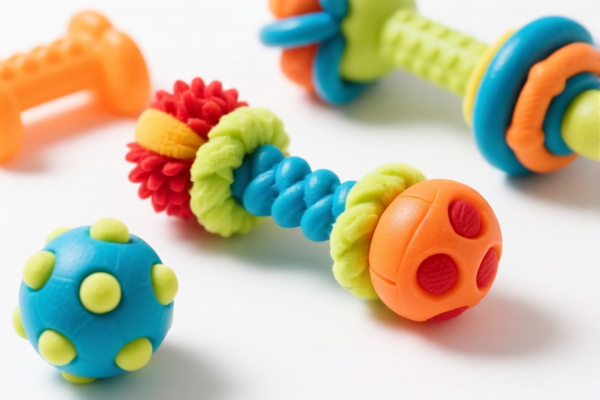
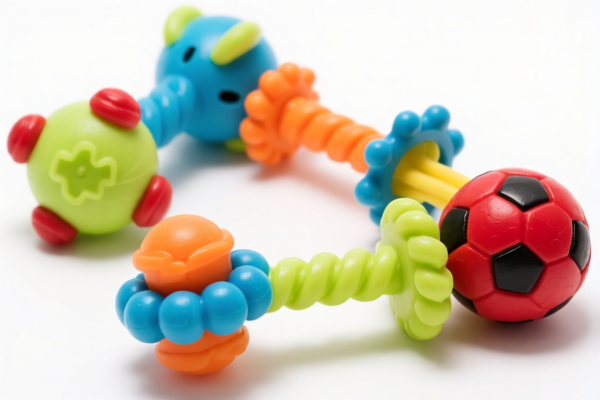
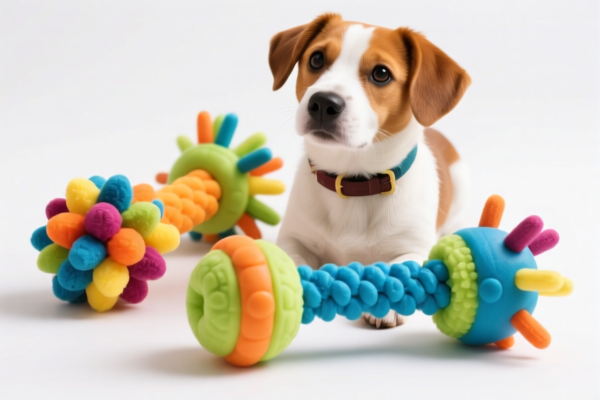
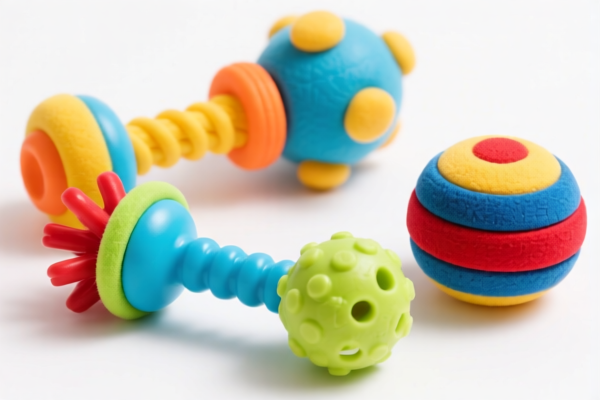
AI Analysis
🐾 Pet Statues: The Ultimate Guide to HS Code Classification & U.S. Customs Clearance Strategy
🌐 HS Code Reference & Clearance Guide | 2026 Latest Tariff Analysis | Professional Compliance Strategy
📌 I. Product Definition & Classification: What Exactly is a "Pet Statue"?
Pet statues are decorative art pieces depicting animals (cats, dogs, birds, etc.) used for home decor, garden ornamentation, or gift-giving. In international trade, they are not a single homogeneous category. The correct HS Code depends entirely on the material composition and specific design intent.
Misclassification here is dangerous because Section 301 tariffs (China-US trade war) and Section 122 tariffs apply differently based on the material.
⚠️ Critical Distinction:
- Ceramic/Porcelain: Hard, fired clay materials → High tariff impact due to Section 301 + 122.
- Plastic/Resin: Polymers → Moderate tariff impact (mostly Section 122).
- Wood: Natural material → Lowest base tariff, but still subject to Section 122.
📦 II. HS Code Classification Details (2026 Latest Tariff Authority)
Based on the provided data, here is the precise mapping of Pet Statues to HS Codes:
| HS Code | Product Description | Material Type | Summary | Total Tax Rate |
|---|---|---|---|---|
6913.10.10.00 |
Ceramic or porcelain statues of animals | Ceramic/Porcelain | Ceramic/Porcelain pet statues matching form and use | 17.5% |
6913.10.50.00 |
Porcelain statues of animals | Porcelain | Small figurines, fallback category for porcelain | 17.5% |
3926.40.00.10 |
Statues of other materials (Plastic/Decorative) | Plastic/Composite | Decorative statues, classified as "Other statues" | 15.3% |
3926.40.00.90 |
Statues of other materials (Plastic/Decorative) | Plastic/Composite | Decorations, classified as "Other decorations" | 15.3% |
4420.19.00.00 |
Wooden statues of animals | Wood | Other wooden decorations | 13.2% |
🔍 Key Insight:
- Ceramic/Porcelain (6913.10) commands the highest total tax (17.5%).
- Plastic (3926.40) is the second highest (15.3%).
- Wood (4420.19) is the most cost-effective (13.2%).
💰 III. 2026 Latest Tariff Rate Breakdown (Including Surcharge Policies)
✅ Applicable Country: United States (US)
✅ Origin: China (CN)
✅ Effective Date: Current rates apply for imports from China.
🎯 1. Ceramic & Porcelain Statues (6913.10.10.00 / 6913.10.50.00)
| Item | Detail |
|---|---|
| Base Tariff | 0.0% (Most Favored Nation rate for ceramics) |
| Section 301 Surcharge | +7.5% (Additional duty under US Trade Act Section 301) |
| Section 122 Surcharge | +10.0% (Additional duty under Section 122) |
| Total Tax Rate | 17.5% |
| Tax Calculation | CIF Value × 17.5% |
| De Minimis Exemption | ❌ Not Eligible (Section 122 and 301 duties generally invalidate de minimis benefits for these categories) |
| Legal Basis | Section 301: Footnote 9903.08 → Section 122: 19 CFR Part 122 → HS: 6913.10 |
📌 Explanation:
- Even though the base tariff is 0%, the 17.5% total rate makes ceramic pet statues expensive to import.
- The 10% Section 122 tax is a recent addition targeting specific Chinese imports, significantly impacting this category.
🎯 2. Plastic/Resin Statues (3926.40.00.10 / 3926.40.00.90)
| Item | Detail |
|---|---|
| Base Tariff | 5.3% |
| Section 301 Surcharge | 0.0% (No additional Section 301 duty for this specific subheading) |
| Section 122 Surcharge | +10.0% |
| Total Tax Rate | 15.3% |
| Tax Calculation | CIF Value × 15.3% |
| De Minimis Exemption | ❌ Not Eligible (Section 122 applies) |
| Legal Basis | Section 122: 19 CFR Part 122 → HS: 3926.40 |
📌 Explanation:
- Plastic statues have a higher base tariff (5.3%) but no Section 301 surcharge.
- The 10% Section 122 tax still applies, making the total 15.3%.
- Savings vs. Ceramic: You save 2.2% compared to ceramic statues.
🎯 3. Wooden Statues (4420.19.00.00)
| Item | Detail |
|---|---|
| Base Tariff | 3.2% |
| Section 301 Surcharge | 0.0% |
| Section 122 Surcharge | +10.0% |
| Total Tax Rate | 13.2% |
| Tax Calculation | CIF Value × 13.2% |
| De Minimis Exemption | ❌ Not Eligible (Section 122 applies) |
| Legal Basis | Section 122: 19 CFR Part 122 → HS: 4420.19 |
📌 Explanation:
- Wood is the most tax-efficient material for pet statues among the options provided.
- Base tariff is low (3.2%) + 10% Section 122 = 13.2% Total.
- Savings vs. Ceramic: You save 4.3% compared to ceramic statues.
🛠️ IV. Customs Clearance Practical Advice (Pitfall Avoidance Guide)
✅ 1. Essential Documentation Checklist (No Exceptions)
| Document | Required? | Notes |
|---|---|---|
| ✅ Commercial Invoice | ✔️ | Must clearly state "Pet Statue" and Material (e.g., "Porcelain Pet Statue" NOT just "Statue") |
| ✅ Product Composition Report | ✔️ | Must specify % of ceramic, plastic, wood, etc. |
| ✅ Product Photos | ✔️ | Clear images showing material texture (glaze for ceramic, grain for wood) |
| ✅ HS Code Pre-Ruling Request | ✔️ | Recommended to get official CBP ruling before shipment |
| ✅ Certificate of Origin | ✔️ | Proves origin as China (triggering Section 122/301) |
✅ 2. Declaration Tips (Key Mantra)
🔥 "Material First, Function Second! Misdeclare Material, Pay Double!"
| Scenario | Correct Declaration | Wrong Declaration | Consequence |
|---|---|---|---|
| Porcelain Cat Statue | 6913.10.10.00 (Ceramic) |
3926.40.00.90 (Plastic) |
Overpayment (Pay 17.5% instead of 15.3%) or Penalty if deemed fraud |
| Resin Dog Statue | 3926.40.00.10 (Plastic) |
4420.19.00.00 (Wood) |
Underpayment Risk (15.3% vs 13.2%) + Audit |
| Mixed Material Statue | Breakdown by dominant material | Vague term "Statue" | Classification Dispute → Delay + Inspection |
📌 Critical Note:
- Do NOT use generic terms like "Statue" or "Decoration" without specifying material.
- If the statue is mixed material (e.g., ceramic body with plastic collar), declare the dominant material or the principal component according to GRI 3(b).
✅ 3. Special Cases & Strategy
| Situation | Recommendation |
|---|---|
| High-Value Ceramic Statues | Consider switching to Resin/Plastic alternatives to save 2.2% in duties. |
| Wooden Statues | Best option for cost optimization. Ensure wood is treated to meet ISPM 15 standards. |
| Section 122 Impact | Remember, all three categories are subject to the 10% Section 122 surcharge. No escape from this tax for Chinese-origin goods. |
| De Minimis (800 USD) | ❌ Do not rely on de minimis exemption for these HS codes. CBP is actively auditing Section 122 goods under $800. |
🌍 V. Global Market Comparison (2026)
| Market | Recommended HS Code | Total Tax (China Origin) | Notes |
|---|---|---|---|
| 🇺🇸 USA | 6913.10 / 3926.40 / 4420.19 |
13.2% - 17.5% | High Section 122 & 301 impact |
| 🇨🇳 China | Same HS Codes | 0% - 9% | No Section 301/122 |
| 🇪🇺 EU | 6913.10 / 3926.40 / 4420.19 |
0% - 5% | No Section 122. Check EPR packaging laws. |
| 🇯🇵 Japan | Same HS Codes | 0% - 3% | No Section 122. Strict safety standards for plastics. |
📌 Conclusion:
- The USA is the most expensive market for importing pet statues from China due to Section 122 (10%) and Section 301 (7.5% for ceramics).
- For US-bound shipments, Wooden Statues (4420.19.00.00) offer the lowest total tax burden (13.2%).
📌 VI. Common Mistakes & Pitfalls (Lessons Learned)
❌ Mistake 1: Declaring a Porcelain Statue as Plastic to avoid Section 301.
👉 Consequence: CBP inspection reveals ceramic glaze and texture. Penalty + Back Taxes + Fraud Allegations.
❌ Mistake 2: Ignoring Section 122 tax.
👉 Consequence: Assuming only base tariff applies. Underpayment by 10%.
❌ Mistake 3: Using vague descriptions like "Home Decoration."
👉 Consequence: CBP assigns a default HS Code (often higher duty) or requests detailed product info. Delays.
✅ Correct Approach:
"Pet Statue, Porcelain, Glazed, Model XYZ, Origin: China"
"Pet Statue, Resin, Painted, Model ABC, Origin: China"
🎯 VII. Conclusion: Smart Classification, Maximize Profit!
🎯 Remember the Mantra:
🔹 "Ceramic 17.5%, Plastic 15.3%, Wood 13.2%."
🔹 "Section 122 Hits All, Choose Wood for Best Rate."
🔹 "Declare Material Clearly, Avoid CBP Scrutiny."
📌 Pro Tip:
If you are importing high-volume pet statues, consider sourcing from Vietnam or Mexico for ceramic/plastic options to potentially mitigate Section 301/122 risks (check local trade agreements). For US-bound shipments, Wooden Statues are the most tax-efficient choice among the provided data.
📣 Immediate Action:
📞 Consult a Customs Broker to verify the dominant material of your specific product.
📝 Request an Advance Ruling from CBP for your specific product design.
🚀 Optimize your bill of lading to reflect the correct HS Code and tax rate.
✨ Precise Classification Saves Money!
💼 Every percentage point in duty affects your bottom line!
Customer Reviews
About HS Code Classification
The Harmonized System (HS) is an internationally standardized nomenclature developed by the World Customs Organization (WCO) to classify traded products. Over 200 countries use the HS system as the basis for customs tariffs, trade statistics, and import/export regulations.
Each HS code follows a hierarchical structure:
- Chapter (2 digits) — Broad category of goods (e.g., Chapter 84: Machinery and Mechanical Appliances)
- Heading (4 digits) — More specific grouping within the chapter
- Subheading (6 digits) — Internationally standardized breakdown, used by all WCO member countries
- National subdivisions (8-10 digits) — Country-specific extensions for further classification, such as US HTSUS 10-digit codes
Correct HS code classification is essential for smooth customs clearance, accurate duty payment, and compliance with trade regulations. Misclassification can lead to customs delays, overpayment of duties, or penalties.
When importing from CN to US, the applicable tariff rates may include:
- Most-Favored-Nation (MFN) rate — The standard duty rate applied to WTO members
- General rate — Applied to countries without trade agreements
- Trade remedy duties — Additional tariffs such as Section 301 (anti-dumping), Section 232 (national security), or countervailing duties
The information provided on this page is for reference purposes only. For official classification, please consult with your local customs authority or a licensed customs broker.