pet toy flying saucer ball
CN → US| HS Code | Tariff Rate | Origin | Destination | Doc |
|---|---|---|---|---|
| 4016992000 | 14.3% | CN | US | Official Doc |
| 3926903500 | 16.5% | CN | US | Official Doc |
| 3926903300 | 16.5% | CN | US | Official Doc |
| 9503000090 | 10.0% | CN | US | Official Doc |
| 4016996050 | 37.5% | CN | US | Official Doc |
Product Images
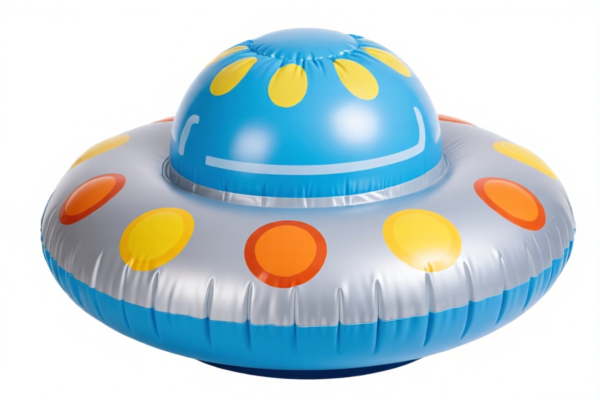
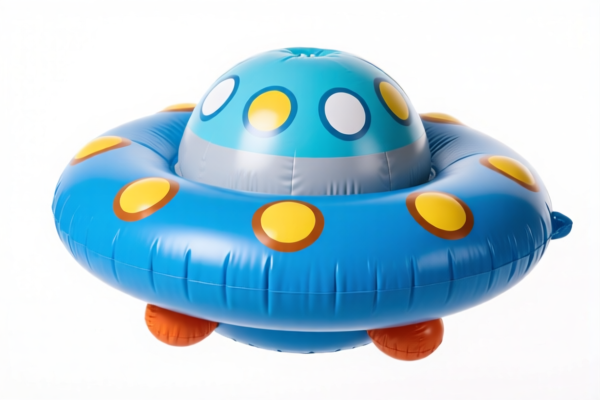
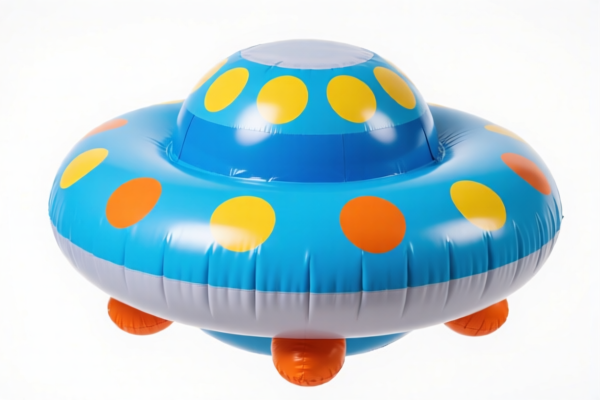
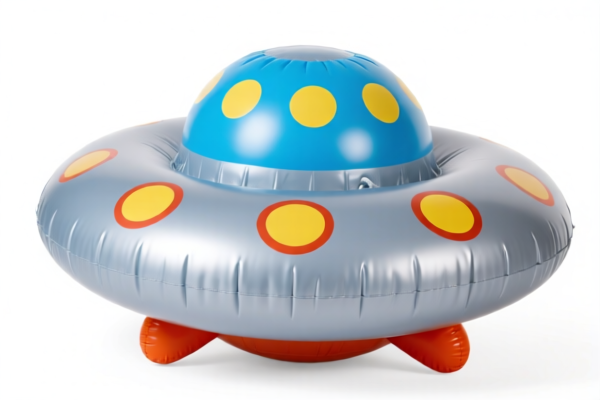
AI Analysis
🛸 Pet Toy Flying Saucer Ball (Pet Disc/Saucer)
🌐 HS Code Reference & Customs Clearance Guide | 2024/2025 Latest Tariff Analysis | Professional Clearance Strategy
📌 Part 1: Product Definition & Classification: What Exactly is a "Pet Toy Flying Saucer"?
A "Pet Toy Flying Saucer Ball" (often referred to as a Pet Disc, Fetch Toy, or Saucer Ball) is a recreational item designed for dogs or cats. In international trade, it is primarily classified based on its primary function (toy) and material composition (plastic or rubber).
Two Main Categories: 1. Toy Classification (HS 9503): If classified primarily as a "toy," it falls under general toy headings. 2. Material Classification (HS 4016 / 3926): If customs authorities determine it is an "other article" made of specific materials (rubber or plastic) rather than a distinct toy, it falls under material-specific headings.
⚠️ Key Distinction Point:
- If the product is explicitly marketed as a "Toy" (e.g., "Dog Toy Disc") → Likely 9503.00.00.90 (Toy).
- If the product is generic, unbranded, or lacks specific toy features, it may be classified by material:
- Rubber/Silicone base → 4016.99 (Rubber Articles).
- Plastic/Polymer base → 3926.90 (Plastic Articles).
📦 Part 2: HS Code Classification Details (Latest Tariff Authority Comparison)
Based on the provided data, here are the five potential HS Codes, their logical basis, and tax implications.
| HS Code | Product Description & Logic | Material Assumption | Total Tax Rate |
|---|---|---|---|
| 9503.00.00.90 | Pet Toy / General Toy: Classified as a "Toy" (saucer/disk shape) under "Other toys." No material conflict; assumes plastic or rubber. | Plastic or Rubber | 10.0% |
| 4016.99.20.00 | Sulfur-Cured Rubber Articles: Based on common sense that pet toys are often durable rubber. Fits "Other sulfur-cured rubber articles." | Sulfur-Cured Rubber | 14.3% |
| 3926.90.35.00 | Other Plastic Articles: Inferred material is plastic. Fits "Other plastic articles" as a catch-all for unlisted plastic items. | Plastic | 16.5% |
| 3926.90.33.00 | Other Plastic Articles (Specific Subheading): Specifically infers "Frisbee/Disc" material is plastic. Fits the "Other plastic articles" catch-all logic. | Plastic | 16.5% |
| 4016.99.60.50 | Sulfur-Cured Rubber Articles (High Penalty): Assumes rubber/silicone material. Fits "Other sulfur-cured rubber articles." Note: Higher penalties apply. | Rubber/Silicone | 37.5% |
🔍 Critical Observation:
- Lowest Tax:9503.00.00.90at 10.0%.
- Highest Tax:4016.99.60.50at 37.5%.
- Material Risk: Misclassifying a plastic toy as rubber (4016) can lead to significantly higher duties due to additional tariffs.
💰 Part 3: 2024/2025 Latest Tariff Rate Breakdown (Including Surtaxes)
✅ Applicable Country: United States (US)
✅ Origin: China (CN)
✅ Effective Time: Current rates include Section 301 and IEEPA surcharges.
🎯 1. 9503.00.00.90 —— Other Toys (Recommended for Pet Toys)
| Item | Content |
|---|---|
| Base Duty Rate | 0.0% (Ad Valorem) |
| Section 301 Surtax | +0.0% (Note: Some toy categories may have exemptions, but data shows 0%) |
| IEEPA Surtax (122 Clause) | +10.0% (Applicable to China-origin products) |
| Total Tax Rate | 10.0% |
| Tax Calculation | CIF Value × 10% |
| De Minimis Eligibility | ❌ No (Assuming standard commercial shipment) |
| Legal Basis Path | HS:9503.00.00.90 → IEEPA:9903.01.24 (10% China surcharge) |
📌 Explanation:
- This is the most favorable classification for pet toys.
- The 10% IEEPA tax is the only additional charge.
- Why it’s better: No Section 301 25% surtax applies to this specific subheading in the provided data, unlike rubber/plastic general articles.
🎯 2. 4016.99.20.00 —— Other Sulfur-Cured Rubber Articles
| Item | Content |
|---|---|
| Base Duty Rate | 4.3% |
| Section 301 Surtax | +0.0% |
| IEEPA Surtax (122 Clause) | +10.0% |
| Total Tax Rate | 14.3% |
| Tax Calculation | CIF Value × 14.3% |
| Legal Basis Path | HS:4016.99.20.00 → IEEPA:9903.01.24 |
📌 Note:
- Higher than toy classification.
- Requires proof of rubber material (e.g., material safety data sheet).
🎯 3. 3926.90.33.00 & 3926.90.35.00 —— Other Plastic Articles
| Item | Content |
|---|---|
| Base Duty Rate | 6.5% |
| Section 301 Surtax | +0.0% |
| IEEPA Surtax (122 Clause) | +10.0% |
| Total Tax Rate | 16.5% |
| Tax Calculation | CIF Value × 16.5% |
| Legal Basis Path | HS:3926.90.33/35 → IEEPA:9903.01.24 |
📌 Note:
- Plastic articles are taxed higher than toys (16.5%vs10.0%).
- Ensure product description clearly states "Plastic" if using this code.
🎯 4. 4016.99.60.50 —— Other Sulfur-Cured Rubber Articles (High Penalty)
| Item | Content |
|---|---|
| Base Duty Rate | 2.5% |
| Section 301 Surtax | +25.0% (Section 301 Footnote Applies) |
| IEEPA Surtax (122 Clause) | +10.0% |
| Total Tax Rate | 37.5% |
| Tax Calculation | CIF Value × 37.5% |
| Legal Basis Path | HS:4016.99.60.50 → Section 301:25% → IEEPA:10% |
⚠️ Warning:
- This is the most expensive classification.
- The 25% Section 301 surtax applies here, likely because this specific rubber subheading does not enjoy the same exemptions as others.
- Avoid this code unless the product is exclusively rubber and you have a compelling reason not to use the Toy classification.
🛠️ Part 4: Customs Clearance Practical Advice (Pitfall Avoidance Guide)
✅ 1. Documentation Checklist (Essential)
| Document | Required | Notes |
|---|---|---|
| ✅ Product Photos | ✔️ | Show the item clearly as a "pet toy" (e.g., with a dog, or labeled "Dog Toy"). |
| ✅ Material Specification | ✔️ | Clearly state: "Made of Non-toxic Plastic" or "Sulfur-Cured Rubber." |
| ✅ Usage Statement | ✔️ | "Intended for pet play/fetch." |
| ✅ Commercial Invoice | ✔️ | Description: "Plastic Pet Toy Disc" or "Rubber Pet Frisbee." |
| ✅ CE/FCC Certificates | ✔️ | If applicable for electronic features (e.g., LED saucers). |
✅ 2. Declaration Tips (Key Mnemonics)
🔥 "Name it as Toy, Classify as 9503, Save 6% to 27%!"
| Scenario | Correct HS Code | Risk if Wrong |
|---|---|---|
| Labeled "Pet Toy" | 9503.00.00.90 (10%) |
Misclassified as plastic/rubber → 14.3%–37.5% |
| Generic "Disc" | 3926.90.35.00 (16.5%) |
Still taxable, but no toy exemption benefits. |
| Rubber Saucer | 4016.99.20.00 (14.3%) |
Avoid 4016.99.60.50 (37.5%) unless necessary. |
✅ 3. Special Considerations
| Situation | Handling Advice |
|---|---|
| LED/Light-up Saucers | If it has electronic components, customs may scrutinize. Still, if primary function is toy, argue for 9503. |
| Silicone Material | Silicone is often treated as rubber (4016). Be prepared to justify Toy classification despite material. |
| Packaging | Ensure marketing materials explicitly say "Toy" to support 9503 classification. |
🌍 Part 5: Global Market Comparison (2024/2025)
| Country/Region | Recommended HS Code | Duty Rate (China Origin) | Notes |
|---|---|---|---|
| 🇺🇸 USA | 9503.00.00.90 |
10.0% (IEEPA 10%) | Avoid rubber/plastic codes due to higher rates. |
| 🇨🇳 China | 9503.00.00.90 |
~10-15% (VAT + Duty) | Standard toy imports. |
| 🇪🇺 EU | 9503.00.00 |
0% (General Duty) | No IEEPA surtax. Check for REACH compliance. |
| 🇬🇧 UK | 9503.00.00 |
0% - 4.5% | Post-Brexit rules apply. |
| 🇯🇵 Japan | 9503.00.00 |
0% - 6% | Low duty for toys. |
📌 Conclusion:
- The US market is the most sensitive to material-based surcharges.
- Always argue for Toy Classification (9503) to save 4.3% to 27.5% in duties.
- Rubber articles (4016) are particularly risky due to the 37.5% potential rate.
📌 Part 6: Common Errors & Pitfalls (Blood Lessons)
❌ Error 1: Declaring a "Plastic Pet Toy" as "Other Plastic Articles" (3926.90.35.00)
👉 Consequence: Pay 16.5% instead of 10.0%. Unnecessary 6.5% extra cost.
❌ Error 2: Declaring a "Rubber Pet Toy" as 4016.99.60.50
👉 Consequence: Pay 37.5% instead of 10.0%. 27.5% penalty!
❌ Error 3: Ambiguous Description: "Flying Disc"
👉 Consequence: Customs may default to material codes (3926 or 4016) because "Toy" is not explicitly stated.
👉 Fix: Always use "Pet Toy" in the product name.
✅ Correct Declaration Example:
"Plastic Pet Toy Disc, for Dogs, No Electronic Components, Model XYZ"
HS Code:9503.00.00.90
🎯 Part 7: Conclusion: Professional Declaration, Save Costs!
🎯 Remember the Mnemonic:
🔹 "Call it a Toy, Classify as 9503, Save the 25% Section 301 Pain!"
🔹 "HS Code Determines Fate, 10% is the Sweet Spot, 37.5% is the Trap!"
📌 Pro Tip:
- If your product has LEDs or electronic features, ensure the primary function is still "play/toy" to maintain 9503 classification.
- Apply for a Pre-Ruling (Advance Ruling) from US Customs if you are shipping large volumes. This locks in the 10% rate and avoids surprises.
📣 Immediate Action:
📞 Contact a licensed customs broker.
🖼️ Provide clear product images labeled "Pet Toy."
🚀 Ensure your commercial invoice reads "PET TOY" to trigger the lowest tax rate!
✨ Professional clearance starts with precise classification!
💼 Your profit margin depends on saving that 27.5% difference!
Customer Reviews
About HS Code Classification
The Harmonized System (HS) is an internationally standardized nomenclature developed by the World Customs Organization (WCO) to classify traded products. Over 200 countries use the HS system as the basis for customs tariffs, trade statistics, and import/export regulations.
Each HS code follows a hierarchical structure:
- Chapter (2 digits) — Broad category of goods (e.g., Chapter 84: Machinery and Mechanical Appliances)
- Heading (4 digits) — More specific grouping within the chapter
- Subheading (6 digits) — Internationally standardized breakdown, used by all WCO member countries
- National subdivisions (8-10 digits) — Country-specific extensions for further classification, such as US HTSUS 10-digit codes
Correct HS code classification is essential for smooth customs clearance, accurate duty payment, and compliance with trade regulations. Misclassification can lead to customs delays, overpayment of duties, or penalties.
When importing from CN to US, the applicable tariff rates may include:
- Most-Favored-Nation (MFN) rate — The standard duty rate applied to WTO members
- General rate — Applied to countries without trade agreements
- Trade remedy duties — Additional tariffs such as Section 301 (anti-dumping), Section 232 (national security), or countervailing duties
The information provided on this page is for reference purposes only. For official classification, please consult with your local customs authority or a licensed customs broker.