pet washable pads
CN → US| HS Code | Tariff Rate | Origin | Destination | Doc |
|---|---|---|---|---|
| 6307907500 | 14.3% | CN | US | Official Doc |
| 6307909891 | 24.5% | CN | US | Official Doc |
| 3924905650 | 20.9% | CN | US | Official Doc |
| 6307909885 | 24.5% | CN | US | Official Doc |
| 3924905610 | 20.9% | CN | US | Official Doc |
Product Images
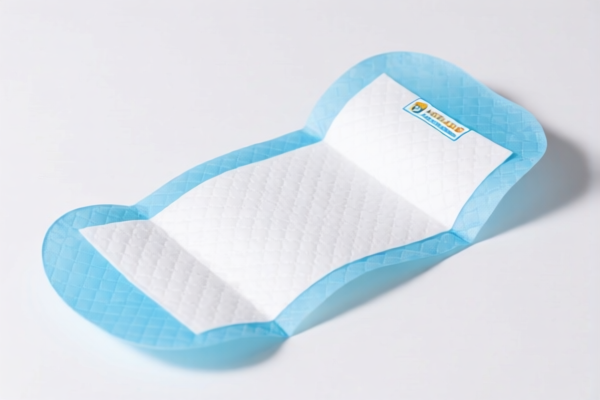
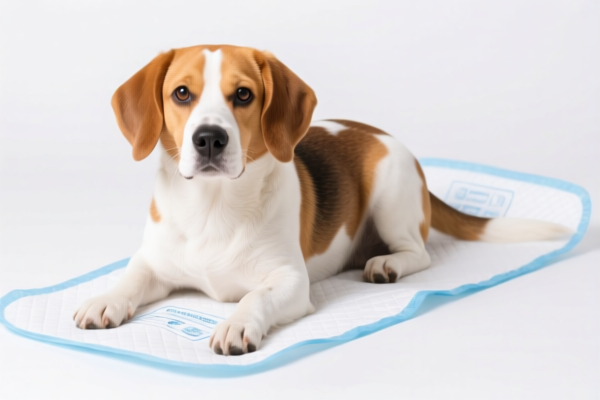
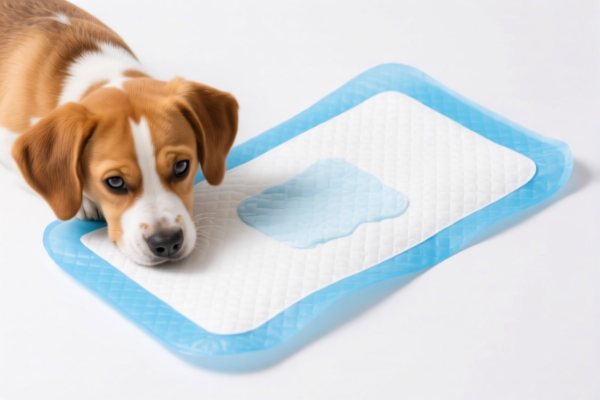
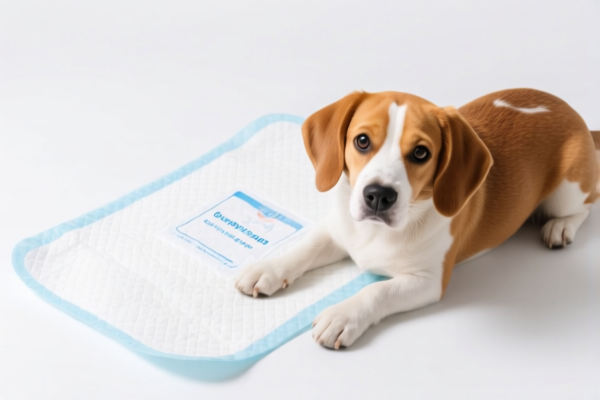
AI Analysis
🐾 Pet Washable Pads (Puppy Training Pads / Reusable Pet Hygiene Mats)
🌐 HS Code Reference & Customs Clearance Guide | 2024 Latest Tariff Analysis | Professional Clearance Strategy
📌 I. Product Definition & Classification: Do You Really Understand "Pet Washable Pads"?
Pet washable pads are essential hygiene products for pet owners, designed to absorb urine and feces while being reusable. In international trade, their classification depends heavily on material composition and physical structure. There is no single HS code; instead, they fall into three distinct categories based on manufacturing materials:
Textile-Based Pads (Fabric/Cotton): Made primarily from woven or non-woven fabric, often with absorbent layers. These are classified under Chapter 63 (Other Made-Up Articles). Plastic/Composite Pads: Made from plastic films, PE, or PP layers, sometimes combined with non-woven fabrics. These may fall under Chapter 39 (Plastics) if the plastic component is substantial. Specialized Sanitary Products: If the product is explicitly marketed as a "sanitary/waste management" item made of plastic composites, it may trigger different subheadings.
⚠️ Key Distinction Point:
- If the primary material is textile/fabric (even if waterproof backing exists) → Likely Chapter 63 (e.g.,6307.90).
- If the primary material is plastic (e.g., plastic sheeting with minimal fabric) → Likely Chapter 39 (e.g.,3924.90).
- Material Misclassification Risk: Declaring a fabric pad as plastic (or vice versa) can lead to significant duty differences and customs delays.
📦 II. HS Code Classification Details (Based on Provided Data)
The provided data indicates that Pet Washable Pads can be classified under five potential HS codes, depending on the specific material breakdown and customs interpretation. Here is the detailed breakdown:
| HS Code | Product Description | Matching Basis (From Data) | Total Tax Rate |
|---|---|---|---|
6307.90.75.00 |
Textile-Based Pet Pads | "Matches 'Pet Pad' usage; inferred as textile material; consistent with 'Textile Made-Up Articles for Pets'." | 14.3% |
6307.90.98.85 |
Cotton/Fiber Dog Toilet Pads | "Consumable pad form; inferred as cotton or fiber textile; matches 'Cotton/Other Made-Up Articles' in 6307.90.98.85." | 24.5% |
6307.90.98.91 |
General Made-Up Textile Article | "Consumable form; inferred textile/synthetic fiber; falls under 'Other Made-Up Articles' in 6307.90.98.91; no exclusion conflicts." | 24.5% |
3924.90.56.10 |
Plastic Pet Accessories | "Inferred plastic material; pet-related usage; matches 'Plastic Sanitary/Hygiene Products' or 'Other Plastic Articles'." | 20.9% |
3924.90.56.50 |
Plastic/Non-Woven Composite Sanitary Pads | "Hygiene/cleaning product; plastic/non-woven composite material; matches 'Plastic Sanitary Products' in 3924.90.56.50." | 20.9% |
🔍 Critical Analysis:
- The lowest tax rate (14.3%) applies to6307.90.75.00, which specifically recognizes "Pet Pads" as textile articles. This is likely the most favorable code if the product is primarily fabric.
- Codes under6307.90.98.xx(24.5%) are broader "Other Made-Up Textile Articles" and attract higher tariffs due to the "Other" classification.
- Codes under3924.90.56.xx(20.9%) apply if the product is deemed primarily plastic or plastic-composite.
💰 III. 2024 Latest Tariff Rate Details (Including Additional Duties)
✅ Applicable Country: United States (US)
✅ Origin: China (CN) (Inferred from "122 Clause" and typical trade context)
✅ 生效时间: Current as of 2024/2025
🎯 1. 6307.90.75.00 – Textile Pet Pads (Lowest Tax)
| Item | Content |
|---|---|
| Base Tariff | 4.3% |
| Section 301 Additional Tariff | 0.0% |
| Section 122 Clause Tariff | 10% |
| Total Tariff Rate | 14.3% |
| Tax Calculation | CIF Value × 14.3% |
| De Minimis Exemption | ❌ Not Eligible (Likely subject to high tariff thresholds) |
📌 Explanation:
- This is the most cost-effective classification for pet washable pads.
- The 10% "Section 122" tariff is a specific trade remedy tariff.
- No Section 301 (25%) additional tariff applies here, making it significantly cheaper than other textile categories.
🎯 2. 6307.90.98.85 & 6307.90.98.91 – General Textile Made-Up Articles
| Item | Content |
|---|---|
| Base Tariff | 7.0% |
| Section 301 Additional Tariff | 7.5% |
| Section 122 Clause Tariff | 10% |
| Total Tariff Rate | 24.5% |
| Tax Calculation | CIF Value × 24.5% |
| De Minimis Exemption | ❌ Not Eligible |
📌 Explanation:
- These codes are "catch-all" categories for textile articles not specifically named elsewhere.
- They incur an additional 7.5% tariff under Section 301, bringing the total to 24.5%.
- Avoid this classification if possible; opt for6307.90.75.00if the product is clearly a "pet pad."
🎯 3. 3924.90.56.10 & 3924.90.56.50 – Plastic/Composite Sanitary Products
| Item | Content |
|---|---|
| Base Tariff | 3.4% |
| Section 301 Additional Tariff | 7.5% |
| Section 122 Clause Tariff | 10% |
| Total Tariff Rate | 20.9% |
| Tax Calculation | CIF Value × 20.9% |
| De Minimis Exemption | ❌ Not Eligible |
📌 Explanation:
- If customs determines the pad is primarily plastic (e.g., waterproof plastic backing with minimal fabric), these codes apply.
- The base tariff is low (3.4%), but Section 301 (7.5%) and Section 122 (10%) add up to 20.9%.
- Risk: If you declare plastic but the product is mostly textile, customs may reclassify and impose higher duties or penalties.
🛠️ IV. Customs Clearance Practical Advice (Avoiding Pitfalls)
✅ 1. Documentation Checklist (Must-Have)
| Document | Required? | Notes |
|---|---|---|
| ✅ Product Specification Sheet | ✔️ | Must specify material composition (e.g., "100% Cotton Top Layer, PP Non-Woven Middle, PE Film Bottom"). |
| ✅ Material Composition Breakdown | ✔️ | Critical for distinguishing between Chapter 63 (Textile) and Chapter 39 (Plastic). |
| ✅ Product Photos | ✔️ | Show texture, layers, and any branding. |
| ✅ Commercial Invoice | ✔️ | Clearly state "Pet Washable Training Pad" and avoid vague terms like "Hygiene Mat." |
| ✅ Packing List | ✔️ | Include dimensions and weight per unit. |
✅ 2. Declaration Strategy (Key Tips)
🔥 "Material is King, Name is Queen!"
| Scenario | Recommended HS Code | Reason |
|---|---|---|
| Primarily Fabric/Cotton | 6307.90.75.00 |
Lowest duty (14.3%); specifically for pet pads. |
| Mixed Fabric/Plastic | 6307.90.75.00 or 3924.90.56.50 |
Depends on which material is "essential character." If fabric > 50%, use Chapter 63. |
| Primarily Plastic | 3924.90.56.50 |
If plastic layer is thick and dominant. |
| Vague "Pet Mat" | ❌ Avoid | High risk of misclassification and audit. |
📌 Important:
- Do not declare "Plastic Sanitary Pad" if the product is mostly cotton.
- Do not declare "Textile Pet Pad" if the product is primarily plastic film.
- Provide a detailed material breakdown in the invoice or specification sheet to support your chosen HS code.
🌍 V. Global Market Comparison (2024/2025)
| Market | Recommended HS Code | Estimated Duty | Notes |
|---|---|---|---|
| 🇺🇸 USA | 6307.90.75.00 |
14.3% | Lowest duty; best for textile pads. |
| 🇨🇳 China | 6307.90.75.00 |
~14% | Standard import duty. |
| 🇪🇺 EU | 6307.90.98 |
~6.5% | No Section 122/301 tariffs; lower rates. |
| 🇬🇧 UK | 6307.90.98 |
~6.5% | Post-Brexit tariffs align with EU for textiles. |
📌 Conclusion:
- The US market is highly sensitive to tariff clauses (Section 122 & 301).
- Choosing6307.90.75.00saves 10-10.2% compared to other classifications.
- Always verify material composition before shipping.
📌 VI. Common Errors & Pitfalls (Lessons Learned)
❌ Error 1: Declaring a fabric pad as "Plastic Sanitary Pad" (3924.90)
👉 Consequence: Customs may reject the declaration, demand reclassification, and impose penalties.
👉 Better Approach: Use 6307.90.75.00 for textile-based pads.
❌ Error 2: Using vague descriptions like "Pet Mat" without material details
👉 Consequence: Customs may assign the highest default duty rate or trigger an audit.
👉 Better Approach: Specify "100% Cotton Pet Pad" or "Polyester Non-Woven Pet Pad."
❌ Error 3: Ignoring Section 122 Tariffs
👉 Consequence: Unexpected 10% charge at customs.
👉 Better Approach: Always include Section 122 in cost calculations.
🎯 VII. Conclusion: Maximize Profit, Minimize Duty!
🎯 Remember:
🔹 "Textile Pet Pads = 14.3% Duty (
6307.90.75.00)"
🔹 "General Textile = 24.5% Duty (6307.90.98.xx)"
🔹 "Plastic/Composite = 20.9% Duty (3924.90.56.xx)"
✅ Action Plan:
1. Confirm Material: Is your pad mostly fabric or plastic?
2. Choose Correct HS Code: Opt for 6307.90.75.00 if textile-based.
3. Document Carefully: Provide detailed material breakdowns.
4. Calculate Costs: Include 14.3% (or applicable) duty in your pricing.
🚀 Clear Customs, Clear Profits!
✨ Precise Classification is the Key to Cost Savings!
Customer Reviews
About HS Code Classification
The Harmonized System (HS) is an internationally standardized nomenclature developed by the World Customs Organization (WCO) to classify traded products. Over 200 countries use the HS system as the basis for customs tariffs, trade statistics, and import/export regulations.
Each HS code follows a hierarchical structure:
- Chapter (2 digits) — Broad category of goods (e.g., Chapter 84: Machinery and Mechanical Appliances)
- Heading (4 digits) — More specific grouping within the chapter
- Subheading (6 digits) — Internationally standardized breakdown, used by all WCO member countries
- National subdivisions (8-10 digits) — Country-specific extensions for further classification, such as US HTSUS 10-digit codes
Correct HS code classification is essential for smooth customs clearance, accurate duty payment, and compliance with trade regulations. Misclassification can lead to customs delays, overpayment of duties, or penalties.
When importing from CN to US, the applicable tariff rates may include:
- Most-Favored-Nation (MFN) rate — The standard duty rate applied to WTO members
- General rate — Applied to countries without trade agreements
- Trade remedy duties — Additional tariffs such as Section 301 (anti-dumping), Section 232 (national security), or countervailing duties
The information provided on this page is for reference purposes only. For official classification, please consult with your local customs authority or a licensed customs broker.