pharmaceutical intermediate waste
CN → US| HS Code | Tariff Rate | Origin | Destination | Doc |
|---|---|---|---|---|
| 2942000500 | 41.5% | CN | US | Official Doc |
| 2942003500 | 41.5% | CN | US | Official Doc |
| 3825610000 | 35.0% | CN | US | Official Doc |
| 3825690000 | 35.0% | CN | US | Official Doc |
| 3006920000 | 10.0% | CN | US | Official Doc |
Product Images
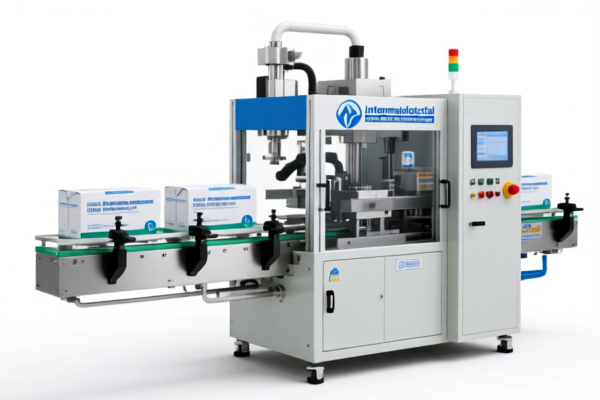
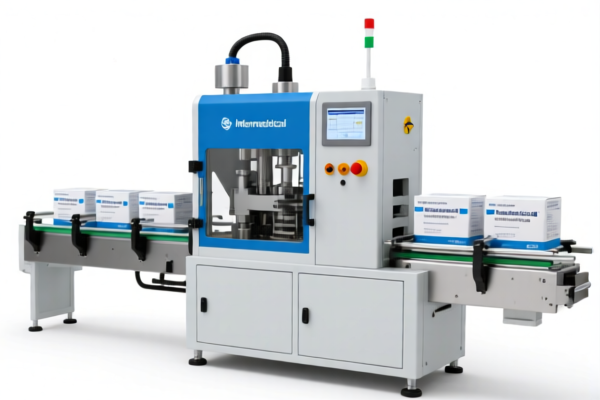
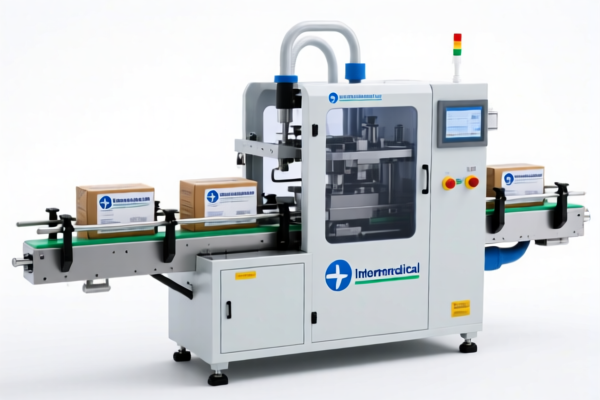
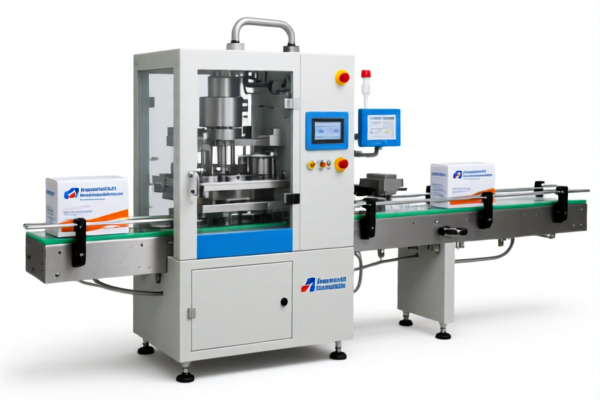
AI Analysis
💊 Pharmaceutical Intermediate Waste (制药中间体残渣/废料)
🌐 HS Code Reference & Customs Clearance Guide | 2026 Latest Tariff Analysis | Professional Clearance Strategy
📌 I. Product Definition & Classification: What Exactly Is This?
Pharmaceutical Intermediate Waste refers to residual substances, by-products, or discarded materials generated during the chemical synthesis or processing of pharmaceutical intermediates. In international trade, the classification depends heavily on whether these materials are deemed: 1. Specific Organic Compounds (Chemical substances with defined structural properties). 2. Industrial Chemical Wastes (Residues classified as waste from chemical industries). 3. Pharmaceutical Discards (Waste related to finished drugs or drug production).
⚠️ Critical Distinction Point:
- If the waste is considered a specific "Organic Compound" without distinct functional use → Chapter 29.
- If the waste is considered "Chemical Industrial Waste/Residue" → Chapter 38.
- If the waste is considered "Discarded Medicaments/Pharmaceuticals" → Chapter 30.
📦 II. HS Code Classification Details (2026 Latest Tariff Authoritative Comparison)
Based on the provided data, the potential HS Codes and their matching logic are detailed below:
| HS Code | Product Description | Matching Logic (Summary) | Total Tax Rate |
|---|---|---|---|
2942.00.05.00 |
Other Organic Compounds (Pharmaceutical Related) | Matches based on the name "Pharmaceutical" indicating organic compounds; "Intermediate Residue" fits the "Other Organic Compounds" catch-all category without conflicting with specific drug attributes. | 41.5% |
2942.00.35.00 |
Other Organic Compounds (Residues) | The commodity is a residue of organic compounds, fitting the chemical attribute of "Other Organic Compounds"; since residues lack specific functionality, the "Other/Catch-all" rule applies. | 41.5% |
3825.61.00.00 |
Waste/Residues from Chemical Industries (Mainly Organic) | The term "Residue" fits the form of "Waste/Residual Products"; "Pharmaceutical Intermediate" belongs to the chemical industry, and it is inferred to contain organic components. | 35.0% |
3825.69.00.00 |
Other Chemical/Related Industrial Wastes | "Residue" is a morphological feature of chemical industrial waste; its nature is a residual product of chemical-related industries, fitting the definition of "Other Wastes." | 35.0% |
3006.92.00.00 |
Discarded Medicaments (Pharmaceutical Waste) | The word "Waste/Discarded" in the name aligns with "Discarded Medicines"; "Residue" is reasonably inferred as waste from pharmaceutical production, fitting the "Other" category under pharmaceuticals. | 10.0% |
🔍 Key Reminder:
-2942.xxxx: Best if the material is a recognizable organic chemical compound, even if waste.
-3825.xxxx: Best if the material is strictly defined as industrial waste/residue from chemical processing.
-3006.92.00: Best if the material is directly linked to finished drug discard or specific pharmaceutical waste streams.
💰 III. 2026 Latest Tariff Rate Breakdown (Including Surcharges & Policy Add-ons)
✅ Applicable Country: United States (US)
✅ Origin: China (CN)
✅ Effective Date: November 10, 2025 (and subsequent imports)
🎯 1. 2942.00.05.00 & 2942.00.35.00 —— Other Organic Compounds (Organic Residues)
| Item | Content |
|---|---|
| Base Tariff | 6.5% (ad valorem) |
| Section 301 Surcharge | +25.0% (Additional Tariff) |
| 122 Provision Tariff | +10.0% (Specific Clause) |
| Total Tax Rate | 41.5% |
| Tax Calculation | CIF Value × 41.5% |
| De Minimis Exemption | ❌ Not Eligible (High tax rate excludes small package exemptions) |
| Legal Basis Path | Base Tariff 6.5% → Section 301: 25% → 122 Clause: 10% |
📌 Explanation:
- The 6.5% base tariff applies to organic compounds.
- The 25% is the standard Section 301 additional tariff for Chinese-origin goods.
- The 10% is the specific "122 Clause" tariff.
- Total 41.5% is a very high tariff. Proper documentation proving "organic compound" status is crucial to avoid misclassification penalties.
🎯 2. 3825.61.00.00 & 3825.69.00.00 —— Chemical Industrial Wastes/Residues
| Item | Content |
|---|---|
| Base Tariff | 0.0% (ad valorem) |
| Section 301 Surcharge | +25.0% (Additional Tariff) |
| 122 Provision Tariff | +10.0% (Specific Clause) |
| Total Tax Rate | 35.0% |
| Tax Calculation | CIF Value × 35.0% |
| De Minimis Exemption | ❌ Not Eligible (Though base is 0%, the total exceeds de minimis thresholds) |
| Legal Basis Path | Base Tariff 0% → Section 301: 25% → 122 Clause: 10% |
📌 Note:
- These codes have a 0% base tariff, making them cheaper than Chapter 29 codes.
- The 25% Section 301 and 10% 122 Clause still apply because the origin is China.
- Total 35.0% is the lowest among the non-pharmaceutical specific codes.
- Key for Clearance: Must prove the item is "Industrial Waste" and not a reusable chemical compound.
🎯 3. 3006.92.00.00 —— Discarded Medicaments (Pharmaceutical Waste)
| Item | Content |
|---|---|
| Base Tariff | 0.0% (ad valorem) |
| Section 301 Surcharge | 0.0% (Exempt from Section 301 in this specific subheading?) |
| 122 Provision Tariff | +10.0% (Specific Clause) |
| Total Tax Rate | 10.0% |
| Tax Calculation | CIF Value × 10.0% |
| De Minimis Exemption | ❌ Not Eligible (Generally, pharmaceutical wastes are strictly regulated) |
| Legal Basis Path | Base Tariff 0% → 122 Clause: 10% |
📌 Advantage:
- This code offers the lowest total tax rate (10%).
- Base Tariff 0% and No Section 301 (25%) apply.
- Only the 10% 122 Clause is applied.
- Crucial Condition: The item must be clearly defined as "Discarded Medicaments" or waste directly linked to pharmaceutical products, not just general chemical intermediates.
🛠️ IV. Customs Clearance Practical Advice (Avoid Pitfalls)
✅ 1. Documentation Checklist (Essential)
| Document | Required | Explanation |
|---|---|---|
| ✅ Product Specification Sheet | ✔️ | Detail the chemical composition, origin (intermediate vs. waste), and state. |
| ✅ Certificate of Analysis (COA) | ✔️ | Proves chemical structure. If it matches a known compound, lean toward 2942. If it's impure residue, lean toward 3825. |
| ✅ Safety Data Sheet (SDS) | ✔️ | Classifies the item as hazardous/non-hazardous. Required for 3825 (waste) and 3006 (pharma waste). |
| ✅ Commercial Invoice | ✔️ | Clearly state: "Pharmaceutical Intermediate Waste/Residue, Not for Human Use." |
| ✅ Packing List | ✔️ | Show net weight and gross weight accurately. |
| ✅ Certificate of Origin | ✔️ | Essential for calculating Section 301 and 122 Clause applicability. |
| ✅ Hazardous Waste Permit (if applicable) | ✔️ | If classified as hazardous waste under RCRA, additional EPA documentation may be needed. |
✅ 2. Declaration Tips (Key Mnemonics)
🔥 "Define Nature First: Compound, Waste, or Drug? Name Precisely, Tax Saves Huge!"
| Scenario | Correct Declaration | Risk of Error |
|---|---|---|
| Pure Chemical Residue | 3825.61.00.00 or 3825.69.00.00 |
Misdeclare as 2942 → +6.5% Base Tax + Higher Risk of Audit |
| Linked to Finished Drug | 3006.92.00.00 |
Misdeclare as 3825 → Extra 25% Section 301 Tax |
| Identifiable Organic Compound | 2942.00.05.00 |
Misdeclare as 3006 → Rejection as not "Medicament" |
| Mixed/Unidentified Waste | 3825.69.00.00 |
Misdeclare as 3006 → Compliance Violation |
✅ 3. Special Considerations
| Scenario | Handling Advice |
|---|---|
| Hazardous Material | If SDS indicates hazardous, ensure proper labeling (UN Number, Hazard Class). Customs may require EPA approval. |
| Recyclable vs. Waste | If the residue can be reused in the same process without further processing, it might NOT be "waste." This could push classification toward 2942 or even avoid HS Code 38 entirely. |
| Pharmaceutical vs. Chemical | If the intermediate is a known API (Active Pharmaceutical Ingredient) precursor, CBP might prefer 3006 or 2942. Clarify with your customs broker. |
| Small Quantity (De Minimis) | While 3006 has low tax, 10% tax still exceeds the $800 de minimis threshold if the value is high. For low-value shipments, consult with a broker on potential exemptions. |
🌍 V. Global Main Market Comparison (2026 Latest)
| Country/Region | Recommended HS Code | Total Tax Rate | Certification Requirements | Notes |
|---|---|---|---|---|
| 🇺🇸 USA | 3825.61.00.00 / 3006.92.00.00 |
10% - 35% | EPA, DOT (Hazmat) | High scrutiny on "Waste" definitions. |
| 🇨🇳 China | 3825.61.00.00 |
Varies | MSDS, Hazmat Report | Import of hazardous waste is restricted. |
| 🇪🇺 EU | 3825.61.00.00 |
~1.7% + VAT | ECHA, REACH Compliance | Strict REACH registration for chemicals. |
| 🇬🇧 UK | 3825.61.00.00 |
~1.7% + VAT | UK REACH | Post-Brexit regulations apply. |
| 🇯🇵 Japan | 3825.61.00.00 |
~5.5% + Tax | JIS Standards | Environmental permits required for waste import. |
📌 Conclusion:
- USA has the most complex tariff structure due to Section 301 and 122 Clauses.
- Choice of HS Code dramatically affects cost:3006.92.00.00is 31.5% cheaper than2942codes due to lower surcharges.
- Accurate classification is vital to avoid penalties from misdeclaring "waste" as "chemical" or vice versa.
📌 VI. Common Mistakes & Pitfall Guide (Lessons Learned)
❌ Mistake 1: Declaring "Pharmaceutical Waste" as "Raw Material" to avoid waste regulations.
👉 Consequence: Fines, shipment detention, and legal action for fraud.
❌ Mistake 2: Using 2942 for actual waste to save on base tax, ignoring that Section 301 applies.
👉 Consequence: No tax saving (25% still applies), plus higher risk of audit due to mismatched product nature.
❌ Mistake 3: Failing to disclose hazardous nature in SDS.
👉 Consequence: Shipment rejected or returned by carrier/customs; potential environmental violations.
❌ Mistake 4: Not distinguishing between "Residue" (waste) and "Intermediate" (product).
👉 Consequence: Wrong HS Code → Wrong Tax → Payment of excess duties or underpayment penalties.
✅ Correct Approach:
"Pharmaceutical Intermediate Residue, Chemical Waste, SDS Attached, Not for Human Use, UN Number XXXX"
🎯 VII. Conclusion: Precise Classification, Cost Savings, Compliance!
🎯 Key Takeaways:
🔹 "Waste vs. Compound: Choose
3825or3006for lower taxes (10-35%) vs.2942(41.5%).
🔹 "Section 301 (25%) applies to2942and3825, but NOT to3006in this data set."
🔹 "Always provide SDS and clear 'Waste' declaration to avoid hazmat rejections."
📌 Pro Tip:
If your waste can be proven to be a specific discarded medicament, use 3006.92.00.00 for the lowest total tax (10%).
If it is general chemical industrial waste, use 3825.61.00.00 for 35% total tax.
Avoid 2942 unless the residue is a valuable, identifiable organic compound.
📣 Immediate Action:
📞 Consult a licensed customs broker for Advance Ruling.
📄 Prepare SDS, COA, and precise Product Descriptions.
🚀 Optimize your tariff, ensure compliance, and streamline your logistics!
✨ Professional Clearance, Starting with Accurate Classification!
💼 Every Dollar Saved Counts!
Customer Reviews
About HS Code Classification
The Harmonized System (HS) is an internationally standardized nomenclature developed by the World Customs Organization (WCO) to classify traded products. Over 200 countries use the HS system as the basis for customs tariffs, trade statistics, and import/export regulations.
Each HS code follows a hierarchical structure:
- Chapter (2 digits) — Broad category of goods (e.g., Chapter 84: Machinery and Mechanical Appliances)
- Heading (4 digits) — More specific grouping within the chapter
- Subheading (6 digits) — Internationally standardized breakdown, used by all WCO member countries
- National subdivisions (8-10 digits) — Country-specific extensions for further classification, such as US HTSUS 10-digit codes
Correct HS code classification is essential for smooth customs clearance, accurate duty payment, and compliance with trade regulations. Misclassification can lead to customs delays, overpayment of duties, or penalties.
When importing from CN to US, the applicable tariff rates may include:
- Most-Favored-Nation (MFN) rate — The standard duty rate applied to WTO members
- General rate — Applied to countries without trade agreements
- Trade remedy duties — Additional tariffs such as Section 301 (anti-dumping), Section 232 (national security), or countervailing duties
The information provided on this page is for reference purposes only. For official classification, please consult with your local customs authority or a licensed customs broker.