phone cases
CN → US| HS Code | Tariff Rate | Origin | Destination | Doc |
|---|---|---|---|---|
| 4016990500 | 20.9% | CN | US | Official Doc |
| 3926909989 | 22.8% | CN | US | Official Doc |
| 8517790000 | 67.5% | CN | US | Official Doc |
| 3926909950 | 22.8% | CN | US | Official Doc |
| 4016996050 | 37.5% | CN | US | Official Doc |
Product Images
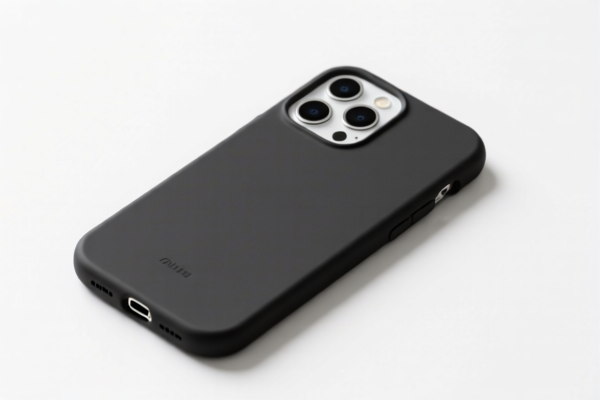
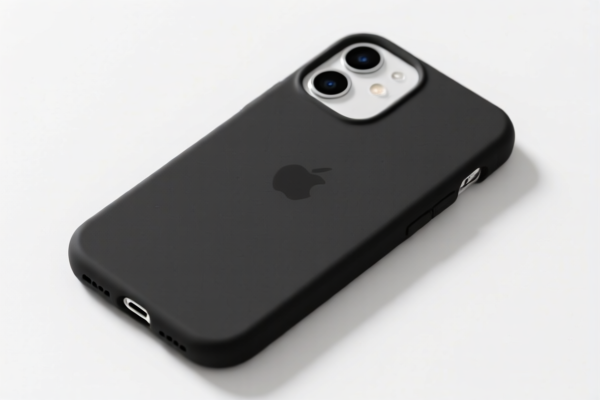
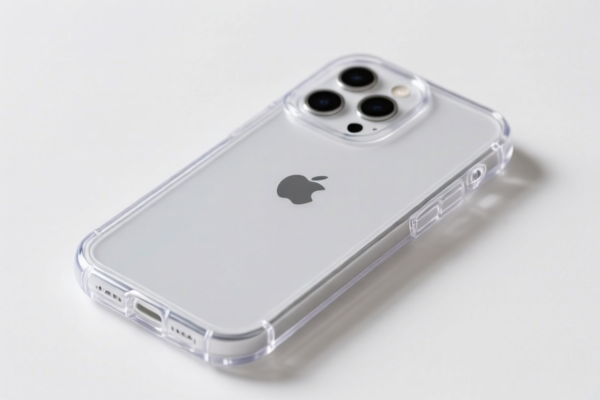
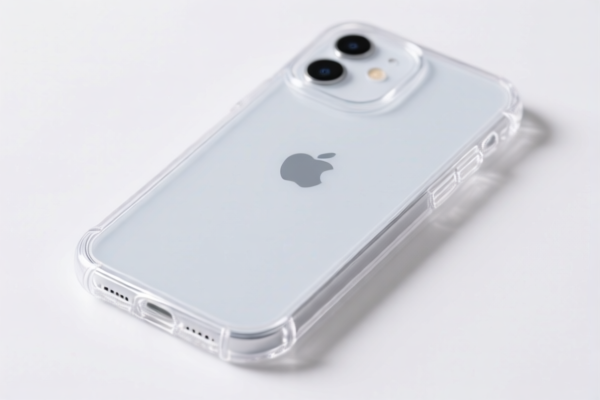
AI Analysis
📱 Phone Cases (Smartphone Protective Covers)
🌐 HS Code Reference & Clearance Guide | 2026 Latest Tariff Analysis | Professional Clearance Strategy 📌 I. Product Definition & Classification: What Exactly Is a "Phone Case"?
A phone case is a protective accessory designed to shield smartphones from drops, scratches, and wear. In international trade, the classification depends heavily on the material composition and the functional intent. They are generally categorized under plastics, rubber products, or electronics accessories.
⚠️ Key Classification Logic:
- If made primarily of Plastic or TPU → Falls under Chapter 39 (Plastics). - If made primarily of Rubber (Vulcanized) → Falls under Chapter 40 (Rubber). - If considered a Part/Accessory for Communication Equipment → Falls under Chapter 85 (Electrical Machinery).Note: The choice of HS Code drastically impacts the total tax burden, ranging from ~21% to nearly 68%.
📦 II. HS Code Classification Details (Based on Provided Data)
| HS Code | Product Description | Material Inference | Category Logic |
|---|---|---|---|
3926.90.99.89 |
Plastic Phone Cases | Plastic | Other plastic articles; specific accessory/casing classification. |
3926.90.99.50 |
Plastic/TPU Cases | Plastic or TPU | Other plastic articles; "Catch-all" for plastic protective covers. |
4016.99.05.00 |
Rubber/Vulcanized Cases | Vulcanized Rubber | Other vulcanized rubber articles; categorized under household/personal items. |
4016.99.60.50 |
Rubber/Plastic Cases | Rubber or Plastic | Other vulcanized rubber articles; "Catch-all" for rubber制品. |
8517.79.00.00 |
Communication Accessories | Plastic or Silicone | Parts and accessories for telephones/communication devices. |
🔍 Critical Insight:
- Plastic cases generally attract lower base tariffs (5.3%) but are subject to standard trade war penalties. - Rubber cases may have lower base tariffs (2.5% or 3.4%) but can face higher specific surcharges depending on the subheading. - Chapter 85 (Electronics) cases face the highest total tax (67.5%) due to heavy steel/aluminum surcharges in some contexts, despite a 0% base tariff. Avoid this unless strictly necessary.
💰 III. 2026 Latest Tariff Rate Breakdown (Including Surcharges & Policies)
✅ Applicable Country: United States (US)
✅ Origin: China (CN)
✅ Effective Time: Current Trade War Policies (Section 301 / IEEPA)
🎯 1. 3926.90.99.89 & 3926.90.99.50 — Plastic/TPU Phone Cases
These are the most common classifications for standard plastic and TPU cases.
| Item | Content |
|---|---|
| Base Tariff | 5.3% |
| Section 301 Surtax | +7.5% (Standard trade war penalty) |
| IEEPA Surcharge (Section 122) | +10% (Specific Chinese product surcharge) |
| Total Tax Rate | 22.8% |
| Calculation Basis | CIF Value × 22.8% |
| De Minimis Eligibility | ❌ No (High tax rate typically denies de minimis exemption for B2B, but may vary for individual parcels; however, commercial clearance requires full tax.) |
| Legal Basis Path | USITC:3926.90.99.50/89 → IEEPA:9903.01.24 → USITC:Footnote for Section 301 |
📌 Explanation:
- The 5.3% is the standard MFN (Most Favored Nation) rate for other plastic articles. - The 7.5% is part of the ongoing Section 301 tariffs on Chinese goods. - The 10% is an additional IEEPA surcharge applied to specific Chinese-origin consumer goods. - Total: 22.8%. This is the recommended classification for standard plastic cases to balance cost and clarity.
🎯 2. 4016.99.05.00 — Vulcanized Rubber Phone Cases
Categorized under household/personal rubber items.
| Item | Content |
|---|---|
| Base Tariff | 3.4% |
| Section 301 Surtax | +7.5% |
| IEEPA Surcharge (Section 122) | +10% |
| Total Tax Rate | 20.9% |
| Calculation Basis | CIF Value × 20.9% |
| De Minimis Eligibility | ❌ No |
| Legal Basis Path | USITC:4016.99.05.00 → IEEPA:9903.01.25 → FOOTNOTE:9903.88.01 |
📌 Explanation:
- Rubber cases can offer a slight saving (20.9% vs 22.8%) compared to plastic if classified here. - However, ensure the material is genuinely vulcanized rubber. If it’s TPU (Thermoplastic Polyurethane), it must go to Chapter 39. Misclassification can lead to penalties.
🎯 3. 4016.99.60.50 — Rubber/Plastic "Catch-All" Rubber Articles
A broader category for rubber制品 that don’t fit specific household categories.
| Item | Content |
|---|---|
| Base Tariff | 2.5% |
| Section 301 Surtax | +25.0% (Higher specific surcharge for this subheading) |
| IEEPA Surcharge (Section 122) | +10% |
| Total Tax Rate | 37.5% |
| Calculation Basis | CIF Value × 37.5% |
| De Minimis Eligibility | ❌ No |
| Legal Basis Path | USITC:4016.99.60.50 → IEEPA:9903.01.25 |
📌 Warning:
- Although the base tariff is lower (2.5%), the Section 301 surcharge is much higher (25%), leading to a much higher total (37.5%). - Avoid this HS code unless you are certain the product is a specific type of rubber article not covered by the 20.9% category.
🎯 4. 8517.79.00.00 — Parts/Accessories for Telephones
Categorized as an electrical accessory.
| Item | Content |
|---|---|
| Base Tariff | 0.0% |
| Section 301 Surtax | +7.5% |
| IEEPA Surcharge (Section 122) | +10% |
| Steel/Aluminum Surcharge | +50% (If applicable to components) |
| Total Tax Rate | 67.5% |
| Calculation Basis | CIF Value × 67.5% |
| De Minimis Eligibility | ❌ No |
| Legal Basis Path | USITC:8517.79.00.00 → IEEPA:9903.01.24 → Steel/Aluminum Footnotes |
🚨 Critical Warning:
- DO NOT USE THIS CODE for standard phone cases. - While the base rate is 0%, the combination of trade war tariffs and potential steel/aluminum surcharges (50%) results in a massive 67.5% tax. - This code is typically for electronic parts (circuit boards, connectors), not passive plastic/rubber covers. Using it is risky and expensive.
🛠️ IV. Clearance Practical Advice (Pitfall Avoidance Guide)
✅ 1. Material Declaration is Key
| Material | Recommended HS Code | Total Tax | Reason |
|---|---|---|---|
| Plastic / TPU / PVC | 3926.90.99.50 or .89 |
22.8% | Standard plastic articles. Lowest stable rate. |
| Vulcanized Rubber | 4016.99.05.00 |
20.9% | Slightly cheaper, but material must be proven rubber. |
| Silicone (Liquid) | Check if 4016.99.05.00 applies |
20.9% | If considered rubber-like. Otherwise, may fall under plastic (3926) at 22.8%. |
| Hybrid (Plastic+Rubber) | 3926.90.99.50 |
22.8% | If plastic is the primary material or defining characteristic. |
📌 Tip:
- TPU (Thermoplastic Polyurethane) is technically a plastic. Do not classify as rubber (4016) just because it’s flexible. Use Chapter 39. - Silicone can be tricky. If it’s liquid silicone rubber (LSR), it might qualify for4016.99.05.00(20.9%). If it’s general silicone, customs may default to plastic (3926) at 22.8%. Consult a broker for silicone-specific rulings.
✅ 2. Documentation Checklist
| Document | Requirement | Purpose |
|---|---|---|
| Product Description | Must specify Material (e.g., "TPU Phone Case", "Vulcanized Rubber Cover") | Determines HS Code. |
| Material Composition | % of plastic vs. rubber | Critical for Chapter 39 vs. 40 distinction. |
| Function | "Protective Cover", "Not an Electronic Accessory" | Prevents misclassification under 8517. |
| Photos | Clear images of texture, flexibility, and branding | Helps customs officers visually verify material. |
| Supplier Declaration | Certificate of Material Origin & Type | Supports claims for 4016 (Rubber) vs 3926 (Plastic). |
✅ 3. Clearence Tips (Key Mantras)
🔥 "Material is King, Don't Go Electronic, Save 1% if Rubber"
| Scenario | Correct Action | Wrong Action |
|---|---|---|
| Standard Plastic Case | 3926.90.99.50 (22.8%) |
8517.79.00.00 (67.5%) → Huge Loss |
| Flexible Silicone Case | Check if 4016.99.05.00 (20.9%) applies |
Assume it's plastic (22.8%) → Missed Saving |
| "Smart" Case (with electronics) | May require 8517 but Check Steel Surcharge |
Ignore additional 50% steel/aluminum tax |
| Mixed Materials | Use primary material | Guessing → Audit Risk |
🌍 V. Global Clearance Comparison (2026 Update)
| Market | Recommended HS Code | Est. Total Tax | Notes |
|---|---|---|---|
| 🇺🇸 United States | 3926.90.99.50 |
22.8% | Includes 7.5% + 10% surcharges. |
| 🇪🇺 European Union | 3926.90.99 |
Varies (0-6.5%) | Lower base tariffs, but VAT applies. No Section 301. |
| 🇨🇳 China (Import) | 3926.90.99 |
~5-10% | CCC certification may be required for certain plastics. |
| 🇬🇧 United Kingdom | 3926.90.99 |
~6.5% | Post-Brexit tariffs apply. |
📌 Conclusion:
- The US market is the most expensive for phone cases due to layered surcharges. - Plastic (Chapter 39) is the safest and most common classification, offering a predictable 22.8% rate. - Rubber (Chapter 40) offers a slight saving (20.9%) but requires strict material verification.
📌 VI. Common Errors & Pitfalls (Blood & Tears Lessons)
❌ Error 1: Classifying a plastic case as an electronic accessory (8517.79.00.00) to get "0%" base tariff.
👉 Consequence: 67.5% total tax! Plus, high audit risk.
👉 Fix: Stick to 3926 or 4016.
❌ Error 2: Calling silicone "Rubber" without proof.
👉 Consequence: Customs may reclassify as plastic (3926) → 22.8%.
👉 Fix: If unsure, declare as plastic to avoid penalty, or get a lab test for 4016.
❌ Error 3: Using 4016.99.60.50 for standard cases.
👉 Consequence: 37.5% tax due to higher 25% surcharge.
👉 Fix: Use 4016.99.05.00 (20.9%) if it fits, otherwise 3926.
❌ Error 4: Vague descriptions like "Phone Case".
👉 Consequence: Customs will assign the highest default rate.
👉 Fix: Always specify: "Protective Cover, Made of TPU Plastic".
✅ Correct Description Example:
"Protective Smartphone Case, Material: 100% TPU (Thermoplastic Polyurethane), Color: Black, Model: XYZ, For iPhone 15"
HS Code:3926.90.99.50
Tax: 22.8%
🎯 VII. Conclusion: Professional Classification, Cost Savings!
🎯 Remember the Mantra:
🔹 "Plastic = 3926 (22.8%) | Rubber = 4016.05 (20.9%) | Avoid 8517 (67.5%)!"
🔹 "TPU is Plastic, Not Rubber. Silicone? Check Carefully."
🔹 "Describe Material, Not Just Function. Save Money, Avoid Audits."
📌 Pro Tip:
- For Silicone Cases, try to get a material lab report proving it's liquid silicone rubber to qualify for the 20.9% rate (4016.99.05.00). If not, default to 22.8% (3926.90.99.50).
- Always apply for a Binding Ruling if shipping large volumes, to lock in the HS Code and tax rate.
📣 Immediate Action:
📞 Work with a Customs Broker: Confirm material composition.
📝 Label Accurately: "TPU Plastic Case" or "Vulcanized Rubber Case".
🚀 Optimize Costs: Choose3926or4016.05to keep taxes under 23%.
✨ Professional Clearance Starts with Precise Classification!
💼 Every Percent Saved is Pure Profit!
Customer Reviews
About HS Code Classification
The Harmonized System (HS) is an internationally standardized nomenclature developed by the World Customs Organization (WCO) to classify traded products. Over 200 countries use the HS system as the basis for customs tariffs, trade statistics, and import/export regulations.
Each HS code follows a hierarchical structure:
- Chapter (2 digits) — Broad category of goods (e.g., Chapter 84: Machinery and Mechanical Appliances)
- Heading (4 digits) — More specific grouping within the chapter
- Subheading (6 digits) — Internationally standardized breakdown, used by all WCO member countries
- National subdivisions (8-10 digits) — Country-specific extensions for further classification, such as US HTSUS 10-digit codes
Correct HS code classification is essential for smooth customs clearance, accurate duty payment, and compliance with trade regulations. Misclassification can lead to customs delays, overpayment of duties, or penalties.
When importing from CN to US, the applicable tariff rates may include:
- Most-Favored-Nation (MFN) rate — The standard duty rate applied to WTO members
- General rate — Applied to countries without trade agreements
- Trade remedy duties — Additional tariffs such as Section 301 (anti-dumping), Section 232 (national security), or countervailing duties
The information provided on this page is for reference purposes only. For official classification, please consult with your local customs authority or a licensed customs broker.