photo frame painting set
CN → US| HS Code | Tariff Rate | Origin | Destination | Doc |
|---|---|---|---|---|
| 4414900000 | 21.4% | CN | US | Official Doc |
| 3926400090 | 15.3% | CN | US | Official Doc |
| 4414100000 | 21.4% | CN | US | Official Doc |
| 9602005080 | 20.2% | CN | US | Official Doc |
| 3926905000 | 21.3% | CN | US | Official Doc |
Product Images
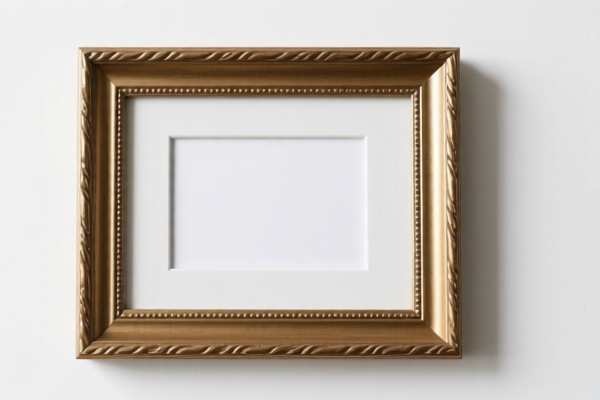
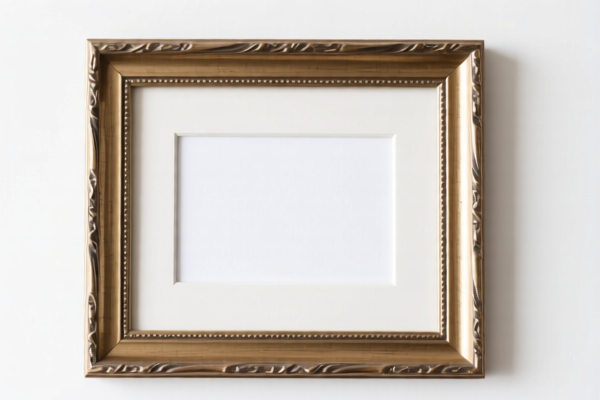

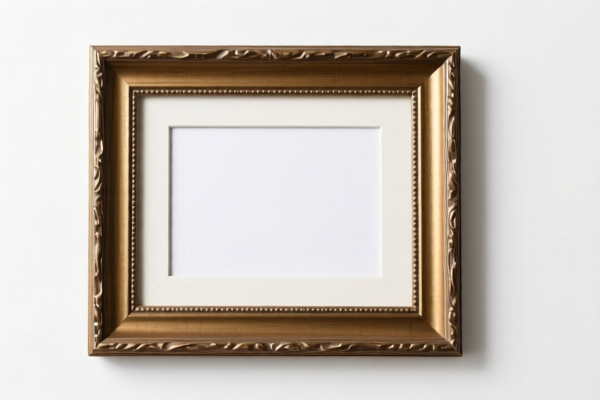
AI Analysis
🖼️ Photo Frame Painting Set (Decorative Frames)
🌐 HS Code Reference & Customs Clearance Guide | 2026 Latest Tariff Analysis | Professional Clearance Strategy
📌 I. Product Definition & Classification: Do You Truly Understand "Photo Frame Painting Sets"?
Photo frame painting sets are decorative goods used for displaying photographs or artwork. In international trade, their classification depends heavily on the material composition and manufacturing process. Misclassification can lead to significant tariff discrepancies, especially under current US trade policies.
⚠️ Key Distinction Point:
- If made of Wood: Generally falls under Chapter 44. - If made of Plastic/Other Non-Metal: Generally falls under Chapter 39. - If Carved/Molded: May fall under Chapter 96 (Artwork/Carvings). - ⚠️ Note: "122 Clauses" (Section 301 tariffs) are actively applied to these categories, significantly impacting landed cost.
📦 II. HS Code Classification Details (2026 Latest Tariff Authority Match)
| HS Code | Product Description | Material/Feature | Total Tax Rate* | Tax Detail Breakdown |
|---|---|---|---|---|
4414.90.00.00 |
Wooden picture frames, suitable for painting or photo display | Wooden | 21.4% | Base: 3.9%, Retaliatory: 7.5%, Sec 301 (122): 10% |
3926.40.00.90 |
Decorative frames made of plastic or other non-metal materials | Plastic/Non-Metal | 15.3% | Base: 5.3%, Retaliatory: 0.0%, Sec 301 (122): 10% |
4414.10.00.00 |
Wooden picture frames meeting specific frame classification requirements | Wooden | 21.4% | Base: 3.9%, Retaliatory: 7.5%, Sec 301 (122): 10% |
9602.00.50.80 |
Carved or molded frames from processed wood, plastic, or mineral materials | Carved/Molded | 20.2% | Base: 2.7%, Retaliatory: 7.5%, Sec 301 (122): 10% |
3926.90.50.00 |
Framed painting sets made of plastic, classified as other plastic articles | Plastic (Other) | 21.3% | Base: 3.8%, Retaliatory: 7.5%, Sec 301 (122): 10% |
🔍 Important Reminder:
- Wooden Frames (4414.xx) generally incur a 21.4% total tax rate due to the combination of base duties and retaliatory tariffs. - Plastic Frames (3926.40) offer a lower total rate of 15.3% because they are exempt from the "Retaliatory" portion, though still subject to the "122 Clause" (Section 301). - Carved/Molded Items (9602) have a lower base tax but still face the full 7.5% retaliatory and 10% Section 301 tariffs.
💰 III. 2026 Latest Tariff Rate Breakdown (Including Add-ons & Policy Surcharges)
✅ Applicable Country: United States (US)
✅ Origin: China (CN)
✅ Validity: Current as of 2026 Import Regulations
🎯 1. 4414.90.00.00 / 4414.10.00.00 —— Wooden Picture Frames
| Item | Content |
|---|---|
| Base Duty Rate | 3.9% (ad valorem) |
| Retaliatory Tariff | +7.5% (Targeted counter-measure) |
| Section 301 (122 Clause) | +10% (Specific US trade policy surcharge) |
| Total Effective Rate | 21.4% |
| Tax Calculation | CIF Value × 21.4% |
| De Minimis Exemption? | ❌ No (Denied for Section 301 goods) |
| Legal Basis Path | USITC:4414 → Retaliatory:7.5 → Sec301:10 |
📌 Explanation:
- Wooden frames are classified under Chapter 44. The 21.4% rate is a cumulative burden. - Even if the base duty is low (3.9%), the 17.5% in additional tariffs (7.5% + 10%) makes this category expensive.
🎯 2. 3926.40.00.90 —— Plastic/Non-Metal Decorative Frames
| Item | Content |
|---|---|
| Base Duty Rate | 5.3% (ad valorem) |
| Retaliatory Tariff | +0.0% (Exempt from retaliatory list) |
| Section 301 (122 Clause) | +10% (Subject to Section 301) |
| Total Effective Rate | 15.3% |
| Tax Calculation | CIF Value × 15.3% |
| De Minimis Exemption? | ❌ No |
| Legal Basis Path | USITC:3926.40 → Sec301:10 |
📌 Note:
- This is the most cost-effective classification for plastic frames. - Savings of 6.1% compared to wooden frames (21.4%-15.3%).
🎯 3. 9602.00.50.80 —— Carved or Molded Frames
| Item | Content |
|---|---|
| Base Duty Rate | 2.7% (ad valorem) |
| Retaliatory Tariff | +7.5% |
| Section 301 (122 Clause) | +10% |
| Total Effective Rate | 20.2% |
| Tax Calculation | CIF Value × 20.2% |
| De Minimis Exemption? | ❌ No |
| Legal Basis Path | USITC:9602 → Retaliatory:7.5 → Sec301:10 |
📌 Note:
- Applies to frames that are carved, molded, or cast (artistic value). - Lower base rate (2.7%) helps, but the additional tariffs still push the total to 20.2%.
🎯 4. 3926.90.50.00 —— Other Plastic Framed Sets
| Item | Content |
|---|---|
| Base Duty Rate | 3.8% (ad valorem) |
| Retaliatory Tariff | +7.5% |
| Section 301 (122 Clause) | +10% |
| Total Effective Rate | 21.3% |
| Tax Calculation | CIF Value × 21.3% |
| De Minimis Exemption? | ❌ No |
| Legal Basis Path | USITC:3926.90 → Retaliatory:7.5 → Sec301:10 |
📌 Note:
- Use this for plastic frames that do not fit the specific "decorative frames" subheading (3926.40). - Rate is nearly identical to wooden frames.
🛠️ IV. Customs Clearance Practical Advice (Real-World Pitfall Guide)
✅ 1. Preparation Checklist (Mandatory)
| Document | Required | Explanation |
|---|---|---|
| ✅ Product Specifications | ✔️ | Material type (Wood/Plastic), dimensions, weight. |
| ✅ Material Composition Statement | ✔️ | Critical for distinguishing between 4414 (Wood) and 3926 (Plastic). |
| ✅ Product Photos | ✔️ | Clear images of the frame, any carvings, and packaging. |
| ✅ Commercial Invoice | ✔️ | Must accurately describe the item as "Photo Frame" or "Decorative Frame." |
| ✅ Packing List | ✔️ | Detail contents to avoid "Undeclared Goods" flags. |
✅ 2. Classification Strategy (Key Mnemonic)
🔥 "Material First, Carving Second, Plastic Saves, Wood Costs!"
| Scenario | Correct HS Code | Tax Rate | Common Mistake |
|---|---|---|---|
| Simple Wooden Frame | 4414.90.00.00 |
21.4% | Misdeclaring as plastic → Penalty |
| Simple Plastic Frame | 3926.40.00.90 |
15.3% | Misdeclaring as wood → Overpay 6.1% |
| Artistic Carved Frame | 9602.00.50.80 |
20.2% | Misdeclaring as "wooden frame" → 21.4% |
| Mixed Material Set | Check Main Material | Varies | Ignoring dominant material → Delay |
✅ 3. Special Circumstances
| Situation | Handling Advice |
|---|---|
| Mixed Material Frame | If wood/plastic mixed, classify based on essential character (usually the main structural material). |
| Painted/Decorated | If the frame is primarily a carrier for art, ensure it's declared as the frame, not the art (if art is separate). |
| Kit Sets | If sold as a "DIY Frame Kit," ensure components are declared correctly. |
| Origin Marking | Ensure all items are marked "Made in China" to comply with Section 301 enforcement. |
🌍 V. Global Market Comparison (2026 Update)
| Country/Region | Recommended HS Code | Est. Duty (China Origin) | Key Certification | Notes |
|---|---|---|---|---|
| 🇺🇸 USA | 3926.40.00.90 |
15.3% | None specific | High Section 301 impact; Plastic is cheaper |
| 🇪🇺 EU | 4414.90 / 3926.90 |
0% - 4% | CE (if plastic) | No Section 301 tariffs |
| 🇨🇦 Canada | 4414.90 / 3926.90 |
0% - 5% | None | CUSMA benefits may apply if non-Chinese |
| 🇬🇧 UK | 4414.90 / 3926.90 |
4% - 8% | UKCA | Post-Brexit rules apply |
| 🇦🇺 Australia | 4414.90 / 3926.90 |
5% | None | No retaliatory tariffs |
📌 Conclusion:
- The USA is the only major market imposing significant punitive tariffs (122 Clauses) on these goods. - Plastic frames (3926.40) are the most tariff-efficient option for the US market.
📌 VI. Common Errors & Pitfalls (Lessons Learned)
❌ Error 1: Declaring Wooden Frames as "Home Decor" without specifying material.
👉 Consequence: Customs may reclassify to a higher duty rate or require detailed material proof.
❌ Error 2: Using 3926.40 for Wooden Frames.
👉 Consequence: Misclassification Fraud. Leads to penalties, seizure, or future audits.
❌ Error 3: Ignoring the "Carved" aspect for 9602.
👉 Consequence: If a frame is distinctly carved/molded, declaring it as a simple wooden frame (4414) might be incorrect if the artistic value is primary.
❌ Error 4: Assuming De Minimis applies.
👉 Consequence: Section 301 goods are EXCLUDED from de minimis exemptions in the US. Even small shipments are taxed.
✅ Correct Practice:
"Decorative Wooden Picture Frame, 8x10 inch, Solid Pine, Unpainted, Model XYZ"
"Plastic Decorative Frame Set, 5 Piece, Matte Black, Model ABC"
🎯 VII. Conclusion: Smart Classification, Lower Costs!
🎯 Remember the Mnemonic:
🔹 "Wood is 21.4%, Plastic is 15.3%, Carved is 20.2%, Don't Guess, Check the Base!"
🔹 "Section 301 hits all, but Retaliation spares Plastic! Save 6% by choosing Right!"
📌 Pro Tip:
- For Plastic Frames, always verify if they fit
3926.40.00.90vs3926.90.50.00. The former is cheaper.- Always prepare material composition reports to justify your HS Code choice during US customs audits.
- Consider pre-classification rulings if your frame design is unique (e.g., mixed materials).
📣 Immediate Action:
📞 Contact a Licensed Customs Broker + Provide Material Specs + Verify 2026 Tariff Tables
🚀 Optimize Your Supply Chain to Beat the 122 Clauses!
✨ Professional Customs Clearance Starts with Accurate Classification!
💼 Every Percentage Point Saved is Pure Profit!
Customer Reviews
About HS Code Classification
The Harmonized System (HS) is an internationally standardized nomenclature developed by the World Customs Organization (WCO) to classify traded products. Over 200 countries use the HS system as the basis for customs tariffs, trade statistics, and import/export regulations.
Each HS code follows a hierarchical structure:
- Chapter (2 digits) — Broad category of goods (e.g., Chapter 84: Machinery and Mechanical Appliances)
- Heading (4 digits) — More specific grouping within the chapter
- Subheading (6 digits) — Internationally standardized breakdown, used by all WCO member countries
- National subdivisions (8-10 digits) — Country-specific extensions for further classification, such as US HTSUS 10-digit codes
Correct HS code classification is essential for smooth customs clearance, accurate duty payment, and compliance with trade regulations. Misclassification can lead to customs delays, overpayment of duties, or penalties.
When importing from CN to US, the applicable tariff rates may include:
- Most-Favored-Nation (MFN) rate — The standard duty rate applied to WTO members
- General rate — Applied to countries without trade agreements
- Trade remedy duties — Additional tariffs such as Section 301 (anti-dumping), Section 232 (national security), or countervailing duties
The information provided on this page is for reference purposes only. For official classification, please consult with your local customs authority or a licensed customs broker.