picnic mat
CN → US| HS Code | Tariff Rate | Origin | Destination | Doc |
|---|---|---|---|---|
| 6304996040 | 20.7% | CN | US | Official Doc |
| 6304920000 | 23.8% | CN | US | Official Doc |
| 3924905650 | 20.9% | CN | US | Official Doc |
| 3924901050 | 13.3% | CN | US | Official Doc |
| 4202923900 | 52.6% | CN | US | Official Doc |
Product Images

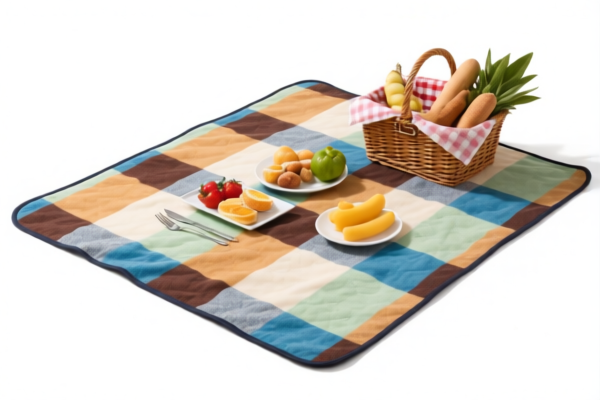
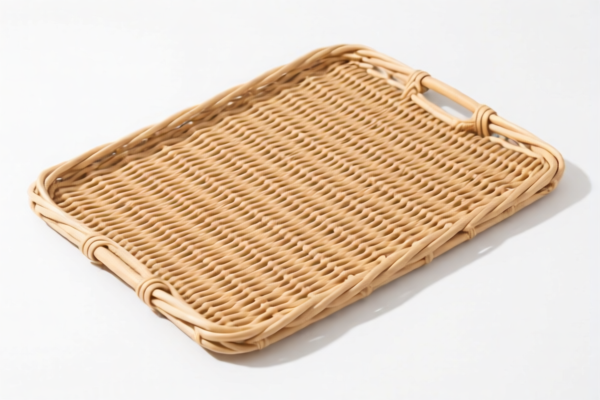
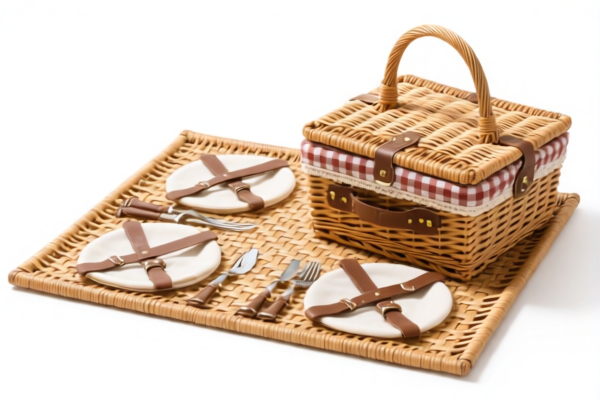
AI Analysis
🧺 Picnic Mat: The Ultimate Trade & Customs Guide (2026 Edition)
🌐 HS Code Reference & Clearance Strategy | 2026 Tariff Deep Dive | Expert Compliance
📌 Section 1: Product Definition & Classification — Do You Really Know Your "Picnic Mat"?
A Picnic Mat is a portable textile, plastic, or composite product designed for outdoor use, primarily for sitting or spreading out food during recreational activities. In international trade, its classification is highly sensitive to the material composition and construction method. A single word change in your description (e.g., "textile" vs. "plastic") can swing your tariff from 13.3% to 52.6%!
Key Distinction: * Textile Mats (Woven/Knitted): Usually fall under Chapter 63 (Textile articles). * Plastic/Coated Mats: Often fall under Chapter 39 (Plastics). * Luggage/Container Mats: Mats with distinct carrying cases or specialized outer layers can fall under Chapter 42 (Travel goods), triggering the highest tariffs.
⚠️ Critical Classification Trap:
- If the mat is solely a spreader with no outer shell/case, it is likely 6304 or 3924.
- If the mat has an outer surface of textile or plastic sheeting AND is designed as a portable装备 (equipment) with carrying features, it risks 4202.92.39.00 (52.6% tariff!).
- Do not assume "all mats" are the same. The material defines the code.
📦 Section 2: HS Code Classification Details (2026 Official Tariff Book)
| HS Code | Product Description | Material Composition | Applicable Tax Rate |
|---|---|---|---|
6304.99.60.40 |
Non-silk/non-wool textile picnic mats | Woven/Knitted fabrics (Cotton, Poly, etc.) | 20.7% |
6304.92.00.00 |
Non-knitted cotton or other fabric mats | Cotton or non-knitted woven fabric | 23.8% |
3924.90.56.50 |
Plastic (PE/EVA) home/outdoor mats | 100% Plastic (PE/EVA) | 20.9% |
3924.90.10.50 |
Plastic or synthetic fiber mats | Plastic/Synthetic fiber blend | 13.3% ⭐ Lowest Tax |
4202.92.39.00 |
Portable gear with textile/plastic outer | Textile or Plastic outer + Portable structure | 52.6% ⚠️ Highest Risk |
🔍 Focus Alert:
-3924.90.10.50is your best-case scenario (13.3% total). Ensure the material mix is strictly "Plastic/Synthetic" and not a "Portable Gear" item.
-4202.92.39.00is the killer code (52.6%). Avoid this if your product is just a flat mat; this code is for mats that look like "travel bags" or "suitcases" with textile/plastic exteriors.
💰 Section 3: 2026 Tariff Rate Breakdown (Including Surcharges & Policy Add-ons)
✅ Applicable Market: USA (US)
✅ Country of Origin: China (CN)
✅ Effective Date: Current (Based on 2025/2026 Trade Framework)
🎯 1. 6304.99.60.40 & 6304.92.00.00 (Textile Mats)
These codes cover traditional fabric and cotton picnic mats.
| Item | Content |
|---|---|
| Base Duty (MFN) | 3.2% (for 6304.99...) / 6.3% (for 6304.92...) |
| Section 301 "Section 232" (Add-on) | +7.5% (Section 301 retaliation tax) |
| "122 Clause" (China Specific) | +10% (Section 301 "China" specific surcharge) |
| Total Tariff | 20.7% (Textile) / 23.8% (Cotton) |
| Calculation | CIF Value × Total Rate |
| De Minimis Exemption | ❌ NO (Cannot use Section 321/8603 exemption) |
📌 Explanation:
Textile mats face the standard Section 301 "China" surcharge (7.5%) plus the specific "122 Clause" (10%). - Total = Base + 7.5% + 10%. - Even cotton mats (6304.92) have a slightly higher base (6.3%) due to the specific material type.
🎯 2. 3924.90.56.50 (Pure Plastic/PE/EVA Mats)
Pure plastic outdoor mats.
| Item | Content |
|---|---|
| Base Duty | 3.4% |
| Section 301 (Add-on) | +7.5% |
| "122 Clause" | +10% |
| Total Tariff | 20.9% |
| De Minimis Exemption | ❌ NO |
📌 Note: Even though plastic is often cheaper to classify, the Section 301 and 122 Clause apply equally to plastic home goods from China.
🎯 3. 3924.90.10.50 (Plastic/Synthetic Fiber Mats)
The most favorable classification for mixed materials.
| Item | Content |
|---|---|
| Base Duty | 3.3% |
| Section 301 (Add-on) | 0.0% (Specific exemption for this subheading) |
| "122 Clause" | +10% |
| Total Tariff | 13.3% ⭐ LOWEST |
| De Minimis Exemption | ❌ NO |
📌 Strategic Insight:
This is the Golden Ticket. Notice the 0.0% Section 301 surcharge! - Why? Likely because this specific subheading (3924.90.10) covers items that are not strictly "hard" plastic or have a specific synthetic fiber composition that avoids the heavy 301 retaliation. - Strategy: If your product is a mix of plastic and synthetic fiber (not pure cotton/textile), try to qualify for3924.90.10.50.
🎯 4. 4202.92.39.00 (Portable Gear with Outer Surface)
The High-Risk classification. Used if the mat is marketed as a "Travel Bag" or has a distinct outer shell.
| Item | Content |
|---|---|
| Base Duty | 17.6% (Highest Base) |
| Section 301 (Add-on) | +25.0% (Maximum Section 301 Rate) |
| "122 Clause" | +10% |
| Total Tariff | 52.6% ⚠️ CATASTROPHIC |
| De Minimis Exemption | ❌ NO |
📌 Warning:
If your product has a zipper, strap, and outer case that makes it look like a "portable equipment" (Chapter 42), you are hit with the worst possible tariff. - Base (17.6%) + Section 301 (25%) + 122 Clause (10%). - Total 52.6%: This makes the product uncompetitive in the US market unless the value is extremely high.
🛠️ Section 4: Clearance & Customs Strategy (Real-World Tips)
✅ 1. Documentation Checklist (Essential for Success)
| Document | Requirement | Why It Matters |
|---|---|---|
| Product Specification Sheet | ✔️ Must | Define exact material (e.g., "100% Synthetic Fiber" vs. "Cotton"). |
| Material Composition Statement | ✔️ Critical | Proves eligibility for 3924.90.10.50 (0% add-on) vs. 4202 (25% add-on). |
| Product Photos (Flat & Rolled) | ✔️ Must | Show if it has a case/outer shell. If it looks like a bag, avoid 4202. |
| Bill of Materials (BOM) | ✔️ Optional but Recommended | Helps Customs verify if the outer layer is textile or plastic. |
| Commercial Invoice | ✔️ Must | Clearly state: "Picnic Mat, Material: [X], Usage: Outdoor Sitting." |
| HS Code Pre-Ruling | ✔️ Highly Recommended | Request a binding ruling from CBP before shipment to avoid 52.6% surprise. |
✅ 2. Declaration Strategy (The "Golden Rule")
🔥 The Rule: "Material First, Form Second. Avoid 'Portable Gear' if possible."
| Scenario | Correct Declaration | Incorrect Declaration (Risky) |
|---|---|---|
| Cotton/Textile Mat | 6304.92.00.00 |
4202.92.39.00 (52.6%!) |
| Plastic/Synthetic Mat | 3924.90.10.50 |
6304.99.60.40 (Higher tax) |
| Mat with Case | Risk High: Try to argue it's a "spreadable mat" not a "bag" | 4202.92.39.00 (52.6%!) |
| Mixed Material Mat | Prioritize 3924.90.10.50 |
6304.99.60.40 (20.7%) |
💡 Pro Tip: If your product is a plastic mat with a synthetic fiber backing, DO NOT call it "Textile Mat". Call it "Plastic/Synthetic Composite Mat" and aim for
3924.90.10.50.
✅ 3. Special Case Handling
| Situation | Action Plan |
|---|---|
| Product has a carry bag | Risk: CBP may classify as 4202. Fix: If the bag is removable, ship separately or declare the mat as "non-portable equipment". |
| Product is "Waterproof" | If waterproofing is via plastic coating, lean toward 3924. If it's waxed cotton, lean toward 6304. |
| OEM/White Label | Ensure the invoice says "Picnic Mat" not "Portable Gear" or "Travel Kit". |
| Mixed Shipments | Separate textile mats and plastic mats in the same container? Must declare separately with different HS Codes to avoid misclassification penalties. |
🌍 Section 5: Global Market Comparison (2026)
| Market | Recommended HS Code | Total Tariff (China Origin) | Key Risk |
|---|---|---|---|
| 🇺🇸 USA | 3924.90.10.50 |
13.3% | Misclassification to 4202 (52.6%) |
| 🇪🇺 EU | 6304.99 |
~12% + VAT | "Origin" rules (non-EU) |
| 🇨🇦 Canada | 3924.90 |
~13% + VAT | No Section 301, but strict material testing |
| 🇦🇺 Australia | 3924.90 |
~5% + GST | No Section 301 |
📌 Conclusion:
The USA is the only market with the 122 Clause (+10%) and Section 301 (0% to 25%) complexity.
- USA Strategy: Maximize3924.90.10.50(13.3%) and avoid4202(52.6%).
- Other Markets: Less complex, but still require accurate material declaration.
📌 Section 6: Common Mistakes & How to Avoid Them (Lessons Learned)
❌ Mistake 1: Calling a plastic mat a "Textile Mat" to avoid plastic tariffs.
👉 Result: CBP inspection reveals plastic → Penalty + Higher Tax + Delay.
❌ Mistake 2: Shipping a mat with a case and declaring it as a "blanket" (6304).
👉 Result: CBP sees the case → Reclassifies to 4202.92.39.00 → 52.6% Tax!
❌ Mistake 3: Not declaring the exact material mix.
👉 Result: Cannot claim 3924.90.10.50 (0% add-on) → Forced to 3924.90.56.50 (20.9%).
❌ Mistake 4: Ignoring the "122 Clause" in cost calculations.
👉 Result: Underpriced product → Losing margin on every unit.
✅ Correct Approach:
"Waterproof Picnic Mat, Outer: 100% Synthetic Fiber, Inner: PVC, No Case. Declared as
3924.90.10.50."
🎯 Section 7: Final Verdict & Action Plan
🎯 Remember the Rules:
🔹 Pure Plastic/Synthetic: Aim for
3924.90.10.50(13.3% - Best!)
🔹 Textile/Cotton: Accept6304.92/99(20.7% - 23.8%)
🔹 Portable/Gear with Case: AVOID or expect 52.6% (4202.92.39.00).🔹 "Tax Code is Life": A 1% difference in code can save you $10,000 on a $100,000 shipment.
📌 Action Items:
1. Review your product spec sheet: Does it have a case? Is it 100% plastic or synthetic fiber?
2. Apply for Pre-Ruling: If unsure, get a CBP Pre-Ruling for 3924.90.10.50.
3. Update Invoice Description: Ensure it matches the chosen HS Code exactly.
4. Costing: Re-calculate your landed cost using 13.3% (if possible) vs. 52.6% (worst case).
📣 Immediate Next Step:
🚀 Contact your Customs Broker NOW with the HS Code
3924.90.10.50as your primary target.
🛡️ Protect your margin: Avoid the 52.6% trap!
✨ Precision Classification = Profit Protection!
💼 Don't let a wrong HS Code eat your profit!
Customer Reviews
About HS Code Classification
The Harmonized System (HS) is an internationally standardized nomenclature developed by the World Customs Organization (WCO) to classify traded products. Over 200 countries use the HS system as the basis for customs tariffs, trade statistics, and import/export regulations.
Each HS code follows a hierarchical structure:
- Chapter (2 digits) — Broad category of goods (e.g., Chapter 84: Machinery and Mechanical Appliances)
- Heading (4 digits) — More specific grouping within the chapter
- Subheading (6 digits) — Internationally standardized breakdown, used by all WCO member countries
- National subdivisions (8-10 digits) — Country-specific extensions for further classification, such as US HTSUS 10-digit codes
Correct HS code classification is essential for smooth customs clearance, accurate duty payment, and compliance with trade regulations. Misclassification can lead to customs delays, overpayment of duties, or penalties.
When importing from CN to US, the applicable tariff rates may include:
- Most-Favored-Nation (MFN) rate — The standard duty rate applied to WTO members
- General rate — Applied to countries without trade agreements
- Trade remedy duties — Additional tariffs such as Section 301 (anti-dumping), Section 232 (national security), or countervailing duties
The information provided on this page is for reference purposes only. For official classification, please consult with your local customs authority or a licensed customs broker.