picture frame multi layer
CN → US| HS Code | Tariff Rate | Origin | Destination | Doc |
|---|---|---|---|---|
| 3926905000 | 21.3% | CN | US | Official Doc |
| 3926904800 | 13.4% | CN | US | Official Doc |
| 4421919880 | 38.3% | CN | US | Official Doc |
| 7013999090 | 24.7% | CN | US | Official Doc |
| 4421999880 | 38.3% | CN | US | Official Doc |
Product Images
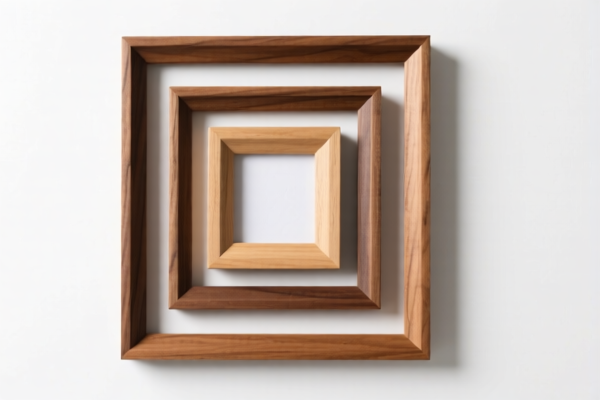
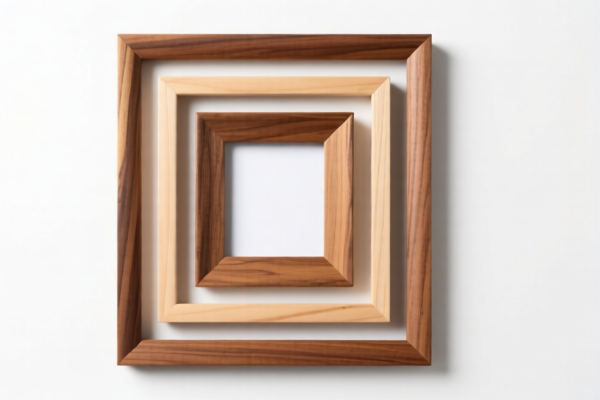
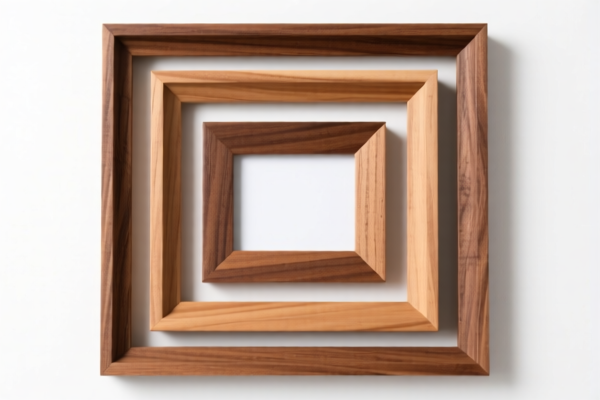
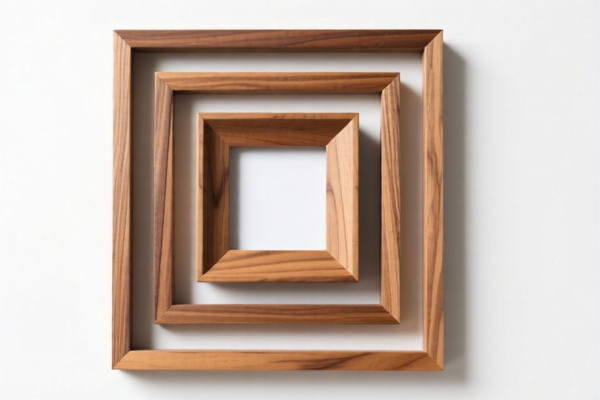
AI Analysis
🖼️ Picture Frame: Multi-Layer (The Ultimate Guide to US Import & Customs Clearance)
🌐 HS Code Reference & Customs Strategy | 2026 Latest Tariff Analysis | Professional Clearance Guide
📌 I. Product Definition: What is a "Multi-Layer Picture Frame"?
A Multi-Layer Picture Frame refers to frames constructed with multiple distinct structural components, often combining different materials to create depth, aesthetic appeal, or specific mounting functions. In international trade, the classification heavily depends on the primary material and intended use.
⚠️ Key Distinction Points:
- Plastic/Mixed Materials: If the main structure is synthetic polymer → Chapter 39
- Wood/Bamboo: If the main structure is wood or bamboo → Chapter 44
- Glass/Decorative: If primarily glass or mixed decorative non-metallic materials → Chapter 70
📦 II. HS Code Classification Details (2026 Latest Tariff Alignment)
Based on the provided dataset, here are the precise classifications for multi-layer picture frames, categorized by material inference:
| HS Code | Product Description & Inference | Primary Material |
|---|---|---|
3926.90.50.00 |
Plastic Photo/Slide Frame: Multi-layer frame, inferred as plastic, used for photograph slides or mounts. | Plastic |
3926.90.48.00 |
Mixed Material Photo Frame: Used for photo albums/frames, made of plastic or other materials. | Plastic/Other |
4421.91.98.80 |
Wooden/Bamboo Multi-Layer Frame: Inferred as wood or bamboo products, classified under other wooden/bamboo items. | Wood/Bamboo |
7013.99.90.90 |
Glass/Decorative Multi-Layer Frame: Used for interior decoration, inferred as glass and other decorative materials. | Glass/Decorative |
4421.99.98.80 |
Wooden Decorative Frame: Inferred as wooden products, classified under other wooden decorative items. | Wood |
🔍 Critical Insight:
- Material determines the Code: A visually similar frame can have vastly different HS codes depending on whether it’s predominantly plastic (3926) or wood (4421).
- Use Matters: Frames specifically for "photo slides" often fall under3926.90.50.00, while general decorative frames fall under broader categories.
💰 III. 2026 Latest Tariff Rate Breakdown (Including Surcharges)
✅ Applicable Country: United States (US)
✅ Origin: China (CN)
✅ Effective Date: Current regulations apply (including Section 301 & Section 122 measures)
🎯 1. 3926.90.50.00 — Plastic Photo Frame (Multi-Layer)
| Item | Detail |
|---|---|
| Base Tariff | 3.8% |
| Additional Tariff (Section 301) | 7.5% |
| Section 122 Tariff | 10% |
| Total Effective Tax Rate | 21.3% |
| Tax Calculation | CIF Value × 21.3% |
| De Minimis Exemption | ❌ Not Applicable (High tariff rate) |
📌 Explanation:
- The 7.5% surcharge is part of the ongoing Section 301 trade remedies.
- The 10% under "Section 122" (often referring to specific import relief or emergency measures) is added.
- Total: 21.3%. This is a moderate-to-high burden for plastic goods.
🎯 2. 3926.90.48.00 — Mixed Material Photo Frame
| Item | Detail |
|---|---|
| Base Tariff | 3.4% |
| Additional Tariff (Section 301) | 0.0% |
| Section 122 Tariff | 10% |
| Total Effective Tax Rate | 13.4% |
| Tax Calculation | CIF Value × 13.4% |
| De Minimis Exemption | ❌ Not Applicable |
📌 Explanation:
- This code offers a significant advantage over3926.90.50.00because it has 0% Section 301 surcharge.
- Only the 10% Section 122 tariff applies.
- Total: 13.4%. This is the lowest tax rate among the plastic/mixed options provided.
🎯 3. 4421.91.98.80 — Wood/Bamboo Multi-Layer Frame
| Item | Detail |
|---|---|
| Base Tariff | 3.3% |
| Additional Tariff (Section 301) | 25.0% |
| Section 122 Tariff | 10% |
| Total Effective Tax Rate | 38.3% |
| Tax Calculation | CIF Value × 38.3% |
| De Minimis Exemption | ❌ Not Applicable |
📌 Explanation:
- Wooden products face the heaviest burden in this dataset.
- The 25% Section 301 surcharge is the standard rate for many Chinese wood products.
- Total: 38.3%. High cost impact; requires careful margin analysis.
🎯 4. 7013.99.90.90 — Glass/Decorative Multi-Layer Frame
| Item | Detail |
|---|---|
| Base Tariff | 7.2% |
| Additional Tariff (Section 301) | 7.5% |
| Section 122 Tariff | 10% |
| Total Effective Tax Rate | 24.7% |
| Tax Calculation | CIF Value × 24.7% |
| De Minimis Exemption | ❌ Not Applicable |
📌 Explanation:
- Glass articles have a higher base rate (7.2%) but lower Section 301 surcharge (7.5%) compared to wood.
- Total: 24.7%. Moderate cost.
🎯 5. 4421.99.98.80 — Wooden Decorative Frame
| Item | Detail |
|---|---|
| Base Tariff | 3.3% |
| Additional Tariff (Section 301) | 25.0% |
| Section 122 Tariff | 10% |
| Total Effective Tax Rate | 38.3% |
| Tax Calculation | CIF Value × 38.3% |
| De Minimis Exemption | ❌ Not Applicable |
📌 Explanation:
- Similar to4421.91.98.80, this wooden decorative item faces the same 38.3% total tariff.
- No difference in tax burden between these two wooden subheadings in this dataset.
🛠️ IV. Customs Clearance Practical Advice (Avoiding Pitfalls)
✅ 1. Material Declaration is Critical
| Scenario | Correct Declaration | Wrong Practice |
|---|---|---|
| Plastic Frame | "Plastic Picture Frame, Multi-Layer" | Vague "Photo Frame" → Risk of misclassification |
| Wood Frame | "Wooden Picture Frame, Multi-Layer" | Claiming "Mixed Material" to avoid 25% tariff → Fraud Risk |
| Glass Frame | "Glass/Decorative Picture Frame" | Ignoring glass content → Classification error |
🔥 Key Tip:
"Material First, Function Second!"
Customs will inspect the primary material to determine the HS Code. If a frame is 70% wood, it cannot be declared as plastic to save on Section 301 duties.
✅ 2. Optimal Cost-Saving Strategy
| Material Option | Total Tax | Recommendation |
|---|---|---|
| Plastic (Mixed) | 13.4% | ✅ Best Choice: Lowest tax burden. Use 3926.90.48.00 if applicable. |
| Plastic (Slide/Special) | 21.3% | ⚠️ Moderate: Use only if design requires 3926.90.50.00. |
| Glass/Decorative | 24.7% | ⚠️ Moderate: Acceptable if aesthetic requires glass. |
| Wood/Bamboo | 38.3% | ❌ Highest Cost: Avoid unless premium pricing justifies it. |
💡 Actionable Advice:
- If you can design the frame using plastic or mixed materials, declare it under3926.90.48.00to save 25% compared to wood.
- Ensure the "mixed material" claim is truthful (e.g., plastic core with decorative elements) to justify3926.90.48.00over3926.90.50.00.
✅ 3. Documentation Checklist
| Document | Required? | Purpose |
|---|---|---|
| ✅ Product Spec Sheet | ✔️ | Detail material composition (e.g., "70% ABS Plastic, 30% Decorative Film") |
| ✅ Material Breakdown | ✔️ | Prove primary material for accurate HS Code assignment |
| ✅ Commercial Invoice | ✔️ | Clearly state "Picture Frame, Multi-Layer" and HS Code |
| ✅ Photos of Product | ✔️ | Show construction layers to support material claim |
| ✅ Origin Certificate | ✔️ | Confirm China origin (triggers Section 301/122) |
🌍 V. Global Market Comparison (2026 Context)
| Market | Recommended HS Code | Est. Total Tax (China Origin) | Notes |
|---|---|---|---|
| 🇺🇸 USA | 3926.90.48.00 |
13.4% | Lowest among options. Includes 10% Section 122. |
| 🇪🇺 EU | Varies by Material | 0% - 6.5% | No Section 301/122. Wood may have anti-dumping duties. |
| 🇨🇳 China | Varies | 0% - 5% | No import tariffs for domestic production, but export duties may apply. |
📌 Conclusion:
- The US market is highly sensitive to material composition due to Section 301 and Section 122 tariffs.
- Plastic/Mixed frames (3926.90.48.00) offer the best cost efficiency at 13.4%.
- Wooden frames are significantly more expensive due to 25% Section 301 surcharge.
📌 VI. Common Errors & Pitfalls (Blood Lessons)
❌ Error 1: Declaring a wooden frame as "Mixed Material" to use 3926.90.48.00
👉 Consequence: Customs audit → Penalty + Back Taxes + Possible seizure.
Fix: Accurate material breakdown.
❌ Error 2: Ignoring the "Multi-Layer" aspect
👉 Consequence: If layers include non-frame components (e.g., electronic elements), classification changes entirely.
Fix: Ensure product is strictly a "frame."
❌ Error 3: Using 3926.90.50.00 for general frames
👉 Consequence: Paying 21.3% instead of 13.4%.
Fix: Use 3926.90.48.00 for general plastic/mixed frames.
✅ Correct Approach:
"Multi-Layer Picture Frame, Composite Material (Plastic Base, Decorative Overlay), for General Photography Use" →
3926.90.48.00
🎯 VII. Conclusion: Smart Classification Saves Money!
🎯 Remember the Rule of Thumb:
🔹 "Plastic Mixed is King (13.4%), Wood is a Drag (38.3%), Glass is Middle Ground (24.7%)."
🔹 "Section 122 Hits Everyone (10%), Section 301 Hits Wood Hard (25%)."
📌 Pro Tip:
If your product is originally Chinese, consider repackaging or minor processing in a third country (if legally compliant) to avoid Section 301/122 tariffs. However, substantial transformation is required to change origin.
📣 Immediate Action:
📞 Consult a Customs Broker to verify material composition for your specific multi-layer frame design.
🚀 Choose the HS Code wisely to minimize your 2026 tax liability.
✨ Professional Clearance Starts with Accurate Classification!
💼 Every Percentage Point Saved is Pure Profit!
Customer Reviews
About HS Code Classification
The Harmonized System (HS) is an internationally standardized nomenclature developed by the World Customs Organization (WCO) to classify traded products. Over 200 countries use the HS system as the basis for customs tariffs, trade statistics, and import/export regulations.
Each HS code follows a hierarchical structure:
- Chapter (2 digits) — Broad category of goods (e.g., Chapter 84: Machinery and Mechanical Appliances)
- Heading (4 digits) — More specific grouping within the chapter
- Subheading (6 digits) — Internationally standardized breakdown, used by all WCO member countries
- National subdivisions (8-10 digits) — Country-specific extensions for further classification, such as US HTSUS 10-digit codes
Correct HS code classification is essential for smooth customs clearance, accurate duty payment, and compliance with trade regulations. Misclassification can lead to customs delays, overpayment of duties, or penalties.
When importing from CN to US, the applicable tariff rates may include:
- Most-Favored-Nation (MFN) rate — The standard duty rate applied to WTO members
- General rate — Applied to countries without trade agreements
- Trade remedy duties — Additional tariffs such as Section 301 (anti-dumping), Section 232 (national security), or countervailing duties
The information provided on this page is for reference purposes only. For official classification, please consult with your local customs authority or a licensed customs broker.