picture frame with backing
CN → US| HS Code | Tariff Rate | Origin | Destination | Doc |
|---|---|---|---|---|
| 4414900000 | 21.4% | CN | US | Official Doc |
| 7020006000 | 40.0% | CN | US | Official Doc |
| 3926909989 | 22.8% | CN | US | Official Doc |
| 4414100000 | 21.4% | CN | US | Official Doc |
| 7020004000 | 41.6% | CN | US | Official Doc |
Product Images
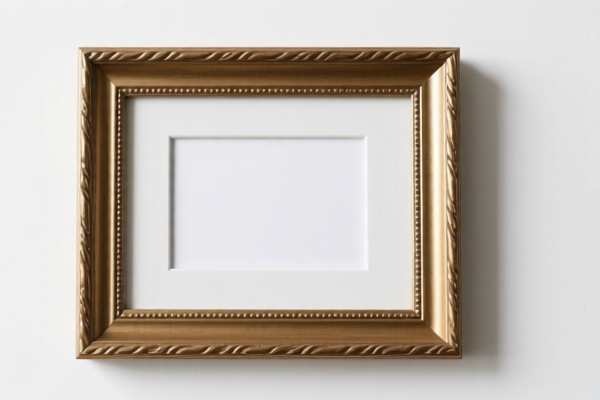
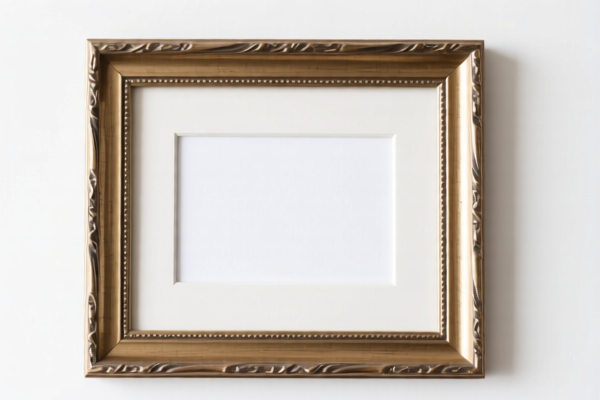

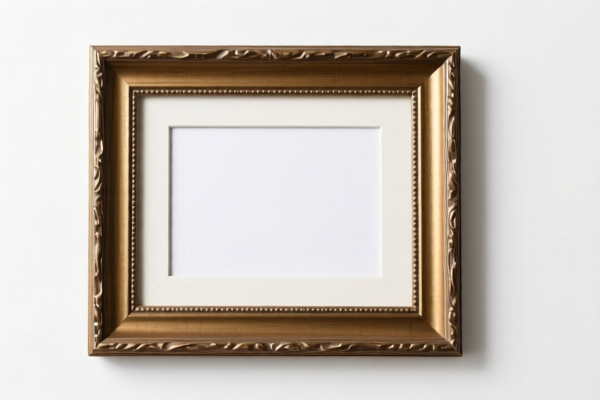
AI Analysis
🖼️ Picture Frame with Backing (Photo Frames)
🌐 HS Code Reference & Customs Clearance Guide | 2026 Latest Tariff Analysis | Professional Clearance Strategy
📌 I. Product Definition & Classification: What is a "Picture Frame with Backing"?
A picture frame with backing is a finished decorative object designed to hold and display photographs, artwork, or documents. In international trade, its classification hinges on material composition and finished state. Since the prompt specifies "with backing," it is classified as a finished good, not a raw material or component.
Key Classification Logic: - Material Dictates HS Code: Customs classification primarily depends on the primary material of the frame structure (Wood, Glass, or Plastic). - Finished State: Items like "backing boards" (cardboard, hardboard, or plastic) are integral to the final product. They do not trigger separate classification but confirm the item is a "finished article."
⚠️ Critical Distinction:
- If the frame is Wood: Falls under Chapter 44 (Wood and Articles of Wood).
- If the frame is Glass: Falls under Chapter 70 (Glass and Articles of Glass).
- If the frame is Plastic: Falls under Chapter 39 (Plastics and Articles Thereof).
📦 II. HS Code Classification Details (Based on Provided Data)
| HS Code | Product Description | Material Inference | Total Tax Rate |
|---|---|---|---|
4414.90.00.00 |
Other wooden picture frames (General Wood) | Wood (Non-tropical) | 21.4% |
4414.10.00.00 |
Picture frames of tropical wood | Wood (Tropical) | 21.4% |
7020.00.60.00 |
Other glass articles (Glass Frame/Glass Cover) | Glass / Plastic-Wood Composite | 40.0% |
7020.00.40.00 |
Other glass articles (Glass Components) | Glass / Plastic-Wood Composite | 41.6% |
3926.90.99.89 |
Other articles of plastics (Plastic Frame) | Plastic | 22.8% |
🔍 Key Takeaway:
- Wooden frames (4414.xx) and Plastic frames (3926.90.99.89) offer the lowest total tax burden (~21-23%).
- Glass-related frames (7020.xx) incur significantly higher tariffs (~40-42%) due to stricter US trade policies on glass products.
💰 III. 2026 Tariff Rate Breakdown (Detailed Tax Clauses)
✅ Applicable Country: United States (US)
✅ Origin: China (CN)
✅ Effective Date: Post-2025 November 10 (Current Trade War Context)
🎯 1. Wooden Picture Frames (4414.90.00.00 & 4414.10.00.00)
Best for Cost Efficiency
| Component | Rate | Explanation |
|---|---|---|
| Base Duty | 3.9% | Standard MFN (Most Favored Nation) rate for wood frames. |
| Section 301 Duty | 7.5% | "Additional Duty" under US Trade Law Section 301. |
| 122 Clause Duty | 10.0% | Specific trade measure on Chinese wood/plastic products. |
| TOTAL RATE | 21.4% | Lowest among all options. |
📌 Why this is optimal:
- Both tropical and non-tropical wood frames face the same total effective rate of 21.4%.
- No significant difference in duty between4414.90(generic wood) and4414.10(tropical wood) in terms of total tax burden.
- Compliance Tip: Ensure the wood is not restricted (e.g., endangered species like Rosewood require CITES permits). If no special permit is needed,4414.90.00.00is the safest generic classification.
🎯 2. Plastic Picture Frames (3926.90.99.89)
Alternative Low-Cost Option
| Component | Rate | Explanation |
|---|---|---|
| Base Duty | 5.3% | Standard MFN rate for other plastic articles. |
| Section 301 Duty | 7.5% | "Additional Duty" under US Trade Law Section 301. |
| 122 Clause Duty | 10.0% | Specific trade measure on Chinese plastic products. |
| TOTAL RATE | 22.8% | Slightly higher than wood, but still competitive. |
📌 Why this is viable:
- If the frame is primarily plastic (even with glass front/back), this code applies.
- Material Conflict Check: The summary notes "no material conflict" for plastic frames. Ensure the primary material is plastic (usually determined by weight or value).
🎯 3. Glass Picture Frames (7020.00.60.00 & 7020.00.40.00)
High-Cost Option – Avoid if Possible
| Component | Rate | Explanation |
|---|---|---|
| Base Duty | 5.0% - 6.6% | Standard MFN rate for glass articles. |
| Section 301 Duty | 25.0% | High Additional Duty under US Trade Law Section 301. |
| 122 Clause Duty | 10.0% | Specific trade measure. |
| TOTAL RATE | 40.0% - 41.6% | Significantly higher than wood/plastic. |
📌 Why avoid this?
- The 25% Section 301 duty on glass articles from China makes this category extremely expensive.
- Even if the frame is mostly wood/plastic with a glass cover, customs may still classify it under Chapter 70 if glass is considered the essential character.
- Risk: Misclassification from Wood (21.4%) to Glass (40%) can lead to massive unexpected costs.
🛠️ IV. Customs Clearance Practical Advice (Real-World Pitfalls)
✅ 1. Material Declaration is Key
| Scenario | Correct HS Code | Risk if Misdeclared |
|---|---|---|
| Wood Frame + Glass Front | 4414.90.00.00 (Wood) |
Declaring as 7020 → +19% extra tax |
| Plastic Frame + Cardboard Back | 3926.90.99.89 (Plastic) |
Declaring as 4414 → Seizure for false declaration |
| Mixed Material (Wood/Plastic) | Primary Material by Value/Weight | Ambiguous declaration → Delay + Inspection |
🔥 Golden Rule:
"The primary material defines the chapter. Backing (cardboard/plastic) is secondary and does not change the HS code unless it exceeds the primary material in value/weight."
✅ 2. Required Documentation for Clearance
| Document | Requirement | Purpose |
|---|---|---|
| Commercial Invoice | Must specify "Picture Frame with Backing" | Clear description of goods |
| Material Statement | e.g., "Frame: MDF Wood; Backing: Cardboard; Cover: Glass" | Prove material composition |
| Product Photos | Show frame material and structure | Visual proof for customs officers |
| Origin Certificate | Certificate of Origin (China) | Required for Section 301/122 duty application |
✅ 3. Avoiding Common Errors
❌ Error 1: Claiming "Glass Frame" when it’s mostly wood.
👉 Result: Higher tax (40% vs 21.4%) or penalty for misdeclaration.
❌ Error 2: Ignoring the "122 Clause."
👉 Result: Underpayment of duties. The 10% 122 Clause duty applies to both wood and plastic frames from China.
❌ Error 3: Not specifying "Finished Product."
👉 Result: Customs may classify it as "parts" or "raw materials," leading to different codes and potential delays.
🌍 V. Global Market Comparison (2026 Outlook)
| Country | Recommended HS Code | Total Tax (China Origin) | Notes |
|---|---|---|---|
| 🇺🇸 USA | 4414.90.00.00 |
21.4% | Best option. Avoid Glass (7020) due to 25% Section 301. |
| 🇪🇺 EU | 4414.90 |
~4-6% | Lower tariffs, but VAT applies. No Section 301. |
| 🇨🇳 China | 4414.90 |
0% | Import into China is duty-free for frames. |
| 🇬🇧 UK | 4414.90 |
~4-6% | Post-Brexit tariffs apply. No US-style Section 301. |
📌 Conclusion for US Importers:
- Stick to Wood (4414) or Plastic (3926) for cost efficiency.
- Avoid Glass (7020) unless you have a specific marketing reason for glass packaging, as the tax difference is ~20%.
📌 VI. Final Recommendation & Action Plan
🎯 Best Practice Summary:
- Classify as Wooden Frame (
4414.90.00.00) if the frame is wood (MDF, solid wood, etc.). - Total Tax: 21.4%
- Classify as Plastic Frame (
3926.90.99.89) if the frame is plastic. - Total Tax: 22.8%
- Avoid Glass Classification (
7020.00.60.00) unless absolutely necessary. - Total Tax: 40.0%+
✅ Clearance Checklist:
- [ ] Confirm Primary Material: Is it wood, plastic, or glass?
- [ ] Declare Accurately: "Picture Frame, Wooden Frame, Glass Front, Cardboard Back."
- [ ] Apply Correct Duties: Base + Section 301 (7.5%) + 122 Clause (10%).
- [ ] Check CITES: If using exotic wood, ensure no restricted species are used.
📣 Immediate Action:
- For Wood Frames: Use4414.90.00.00.
- For Plastic Frames: Use3926.90.99.89.
- Do NOT use7020.00.60.00unless you are prepared to pay 40%+ in duties.
✨ Professional Clearance Starts with Accurate Classification!
💼 Every percentage point saved in duty is pure profit.
🚀 Clear, precise, and compliant – let your picture frames travel the world efficiently!
Customer Reviews
About HS Code Classification
The Harmonized System (HS) is an internationally standardized nomenclature developed by the World Customs Organization (WCO) to classify traded products. Over 200 countries use the HS system as the basis for customs tariffs, trade statistics, and import/export regulations.
Each HS code follows a hierarchical structure:
- Chapter (2 digits) — Broad category of goods (e.g., Chapter 84: Machinery and Mechanical Appliances)
- Heading (4 digits) — More specific grouping within the chapter
- Subheading (6 digits) — Internationally standardized breakdown, used by all WCO member countries
- National subdivisions (8-10 digits) — Country-specific extensions for further classification, such as US HTSUS 10-digit codes
Correct HS code classification is essential for smooth customs clearance, accurate duty payment, and compliance with trade regulations. Misclassification can lead to customs delays, overpayment of duties, or penalties.
When importing from CN to US, the applicable tariff rates may include:
- Most-Favored-Nation (MFN) rate — The standard duty rate applied to WTO members
- General rate — Applied to countries without trade agreements
- Trade remedy duties — Additional tariffs such as Section 301 (anti-dumping), Section 232 (national security), or countervailing duties
The information provided on this page is for reference purposes only. For official classification, please consult with your local customs authority or a licensed customs broker.