pine logs roughly squared
CN → US| HS Code | Tariff Rate | Origin | Destination | Doc |
|---|---|---|---|---|
| 4401110000 | 35.0% | CN | US | Official Doc |
| 4403220165 | 35.0% | CN | US | Official Doc |
| 4403210165 | 35.0% | CN | US | Official Doc |
| 4401210000 | 35.0% | CN | US | Official Doc |
| 4407110052 | 35.0% | CN | US | Official Doc |
| 4407110042 | 35.0% | CN | US | Official Doc |
| 4404100080 | 35.0% | CN | US | Official Doc |
Product Images
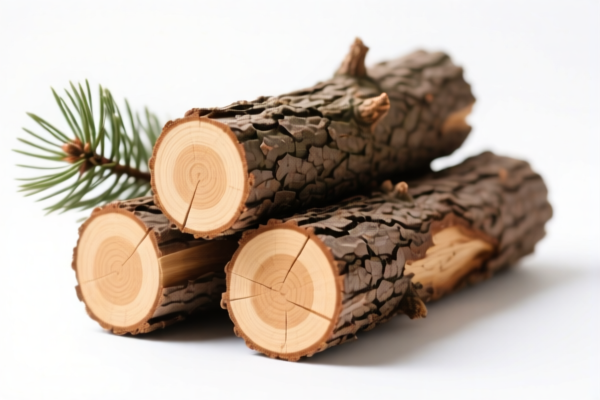
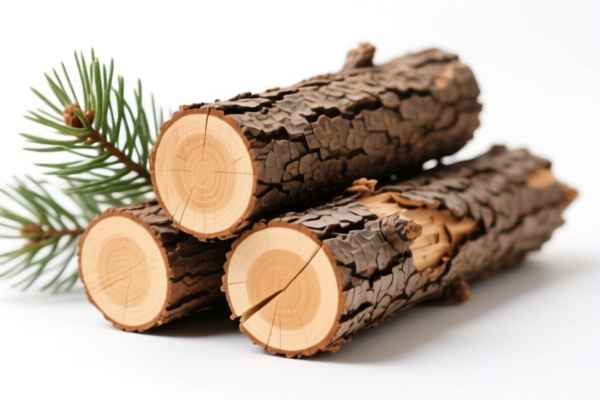
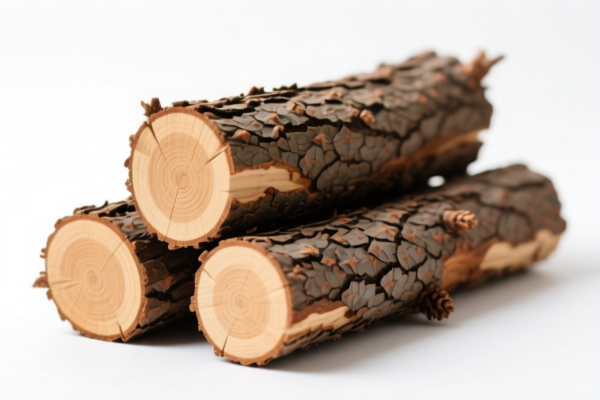
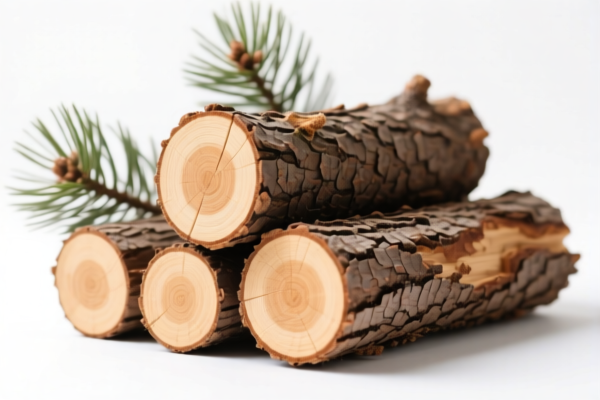
AI Analysis
🌲 Pine Logs Roughly Squared
🌐 HS Code Reference & Customs Clearance Guide | 2026 Latest Tariff Breakdown | Professional Import Strategy
📌 One, Product Definition & Classification: What Exactly Is a “Roughly Squared Pine Log”?
A roughly squared pine log refers to a softwood log (Pinus species) that has undergone basic mechanical shaping to approximate a square or rectangular cross-section, but without precision machining or surface smoothing. It retains the natural bark, irregularities, and rough texture typical of raw timber.
⚠️ Key Classification Criteria: - Species: Pine (Pinus spp.), a softwood (conifer)
- Form: Roughly squared (not fully planed or dimensioned)
- Processing Level: Primary processing only — sawing, trimming, or basic shaping, but no smoothing or grading
- Use Case: Typically used for construction, framing, poles, or fuelwood — not for high-grade lumber or furniture🔍 Critical Distinction: - If fully squared and planed → may fall under sawn timber (4407.11.00.00)
- If still rough, with bark, and only roughly shaped → must be classified under 4401.11.00.00 or 4404.10.00.80
📦 Two, HS Code Classification Details (2026 Latest Tariff Authority Match)
| HS Code | Product Description | Applicable Use Case | Processing Level |
|---|---|---|---|
4401.11.00.00 |
Rough pine logs, conforming to coniferous wood and fuelwood log characteristics | Fuelwood, construction stakes, rough framing, industrial biomass | ✅ Rough, unprocessed, bark-on |
4403.22.01.65 |
Rough pine logs, conforming to log form and primary processing features | Raw logs for sawmills, lumber production, rough poles | ✅ Basic shaping, no planing |
4403.21.01.65 |
Rough pine logs, conforming to log or rough squared timber form | Construction, fencing, utility poles, rough structural use | ✅ Squaring only, no smoothing |
4401.21.00.00 |
Rough pine logs, conforming to primary coniferous wood form | Fuelwood, raw timber for processing, industrial use | ✅ Rough, untrimmed, bark-on |
4407.11.00.52 |
Rough pine logs, conforming to rough sawn coniferous timber classification | Partially processed logs for sawmills, rough lumber | ✅ Sawed but not planed |
4407.11.00.42 |
Rough pine logs, conforming to rough sawn coniferous timber form & processing state | Raw timber for secondary processing, rough structural use | ✅ Sawed, not smoothed, not graded |
4404.10.00.80 |
Roughly squared pine logs, conforming to coniferous pole, stake, or column features | Fence posts, utility poles, construction stakes, rough structural elements | ✅ Squaring applied, but not refined |
📌 Key Insight:
All these codes apply to pine logs that are roughly squared but not fully dimensioned — meaning they are not finished lumber.
The main difference lies in processing stage and intended use, not appearance.
💰 Three, 2026 Latest Tariff Breakdown (Including Additional Duties & Policy Rules)
✅ Applicable Country: United States (US)
✅ Origin: China (CN)
✅ Effective Date: November 10, 2025 (and ongoing)
🎯 1. 4401.11.00.00 — Rough Pine Logs (Coniferous, Fuelwood Form)
| Item | Detail |
|---|---|
| Base Tariff | 0% (ad valorem) |
| USITC Additional Duty | +25% (under Section 301 of U.S. Trade Act) |
| IEEPA Additional Duty | +10% (under International Emergency Economic Powers Act, targeting China/HK) |
| Total Effective Rate | 35.0% |
| Tax Calculation | CIF Value × 35% |
| De Minimis Exemption? | ❌ No (denied under U.S. customs rules) |
| Legal Basis Path | IEEPA:9903.01.25 → IEEPA:9903.01.24 → USITC:4401.11.00.00 → FOOTNOTE:9903.88.01 |
📌 Explanation: - USITC 25%: Imposed under Section 301 for unfair trade practices (China-specific)
- IEEPA 10%: Emergency economic powers law targeting Chinese goods
- Total: 35% — highly punitive, especially for bulk timber imports
🎯 2. 4403.22.01.65 — Rough Pine Logs (Log Form + Primary Processing)
| Item | Detail |
|---|---|
| Base Tariff | 0% |
| USITC Additional Duty | +25% |
| IEEPA Additional Duty | +10% |
| Total Effective Rate | 35.0% |
| Tax Calculation | CIF × 35% |
| De Minimis Exemption? | ❌ No |
| Legal Basis Path | IEEPA:9903.01.25 → IEEPA:9903.01.24 → USITC:4403.22.01.65 → FOOTNOTE:9903.88.01 |
📌 Note:
Even if the log is partially sawn or trimmed, as long as it’s not fully planed or graded, it still falls under 35% tariff.
🎯 3. 4403.21.01.65 — Rough Pine Logs (Log or Rough Squared Form)
| Item | Detail |
|---|---|
| Base Tariff | 0% |
| USITC Additional Duty | +25% |
| IEEPA Additional Duty | +10% |
| Total Effective Rate | 35.0% |
| Tax Calculation | CIF × 35% |
| De Minimis Exemption? | ❌ No |
| Legal Basis Path | IEEPA:9903.01.25 → IEEPA:9903.01.24 → USITC:4403.21.01.65 → FOOTNOTE:9903.88.01 |
📌 Critical Point:
“Rough squared” is not the same as “squared timber.”
If the log is only roughly shaped, no smoothing, bark still present, it qualifies as 4403.21.01.65.
🎯 4. 4401.21.00.00 — Rough Pine Logs (Primary Coniferous Form)
| Item | Detail |
|---|---|
| Base Tariff | 0% |
| USITC Additional Duty | +25% |
| IEEPA Additional Duty | +10% |
| Total Effective Rate | 35.0% |
| Tax Calculation | CIF × 35% |
| De Minimis Exemption? | ❌ No |
| Legal Basis Path | IEEPA:9903.01.25 → IEEPA:9903.01.24 → USITC:4401.21.00.00 → FOOTNOTE:9903.88.01 |
📌 Use Case: Ideal for fuelwood, biomass, or raw material — not for finished construction.
🎯 5. 4407.11.00.52 — Rough Pine Logs (Rough Sawn Coniferous Timber)
| Item | Detail |
|---|---|
| Base Tariff | 0% |
| USITC Additional Duty | +25% |
| IEEPA Additional Duty | +10% |
| Total Effective Rate | 35.0% |
| Tax Calculation | CIF × 35% |
| De Minimis Exemption? | ❌ No |
| Legal Basis Path | IEEPA:9903.01.25 → IEEPA:9903.01.24 → USITC:4407.11.00.52 → FOOTNOTE:9903.88.01 |
📌 Note:
This code applies when the log has been sawn into rough planks, but not planed or smoothed.
🎯 6. 4407.11.00.42 — Rough Pine Logs (Rough Sawn, Processing State)
| Item | Detail |
|---|---|
| Base Tariff | 0% |
| USITC Additional Duty | +25% |
| IEEPA Additional Duty | +10% |
| Total Effective Rate | 35.0% |
| Tax Calculation | CIF × 35% |
| De Minimis Exemption? | ❌ No |
| Legal Basis Path | IEEPA:9903.01.25 → IEEPA:9903.01.24 → USITC:4407.11.00.42 → FOOTNOTE:9903.88.01 |
📌 Key Point:
This code is identical in tariff to others — only difference is processing state.
🎯 7. 4404.10.00.80 — Roughly Squared Pine Logs (Pole, Stake, Column)
| Item | Detail |
|---|---|
| Base Tariff | 0% |
| USITC Additional Duty | +25% |
| IEEPA Additional Duty | +10% |
| Total Effective Rate | 35.0% |
| Tax Calculation | CIF × 35% |
| De Minimis Exemption? | ❌ No |
| Legal Basis Path | IEEPA:9903.01.25 → IEEPA:9903.01.24 → USITC:4404.10.00.80 → FOOTNOTE:9903.88.01 |
📌 Special Use Case:
This code is specifically for structural poles, stakes, or columns — ideal for fencing, utility poles, or construction.
🛠️ Four, Customs Clearance Best Practices (Pro Tips to Avoid Penalties)
✅ 1. Required Documentation (No Exceptions)
| Document | Must Provide | Notes |
|---|---|---|
| ✅ Product Specifications | ✔️ | Include diameter, length, species, processing level |
| ✅ Photos (Clear, Full View) | ✔️ | Show bark, roughness, square shape, and markings |
| ✅ Commercial Invoice | ✔️ | Must state: “Roughly Squared Pine Logs, Raw Timber for Construction/Fuelwood” |
| ✅ Packing List | ✔️ | Detail quantity, dimensions, weight, and HS Code per item |
| ✅ Bill of Lading | ✔️ | Confirm shipment origin and destination |
| ✅ Certificate of Origin (CO) | ✔️ | Required for tariff claims; if from China, expect 35% |
| ✅ Third-Party Test Report (Optional) | ✔️ | For species verification (e.g., DNA testing) |
✅ 2.申报技巧(Key Rules to Remember)
🔥 “Shape matters, but not finish! Rough = 35%, Smooth = 0%”
| Scenario | Correct HS Code | Wrong Code | Risk |
|---|---|---|---|
| Roughly squared, bark-on, no planing | 4404.10.00.80 |
4407.11.00.52 |
Misclassification |
| Partially sawn, not planed | 4407.11.00.42 |
4407.11.00.00 |
Higher tariff risk |
| Fully squared, planed, smooth | ❌ Not in this list — may be 4407.11.00.00 |
4404.10.00.80 |
Lower tariff, but must be fully processed |
| Fuelwood, no shaping | 4401.11.00.00 |
4403.22.01.65 |
Higher tariff if misclassified |
✅ 3. Special Handling Cases
| Situation | Recommended Action |
|---|---|
| Logs from Vietnam/Mexico/Thailand | Apply for IEEPA exemption — may reduce to 0% |
| Logs for biomass energy | Declare as fuelwood — may qualify for lower tariff |
| Logs for military/infrastructure use | Apply for special-purpose exemption — requires pre-approval |
| Mixed lots (some rough, some planed) | Separate by processing level — do not mix in one shipment |
🌍 Five, Global Customs Comparison (2026)
| Country | Recommended HS Code | Tariff | Certification | Notes |
|---|---|---|---|---|
| 🇺🇸 USA | 4404.10.00.80 |
35% (China-origin) | None | Highest tariff |
| 🇨🇳 China | 4404.10.00.80 |
5% | CCC | No additional duties |
| 🇪🇺 EU | 4404.10.00.80 |
0% (if CE) | CE | No IEEPA/USITC |
| 🇦🇺 Australia | 4404.10.00.80 |
5% | RCM | No extra taxes |
| 🇯🇵 Japan | 4404.10.00.80 |
0% | PSE | No extra duties |
📌 Conclusion:
- The U.S. is the only market imposing 35% on roughly squared pine logs from China
- All other major markets have 0–5% tariffs
- China-origin shipments face the highest risk and cost
📌 Six, Common Mistakes & How to Avoid Them (Real-World Pitfalls)
❌ Mistake 1: Declaring “roughly squared logs” as “sawn timber”
👉 Result: Misclassification → 35% tariff applied incorrectly → penalties + delays
❌ Mistake 2: Not providing photos showing roughness and bark
👉 Result: Customs cannot verify “rough” status → assumed to be planed → higher tariff
❌ Mistake 3: Mixing rough and smooth logs in one shipment
👉 Result: Entire shipment may be flagged → delayed, inspected, or rejected
❌ Mistake 4: Using generic term “pine wood” instead of “roughly squared pine logs”
👉 Result: Ambiguous description → misclassification risk
✅ Correct Declaration Example:
“Roughly Squared Pine Logs, Pinus spp., 2.5m long, 15–20cm cross-section, bark-on, partially squared, for utility poles and construction — Not planed, not smoothed, raw timber”
🎯 Seven, Final Verdict: Precision Matters, Cost Depends on Accuracy!
🎯 Remember the Golden Rule:
🔹 “Rough = 35%, Smooth = 0%, Mixed = Risk, Photos = Safety!”
🔹 “HS Code isn’t just a number — it’s your bottom line!”
📌 Pro Tip:
If your logs are originating from Vietnam, Mexico, or Thailand, you may qualify for IEEPA exemption — tariff drops to 0%.
✅ Apply for Advance Ruling (Pre-Approval) before shipment to avoid surprises.
📣 Act Now!
📞 Contact a licensed U.S. customs broker + provide photos + specs + request HS Code pre-ruling
🚀 Avoid 35% tariffs, prevent delays, and keep your margins healthy!
✨ Expert Clearance Starts with Accurate Classification!
💼 Your profit margin depends on the right HS Code — choose wisely!
Customer Reviews
About HS Code Classification
The Harmonized System (HS) is an internationally standardized nomenclature developed by the World Customs Organization (WCO) to classify traded products. Over 200 countries use the HS system as the basis for customs tariffs, trade statistics, and import/export regulations.
Each HS code follows a hierarchical structure:
- Chapter (2 digits) — Broad category of goods (e.g., Chapter 84: Machinery and Mechanical Appliances)
- Heading (4 digits) — More specific grouping within the chapter
- Subheading (6 digits) — Internationally standardized breakdown, used by all WCO member countries
- National subdivisions (8-10 digits) — Country-specific extensions for further classification, such as US HTSUS 10-digit codes
Correct HS code classification is essential for smooth customs clearance, accurate duty payment, and compliance with trade regulations. Misclassification can lead to customs delays, overpayment of duties, or penalties.
When importing from CN to US, the applicable tariff rates may include:
- Most-Favored-Nation (MFN) rate — The standard duty rate applied to WTO members
- General rate — Applied to countries without trade agreements
- Trade remedy duties — Additional tariffs such as Section 301 (anti-dumping), Section 232 (national security), or countervailing duties
The information provided on this page is for reference purposes only. For official classification, please consult with your local customs authority or a licensed customs broker.