pine painted wood board
CN → US| HS Code | Tariff Rate | Origin | Destination | Doc |
|---|---|---|---|---|
| 4408100145 | 35.0% | CN | US | Official Doc |
| 4407110043 | 35.0% | CN | US | Official Doc |
| 4409101020 | 35.0% | CN | US | Official Doc |
| 4407190068 | 35.0% | CN | US | Official Doc |
| 4409104010 | 35.0% | CN | US | Official Doc |
Product Images
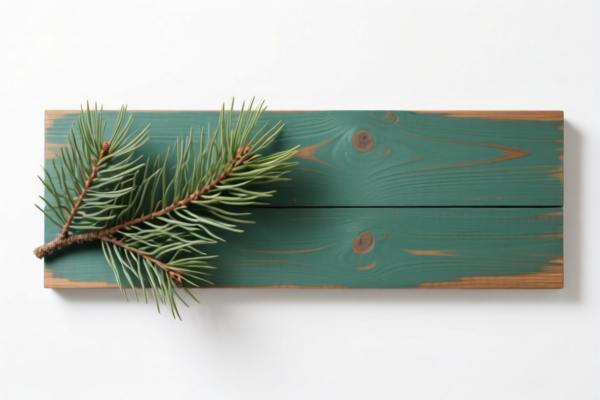
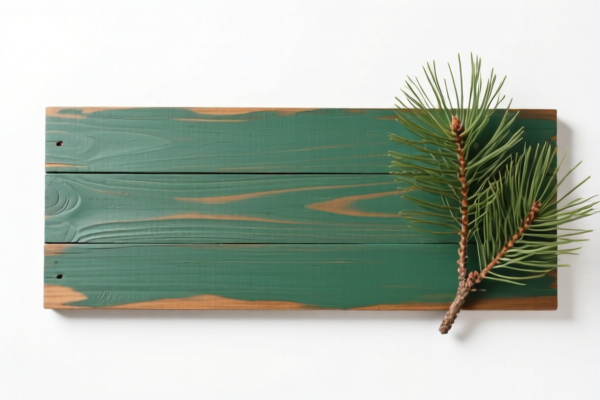
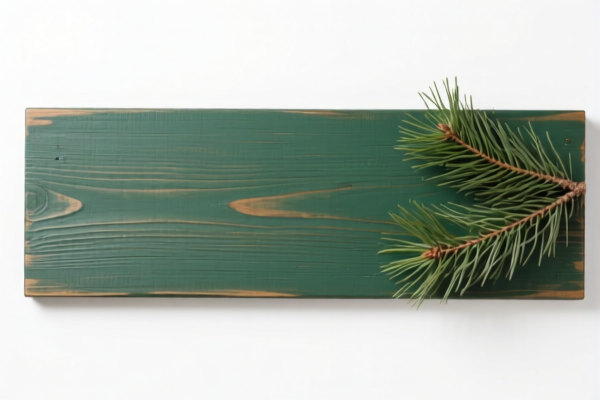
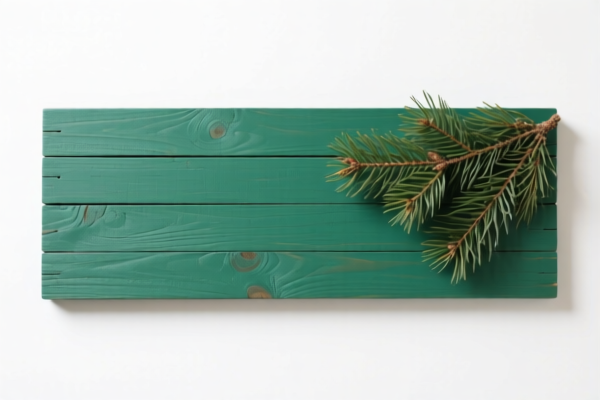
AI Analysis
🌲 Pine Painted Wood Board (松木杉木板材)
🌐 HS Code Reference & Customs Clearance Guide | 2026 Latest Tariff Analysis | Professional Level Strategy
📌 I. Product Definition & Classification: Do You Really Understand "Pine Painted Wood Board"?
"Pine Painted Wood Board" generally refers to processed timber products made from pine or fir (coniferous trees). In international trade, the specific HS Code depends heavily on the degree of processing: - Is it just sliced/锯切 (Section 4407)? - Is it profiled for cladding/wall panels (Section 4409)? - Is it veneered/sliced for plywood/veneer sheets (Section 4408)?
⚠️ Key Distinction Points:
- If it is simply sliced, planed, or sanded but not further profiled → Often falls under 4407 or 4408.
- If it has grooves, tongues, or shapes for wall paneling/cladding → Falls under 4409.
- If it is a veneer sheet or thin slice for layering → Falls under 4408.
📦 II. HS Code Classification Details (2026 Latest Tariff Authoritative Comparison)
Based on the provided , here are the specific HS Codes for Pine/Fir wood products:
| HS Code | Product Description | Applicable Scenario | Processing Degree |
|---|---|---|---|
4408.10.01.45 |
Pine/Fir boards, classified as coniferous timber products | Thin veneers, sliced wood for plywood/layered products | ✅ Sliced/Veneer |
4407.11.00.43 |
Pine boards, longitudinally sawn/sliced untreated coniferous wood | Raw or minimally processed lumber, unfinished timber | ✅ Sawn/Planed |
4409.10.10.20 |
Pine/Fir boards, classified as coniferous wood for wall paneling | Grooved, tongued, or profiled wood for interior/exterior cladding | ✅ Profiled |
4407.19.00.68 |
Fir boards, other sawn coniferous wood >6mm thick | Thick fir planks, structural lumber, non-standard thickness | ✅ Sawn (>6mm) |
4409.10.40.10 |
Pine boards, coniferous core material with no category conflict | Specific profiled pine wood products without conflicting classifications | ✅ Profiled |
🔍 Key Reminders:
- "Painted" (Painted Wood Board): The painting process does not change the fundamental HS Code of the wood itself, but it may trigger additional environmental/chemical regulations (e.g., REACH, EPA VOC limits).
- "Pine vs. Fir": Both are coniferous (针叶树). The distinction is often minor in tariff codes unless specific national preferences apply.
- Thickness Matters: Codes like4407.19.00.68specify ">6mm". Thinner sheets may fall under different subheadings.
💰 III. 2026 Latest Tariff Rate Details (Including Surcharges, Policy Add-ons)
✅ Applicable Country: United States (US)
✅ Country of Origin: China (CN)
✅ Effective Date: From November 10, 2025 (including subsequent imports)
🎯 1. 4408.10.01.45 —— Pine/Fir Veneer/Thin Boards (Coniferous)
| Item | Content |
|---|---|
| Base Tariff | 0% (ad valorem) |
| USITC Surcharge | +25% (From USITC Footnote under 301 Tariffs) |
| IEEPA Surcharge | +10% (Targeting China/HK products, effective Nov 10, 2025) |
| Total Tariff Rate | 35% |
| Tax Calculation | CIF Value × 35% |
| De Minimis Exemption | ❌ Not Eligible (deny_de_minimis) |
| Legal Basis Path | IEEPA:9903.01.25 → IEEPA:9903.01.24 → USITC:4408.10.01.45 → FOOTNOTE:9903.88.01 |
📌 Explanation:
- "USITC Surcharge 25%": From Section 301 of the U.S. Trade Act under "Additional Tariffs".
- "IEEPA 10%": Under the International Emergency Economic Powers Act for additional tariffs on Chinese products.
- Total 35%: A high tariff level. Must be factored into pricing strategies!
🎯 2. 4407.11.00.43 —— Pine Boards (Longitudinally Sawn/Uncured)
| Item | Content |
|---|---|
| Base Tariff | 0% |
| USITC Surcharge | +25% |
| IEEPA Surcharge | +10% |
| Total Tariff Rate | 35% |
| Tax Calculation | CIF × 35% |
| De Minimis Exemption | ❌ Not Eligible |
| Legal Basis Path | IEEPA:9901.25 → IEEPA:9903.01.24 → USITC:4407.11.00.43 → FOOTNOTE:9903.88.01 |
📌 Note:
- Same as above: Coniferous wood, even if "painted," falls under this if it's primarily sawn lumber.
- "Painted" adds no tariff benefit but may increase inspection risk.
🎯 3. 4409.10.10.20 —— Pine/Fir Wall Paneling (Profiled)
| Item | Content |
|---|---|
| Base Tariff | 0% |
| USITC Surcharge | +25% |
| IEEPA Surcharge | +10% |
| Total Tariff Rate | 35% |
| Tax Calculation | CIF × 35% |
| De Minimis Exemption | ❌ Not Eligible |
| Legal Basis Path | IEEPA:9903.01.25 → IEEPA:9903.01.24 → USITC:4409.10.10.20 → FOOTNOTE:9903.88.01 |
📌 Note:
- Profiled wood (e.g., for tongue-and-groove flooring or wall panels) is highly susceptible to surcharges.
- Ensure the product description matches "Wall Paneling" or "Wood for Continuous Shaping."
🎯 4. 4407.19.00.68 —— Fir Boards (>6mm Thick)
| Item | Content |
|---|---|
| Base Tariff | 0% |
| USITC Surcharge | +25% |
| IEEPA Surcharge | +10% |
| Total Tariff Rate | 35% |
| Tax Calculation | CIF × 35% |
| De Minimis Exemption | ❌ Not Eligible |
| Legal Basis Path | IEEPA:9903.01.25 → IEEPA:9903.01.24 → USITC:4407.19.00.68 → FOOTNOTE:9903.88.01 |
📌 Note:
- Specific to Fir (杉木) and Thickness >6mm.
- If the product is Pine but >6mm, it may still fall under4407.11or4407.19depending on further processing.
🎯 5. 4409.10.40.10 —— Pine Boards (Profiled, Core Material)
| Item | Content |
|---|---|
| Base Tariff | 0% |
| USITC Surcharge | +25% |
| IEEPA Surcharge | +10% |
| Total Tariff Rate | 35% |
| Tax Calculation | CIF × 35% |
| De Minimis Exemption | ❌ Not Eligible |
| Legal Basis Path | IEEPA:9903.01.25 → IEEPA:9903.01.24 → USITC:4409.10.40.10 → FOOTNOTE:9903.88.01 |
📌 Note:
- For pine products with specific core classifications and no category conflicts.
- Often used for custom profiled wood products.
🛠️ IV. Customs Clearance Practical Advice (Battle-Tested Pitfall Avoidance)
✅ 1. Required Document Checklist (None Can Be Missing)
| Document | Must Provide | Explanation |
|---|---|---|
| ✅ Product Specification Sheet | ✔️ | Include dimensions, moisture content, wood species (Pine/Fir), treatment status |
| ✅ Photos of Products (Including Labels) | ✔️ | Clearly show grain, paint finish, edges, and any treatment stamps |
| ✅ Commercial Invoice | ✔️ | Must clearly state "Pine/Fir Wood Board, Painted, Coniferous" |
| ✅ Packing List | ✔️ | Detail weight, volume, and packaging type (crated/bulk) |
| ✅ Origin Certificate (CO) | ✔️ | If non-China origin, may qualify for preferential rates |
| ✅ Phytosanitary Certificate | ✔️ | Often required for wood products to prove no pests/diseases |
| ✅ Formaldehyde/VOC Test Report | ✔️ | Crucial for Painted Wood: Ensure compliance with EPA TSCA Title VI or CARB ATCM Phase 2 standards |
✅ 2. Declaration Tips (Key Mantra)
🔥 "Species Clear, Process Precise, Paint Documented, Tariff Avoided!"
| Situation | Correct Declaration | Wrong Practice |
|---|---|---|
| Raw Pine Planks | 4407.11.00.43 |
Misdeclare as "Furniture Parts" → 45%+ |
| Profiled Wall Panels | 4409.10.10.20 |
Misdeclare as "Lumber" → Potential misclassification penalty |
| Thin Veneer Sheets | 4408.10.01.45 |
Misdeclare as "Solid Wood" → Incorrect duty base |
| Painted Wood with High VOC | Must declare paint type | Fail to declare paint → Customs hold for lab testing |
✅ 3. Special Cases Handling
| Situation | Handling Advice |
|---|---|
| OEM Custom Painted Wood | Provide color codes, paint manufacturer info, and VOC certificates |
| Wood Used in Furniture | If assembled into furniture, may fall under Chapter 94 (Furniture), not Chapter 44 |
| Treated/Painted Wood | Ensure compliance with EPA TSCA Title VI for formaldehyde emissions |
| Wood with Soil/Contamination | Phytosanitary certificate is mandatory; risk of rejection if not clean |
🌍 V. Global Major Market Clearance Comparison (2026 Latest)
| Country/Region | Recommended HS Code | Tariff | Certification Requirements | Notes |
|---|---|---|---|---|
| 🇺🇸 USA | 4407.11.00.43 / 4409.10.10.20 |
35% (China Origin) | EPA TSCA Title VI, CARB ATCM | High tariff burden |
| 🇨🇳 China | 4407.11.00.43 / 4409.10.10.20 |
5%-10% | FSC/PEFC (if exported) | No additional surcharges |
| 🇪🇺 EU | 4407.11.00.43 / 4409.10.10.20 |
0%-3.7% | FSC/PEFC, REACH (for paint) | No surcharges if compliant |
| 🇦🇺 Australia | 4407.11.00.43 / 4409.10.10.20 |
5% | IPPC Mark (for packaging) | No surcharges |
| 🇯🇵 Japan | 4407.11.00.43 / 4409.10.10.20 |
3.5%-5% | JIS Standards (if applicable) | No surcharges |
📌 Conclusion:
- The US is the only major market imposing significant additional surcharges (35% total) on Chinese-origin pine/fir wood products.
- Painted wood requires strict VOC/Formaldehyde compliance in all markets.
- Consider supply chain diversification (e.g., Vietnam, Malaysia) to mitigate US tariffs if feasible.
📌 VI. Common Mistakes & Pitfall Avoidance Guide (Blood Lessons)
❌ Mistake 1: Declaring "Pine Painted Board" as generic "Wood" without specifying process
👉 Consequence: Customs may assign a higher default tariff or hold goods for inspection.
❌ Mistake 2: Ignoring VOC/Formaldehyde certifications for painted wood
👉 Consequence: Rejected by customs, returned to origin, or fined under EPA TSCA Title VI.
❌ Mistake 3: Misclassifying "Profiled Panels" as "Lumber"
👉 Consequence: Even if tariff is similar, misclassification can lead to penalties and delays.
❌ Mistake 4: Not declaring "Painted" status in product description
👉 Consequence: Customs may assume raw wood, leading to phytosanitary issues or incorrect duty assessment.
✅ Correct Practice:
"Pine Wood Board, Painted, Profiled for Wall Paneling, Moisture Content <12%, Formaldehyde Emission Compliant with EPA TSCA Title VI, HS Code 4409.10.10.20"
🎯 VII. Conclusion: Professional Declaration, Time-Saving, Cost-Effective!
🎯 Remember the Mantra:
🔹 "Species Clear, Process Precise, Paint Documented, Tariff Avoided!"
🔹 "HS Code Decides Life, Tariff Differs by 35 Points, Declaration Error Costs Thousands!"
📌 Pro Tip:
- If your pine/fir wood is originated from Vietnam, Malaysia, or Indonesia, you may apply for IEEPA Exemption, reducing tariffs to 0%-5%.
- Apply for Advance Ruling before shipment to avoid clearance risks.
- Ensure VOC/Formaldehyde test reports are up-to-date and recognized by US/EU standards.
📣 Immediate Action:
📞 Contact Professional Customs Broker + Provide Product Photos + Apply for HS Code Advance Ruling
🚀 Let your pine/fir wood clear customs smoothly, expand markets efficiently, and boost profits!
✨ Professional Clearance Starts with Accurate Classification!
💼 Every Penny of Your Cost Deserves Precision Calculation!
Customer Reviews
About HS Code Classification
The Harmonized System (HS) is an internationally standardized nomenclature developed by the World Customs Organization (WCO) to classify traded products. Over 200 countries use the HS system as the basis for customs tariffs, trade statistics, and import/export regulations.
Each HS code follows a hierarchical structure:
- Chapter (2 digits) — Broad category of goods (e.g., Chapter 84: Machinery and Mechanical Appliances)
- Heading (4 digits) — More specific grouping within the chapter
- Subheading (6 digits) — Internationally standardized breakdown, used by all WCO member countries
- National subdivisions (8-10 digits) — Country-specific extensions for further classification, such as US HTSUS 10-digit codes
Correct HS code classification is essential for smooth customs clearance, accurate duty payment, and compliance with trade regulations. Misclassification can lead to customs delays, overpayment of duties, or penalties.
When importing from CN to US, the applicable tariff rates may include:
- Most-Favored-Nation (MFN) rate — The standard duty rate applied to WTO members
- General rate — Applied to countries without trade agreements
- Trade remedy duties — Additional tariffs such as Section 301 (anti-dumping), Section 232 (national security), or countervailing duties
The information provided on this page is for reference purposes only. For official classification, please consult with your local customs authority or a licensed customs broker.