pine wood pole raw log
CN → US| HS Code | Tariff Rate | Origin | Destination | Doc |
|---|---|---|---|---|
| 4403220120 | 35.0% | CN | US | Official Doc |
| 4403210130 | 35.0% | CN | US | Official Doc |
| 4404100080 | 35.0% | CN | US | Official Doc |
| 4417008010 | 40.1% | CN | US | Official Doc |
| 4417008090 | 40.1% | CN | US | Official Doc |
| 4421997040 | 35.0% | CN | US | Official Doc |
| 4404100090 | 35.0% | CN | US | Official Doc |
Product Images
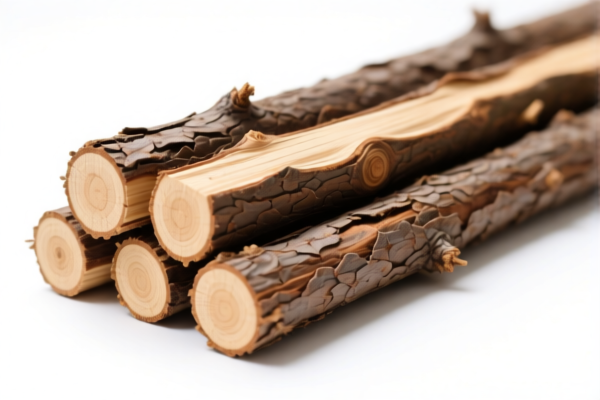
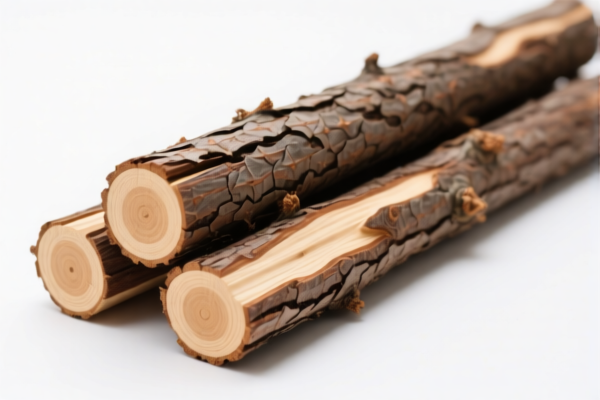
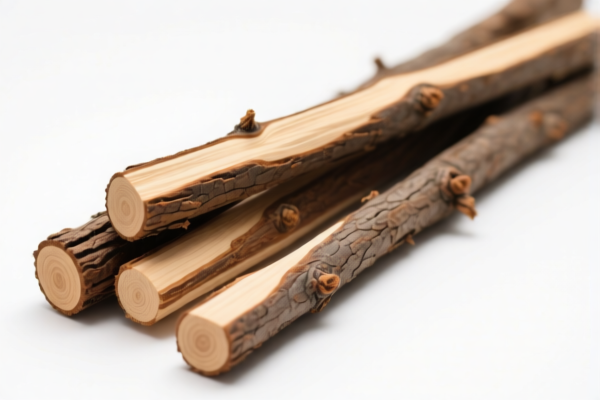
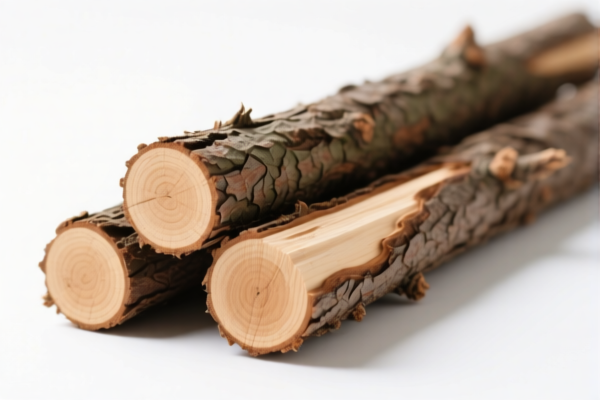
AI Analysis
🌲 Pine Wood Pole Raw Logs (Import Clearance & HS Classification Guide)
🌐 HS Code Reference & Customs Clearance Guide | 2026 Latest Tariff Analysis | Professional Entry Strategies
📌 I. Product Definition & Classification: What Exactly Are "Pine Wood Pole Raw Logs"?
"Pine Wood Pole Raw Logs" refer to unprocessed timber derived specifically from pine trees, intended for use as poles, piles, or posts. In international trade, these are classified based on their state of processing and specific pine species.
Key Distinctions:
Raw Logs (Unprocessed): Bark may be removed or retained, but the wood is not sawn, planed, or treated chemically for specific construction purposes. These fall under Chapter 44 heading 4403.
Poles/Posts (Processed): Shaped, cut to length, or treated. These may fall under heading 4404 or 4421, depending on the level of processing.
⚠️ Critical Classification Point:
- If the wood is strictly in log form (even if debarked), it is classified under 4403.
- If the wood is shaped into poles/piles (cut, squared, or tamped), it may shift to 4404 or 4417/4421 depending on specific dimensions and finish.
📦 II. HS Code Classification Details (2026 Latest Tariff Authority Comparison)
| HS Code | Product Description | Application Scenario | Processing Level |
|---|---|---|---|
4403.22.01.20 |
Pine Log, Specific Pine Category, Raw Form | Raw timber from specific pine sub-categories, unprocessed logs | ✅ Raw Log |
4403.21.01.30 |
Pine Log (Softwood), Raw Form | General pine logs, debarked or not, raw state | ✅ Raw Log |
4404.10.00.80 |
Pine Pole/Post, Softwood, Shaped | Logs shaped into poles/piles, but not fully processed lumber | ⚙️ Semi-Processed |
4417.00.80.10 |
Pine Pole/Handle, Wooden, Specific Use | Pine wood shaped for handles/poles, specific utility use | 🔨 Finished/Semi-Finished |
4417.00.80.90 |
Pine Pole, Other Wood Products | Other pine poles not specifically listed elsewhere | 🔨 Finished/Semi-Finished |
4421.99.70.40 |
Pine Pole, Sawn Piles/Posts | Pine wood specifically sawn into piles or posts for construction | 🔨 Processed |
4404.10.00.90 |
Pine Pole, Other Softwood Poles | Other softwood poles not specified in 4404.10.00.80 | ⚙️ Semi-Processed |
🔍 Key Reminder:
- "Raw Log" strictly refers to HS 4403.
- "Pole/Post" refers to HS 4404, 4417, or 4421.
- Misclassification between "Raw Log" and "Processed Pole" can lead to incorrect duty rates and customs delays.
💰 III. 2026 Latest Tariff Rate Breakdown (Including Surcharges & Policy Add-ons)
✅ Applicable Country: United States (US)
✅ Origin: China (CN)
✅ Effective Date: From 2025-11-10 onwards (including subsequent imports)
🎯 1. 4403.22.01.20 & 4403.21.01.30 —— Pine Raw Logs
| Item | Content |
|---|---|
| Base Tariff | 0% (ad valorem) |
| USITC Surcharge | +25% (from USITC Footnote 9903.88.01) |
| IEEPA Surcharge | +10% (Against China/HK products, from 2025-11-10) |
| Total Tariff | 35.0% |
| Tax Calculation | CIF Value × 35% |
| De Minimis Exemption | ❌ Not Eligible (deny_de_minimis) |
| Legal Basis Path | IEEPA:9903.01.25 → IEEPA:9903.01.24 → USITC:4403.21.01.30/4403.22.01.20 → FOOTNOTE:9903.88.01 |
📌 Explanation:
- "USITC Surcharge 25%": Comes from Section 301 of the U.S. Trade Act.
- "IEEPA 10%": Additional tariff under the International Emergency Economic Powers Act.
- Total 35% is a high tariff, requiring careful cost planning!
🎯 2. 4404.10.00.80 & 4404.10.00.90 —— Pine Poles (Softwood)
| Item | Content |
|---|---|
| Base Tariff | 0% |
| USITC Surcharge | +25% |
| IEEPA Surcharge | +10% |
| Total Tariff | 35.0% |
| Tax Calculation | CIF × 35% |
| De Minimis Exemption | ❌ Not Eligible |
| Legal Basis Path | IEEPA:9901.25 → IEEPA:9903.01.24 → USITC:4404.10.00.80/4404.10.00.90 → FOOTNOTE:9903.88.01 |
📌 Note:
- Same tariff rate as raw logs due to surcharges.
- Applies to shaped poles but not fully finished wood products.
🎯 3. 4417.00.80.10 & 4417.00.80.90 —— Pine Poles (Other Wood Products)
| Item | Content |
|---|---|
| Base Tariff | 5.1% |
| USITC Surcharge | +25% |
| IEEPA Surcharge | +10% |
| Total Tariff | 40.1% |
| Tax Calculation | CIF × 40.1% |
| De Minimis Exemption | ❌ Not Eligible |
| Legal Basis Path | IEEPA:9903.01.25 → IEEPA:9903.01.24 → USITC:4417.00.80.10/4417.00.80.90 → FOOTNOTE:9903.88.01 |
📌 Important:
- These HS codes have a higher base tariff (5.1%) compared to raw logs (0%).
- Total tariff reaches 40.1%, which is higher than raw logs.
- Ensure correct classification to avoid overpaying or underpaying duties.
🎯 4. 4421.99.70.40 —— Pine Poles (Sawn Piles/Posts)
| Item | Content |
|---|---|
| Base Tariff | 0% |
| USITC Surcharge | +25% |
| IEEPA Surcharge | +10% |
| Total Tariff | 35.0% |
| Tax Calculation | CIF × 35% |
| De Minimis Exemption | ❌ Not Eligible |
| Legal Basis Path | IEEPA:9901.25 → IEEPA:9903.01.24 → USITC:4421.99.70.40 → FOOTNOTE:9903.88.01 |
📌 Note:
- Even though it is "sawn," if it falls under this specific subheading, the base tariff is 0%.
- Total tariff is 35.0%, same as raw logs.
🛠️ IV. Customs Clearance Practical Advice (Avoid Pitfalls)
✅ 1. Document Checklist (Mandatory)
| Document | Required | Description |
|---|---|---|
| ✅ Product Specification Sheet | ✔️ | Includes species, dimensions, moisture content, treatment status |
| ✅ Photographic Evidence | ✔️ | Clear photos of logs/poles, including bark status, cuts, and labels |
| ✅ Commercial Invoice | ✔️ | Clearly states "Pine Wood Raw Logs" or "Pine Poles" with HS Code |
| ✅ Packing List | ✔️ | Details packaging, weight, and volume per container |
| ✅ Phytosanitary Certificate | ✔️ | Mandatory for wood products to prove pest-free status |
| ✅ Fumigation Certificate | ✔️ | If required by destination country |
| ✅ Origin Certificate | ✔️ | If claiming preferential rates (not applicable here due to surcharges) |
✅ 2. Declaration Tips (Key Mantras)
🔥 "Raw Logs vs. Poles: Classify Correctly or Pay More!"
| Scenario | Correct Declaration | Wrong Practice |
|---|---|---|
| Unprocessed Logs | 4403.21.01.30 or 4403.22.01.20 |
Misdeclare as "Processed Poles" → Higher Base Tariff (5.1%) |
| Shaped Poles | 4404.10.00.80 or 4404.10.00.90 |
Misdeclare as "Raw Logs" → Potential misclassification penalties |
| Finished Handles/Utility Poles | 4417.00.80.10/90 |
Misdeclare as "Raw Logs" → Misses 5.1% base tariff, but higher total duty |
| Sawn Piles/Posts | 4421.99.70.40 |
Misdeclare as "Raw Logs" → Risk of customs inspection for misclassification |
✅ 3. Special Handling Cases
| Scenario | Handling Advice |
|---|---|
| OEM Custom Shapes | Provide design drawings to clarify if it's a "log" or "pole" |
| Chemically Treated Wood | Must declare treatment type; may require additional certifications |
| Mixed Species | Declare each species separately if possible to avoid "mixed wood" penalties |
| Wood Used for Construction | Ensure compliance with local building codes and import regulations |
🌍 V. Global Market Comparison (2026 Latest)
| Country/Region | Recommended HS Code | Tariff (China Origin) | Certification Requirements | Notes |
|---|---|---|---|---|
| 🇺🇸 USA | 4403.21.01.30 (Raw) |
35% | Phytosanitary + Fumigation | High surcharges apply |
| 🇨🇳 China | 4403.21.01.30 |
5% | N/A | No additional surcharges |
| 🇪🇺 EU | 4403.21.01.30 |
0% (if IPPC compliant) | ISPM 15 Marking | No surcharges if compliant |
| 🇦🇺 Australia | 4403.21.01.30 |
5% | Biosecurity Permit | Strict wood import laws |
| 🇯🇵 Japan | 4403.21.01.30 |
5% | Phytosanitary Certificate | No surcharges |
📌 Conclusion:
- USA is the only market with high additional surcharges (35%);
- Other markets have lower or no surcharges, but may have strict phytosanitary requirements.
- China-origin pine wood is heavily penalized in the US due to trade policies.
📌 VI. Common Mistakes & Pitfall Guide (Lessons Learned)
❌ Mistake 1: Declaring processed poles as raw logs
👉 Consequence: Underpayment of base tariff (5.1%) → Penalties + Back Taxes!
❌ Mistake 2: Failing to provide Phytosanitary Certificate
👉 Consequence: Shipment rejected or destroyed at US ports!
❌ Mistake 3: Mixing different pine species without clear declaration
👉 Consequence: Customs may reject the entire shipment for misdeclaration!
❌ Mistake 4: Ignoring fumigation requirements
👉 Consequence: Delayed clearance or re-export at your expense!
✅ Correct Practice:
“Pine Wood Raw Logs, Unprocessed, Debarked, No Chemical Treatment, Model PINE-01, Phytosanitary Certified, Fumigated”
🎯 VII. Conclusion: Precise Classification Saves Money!
🎯 Remember the Mantra:
🔹 “Raw Logs 35%, Poles 35-40%, Don’t Misclassify!”
🔹 “Phytosanitary Certificate is Mandatory, No Certificate No Entry!”
📌 Pro Tip:
If your pine wood is originated from Vietnam, Mexico, or Thailand, you may avoid USITC/IEEPA surcharges, reducing total tariff to 0-5%.
Consider supplier diversification to mitigate tariff risks.
📣 Immediate Action:
📞 Contact a professional customs broker + Provide Product Photos + Apply for Pre-Ruling on HS Code
🚀 Ensure your pine wood cleans through customs efficiently, avoids penalties, and maximizes profit!
✨ Professional Customs Clearance Starts with Accurate Classification!
💼 Every Dollar Saved in Tariffs is Pure Profit!
Customer Reviews
About HS Code Classification
The Harmonized System (HS) is an internationally standardized nomenclature developed by the World Customs Organization (WCO) to classify traded products. Over 200 countries use the HS system as the basis for customs tariffs, trade statistics, and import/export regulations.
Each HS code follows a hierarchical structure:
- Chapter (2 digits) — Broad category of goods (e.g., Chapter 84: Machinery and Mechanical Appliances)
- Heading (4 digits) — More specific grouping within the chapter
- Subheading (6 digits) — Internationally standardized breakdown, used by all WCO member countries
- National subdivisions (8-10 digits) — Country-specific extensions for further classification, such as US HTSUS 10-digit codes
Correct HS code classification is essential for smooth customs clearance, accurate duty payment, and compliance with trade regulations. Misclassification can lead to customs delays, overpayment of duties, or penalties.
When importing from CN to US, the applicable tariff rates may include:
- Most-Favored-Nation (MFN) rate — The standard duty rate applied to WTO members
- General rate — Applied to countries without trade agreements
- Trade remedy duties — Additional tariffs such as Section 301 (anti-dumping), Section 232 (national security), or countervailing duties
The information provided on this page is for reference purposes only. For official classification, please consult with your local customs authority or a licensed customs broker.