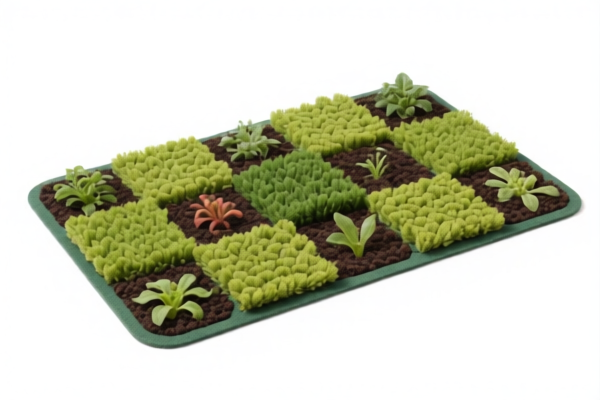
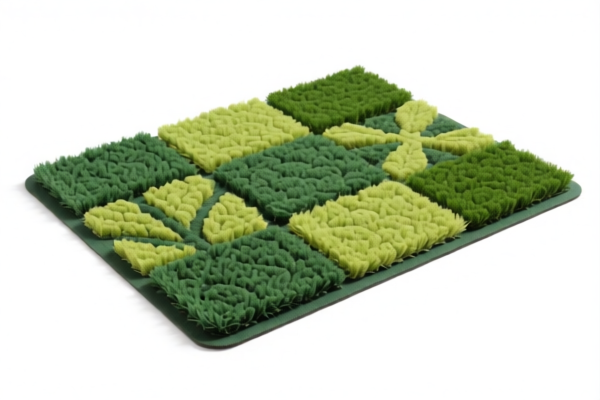
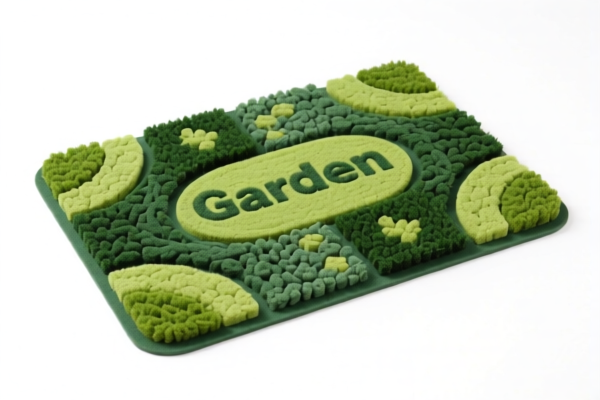
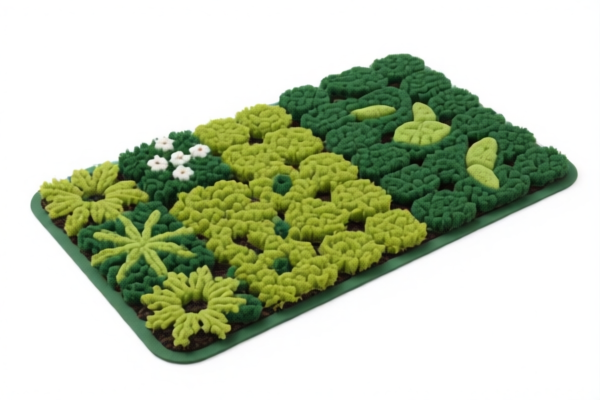
pink cloud feeding mat
CN → US| HS Code | Tariff Rate | Origin | Destination | Doc |
|---|---|---|---|---|
| 3926909989 | 22.8% | CN | US | Official Doc |
| 3926901000 | 20.9% | CN | US | Official Doc |
| 6302514000 | 23.8% | CN | US | Official Doc |
Product Images
AI Analysis
🍼 Pink Cloud Feeding Mat: The Ultimate Guide to HS Code Classification & US Customs Clearance
🌐 HS Code Reference & Customs Clearance Guide | 2026 Latest Tariff Analysis | Professional Compliance Strategy
📌 I. Product Definition: What is a "Pink Cloud Feeding Mat"?
A Feeding Mat (often decorative, like the "Pink Cloud" style) is a protective table accessory designed to catch food spills during mealtime for infants, toddlers, or pets. In international trade, its classification depends entirely on material composition and primary function.
⚠️ Key Distinction:
- If made of Plastic (PVC, PE, PP) with no textile backing → Classified as Plastic Articles.
- If made of Textile Fabric (Cotton, Polyester) with or without coating → Classified as Textile Table Linens.
- The "Pink Cloud" name is a descriptive style, not a technical definition. Customs looks at the material, not the color or pattern.
📦 II. HS Code Classification Details (2026 Latest Tariff Authority)
Based on the provided data, three potential HS Codes are identified. Here is the breakdown:
| HS Code | Product Description | Material/Shape Inference | Key Feature |
|---|---|---|---|
3926.90.99.89 |
Other塑料制品 (Plastic Articles), Not Elsewhere Specified | Plastic material, general plastic form | Fits as a "generic" plastic item |
3926.90.10.00 |
Plastic Mats (垫类制品) | Plastic material, specifically mat-shaped | More specific than general plastic |
6302.51.40.00 |
Table Linens of Cotton/Cloth | Cotton/Textile material, mat/tablecloth use | Fits if made of cloth/cotton |
🔍 Critical Reminder:
- Plastic Mats (3926.90) vs. Textile Mats (6302.51):
- If the mat is waterproof plastic (e.g., silicone, PVC, vinyl) → Use 3926.90.xxxx.
- If the mat is fabric/cotton (e.g., cloth bib-style, cotton quilted) → Use 6302.51.40.00.
- "Pink Cloud" implies a soft, possibly plush or cloud-shaped design. If it's plush/textile,6302.51.40.00is likely. If it's a printed vinyl/PVC mat,3926.90.10.00is more precise.
💰 III. 2026 Tariff Rate Breakdown (Including Additional Duties)
✅ Applicable Country: United States (US)
✅ Origin: China (CN)
✅ Effective Date: 2025+ (Current Trade War Context)
🎯 1. 3926.90.99.89 – Other Plastic Articles (Generic)
| Item | Details |
|---|---|
| Base Tariff | 5.3% |
| Section 301 Additional Tariff | 7.5% |
| Section 122 Tariff | 10.0% |
| Total Tariff Rate | 22.8% |
| Tax Calculation | CIF Value × 22.8% |
| De Minimis Exemption | ❌ Not Eligible (High-value or restricted plastic items often excluded) |
| Legal Basis | USITC Footnotes for Section 301 & 122 |
📌 Explanation:
- This code is a "catch-all" for plastic items not specifically listed elsewhere.
- If your feeding mat is not clearly a "mat" (e.g., it's a decorative tray or irregular shape), customs may default to this generic code.
- 22.8% is a significant duty burden.
🎯 2. 3926.90.10.00 – Plastic Mats (Specific)
| Item | Details |
|---|---|
| Base Tariff | 3.4% |
| Section 301 Additional Tariff | 7.5% |
| Section 122 Tariff | 10.0% |
| Total Tariff Rate | 20.9% |
| Tax Calculation | CIF Value × 20.9% |
| De Minimis Exemption | ❌ Not Eligible |
| Legal Basis | USITC: Specific provision for plastic mats |
📌 Note:
- This is the most accurate code for plastic feeding mats.
- It has a lower base rate (3.4%) compared to the generic3926.90.99.89(5.3%), resulting in a 1.9% savings.
- Use this if the product is clearly a mat (flat, rectangular/rounded, used under a child's plate).
🎯 3. 6302.51.40.00 – Cotton/Table Linens (Textile)
| Item | Details |
|---|---|
| Base Tariff | 6.3% |
| Section 301 Additional Tariff | 7.5% |
| Section 122 Tariff | 10.0% |
| Total Tariff Rate | 23.8% |
| Tax Calculation | CIF Value × 23.8% |
| De Minimis Exemption | ❌ Not Eligible |
| Legal Basis | USITC: Textile table linens |
📌 Note:
- If the "Pink Cloud Feeding Mat" is made of cotton, polyester, or other textiles (even if coated), it falls here.
- Highest total tariff (23.8%) among the three options.
- Do not use this for plastic mats – misclassification can lead to penalties.
🛠️ IV. Customs Clearance Practical Advice (Avoiding Pitfalls)
✅ 1. Preparation Checklist (Non-Negotiable)
| Document | Required? | Notes |
|---|---|---|
| Product Specs Sheet | ✔️ | Must specify: Material (100% PVC? 100% Cotton?), Dimensions, Weight |
| Material Certificate | ✔️ | Crucial to prove Plastic vs. Textile. If mixed, specify percentage. |
| Product Photos | ✔️ | Show front, back, and material close-up (shiny = plastic, woven = textile). |
| Commercial Invoice | ✔️ | Clearly state: "Feeding Mat, Plastic, for Infant Use" or "Cotton Table Mat" |
| Packing List | ✔️ | Confirm no other items are mixed in (e.g., plastic cutlery) |
| Origin Certificate | ✔️ | If from China, expect additional tariffs. |
✅ 2. Classification Strategy (Key Mantra)
🔥 "Material First, Shape Second, Name Third!"
| Scenario | Correct HS Code | Wrong Code | Consequence |
|---|---|---|---|
| Plastic Vinyl/PVC Mat | 3926.90.10.00 (20.9%) |
3926.90.99.89 (22.8%) |
Overpay by 1.9% |
| Plastic Irregular Shape | 3926.90.99.89 (22.8%) |
3926.90.10.00 |
Risk of rejection if not mat-like |
| Cotton/Cloth Mat | 6302.51.40.00 (23.8%) |
3926.90.10.00 |
Misclassification → Penalty + Back Taxes |
| Mixed Material (e.g., Cotton with Plastic Coating) | Likely 3926.90 if >50% plastic |
6302.51 |
Customs may reclassify based on essential character |
✅ 3. Special Considerations for "Pink Cloud" Design
- De Minimis (Section 321):
- If the value per shipment is < $800, it may qualify for duty-free entry under De Minimis.
- However, plastic and textile items are often scrutinized. Ensure the product is not on the restricted list (e.g., children's products with lead paint concerns).
-
Recommendation: For bulk shipments, pre-classify and pay duties to avoid delays.
-
Children's Product Safety (CPSIA):
- If marketed for infants/toddlers, the feeding mat may be considered a children's product.
- Required Certifications:
- CPC (Children’s Product Certificate)
- Lead & Phthalate Testing (from a CPSC-accepted lab)
- Tracking Label on the product/packaging
- Failure to comply → Seizure by CBP and fines!
🌍 V. Global Market Comparison (2026)
| Market | Recommended HS Code | Tariff Rate | Key Certification |
|---|---|---|---|
| 🇺🇸 USA | 3926.90.10.00 (Plastic) |
20.9% | CPC, CPSIA, FDA (if food-contact) |
| 🇨🇳 China | 3926.90.90.00 |
5-10% | CCC (if applicable) |
| 🇪🇺 EU | 3926.90.97 |
0-6% | CE, REACH, LFGB (Food Contact) |
| 🇬🇧 UK | 3926.90.97 |
0-6% | UKCA, Food Standards Agency |
📌 Conclusion:
- USA has the highest effective tariff (20.9%–23.8%) due to Section 301 & 122.
- EU/UK have lower base tariffs but stricter food-contact safety (LFGB/REACH).
- China has moderate tariffs but strict CCC requirements for children's items.
📌 VI. Common Mistakes & Pitfalls (Learn from Others' Errors)
❌ Mistake 1: Calling it "Cloud Toy" or "Decorative Plaque"
👉 Result: Customs may classify as "Plastic Ornament" (3926.90.99.89) → 22.8% instead of 20.9%.
❌ Mistake 2: Ignoring "Food Contact" Status
👉 Result: If it catches food, it’s a food-contact item. Requires FDA/LFGB compliance. Missing certs → Seizure.
❌ Mistake 3: Mixing Plastic and Textile Claims
👉 Result: If you say "Cotton" but it’s PVC-backed, customs will audit and reclassify → Penalty + 23.8% tax.
❌ Mistake 4: Using De Minimis for Bulk Shipments
👉 Result: If >$800, De Minimis doesn’t apply. Incorrectly claiming it → Hold by CBP + storage fees.
✅ Correct Approach:
"Feeding Mat, 100% PVC, Food-Grade, For Infants, CPSIA Certified, Model PC-2026"
🎯 VII. Final Recommendations: Save Time, Money, and Stress!
🎯 Remember the Mantra:
🔹 **"Plastic Mat = 3926.90.10.00 (20.9%) – Save 1.9%!
🔹 "Textile Mat = 6302.51.40.00 (23.8%) – Higher Tax.
🔹 "Children's Item? CPC + Tracking Label is MANDATORY!"
📌 Pro Tip:
If your feeding mats are small value (<$800) and sent directly to consumers, leverage De Minimis but ensure CPSIA compliance.
For B2B bulk shipments, pre-classify and pay duties to avoid clearance delays.
📣 Immediate Action Plan:
📞 Contact a Customs Broker + Provide Material Certs + Apply for CPC if for Kids
🚀 Ensure Smooth Clearance, Avoid Seizures, Maximize Profit!
✨ Professional Clearance Starts with Precise Classification!
💼 Every Percent of Tariff Counts – Optimize Your HS Code Today!
Customer Reviews
About HS Code Classification
The Harmonized System (HS) is an internationally standardized nomenclature developed by the World Customs Organization (WCO) to classify traded products. Over 200 countries use the HS system as the basis for customs tariffs, trade statistics, and import/export regulations.
Each HS code follows a hierarchical structure:
- Chapter (2 digits) — Broad category of goods (e.g., Chapter 84: Machinery and Mechanical Appliances)
- Heading (4 digits) — More specific grouping within the chapter
- Subheading (6 digits) — Internationally standardized breakdown, used by all WCO member countries
- National subdivisions (8-10 digits) — Country-specific extensions for further classification, such as US HTSUS 10-digit codes
Correct HS code classification is essential for smooth customs clearance, accurate duty payment, and compliance with trade regulations. Misclassification can lead to customs delays, overpayment of duties, or penalties.
When importing from CN to US, the applicable tariff rates may include:
- Most-Favored-Nation (MFN) rate — The standard duty rate applied to WTO members
- General rate — Applied to countries without trade agreements
- Trade remedy duties — Additional tariffs such as Section 301 (anti-dumping), Section 232 (national security), or countervailing duties
The information provided on this page is for reference purposes only. For official classification, please consult with your local customs authority or a licensed customs broker.