pipe joint
CN → US| HS Code | Tariff Rate | Origin | Destination | Doc |
|---|---|---|---|---|
| 4009120050 | 20.0% | CN | US | Official Doc |
| 4009120020 | 20.0% | CN | US | Official Doc |
| 3917400095 | 40.3% | CN | US | Official Doc |
| 8481909060 | 85.0% | CN | US | Official Doc |
| 7307110060 | 39.8% | CN | US | Official Doc |
Product Images
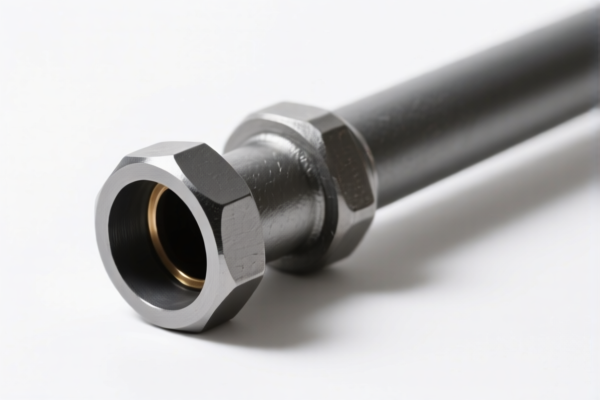
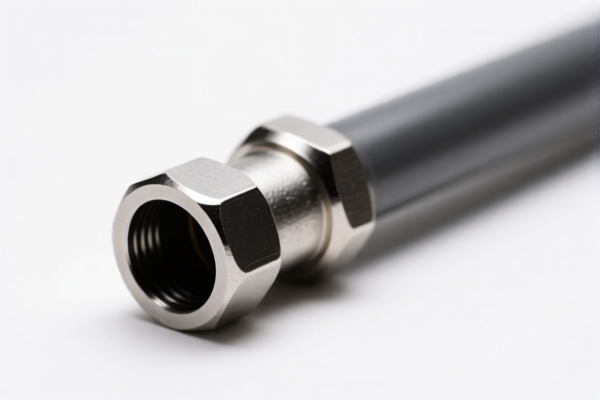
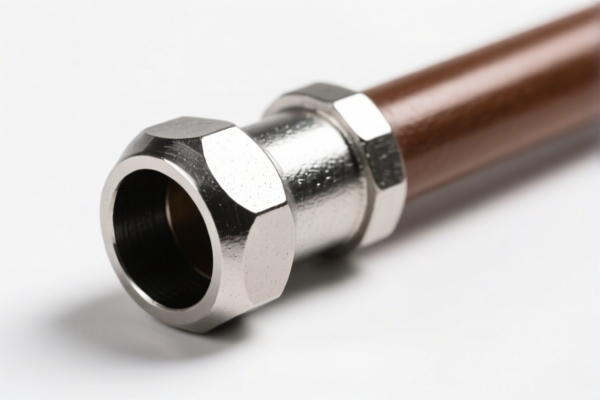
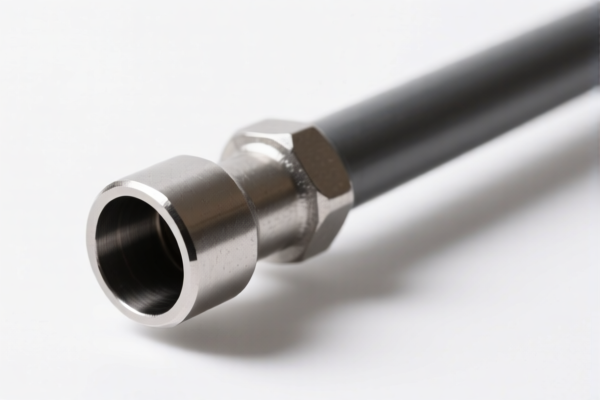
AI Analysis
🔗 Pipe Joints & Connectors: The Ultimate HS Code & Tax Guide (2026 Update)
🌐 HS Code Reference & Customs Clearance Guide | 2026 Latest Tariff Analysis | Professional Clearance Strategy
📌 Part 1: Product Definition & Classification: Do You Really Understand "Pipe Joints"?
Pipe joints (also known as pipe fittings, connectors, or couplings) are critical components in fluid transportation systems. In international trade, they are NOT treated as a single category. The Harmonized System (HS) classifies them primarily based on Material and Function.
Two Main Categories in Customs Clearance:
- Rubber/Plastic Hoses & Connectors (Chapter 40 & 39):
- Rubber: Vulcanized rubber connectors, flexible hose ends.
- Plastic: PVC, PP, PE connectors used for water/gas drainage.
- Metal Fittings & Valve Parts (Chapter 73 & 84):
- Iron/Steel: Cast iron or steel connectors, non-malleable.
- Valve Parts: Specific connectors that serve as integral parts of pressure-regulating valves.
⚠️ Key Distinction Point:
- If it's Rubber → Look at 4009.
- If it's Plastic → Look at 3917.
- If it's Metal (Iron/Steel) → Look at 7307.
- If it's a Valve Accessory (specifically for valve control) → Look at 8481.
📦 Part 2: HS Code Classification Details (2026 Latest Tariff Reference)
Based on the provided data, here are the specific HS codes for Pipe Joints, categorized by material and function.
| HS Code | Product Description | Material/Type | Application Scenario |
|---|---|---|---|
4009.12.00.50 |
Rubber Pipe Connector | Vulcanized Rubber | Rubber hose fittings,管路附件/接头, no material conflict. |
4009.12.00.20 |
Rubber Pipe Connector | Rubber | Accessories/class-type joints, generic rubber connectors. |
3917.40.00.95 |
Water Pipe Internal Connector | Plastic (Inferred) | Other plastic accessories, drainage/water pipes. |
8481.90.90.60 |
Water Pipe Internal Connector | Metal/Plastic | Valve parts/accessories, fits valve attachment features. |
7307.11.00.60 |
Water Pipe Internal Connector | Metal (Iron/Steel) | Non-malleable cast iron pipe accessories. |
🔍 Critical Reminder:
- Plastic joints are often misclassified. If it's rigid plastic for water/gas, use 3917. If it's a valve component, it might move to 8481 (but check function).
- Metal joints are strictly regulated. If they are steel/iron, use 7307.
- Valve parts (8481) have a very high tax burden due to specific tariff structures; ensure the product is genuinely a valve part, not just a pipe connector.
💰 Part 3: 2026 Latest Tariff Rate Breakdown (Including Additional Duties & Policy Surcharges)
✅ Applicable Country: United States (US)
✅ Origin: China (CN)
✅ Effective Date: Current 2026 Tariff Structure
🎯 1. 4009.12.00.50 & 4009.12.00.20 —— Rubber Pipe Connectors
| Item | Details |
|---|---|
| Base Tariff | 2.5% |
| Additional Tariff (Section 301) | +7.5% |
| Section 122 Tariff | +10.0% |
| Total Tariff Rate | 20.0% |
| Calculation | CIF Value × 20% |
| De Minimis Exemption? | ❌ No (Deny de minimis) |
| Legal Basis Path | Section 301: 7.5% → Section 122: 10% → USITC: 4009.12 |
📌 Explanation:
- Base Rate (2.5%): Standard MFN rate for rubber hose fittings.
- Section 301 (7.5%): Additional duty on Chinese rubber goods.
- Section 122 (10%): Specific tariff for certain rubber products under US trade laws.
- Total 20%: This is a moderate-high tariff but lower than metal/valve parts.
🎯 2. 3917.40.00.95 —— Plastic Water Pipe Connectors
| Item | Details |
|---|---|
| Base Tariff | 5.3% |
| Additional Tariff (Section 301) | +25.0% |
| Section 122 Tariff | +10.0% |
| Total Tariff Rate | 40.3% |
| Calculation | CIF Value × 40.3% |
| De Minimis Exemption? | ❌ No (Deny de minimis) |
| Legal Basis Path | Section 301: 25% → Section 122: 10% → USITC: 3917.40 |
📌 Warning:
- Plastic pipe fittings face heavy tariffs (40.3%).
- The 25% Section 301 duty is the biggest cost driver.
- Ensure the plastic is correctly identified as "other fittings" (3917.40) and not misclassified under lower-tariff items.
🎯 3. 8481.90.90.60 —— Valve Parts (Metal/Plastic Connectors)
| Item | Details |
|---|---|
| Base Tariff | 0.0% |
| Additional Tariff (Section 301) | +25.0% |
| Section 122 Tariff | +10.0% |
| Steel/Aluminum/Copper Additional | +50.0% (If applicable) |
| Total Tariff Rate | 85.0% (or higher) |
| Calculation | CIF Value × 85% |
| De Minimis Exemption? | ❌ No (Deny de minimis) |
| Legal Basis Path | Section 301: 25% → Section 122: 10% → Steel/Copper Surcharge: 50% |
🚨 CRITICAL ALERT:
- This is the HIGHEST TAX category in the list.
- 85% Total Tax: If the connector is considered a "valve part" AND made of steel/copper/aluminum, the total tax can reach 85%.
- Avoid this classification if possible! Only use8481if the part is strictly an integral component of a valve (e.g., a valve bonnet, stem, or specific valve body connector), not a general pipe joint.
- Misclassification here can lead to massive back-taxes and penalties.
🎯 4. 7307.11.00.60 —— Iron/Steel Pipe Connectors
| Item | Details |
|---|---|
| Base Tariff | 4.8% |
| Additional Tariff (Section 301) | +25.0% |
| Section 122 Tariff | +10.0% |
| Total Tariff Rate | 39.8% |
| Calculation | CIF Value × 39.8% |
| De Minimis Exemption? | ❌ No (Deny de minimis) |
| Legal Basis Path | Section 301: 25% → Section 122: 10% → USITC: 7307.11 |
📌 Note:
- For non-malleable cast iron or steel pipe fittings, the rate is 39.8%.
- This is slightly lower than plastic fittings (40.3%) but significantly lower than valve parts (85%).
- Ensure the material is correctly declared as Iron/Steel and not "alloy" or "valve part" to avoid the 85% rate.
🛠️ Part 4: Practical Customs Clearance Advice (Avoiding Pitfalls)
✅ 1. Documentation Checklist (Mandatory)
| Document | Required | Purpose |
|---|---|---|
| Product Specification Sheet | ✔️ | Detail material (Rubber, Plastic, Steel), dimensions, pressure rating. |
| Material Test Report | ✔️ | Prove rubber is "vulcanized" (for 4009) or plastic type (for 3917). |
| Product Photos (Clear) | ✔️ | Show connection type (threaded, slip-fit, flange). |
| Commercial Invoice | ✔️ | Must clearly state "Pipe Joint" or "Connector" with material. |
| Certificate of Origin (CO) | ✔️ | Required for proving Chinese origin to apply correct Section 301 rates. |
| Valve Part Proof (if 8481) | ✔️ | Only if using 8481: Provide diagrams showing it's part of a valve system. |
✅ 2. Declaration Strategy (Key Tips)
🔥 "Material First, Function Second. Don't Over-Classify!"
| Scenario | Correct HS Code | Risk if Incorrect |
|---|---|---|
| Rubber Hose End | 4009.12.00.50 or .20 |
Misclassifying as plastic (3917) → 40.3% vs 20% → Overpayment. |
| Plastic Water Fitting | 3917.40.00.95 |
Misclassifying as rubber → 20% vs 40.3% → Underpayment/Penalty. |
| Steel Pipe Elbow | 7307.11.00.60 |
Misclassifying as "Valve Part" → 39.8% vs 85% → Massive Overpayment. |
| Valve Accessory | 8481.90.90.60 |
Avoid unless 100% certain. High tax burden. |
⚠️ Critical Warning:
- Do NOT declare a standard steel pipe elbow as a "Valve Part" (8481) just to fit a code. It will be taxed at 85%.
- Do NOT declare a plastic fitting as "Rubber" (4009) to get the 20% rate. It will be taxed at 40.3%.
- Accuracy saves money. Steel (39.8%) < Plastic (40.3%) < Valve Parts (85.0%).
✅ 3. Special Cases & Solutions
| Case | Recommendation |
|---|---|
| Mixed Materials | If a joint has rubber seals and steel body, declare based on Essential Character (usually Steel → 7307). |
| OEM/Custom Joints | Provide custom drawings. If it's a unique valve component, consider 8481 but calculate cost first. |
| Small Quantity (De Minimis) | ❌ No exemption. All listed HS codes have Deny de minimis. Even small shipments are taxed. |
| Origin Transshipment | If shipped via Vietnam/Mexico, do not lie about origin. US customs checks rubber/plastic/steel origins strictly. |
🌍 Part 5: Global Market Comparison (2026)
| Country/Region | Recommended HS Code | Est. Tax Rate (China Origin) | Key Certification |
|---|---|---|---|
| 🇺🇸 USA | 7307.11.00.60 (Steel) |
39.8% | None specific, but CO required |
| 🇺🇸 USA | 3917.40.00.95 (Plastic) |
40.3% | None specific |
| 🇺🇸 USA | 4009.12.00.50 (Rubber) |
20.0% | None specific |
| 🇪🇺 EU | Various (e.g., 7307, 3917) | 0-5% (Most Free Trade) | CE, REACH |
| 🇨🇳 China | Various | 0-5% (Import Duty) | CCC (if applicable) |
📌 Conclusion:
- The US market is the most expensive due to Section 301 and Section 122 tariffs.
- Rubber joints (4009) are the most tax-efficient (20%).
- Steel/Plastic joints (7307/3917) are moderate (~40%).
- Valve parts (8481) are prohibitively expensive (85%) unless unavoidable.
📌 Part 6: Common Mistakes & Pitfalls (Lessons Learned)
❌ Mistake 1: Declaring a Steel Pipe Connector as a Valve Part (8481)
👉 Consequence: Tax jumps from 39.8% to 85% → Loss of 45.2% profit margin.
❌ Mistake 2: Declaring a Plastic Fitting as Rubber (4009)
👉 Consequence: Tax drops from 40.3% to 20% → Underpayment Penalty + Back Taxes + Seizure Risk.
❌ Mistake 3: Assuming De Minimis (800 USD) applies
👉 Consequence: All listed HS codes are excluded from de minimis. Even small samples are taxed.
❌ Mistake 4: Using generic terms like "Pipe Accessory" without material specification
👉 Consequence: Customs will classify based on worst-case scenario (usually higher tax or delay).
✅ Correct Declaration Format:
"Steel Pipe Elbow, 2-inch, NPT Thread, ASTM A53 Gr B, for Water System, Model XYZ"
🎯 Part 7: Final Advice: Precision Saves Money
🎯 Remember the Mantra:
🔹 "Material First: Rubber 20%, Steel 40%, Plastic 40%, Valve Parts 85%!"
🔹 "Don't Over-Classify: A pipe elbow is NOT a valve part."
🔹 "No De Minimis: Tax applies to all shipments from China."
📌 Pro Tip:
- For Steel/Plastic joints, consider supply chain diversification (e.g., sourcing from non-China origins if possible) to avoid Section 301 tariffs.
- For Rubber joints, the 20% rate is relatively manageable, but ensure it's not a valve component.
- Always apply for a Binding Ruling if the classification is ambiguous (e.g., is this plastic joint a valve part?).
📣 Immediate Action:
📞 Consult a licensed customs broker.
📄 Provide exact material specs and photos.
🚀 Correct classification = Profit Protection.
✨ Professional Clearance Starts with Accurate Classification!
💼 Every percent of tax difference is a percent of your profit!
Customer Reviews
About HS Code Classification
The Harmonized System (HS) is an internationally standardized nomenclature developed by the World Customs Organization (WCO) to classify traded products. Over 200 countries use the HS system as the basis for customs tariffs, trade statistics, and import/export regulations.
Each HS code follows a hierarchical structure:
- Chapter (2 digits) — Broad category of goods (e.g., Chapter 84: Machinery and Mechanical Appliances)
- Heading (4 digits) — More specific grouping within the chapter
- Subheading (6 digits) — Internationally standardized breakdown, used by all WCO member countries
- National subdivisions (8-10 digits) — Country-specific extensions for further classification, such as US HTSUS 10-digit codes
Correct HS code classification is essential for smooth customs clearance, accurate duty payment, and compliance with trade regulations. Misclassification can lead to customs delays, overpayment of duties, or penalties.
When importing from CN to US, the applicable tariff rates may include:
- Most-Favored-Nation (MFN) rate — The standard duty rate applied to WTO members
- General rate — Applied to countries without trade agreements
- Trade remedy duties — Additional tariffs such as Section 301 (anti-dumping), Section 232 (national security), or countervailing duties
The information provided on this page is for reference purposes only. For official classification, please consult with your local customs authority or a licensed customs broker.