plain weave fabric
CN → US| HS Code | Tariff Rate | Origin | Destination | Doc |
|---|---|---|---|---|
| 5309213055 | 41.9% | CN | US | Official Doc |
| 5309293055 | 35.0% | CN | US | Official Doc |
| 5210316020 | 47.2% | CN | US | Official Doc |
| 5208114020 | 44.0% | CN | US | Official Doc |
| 5208112020 | 42.0% | CN | US | Official Doc |
| 5407619965 | 49.9% | CN | US | Official Doc |
Product Images
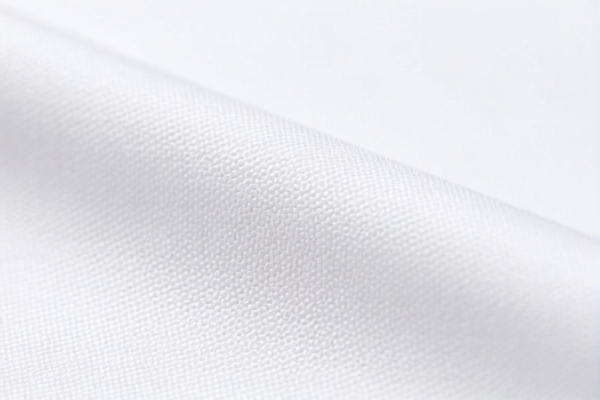
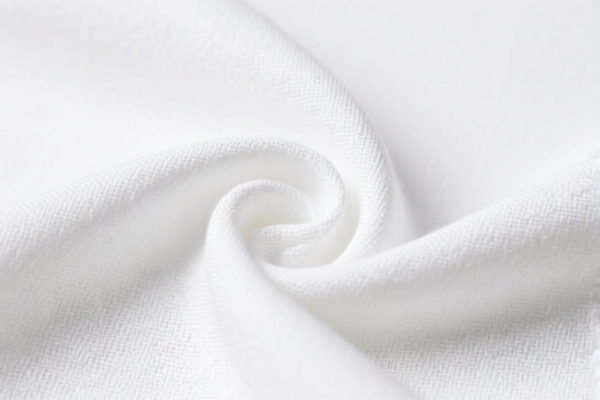
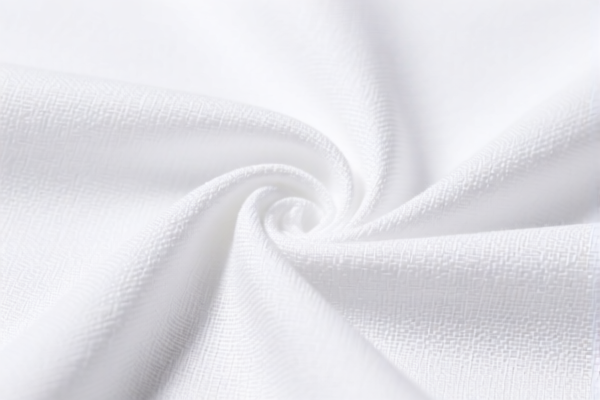
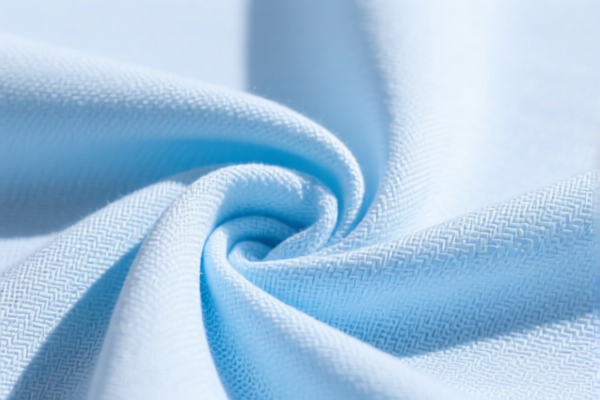
AI Analysis
🧵 Plain Weave Fabric (平纹细布/平纹机织物)
🌐 HS Code Reference & Customs Clearance Guide | 2026 Latest Tariff Analysis | Professional Strategy 📌 I. Product Definition: What is "Plain Weave Fabric"?
Plain Weave Fabric is the most fundamental type of textile construction, characterized by a simple "over-one, under-one" interlacing pattern. In international trade, it is not a single HS Code but a structural category that spans multiple material chapters (Cotton, Linen, Synthetic Fibers).
Because the Material (Cotton vs. Linen vs. Synthetic) determines the Chapter, and the Blend/Content determines the Heading, the HS Code varies significantly. However, the structure (Plain Weave) remains the constant.
⚠️ Key Distinction:
- If the fabric is Cotton-based → Falls under Chapter 52 (Textiles of Cotton).
- If the fabric is Linen-based → Falls under Chapter 53 (Other Vegetable Textile Fibers).
- If the fabric is Synthetic/Man-made Fiber-based → Falls under Chapter 54 (Man-made Filaments).
📦 II. HS Code Classification Matrix (Based on Provided Data)
The following HS Codes are directly derived from the provided dataset for "Plain Weave Fabric." Each code corresponds to a specific material composition while maintaining the "plain weave" structure.
| HS Code | Product Description & Logic | Total Tax Rate | Tax Composition Detail |
|---|---|---|---|
5309.21.30.55 |
Linen Plain Weave: Specifically described as "Plain weave cambric, matching the form of lawn or fine linen." (归类逻辑:亚麻类,平纹细布形态) |
41.9% | Base: 6.9% +25% (Sec 301) +10% (122 Clause) |
5309.29.30.55 |
Linen/Cotton Blend: Plain weave fabric containing cotton and man-made fibers, categorized under linen textile types. (归类逻辑:亚麻织物类别,含棉及人造纤维) |
35.0% | Base: 0.0% +25% (Sec 301) +10% (122 Clause) |
5210.31.60.20 |
Cotton/Polyester Blend: Plain weave fabric, directly corresponding to plain structure and fine cloth variety. (归类逻辑:棉涤混纺,直接对应平纹形态) |
47.2% | Base: 12.2% +25% (Sec 301) +10% (122 Clause) |
5208.11.40.20 |
100% Cotton: Cotton woven fabric, plain weave fine cloth, no material conflict. (归类逻辑:棉制机织物,无材质冲突) |
44.0% | Base: 9.0% +25% (Sec 301) +10% (122 Clause) |
5208.11.20.20 |
100% Cotton: Cotton woven fabric, plain weave structure, matching fabric material form. (归类逻辑:棉质机织物,平纹形态与布材质匹配) |
42.0% | Base: 7.0% +25% (Sec 301) +10% (122 Clause) |
5407.61.99.65 |
Synthetic: Other plain weave woven fabric, for other uses, fits "plane fabric" category. (归类逻辑:其他用途平纹机织物,符合平面织物类别) |
49.9% | Base: 14.9% +25% (Sec 301) +10% (122 Clause) |
🔍 Critical Insight:
- Base Tax Rates vary from 0% (for some linen blends) to 14.9% (for synthetics).
- Additional Taxes are uniform across all codes in this dataset: 25% (Section 301) + 10% (122 Clause).
- Total Tax Range: 35.0% – 49.9%.
💰 III. 2026 Latest Tariff Rate Breakdown (Detailed Tax Terms)
✅ Applicable Country: USA (US)
✅ Origin: China (CN) (Implied by "122 Clause" and high Section 301 rates)
✅ Effective Date: Current (2025-2026)
🎯 1. 5309.21.30.55 & 5309.29.30.55 — Linen & Linen Blends
| Item | Content |
|---|---|
| Base Tariff | 6.9% (for pure linen cambric) / 0.0% (for specific linen blends) |
| Section 301 Surcharge | +25% (US Trade Act Section 301) |
| 122 Clause Surcharge | +10% (Specific clause cited in data) |
| Total Effective Rate | 41.9% or 35.0% |
| Calculation Base | CIF Value × Total Rate |
| De Minimis Exemption | ❌ NO (High value thresholds or specific exclusions apply) |
📌 Explanation:
- Linen fabrics generally have lower base tariffs, but the 35%-41.9% total rate is still prohibitive.
- The 0% base for5309.29.30.55is rare and specific to certain blend definitions; verify material composition carefully.
🎯 2. 5208.11.40.20 & 5208.11.20.20 — 100% Cotton Plain Weave
| Item | Content |
|---|---|
| Base Tariff | 9.0% / 7.0% (depending on specific weight/construction) |
| Section 301 Surcharge | +25% |
| 122 Clause Surcharge | +10% |
| Total Effective Rate | 44.0% / 42.0% |
| Calculation Base | CIF Value × Total Rate |
| De Minimis Exemption | ❌ NO |
📌 Explanation:
- Cotton fabrics face higher base tariffs (7-9%) than some linen blends.
- This is the most common category for apparel and home textiles.
- Cost Impact: A $10,000 shipment incurs ~$4,200–$4,400 in taxes.
🎯 3. 5210.31.60.20 — Cotton-Polyester Blend (Weighted)
| Item | Content |
|---|---|
| Base Tariff | 12.2% |
| Section 301 Surcharge | +25% |
| 122 Clause Surcharge | +10% |
| Total Effective Rate | 47.2% |
| Calculation Base | CIF Value × Total Rate |
| De Minimis Exemption | ❌ NO |
📌 Explanation:
- Blends often fall into higher base tariff brackets if they exceed 50% synthetic or specific cotton percentages.
- 47.2% is a significant cost driver; consider sourcing from non-China origins if possible.
🎯 4. 5407.61.99.65 — Synthetic Plain Weave
| Item | Content |
|---|---|
| Base Tariff | 14.9% |
| Section 301 Surcharge | +25% |
| 122 Clause Surcharge | +10% |
| Total Effective Rate | 49.9% |
| Calculation Base | CIF Value × Total Rate |
| De Minimis Exemption | ❌ NO |
📌 Explanation:
- Synthetic fabrics have the highest base tariff (14.9%).
- With surcharges, the total hits nearly 50%.
- This is the most expensive category in the provided data.
🛠️ IV. Customs Clearance Practical Advice (Pitfall Avoidance)
✅ 1. Critical Documentation Checklist
| Document | Mandatory? | Purpose |
|---|---|---|
| Fabric Specification Sheet | ✔️ | Must detail Weave Type (Plain/Plat), Yarn Count (e.g., 20s/40s), Weight (GSM), and Material Composition (% Cotton vs. % Polyester). |
| Mill Test Report | ✔️ | Proves the actual fiber content. Customs will reject if % Cotton does not match the HS Code assumption. |
| Commercial Invoice | ✔️ | Must clearly state: "Plain Weave Cotton Fabric" or "Polyester Plain Weave Cloth," not just "Textile Material." |
| Packing List | ✔️ | Show gross/net weight. For textiles, weight is a key verification parameter. |
| Letter of Guarantee | ✔️ | If unsure of classification, provide a legal guarantee to cover potential back-taxes. |
✅ 2. Classification Strategy (The "Material First" Rule)
| Scenario | Correct Approach | Common Error |
|---|---|---|
| 100% Cotton | Use 5208 series. Verify yarn count and weight to distinguish between ...20 and ...40. |
Mixing up with 5516 (Synthetic) → 49.9% vs 42.0%. |
| Linen | Use 5309 series. Confirm it is "flax" or "ramie." |
Misclassifying as "Other Vegetable Fibers" → Base tax 0% but risk of audit. |
| Blend (Cotton + Synth) | Use 5210 series. Check if synthetic >50% or cotton >50%. |
Using 5407 (Synthetic) for a 60% Cotton blend → 49.9% instead of 47.2%. |
| General "Fabric" | NEVER use generic terms. | Vague descriptions lead to manual examination, delays, and potential reclassification to higher taxes. |
✅ 3. Special Considerations for "Plain Weave"
- Weight Matters: For cotton (
5208), the first 6 digits often depend on the fabric weight (per square meter). Ensure your GSM (Grams per Square Meter) matches the HS Code definition. - Yarn Count: Finer yarns (higher count) may fall into different sub-headings even within the same material type.
- 122 Clause Specifics: The "122 Clause" mentioned (10% add-on) suggests a specific trade remedy or administrative code. Ensure your entry includes the correct regulatory code to avoid "Held" status at customs.
🌍 V. Global Market Comparison (2026 Context)
| Region | Recommended HS Code (Example) | Base Tariff | Additional Taxes | Total Est. Cost |
|---|---|---|---|---|
| 🇺🇸 USA | 5208.11.20.20 (Cotton) |
7.0% | +35% (301 + 122) | 42.0% |
| 🇪🇺 EU | 5208.11.20 (Cotton) |
8.6% | 0% | 8.6% |
| 🇨🇳 China | 5208.11.20 (Cotton) |
8.0% | 0% | 8.0% |
| 🇬🇧 UK | 5208.11.20 (Cotton) |
8.0% | 0% | 8.0% |
📌 Strategic Insight:
- US Tariffs are nearly 5x higher than EU/China tariffs for the same product.
- Mitigation Strategy: If possible, shift production to Vietnam, Bangladesh, or India to leverage GSP (Generalized System of Preferences) or Free Trade Agreements (FTAs), potentially reducing taxes to 0-4%.
📌 VI. Common Errors & Pitfalls (Blood & Tears)
❌ Error 1: Declaring "Cotton Fabric" when it is 60% Polyester.
👉 Result: Misclassification as 5407 (49.9%) instead of 5210 (47.2%). Difference: 2.7% on large volumes.
❌ Error 2: Ignoring the "122 Clause" surcharge.
👉 Result: Underpayment of 10%. Customs will issue a Demand for Payment + Penalties.
❌ Error 3: Vague description "Textile Material."
👉 Result: Customs examiners have the right to classify it based on their judgment, often choosing the highest potential tax code.
❌ Error 4: Assuming all "Plain Weave" is one code.
👉 Result: Failing to distinguish between 5309 (Linen) and 5208 (Cotton) leads to immediate flags due to material mismatch.
✅ Correct Practice:
"Plain Weave Woven Fabric, 100% Cotton, 20s/40s, 100 GSM, White, for Apparel Use, HS 5208.11.20.20"
🎯 VII. Conclusion: Professional Classification Saves Money
🎯 Key Takeaway:
🔹 "Material First, Structure Second"
🔹 "Plain Weave" is not a code, it's a feature.
🔹 "US Tariffs on Textiles are Heavy: 35-50%."
🔹 "Check the Blend: 1% difference in % Cotton can change the Base Tax."
📌 Pro Tip:
For shipments to the USA, consider Transshipment (e.g., China → Vietnam → USA) or Duty Drawback programs if you are re-exporting.
Always request a Pre-Ruling from CBP (U.S. Customs and Border Protection) for high-volume shipments to lock in the HS Code and tax rate.
📣 Immediate Action:
📞 Audit your Bill of Lading: Does it specify "Plain Weave"?
📄 Verify Material Composition: Is it 100% Cotton or Blend?
💰 Calculate Landed Cost: Use the 35-50% range for accurate pricing.
✨ Precision in Classification = Profit in Pocket!
💼 Don't let tariff complexity eat your margins.
Customer Reviews
About HS Code Classification
The Harmonized System (HS) is an internationally standardized nomenclature developed by the World Customs Organization (WCO) to classify traded products. Over 200 countries use the HS system as the basis for customs tariffs, trade statistics, and import/export regulations.
Each HS code follows a hierarchical structure:
- Chapter (2 digits) — Broad category of goods (e.g., Chapter 84: Machinery and Mechanical Appliances)
- Heading (4 digits) — More specific grouping within the chapter
- Subheading (6 digits) — Internationally standardized breakdown, used by all WCO member countries
- National subdivisions (8-10 digits) — Country-specific extensions for further classification, such as US HTSUS 10-digit codes
Correct HS code classification is essential for smooth customs clearance, accurate duty payment, and compliance with trade regulations. Misclassification can lead to customs delays, overpayment of duties, or penalties.
When importing from CN to US, the applicable tariff rates may include:
- Most-Favored-Nation (MFN) rate — The standard duty rate applied to WTO members
- General rate — Applied to countries without trade agreements
- Trade remedy duties — Additional tariffs such as Section 301 (anti-dumping), Section 232 (national security), or countervailing duties
The information provided on this page is for reference purposes only. For official classification, please consult with your local customs authority or a licensed customs broker.