plain weave fabric 43 68 count
CN → US| HS Code | Tariff Rate | Origin | Destination | Doc |
|---|---|---|---|---|
| 5407693000 | 35.0% | CN | US | Official Doc |
| 5407731000 | 35.0% | CN | US | Official Doc |
| 5208316040 | 44.7% | CN | US | Official Doc |
| 5208114020 | 44.0% | CN | US | Official Doc |
| 5512210010 | 47.0% | CN | US | Official Doc |
Product Images
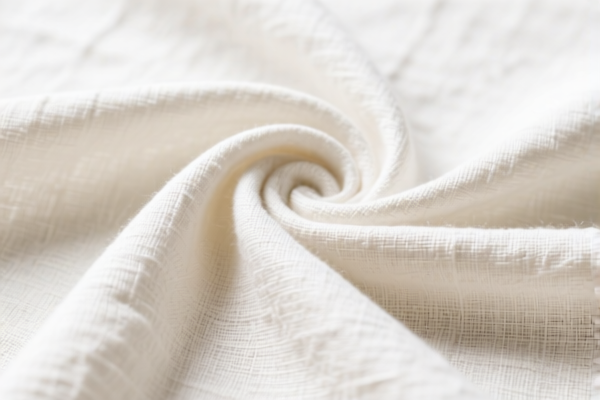
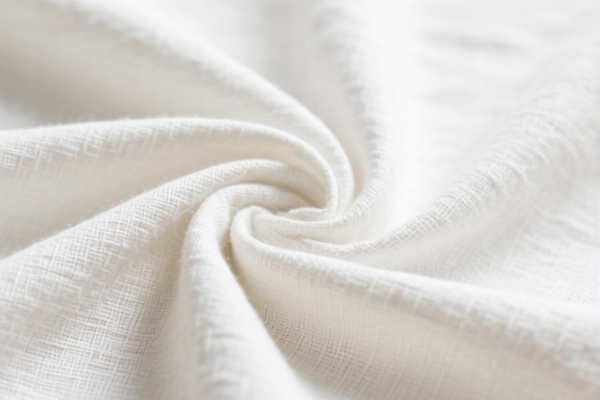
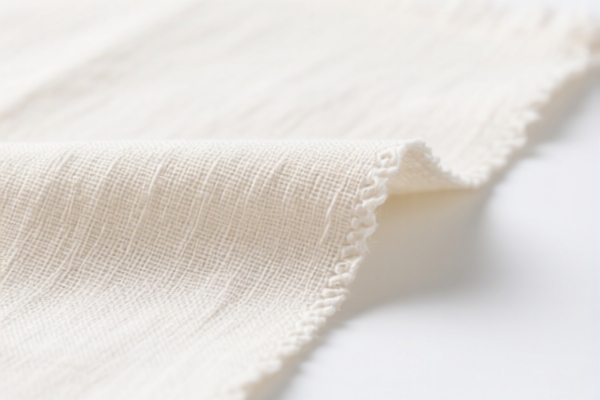
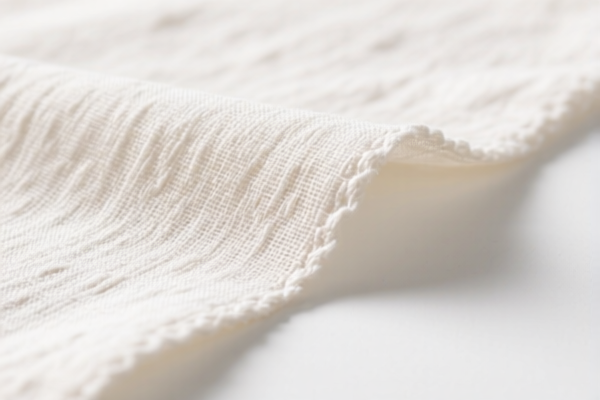
AI Analysis
🧵 Plain Weave Fabric (43x68 Count) – HS Code & Customs Clearance Guide
🌐 HS Code Reference & Clearance Strategy | 2026 Latest Tariff Analysis | Professional Compliance Guide
📌 I. Product Definition & Classification: What is "Plain Weave Fabric 43x68"?
"Plain Weave Fabric" refers to the most basic textile structure, where warp and weft threads interlace in a simple over-under pattern. The designation "43 68 Count" typically refers to thread count density (ends per inch/cm or yarn count), indicating a specific weave tightness and fabric weight. In international trade, this product is classified based on its fiber material (Cotton, Synthetic, Wool, etc.), which drastically affects the HS Code and tariff rate.
⚠️ Key Classification Point:
- The term "Plain Weave" alone is insufficient for accurate HS coding.
- You must identify the primary fiber content (e.g., 100% Cotton, 100% Polyester).
- The provided data below covers the most likely candidates based on standard textile categories (Cotton vs. Synthetic/Man-made filaments).
📦 II. HS Code Classification Matrix (Based on Provided Data)
The following HS Codes are derived from the input data. Each code corresponds to a specific fiber type or weave characteristic.
| HS Code | Material/Description | Total Tax Rate | Tax Detail Breakdown |
|---|---|---|---|
| 5407.69.30.00 | Synthetic/Man-made Filament (e.g., Polyester, Nylon) Plain Weave, Density matches standard range. |
35.0% | Base: 0.0% Additional (Sec 301): 25.0% Sec 122: 10% |
| 5407.73.10.00 | Synthetic/Man-made Filament Plain Weave, Density parameters partially overlap. |
35.0% | Base: 0.0% Additional (Sec 301): 25.0% Sec 122: 10% |
| 5208.31.60.40 | 100% Cotton Plain Weave, Yarn Count Matches. |
44.7% | Base: 9.7% Additional (Sec 301): 25.0% Sec 122: 10% |
| 5208.11.40.20 | 100% Cotton Plain Weave, Warp & Weft Density Fully Matches. |
44.0% | Base: 9.0% Additional (Sec 301): 25.0% Sec 122: 10% |
| 5512.21.00.10 | Synthetic Staple Fiber (e.g., Polyester Staple) Plain Weave Structure. |
47.0% | Base: 12.0% Additional (Sec 301): 25.0% Sec 122: 10% |
🔍 Critical Insight:
- Cotton Fabrics (5208.xx) carry a Higher Base Tariff (9.0%–9.7%) compared to Synthetic Filaments (5407.xx) which have 0% Base.
- However, all categories listed are subject to US Section 301 Additional Tariffs (25%) and Section 122 Tariffs (10%).
- The total tax burden ranges from 35% to 47%, depending on the specific fiber composition and weave density.
💰 III. 2026 Tariff Rate Breakdown & Legal Basis
✅ Applicable Country: USA (US)
✅ Origin: China (CN)
✅ Effective Time: Post-2025 (Including subsequent imports)
🎯 1. Synthetic/Man-made Filament Fabrics (HS 5407.69.30.00 & 5407.73.10.00)
| Item | Details |
|---|---|
| Base Duty | 0.0% (Ad Valorem) |
| USITC Additional Duty (Sec 301) | +25.0% |
| Section 122 Additional Duty | +10.0% |
| Total Effective Tax Rate | 35.0% |
| Calculation Basis | CIF Value × 35.0% |
| De Minimis Exemption? | ❌ No (Denied for Chinese Origin) |
| Legal Path | IEEPA:9903.01.25 → USITC:5407.69.30.00 → FOOTNOTE:9903.88.01 |
📌 Explanation:
- Synthetic filaments (like Polyester) often have lower base duties but are heavily impacted by trade tariffs.
- The Section 122 tariff (10%) is a specific administrative levy on imports from China.
🎯 2. Cotton Fabrics (HS 5208.31.60.40 & 5208.11.40.20)
| Item | Details |
|---|---|
| Base Duty | 9.0% – 9.7% (Ad Valorem) |
| USITC Additional Duty (Sec 301) | +25.0% |
| Section 122 Additional Duty | +10.0% |
| Total Effective Tax Rate | 44.0% – 44.7% |
| Calculation Basis | CIF Value × (9.0–9.7%) + 35% |
| De Minimis Exemption? | ❌ No (Denied for Chinese Origin) |
| Legal Path | USITC:5208.11.40.20 → FOOTNOTE:9903.88.01 |
📌 Explanation:
- Cotton fabrics are subject to higher base tariffs than synthetic filaments.
- HS 5208.11.40.20 offers a slightly lower total rate (44.0%) compared to 5208.31.60.40 (44.7%) due to a lower base duty (9.0% vs 9.7%).
- Ensure your fabric's warp/weft density exactly matches the HS Code description to qualify for the lower rate.
🎯 3. Synthetic Staple Fiber Fabrics (HS 5512.21.00.10)
| Item | Details |
|---|---|
| Base Duty | 12.0% (Ad Valorem) |
| USITC Additional Duty (Sec 301) | +25.0% |
| Section 122 Additional Duty | +10.0% |
| Total Effective Tax Rate | 47.0% |
| Calculation Basis | CIF Value × 47.0% |
| De Minimis Exemption? | ❌ No (Denied for Chinese Origin) |
| Legal Path | USITC:5512.21.00.10 → FOOTNOTE:9903.88.01 |
📌 Explanation:
- This is the highest tax bracket among the listed options due to the high base duty (12%).
- Only classify here if the fabric is made from synthetic staple fibers (e.g., spun polyester) and not continuous filaments.
🛠️ IV. Customs Clearance Practical Advice (Pitfall Avoidance)
✅ 1. Required Documentation Checklist
| Document | Mandatory? | Purpose |
|---|---|---|
| ✅ Product Specification Sheet | ✔️ | Must specify: Fiber Content (%), Weave Type (Plain), Density (43x68), Width, Weight (GSM). |
| ✅ Fabric Swatch/Photo | ✔️ | Visual proof of weave structure. |
| ✅ Commercial Invoice | ✔️ | Must state "Plain Weave Fabric, Cotton/Synthetic, 43x68 Count". |
| ✅ Bill of Lading (B/L) | ✔️ | Ensure cargo description matches invoice. |
| ✅ Certificate of Origin (CO) | ✔️ | For US-China trade, confirms origin (no preferential tariff). |
✅ 2. Declaration Tips (Key Mnemonic)
🔥 “Fiber First, Density Second, Name Specific, Tax Predictable!”
| Scenario | Correct Declaration | Wrong Practice | Consequence |
|---|---|---|---|
| 100% Cotton, Plain Weave | 5208.11.40.20 or 5208.31.60.40 |
Vague term "Fabric" | Customs reclassification → 47%+ Tax |
| 100% Polyester (Filament) | 5407.69.30.00 |
"Cotton-like Fabric" | Penalty for Misdeclaration |
| Polyester Staple (Non-woven?) | 5512.21.00.10 |
"Woven Fabric" | Rejection if structure doesn't match |
| Mix of Fibers | Determine Primary Fiber | List all fibers equally | HS Code Error → Delayed Release |
✅ 3. Special Handling
| Case | Recommendation |
|---|---|
| Blended Fabrics (e.g., 65% Poly/35% Cotton) | Classify based on the chief weight fiber. If Poly > 50%, use 5407.xx. If Cotton > 50%, use 5208.xx. |
| Density Discrepancy | If "43 68" does not exactly match the HS Code's density range, use the most similar code (as per summary) but prepare to justify. |
| Section 122 Tariff (10%) | This is non-negotiable for Chinese goods. Do not plan for duty-free entry. |
🌍 V. Global Market Comparison (2026)
| Country/Region | Recommended HS Code | Estimated Tax | Notes |
|---|---|---|---|
| 🇺🇸 USA | 5208.11.40.20 (Cotton) |
44.0% | Includes Sec 301 (25%) + Sec 122 (10%) + Base (9%) |
| 🇺🇸 USA | 5407.69.30.00 (Poly Filament) |
35.0% | Includes Sec 301 (25%) + Sec 122 (10%) + Base (0%) |
| 🇨🇳 China | 5208.11.40.20 |
5.0% – 9.0% | Lower base duty, no Sec 301/122 |
| 🇪🇺 EU | 5208.11.40.20 |
0% – 12% | Varies by exact cotton content and origin. Check EBA/GSP. |
| 🇬🇧 UK | 5208.11.40.20 |
6.5% – 12% | Post-Brexit tariff schedule applies. |
📌 Conclusion:
- USA is the most expensive market for Chinese textile due to 35%–47% total tax.
- Cotton fabrics are taxed higher than Synthetic Filament fabrics in the US.
- No De Minimis exemption applies.
📌 VI. Common Errors & Pitfalls
❌ Error 1: Declaring "Polyester" for a Cotton Fabric
👉 Consequence: Customs rejection, fines, and potential seizure.
👉 Fix: Always test fiber content or use supplier's test report.
❌ Error 2: Ignoring the "43 68" Density
👉 Consequence: If density falls outside the HS Code's specific range, customs may reclassify to a higher-tariff code.
👉 Fix: Verify density against HS Code footnotes.
❌ Error 3: Assuming "Plain Weave" is always the same HS Code
👉 Consequence: Misclassification between 5208 (Cotton) and 5407 (Synthetic).
👉 Fix: Fiber Content is King. Weave is secondary.
✅ Correct Declaration Example:
"100% Cotton Plain Weave Fabric, 43x68 Count Density, Width 58 Inches, White, for Apparel Use, HS 5208.11.40.20"
🎯 VII. Conclusion: Precision Saves Money
🎯 Remember:
🔹 "Fiber determines HS, Density confirms it, Tariffs are high in USA."
🔹 "Cotton pays more base duty, Synthetics pay less base but same附加 tariffs."
🔹 "Total Tax 35%–47%: Plan your pricing accordingly!"
📌 Pro Tip:
If your fabric is blended, consider separating shipments if one component is cheaper to import.
Always apply for a Pre-Ruling from US Customs if your fabric's density or fiber content is borderline.
📣 Immediate Action:
📞 Contact your customs broker with Fiber Test Reports + Fabric Swatches.
🚀 Ensure your invoice explicitly states "Cotton" or "Polyester" to avoid ambiguity.
💰 Budget 35%–47% of CIF value for US Duties.
✨ Professional Clearance Starts with Accurate Classification!
💼 Your Profit Margin Depends on Correct HS Coding!
Customer Reviews
About HS Code Classification
The Harmonized System (HS) is an internationally standardized nomenclature developed by the World Customs Organization (WCO) to classify traded products. Over 200 countries use the HS system as the basis for customs tariffs, trade statistics, and import/export regulations.
Each HS code follows a hierarchical structure:
- Chapter (2 digits) — Broad category of goods (e.g., Chapter 84: Machinery and Mechanical Appliances)
- Heading (4 digits) — More specific grouping within the chapter
- Subheading (6 digits) — Internationally standardized breakdown, used by all WCO member countries
- National subdivisions (8-10 digits) — Country-specific extensions for further classification, such as US HTSUS 10-digit codes
Correct HS code classification is essential for smooth customs clearance, accurate duty payment, and compliance with trade regulations. Misclassification can lead to customs delays, overpayment of duties, or penalties.
When importing from CN to US, the applicable tariff rates may include:
- Most-Favored-Nation (MFN) rate — The standard duty rate applied to WTO members
- General rate — Applied to countries without trade agreements
- Trade remedy duties — Additional tariffs such as Section 301 (anti-dumping), Section 232 (national security), or countervailing duties
The information provided on this page is for reference purposes only. For official classification, please consult with your local customs authority or a licensed customs broker.