plastic apparel cleaning supplies
CN → US| HS Code | Tariff Rate | Origin | Destination | Doc |
|---|---|---|---|---|
| 3926901000 | 20.9% | CN | US | Official Doc |
| 3924104000 | 13.4% | CN | US | Official Doc |
| 3924905650 | 20.9% | CN | US | Official Doc |
| 9603908040 | 20.3% | CN | US | Official Doc |
| 9603908050 | 70.3% | CN | US | Official Doc |
| 3926909989 | 22.8% | CN | US | Official Doc |
Product Images
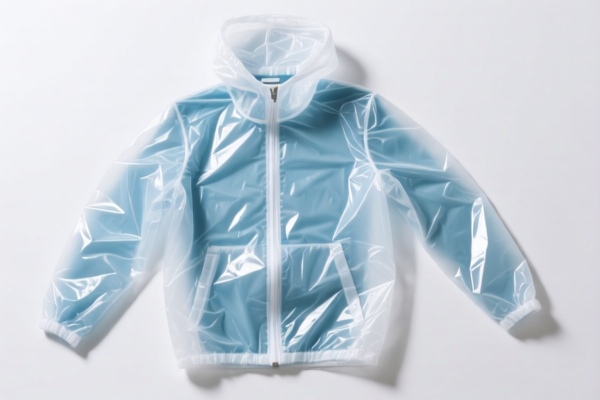
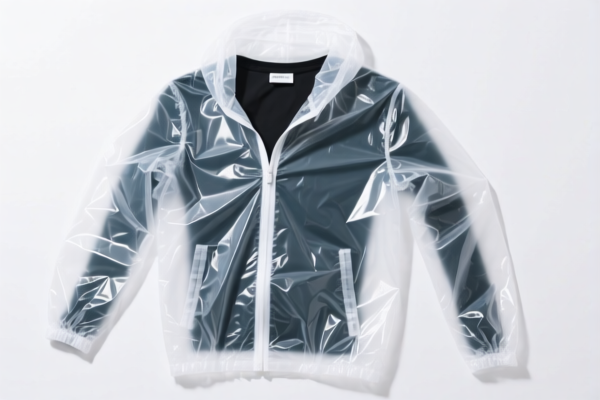
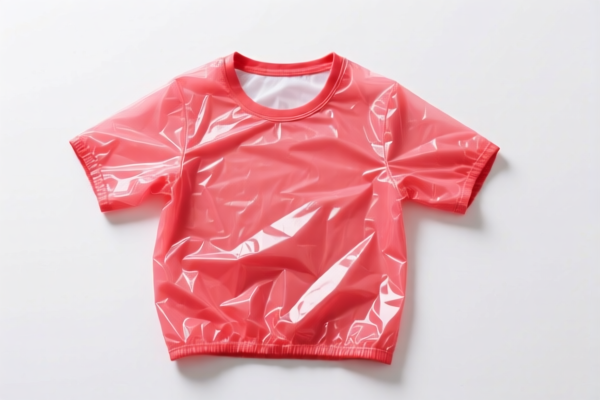
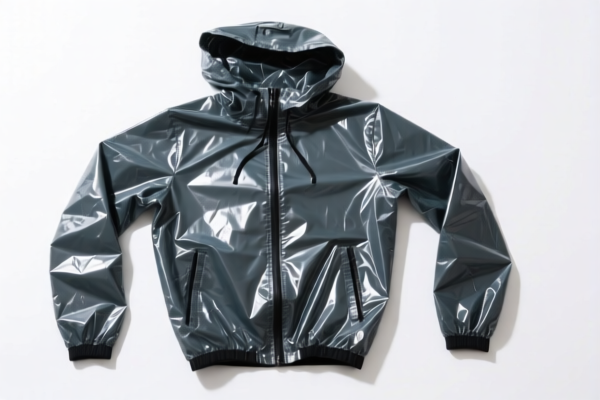
AI Analysis
🧼 Plastic Apparel Cleaning Supplies: HS Code Classification & Customs Clearance Guide (2026)
🌐 HS Code Reference & Customs Strategy | Latest 2026 Tariff Analysis | Professional Clearance Guide
📌 One Product, Multiple Classifications: Why "Plastic Cleaning Tools" Are a Customs Minefield
Plastic Apparel Cleaning Supplies (e.g., plastic clothes brushes, lint removers, shoe brushes, delicate fabric care tools) are versatile household items. However, in international trade, their HS Code classification is highly sensitive to two factors: 1. Material Composition: Primarily plastic. 2. Specific Function: Whether they are categorized as "Household Articles" (Chapter 39) or "Brooms/Brushes" (Chapter 96).
⚠️ Critical Warning:
- Misclassification can lead to tax differences ranging from 13.4% to 70.3%. - The presence of "Section 301" (122条款) tariffs and Section 232/Steel-Aluminum surcharges can drastically alter costs. - Do not guess! Below is the detailed breakdown of potential HS Codes based on the provided data.
📦 II. HS Code Classification Details (2026 Latest Tariff Authority Comparison)
| HS Code | Product Description | Summary/Justification | Total Tax Rate | Key Tax Components |
|---|---|---|---|---|
3924.10.40.00 |
Household/Toilet Articles of Plastic | Item explicitly contains "plastic"; "cleaning supplies" falls under "other household or toilet articles." | 13.4% | Base: 3.4% Section 301: 0% 122 Clause: 10% |
3926.90.10.00 |
Other Plastic Articles | Matches material (plastic) with "other plastic products" category; fits basic plastic attributes. | 20.9% | Base: 3.4% Section 301: 7.5% 122 Clause: 10% |
3926.90.56.50 |
Other Household/Toilet Plastic Articles | Material: Plastic; Use: Cleaning tools; Category: "Other household/toilet articles." | 20.9% | Base: 3.4% Section 301: 7.5% 122 Clause: 10% |
3926.90.99.89 |
Other Plastic Articles (Not Elsewhere Specified) | Name includes "plastic"; "cleaning supplies" are "other" items not specifically listed. | 22.8% | Base: 5.3% Section 301: 7.5% 122 Clause: 10% |
9603.90.80.40 |
Brooms, Brushes (Excluding) | Use (cleaning tools) matches "brooms, brushes"; Material (plastic) does not conflict. | 20.3% | Base: 2.8% Section 301: 7.5% 122 Clause: 10% |
9603.90.80.50 |
Brooms, Brushes (Excluding) | Use: Cleaning tools (brooms/brushes/mops); Material: Plastic. | 70.3% | Base: 2.8% Section 301: 7.5% 122 Clause: 10% Steel/Alu/Cu Surcharge: 50% |
🔍 Key Distinction:
- Chapter 39 (3924/3926): Treats the item as a plastic household article. Generally lower or moderate tariffs. - Chapter 96 (9603): Treats the item as a brush/broom. -9603.90.80.40is the safer brush classification (20.3%). - AVOID9603.90.80.50unless certain! It triggers a 50% surcharge for steel/alu/copper components, pushing the total tax to 70.3%.
💰 III. 2026 Latest Tariff Rate Breakdown (Including Surcharges & Policy Add-ons)
✅ Applicable Country: United States (US)
✅ Origin: China (CN)
✅ Effective Time: 2025/2026 Period
🎯 1. The "Best Case" Scenario: 3924.10.40.00
Why it’s optimal: Lowest total tax rate among all options.
| Item | Details |
|---|---|
| Base Duty | 3.4% |
| Section 301 Surcharge | 0.0% (Exempt or lower tier) |
| 122 Clause Tariff | 10% |
| Total Tax Rate | 13.4% |
| Tax Calculation | CIF Value × 13.4% |
| Legal Basis | Chapter 39, Heading 3924 (Household/Toilet articles) |
📌 Explanation:
- This code classifies the item as a household cleaning tool made of plastic. - It benefits from 0% Section 301 surcharge, which is rare for plastic goods from China. - Recommendation: If your product is purely plastic and used for general household cleaning (clothes, shoes, etc.), strive for this classification.
🎯 2. The "Standard Plastic Article" Scenarios: 3926.90.10.00 / 3926.90.56.50
Why it’s common: Broad category for "other plastic articles."
| Item | Details |
|---|---|
| Base Duty | 3.4% |
| Section 301 Surcharge | 7.5% |
| 122 Clause Tariff | 10% |
| Total Tax Rate | 20.9% |
| Tax Calculation | CIF Value × 20.9% |
📌 Note:
- These codes are fallback options if3924is not applicable. - They incur the 7.5% Section 301 surcharge.
🎯 3. The "Brush" Classification: 9603.90.80.40
Why it’s risky but viable: Classified as a brush, not just a plastic article.
| Item | Details |
|---|---|
| Base Duty | 2.8% |
| Section 301 Surcharge | 7.5% |
| 122 Clause Tariff | 10% |
| Total Tax Rate | 20.3% |
📌 Note:
- Slightly lower than3926codes due to lower base duty (2.8%). - Still subject to 7.5% Section 301 and 10% 122 Clause.
🚨 4. The "Danger Zone": 9603.90.80.50
Why to AVOID: Triggers massive surcharges.
| Item | Details |
|---|---|
| Base Duty | 2.8% |
| Section 301 Surcharge | 7.5% |
| 122 Clause Tariff | 10% |
| Steel/Alu/Cu Surcharge | 50% |
| Total Tax Rate | 70.3% |
📌 Critical Warning:
- This code likely applies if the brush has metal parts (e.g., steel bristles, aluminum handles). - The 50% surcharge is devastating to margins. - Do not use this code for all-plastic cleaning supplies.
🛠️ IV. Customs Clearance Practical Advice (Battle-Tested Tips)
✅ 1. Preparation Checklist (Non-Negotiable)
| Document | Required? | Explanation |
|---|---|---|
| ✅ Product Specs | ✔️ | Must clearly state material (e.g., 100% PP, ABS) and use (e.g., "for cleaning shoes/clothes"). |
| ✅ Photos | ✔️ | Clear images of the entire product. No metal parts visible if claiming all-plastic. |
| ✅ Commercial Invoice | ✔️ | Description: "Plastic Clothes Brush, Model XYZ, All-Plastic." |
| ✅ Packing List | ✔️ | Confirm no mixed materials (e.g., plastic handle + steel bristles). |
| ✅ Material Declaration | ✔️ | Explicitly state: "100% Plastic, No Metal Components." |
✅ 2. Declaration Strategy (Key Rules)
🔥 "All-Plastic is King, Metal is King's Enemy!"
| Scenario | Correct Declaration | Wrong Declaration | Consequence |
|---|---|---|---|
| Pure Plastic Brush | 3924.10.40.00 (13.4%) or 9603.90.80.40 (20.3%) |
9603.90.80.50 |
Avoid 70.3% tax! |
| Plastic + Metal Parts | 9603.90.80.50 (70.3%) |
3924.10.40.00 |
Customs will inspect and reclassify → Delay + Penalty |
| Mixed Kit (Brush + Plastic Case) | Declare as Principal Item | Split into multiple HS Codes | May trigger higher combined duties |
✅ 3. Special Cases
| Situation | Advice |
|---|---|
| Brush with Steel Bristles | Must use 9603.90.80.50 (70.3%). No workaround. Consider switching to plastic bristles. |
| Plastic Handle + Plastic Bristles | Use 3924.10.40.00 (13.4%). Safest and cheapest. |
| Shoe Brush with Metal Wire | Likely 9603.90.80.50. High tax. Re-evaluate product design. |
| Lint Roller (Plastic Frame) | May fall under 3924.10.40.00. Ensure adhesive paper is declared separately if required. |
🌍 V. Global Market Comparison (2026)
| Country/Region | Recommended HS Code | Tax Rate (China Origin) | Key Requirement |
|---|---|---|---|
| 🇺🇸 USA | 3924.10.40.00 |
13.4% | Clear "All-Plastic" declaration |
| 🇨🇳 China | 3924.10.40.00 |
Low (Check local) | CCC (if applicable) |
| 🇪🇺 EU | 3924.10.40.00 |
Low/0% | CE, REACH Compliance |
| 🇬🇧 UK | 3924.10.40.00 |
Low/0% | UKCA Marking |
| 🇯🇵 Japan | 3924.10.40.00 |
Low/0% | PSE (if electrical, but these are manual) |
📌 Conclusion:
- USA is the most complex market due to Section 301 and 122 Clause tariffs. - Plastic-only items benefit significantly from the3924.10.40.00classification (13.4% vs 70.3%). - Avoid metal components in cleaning brushes to escape the 70.3% tax bracket.
📌 VI. Common Mistakes & Pitfalls (Blood & Tears Lessons)
❌ Mistake 1: Declaring a plastic brush with steel bristles as 3924.10.40.00.
👉 Consequence: Customs inspection finds metal → Reclassified to 9603.90.80.50 → 70.3% tax + penalties.
❌ Mistake 2: Using 9603.90.80.50 for an all-plastic brush.
👉 Consequence: Paying 70.3% tax unnecessarily. You could have paid 13.4%.
❌ Mistake 3: Vague description "Cleaning Tool."
👉 Consequence: Customs cannot determine HS Code → Delay in clearance → Storage fees.
✅ Correct Approach:
"Plastic Shoe Brush, All-Plastic Construction, Model ABC, No Metal Parts"
🎯 VII. Conclusion: Precise Classification Saves Thousands
🎯 Remember the Mantra:
🔹 "All-Plastic is 13.4%, Metal Parts are 70.3%!"
🔹 "HS Code 3924 vs 9603: Choose Wisely, Pay Less!"
🔹 "Declare 'All-Plastic' Clearly, Avoid the 50% Surcharge Trap!"
📌 Pro Tip:
If your product contains any metal (bristles, springs, handles), you must use 9603.90.80.50 and accept the 70.3% tax.
Solution: Redesign product to be 100% plastic (e.g., use plastic bristles) to qualify for 3924.10.40.00 (13.4%).
📣 Immediate Action:
📞 Consult a licensed customs broker.
📸 Provide high-res photos showing no metal.
🚀 Optimize your product design for 13.4% tax, not 70.3%!
✨ Professional Clearance Starts with Accurate Classification!
💼 Every dollar saved in tax is pure profit!
Customer Reviews
About HS Code Classification
The Harmonized System (HS) is an internationally standardized nomenclature developed by the World Customs Organization (WCO) to classify traded products. Over 200 countries use the HS system as the basis for customs tariffs, trade statistics, and import/export regulations.
Each HS code follows a hierarchical structure:
- Chapter (2 digits) — Broad category of goods (e.g., Chapter 84: Machinery and Mechanical Appliances)
- Heading (4 digits) — More specific grouping within the chapter
- Subheading (6 digits) — Internationally standardized breakdown, used by all WCO member countries
- National subdivisions (8-10 digits) — Country-specific extensions for further classification, such as US HTSUS 10-digit codes
Correct HS code classification is essential for smooth customs clearance, accurate duty payment, and compliance with trade regulations. Misclassification can lead to customs delays, overpayment of duties, or penalties.
When importing from CN to US, the applicable tariff rates may include:
- Most-Favored-Nation (MFN) rate — The standard duty rate applied to WTO members
- General rate — Applied to countries without trade agreements
- Trade remedy duties — Additional tariffs such as Section 301 (anti-dumping), Section 232 (national security), or countervailing duties
The information provided on this page is for reference purposes only. For official classification, please consult with your local customs authority or a licensed customs broker.