plastic aromatherapy jar
CN → US| HS Code | Tariff Rate | Origin | Destination | Doc |
|---|---|---|---|---|
| 3924104000 | 13.4% | CN | US | Official Doc |
| 3923300010 | 38.0% | CN | US | Official Doc |
| 3924905650 | 20.9% | CN | US | Official Doc |
| 3923300090 | 38.0% | CN | US | Official Doc |
| 6307909875 | 24.5% | CN | US | Official Doc |
Product Images

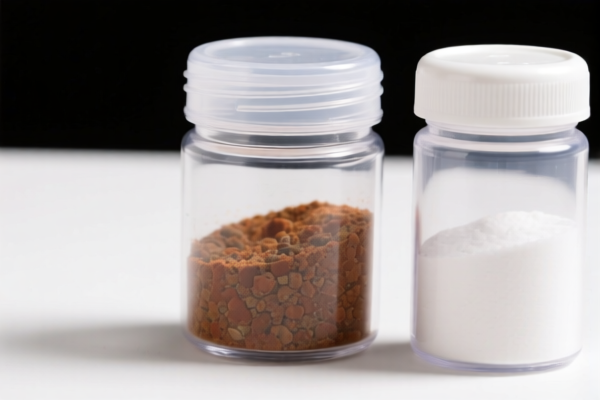
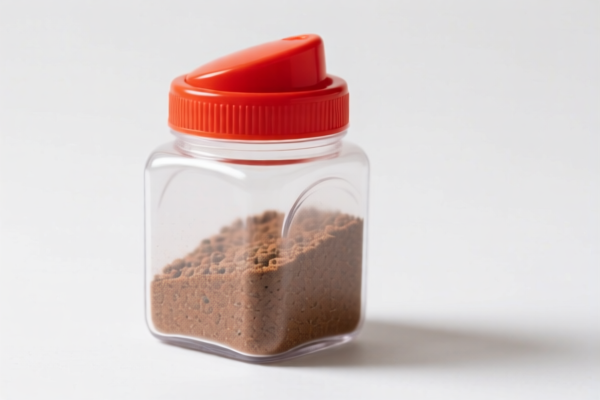

AI Analysis
🌿 Plastic Aromatherapy Jar (塑料香薰罐)
🌐 HS Code Reference & Customs Clearance Guide | 2026 Latest Tariff Analysis | Professional Clearance Strategy
📌 I. Product Definition & Classification: Do You Really Understand "Plastic Aromatherapy Jar"?
A "Plastic Aromatherapy Jar" is a versatile packaging or utility item, but its HS Code classification depends heavily on its primary function, shape, and end-use. In international trade, ambiguity here leads to significant tariff differences due to US Section 301 and Section 122 tariffs.
The product falls into two main categories: 1. Packaging Containers (Bottles/Jars): If used primarily to contain and transport aromatherapy oils, waxes, or creams. 2. Finished Household/Toiletry Goods: If it is a finished consumer product (e.g., a scented candle jar, a diffuser vessel, or a toiletry accessory) rather than just an empty container.
⚠️ Key Distinction:
- If the item is an empty plastic bottle/jar intended for packaging other goods →归入 3923 (Packaging Articles).
- If the item is a toiletry/cosmetic container (e.g., cosmetic bottle) →归入 3924.10 (Toiletry/Toilet articles).
- If the item is a general household plastic article (non-toiletry) →归入 3924.90.
📦 II. HS Code Classification Details (2026 Latest Tariff Authority Cross-Reference)
| HS Code | Product Description | Application Scenario | Tax Rate (Total) | Notes |
|---|---|---|---|---|
3924.10.40.00 |
Plastic Toiletry/Cosmetic Containers (e.g., Cosmetic Bottles) |
Used for toiletries or toilet articles (e.g., cosmetic jars, lotion bottles). | 13.4% | Base 3.4% + 122 Clause 10% |
3923.30.00.10 |
Plastic Bottles, Jars, etc. (Packaging) (Specific Subheading for Packaging) |
Empty plastic containers used for packaging goods. | 38.0% | Base 3.0% + 301/122 Tariffs |
3924.90.56.50 |
Other Plastic Household/Hygiene Articles (Non-Toiletry Specific) |
General plastic household items, not strictly toiletries or packaging bottles. | 20.9% | Base 3.4% + 7.5% Add-on + 122 Clause 10% |
3923.30.00.90 |
Other Plastic Bottles/Jars (General Packaging) |
Plastic bottles/jars not specified in other packaging subheadings. | 38.0% | Base 3.0% + 301/122 Tariffs |
6307.90.98.75 |
Textile/Paper Aromatherapy Bags (Scented Sachets) |
NOT for plastic jars. For fabric/paper scent bags. | 24.5% | Only if made of textile/paper |
🔍 Critical Insight:
-3924.10.40.00is the lowest tariff (13.4%) if the jar is considered a "toiletry/cosmetic container" (e.g., used for creams, lotions, or solid perfumes).
-3923.30.00.10/90carries a high tariff (38.0%) if classified simply as "packaging bottles" due to higher base rates and specific add-ons.
-6307.90.98.75applies only if the product is a scented sachet (袋) made of fabric or paper, NOT a plastic jar. Misclassifying a plastic jar as a textile bag will lead to customs rejection.
💰 III. 2026 Latest Tariff Rate Breakdown (Including Additional Taxes)
✅ Applicable Country: United States (US)
✅ Origin: China (CN)
✅ Effective Date: Current trade policies (Section 122 & Section 301)
🎯 1. 3924.10.40.00 —— Plastic Toiletry/Cosmetic Container (Recommended for Low Tariff)
| Item | Detail |
|---|---|
| Base Tariff | 3.4% |
| Section 122 Tariff | +10% (Specific to certain plastic articles/toiletries) |
| Additional Tariff (Section 301) | 0% (Exempted or lower tier for this specific subheading) |
| Total Tariff | 13.4% |
| Tax Calculation | CIF Value × 13.4% |
| De Minimis Eligibility | ❌ No (Deny de minimis) |
| Legal Basis Path | HTSUS:3924.10.40.00 → Section 122 |
📌 Explanation:
- This classification is ideal if the jar is marketed as a cosmetic/toiletry container (e.g., for face cream, solid perfume, or bath salts).
- The 122 Clause adds 10%, but the base rate is low, and it avoids the heavy 301 tariffs applied to general packaging.
🎯 2. 3923.30.00.10 / 3923.30.00.90 —— Plastic Packaging Bottles/Jars (High Tariff)
| Item | Detail |
|---|---|
| Base Tariff | 3.0% |
| Section 301 Tariff | +25% |
| Section 122 Tariff | +10% |
| Total Tariff | 38.0% |
| Tax Calculation | CIF Value × 38.0% |
| De Minimis Eligibility | ❌ No (Deny de minimis) |
| Legal Basis Path | HTSUS:3923.30.00.10 → Section 301 + Section 122 |
📌 Warning:
- If you declare a plastic jar simply as "Plastic Bottle for Packaging," customs may apply 38.0%.
- This is 24.6% higher than the toiletry classification.
🎯 3. 3924.90.56.50 —— Other Plastic Household Articles (Medium Tariff)
| Item | Detail |
|---|---|
| Base Tariff | 3.4% |
| Additional Tariff | +7.5% |
| Section 122 Tariff | +10% |
| Total Tariff | 20.9% |
| Tax Calculation | CIF Value × 20.9% |
| De Minimis Eligibility | ❌ No (Deny de minimis) |
| Legal Basis Path | HTSUS:3924.90.56.50 |
📌 Usage:
- Use this if the jar is a general household item (e.g., a storage jar for cotton balls, not explicitly for toiletries or packaging).
🎯 4. 6307.90.98.75 —— Textile/Paper Aromatherapy Sachet (Different Material)
| Item | Detail |
|---|---|
| Base Tariff | 7.0% |
| Additional Tariff | +7.5% |
| Section 122 Tariff | +10% |
| Total Tariff | 24.5% |
| Tax Calculation | CIF Value × 24.5% |
| De Minimis Eligibility | ❌ No (Deny de minimis) |
| Material | Textile or Paper ONLY |
📌 Clarification:
- Do NOT use this code for plastic jars. This code is for scented bags/sachets made of fabric or paper. Using it for plastic items will result in misdeclaration penalties.
🛠️ IV. Customs Clearance Practical Advice (Avoid Pitfalls)
✅ 1. Required Documentation Checklist
| Document | Mandatory | Description |
|---|---|---|
| ✅ Product Specifications | ✔️ | Material (PP, PET, etc.), Shape, Capacity, Intended Use |
| ✅ Product Photos | ✔️ | Clear images showing labels, closure type, and contents (if any) |
| ✅ Commercial Invoice | ✔️ | Accurate description: "Plastic Cosmetic Container" vs. "Plastic Packaging Bottle" |
| ✅ Packaging List | ✔️ | Unit weight, dimensions, and total quantity |
| ✅ Certification (if applicable) | ✔️ | FDA Compliance (if for food/cosmetic contact), BPA-Free Certificate |
✅ 2. Declaration Strategy (Key Tips)
🔥 “Material & Function Dictate Code: Cosmetic = 13.4%, Packaging = 38.0%!”
| Scenario | Correct HS Code | Incorrect Declaration | Consequence |
|---|---|---|---|
| Plastic Jar for Cream/Lotion | 3924.10.40.00 |
"Plastic Packaging Bottle" | Tax Jump: 13.4% → 38.0% (Back taxes + fines) |
| Empty Plastic Jar for Shipping | 3923.30.00.10 |
"Cosmetic Jar" | Risk of Audit: Customs may reclassify to 3924 if function is unclear |
| Scented Fabric Sachet | 6307.90.98.75 |
"Plastic Jar" | Misdeclaration: Material mismatch → Seizure |
| General Plastic Storage Jar | 3924.90.56.50 |
"Toiletry Article" | Risk: If not used for toiletries, may be reclassified |
✅ 3. Special Cases
| Situation | Handling Advice |
|---|---|
| OEM Custom Jars | Provide design specs and end-user instructions. If labeled for "Cosmetic Use," argue for 3924.10. |
| Jars with Pump Dispensers | Still likely 3924.10 if part of a toiletry system, but verify if the pump is classified separately. |
| Mixed Shipments (Plastic + Textile) | Separate declarations! Do not mix plastic jars (3924) with fabric sachets (6307) on one line item. |
| Pre-filled Jars (Candles/Oils) | If the jar contains the product, the HS code may shift to the product code (e.g., candle or oil), not the container. |
🌍 V. Global Market Clearance Comparison (2026)
| Country/Region | Recommended HS Code | Tariff (China Origin) | Certification | Notes |
|---|---|---|---|---|
| 🇺🇸 USA | 3924.10.40.00 |
13.4% | FDA (if contact) | Lowest US tariff for plastic toiletry jars |
| 🇺🇸 USA | 3923.30.00.10 |
38.0% | N/A | Avoid if possible; high tariff |
| 🇨🇳 China | 3924.10.40.00 |
~5-10% | CCC (if applicable) | No Section 301/122 taxes |
| 🇪🇺 EU | 3924.10 |
0-4% | REACH, LFGB | No major additional tariffs |
| 🇦🇺 Australia | 3924.10 |
5% | Asbestos-Free | Standard AFSI rules |
📌 Conclusion:
- USA is the most complex market due to Section 122 and 301 tariffs.
- Maximize savings by proving the jar is a toiletry/cosmetic container (3924.10) rather than a generic packaging item (3923).
- Never use textile codes (6307) for plastic items.
📌 VI. Common Errors & Pitfalls (Lessons Learned)
❌ Error 1: Declaring a plastic cosmetic jar as a "Plastic Packaging Bottle"
👉 Consequence: Tariff jumps from 13.4% to 38.0%. Loss: 24.6% extra cost.
❌ Error 2: Using 6307.90.98.75 for a plastic jar
👉 Consequence: Customs detects material mismatch (Plastic vs. Textile). Seizure or heavy penalty.
❌ Error 3: Mixing Plastic Jars and Fabric Sachets in one shipment line
👉 Consequence: Customs requires separate entry, delays shipment, and may impose penalties for inaccurate description.
✅ Correct Approach:
"Plastic Container for Cosmetic Use, Empty, Material: PP, Designed for Toiletry Products" → HS: 3924.10.40.00 (13.4%)
🎯 VII. Conclusion: Professional Declaration Saves Money!
🎯 Remember the Golden Rules:
🔹 "Cosmetic Jar = 13.4% | Packaging Bottle = 38.0% | Fabric Sachet = 24.5%"
🔹 "Material First: Plastic vs. Textile is Non-Negotiable"
🔹 "Function Matters: Toiletry Use Lowers Tariff in the US"
📌 Pro Tip:
If your product is a plastic jar but you are also selling fabric scent sachets, declare them separately.
For the plastic jars, provide photos showing cosmetic/toiletry branding to support 3924.10.40.00 classification.
📣 Immediate Action:
📞 Consult a Customs Broker: Submit product images and intended use statement for HS Code Pre-Ruling.
🚀 Optimize Your Supply Chain: Use the 13.4% tariff path for plastic cosmetic jars to maximize profit margins in the US market.
✨ Professional Clearance Starts with Accurate Classification!
💼 Every Percent of Tariff Saved is Pure Profit!
Customer Reviews
About HS Code Classification
The Harmonized System (HS) is an internationally standardized nomenclature developed by the World Customs Organization (WCO) to classify traded products. Over 200 countries use the HS system as the basis for customs tariffs, trade statistics, and import/export regulations.
Each HS code follows a hierarchical structure:
- Chapter (2 digits) — Broad category of goods (e.g., Chapter 84: Machinery and Mechanical Appliances)
- Heading (4 digits) — More specific grouping within the chapter
- Subheading (6 digits) — Internationally standardized breakdown, used by all WCO member countries
- National subdivisions (8-10 digits) — Country-specific extensions for further classification, such as US HTSUS 10-digit codes
Correct HS code classification is essential for smooth customs clearance, accurate duty payment, and compliance with trade regulations. Misclassification can lead to customs delays, overpayment of duties, or penalties.
When importing from CN to US, the applicable tariff rates may include:
- Most-Favored-Nation (MFN) rate — The standard duty rate applied to WTO members
- General rate — Applied to countries without trade agreements
- Trade remedy duties — Additional tariffs such as Section 301 (anti-dumping), Section 232 (national security), or countervailing duties
The information provided on this page is for reference purposes only. For official classification, please consult with your local customs authority or a licensed customs broker.